Planning small acreage for multi-species livestock
Starting a multi-species breeding homestead requires realistic land math before any animals arrive on the property. Small acreage can easily sustain miniature goats, grazing pigs, heritage sheep, and chickens, but only if stocking densities match the land's carrying capacity. While standard cattle need significant acreage per head, small ruminants and heritage swine allow owners of two to five acres to build meaningful breeding programs. The key is planning dedicated paddocks, sacrifice areas for muddy seasons, and secure birthing stalls well in advance.
Dividing acreage into distinct rotational pastures protects root systems and breaks parasite lifecycles across different species. Co-grazing small ruminants alongside horses or rotating poultry behind grazing mammals improves pasture health naturally. Many landowners transitioning from standard pasture board find that miniature livestock place different stresses on fences and forage. Sheep and goats browse different vegetation levels, while pasture pigs graze top greens, and poultry scratch and sanitize the ground, creating a complementary ecosystem when managed with discipline.
Local zoning ordinances and county agricultural exemptions dictate what you can breed and sell from small acreage. Some jurisdictions restrict the number of intact breeding males or classify swine differently from small ruminants regardless of breed size. Water availability, manure composting space, and accessible vet care for farm livestock should all be verified before purchasing your foundation breeding pairs. A well-designed small farm minimizes labor through gravity-fed waterers, sturdy lane systems, and multi-purpose sheds designed to handle everything from farrowing to kidding.
Understanding miniature and dwarf goat breeds
First-time breeders often get confused by the overlapping terms used in classified listings for smaller caprines. Prospective buyers frequently search for a miniature pygmy goat or mini pygmy goat, but in registry standards, the American Pygmy and the Nigerian Dwarf are distinct breeds with separate genetic histories and purposes. The Pygmy is a compact, heavily muscled meat and companion breed originating from West Africa, characterized by thick bone structure, broad barrels, and full coats. In contrast, the Nigerian Dwarf is a true miniature dairy goat, displaying refined dairy character, longer necks, and proportionally high milk yields.
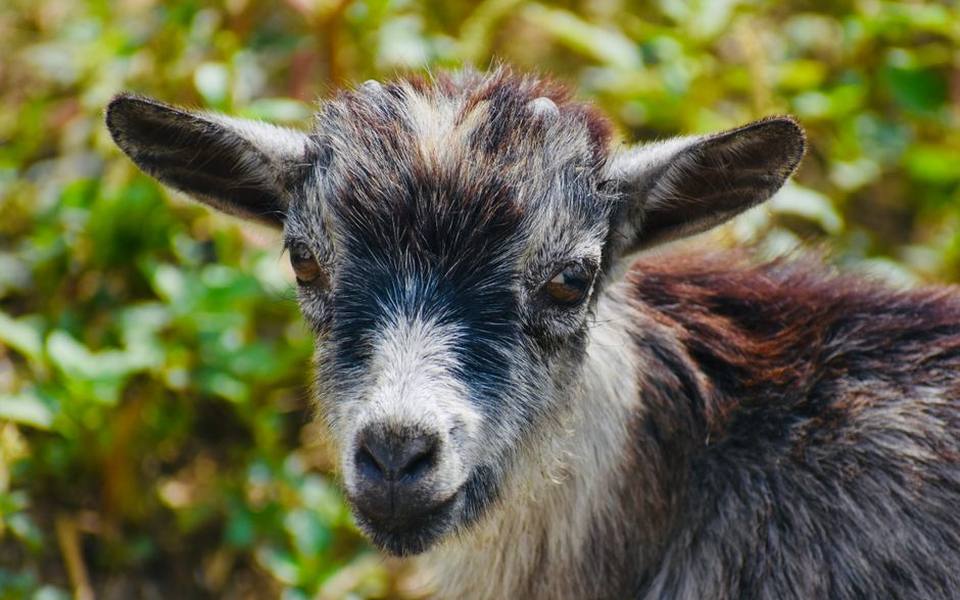
Regional lineages like the Norwegian pygmy goat, or Scandinavian dwarf types, evolved in northern European climates with exceptional cold hardiness and dense undercoats. While less common in standard American registries than Nigerian Dwarfs or African Pygmies, these northern miniature landraces share the calm demeanor and compact size suitable for hobby farms. When developing a breeding herd, mixing miniature types without documentation generally reduces the commercial value of offspring. Staying within recognized breed standards ensures kids can be registered with relevant parent associations.
Reproductive cycles in miniature goats make them versatile for homestead production. Pygmy goats and Nigerian Dwarfs can breed year-round, unlike standard dairy breeds that are seasonal fall breeders. Does typically carry kids for roughly 145 to 153 days and frequently deliver twins or triplets with minimal assistance. Bucks mature early and can be fertile at just a few months old, meaning bucklings must be separated from their dams and sisters promptly to prevent unintended matings. Good foundation does should show wide pelvic structures, correct udder attachments, and strong maternal instincts.
Handling temperament is another vital factor when breeding miniature stock for pet or dairy markets. Nigerian Dwarfs are known for their inquisitive, social nature and handle milking routines calmly once trained. Pygmies tend to be slightly more stocky and independent, though exceptionally docile when handled from birth. Both breeds make manageable livestock for families and older homesteaders who cannot safely restrain standard three-hundred-pound dairy or meat goats in a squeeze chute or stanchion.
What to inspect when sourcing breeding goats
Sifting through advertisements for pygmy goats for sale or nigerian goats for sale requires a strict biosecurity protocol. Caprine arthritis encephalitis (CAE), caseous lymphadenitis (CL), and Johne's disease are persistent, incurable conditions that can ruin a fledgling breeding herd. Reputable breeders test their herds annually and provide laboratory documentation demonstrating negative status. Bringing an untested animal onto clean ground risks contaminating your soil and existing livestock, often leading to heart-wrenching culling decisions down the road.
Conformation faults can compound quickly across generations if breeding stock is chosen solely for color or friendly behavior. Check the animal's bite carefully; overshot or undershot jaws hinder grazing and worsen with age. Inspect hooves for signs of rot, scald, or neglected trimming that may have permanently distorted the pasterns. When evaluating does, examine the udder for blind teats, double orifices, or hard scar tissue from previous bouts of mastitis that could hinder nursing kids.
Prospective buyers looking at nigerian pygmy goats for sale should always ask to see the sire and dam in their working environment. Observing parent stock reveals true mature heights, temperaments, and parasite resistance under local farm conditions. Purchasing weaned kids rather than bottle babies allows animals to develop stronger immune systems through maternal antibodies, though bottle-raised kids often remain friendlier companion animals. Foundation breeding pairs should come with health certificates, up-to-date vaccinations, and transfer paperwork for their respective registries.
Kunekune pigs for small pastures and orchards
Homesteaders seeking pork production without destroyed pastures frequently choose Kunekune pigs. Originating from New Zealand, this heritage breed features a distinct short, upturned snout that physically discourages the deep rooting behavior typical of standard commercial swine. Kunekunes thrive on quality grasses, clover, and vegetable scraps, making them ideal for rotational grazing alongside horses or inside mature fruit orchards where rooting would damage shallow tree root systems.
Breeding Kunekunes requires understanding their slower growth curve and tendency toward obesity. Unlike industrial hogs that reach market weight in six months, Kunekunes take roughly twelve to eighteen months to mature on pasture-based rations. Gilts should not be bred until they reach proper physical maturity, typically around one year of age. Sows are legendary for gentle maternal temperaments, rarely requiring farrowing crates and calmly allowing owners into pens to inspect litters, which generally range between six and ten piglets.
Boar management is simpler with Kunekunes than with large industrial breeds due to their docile disposition. Even mature boars with prominent tusks and piris (fleshy wattles under the jaw) generally respect basic electric fencing. However, keeping boars separate from pregnant sows prevents accidental injuries to newborns. Providing dry bedding, insulated huts, and clean wallows for thermal regulation during summer heat ensures high conception rates and low stress throughout gestation, which lasts three months, three weeks, and three days.
Swiss Valais Blacknose sheep and heritage fiber breeds
Known globally for their spiral horns, black facial markings, and shaggy white fleeces, Swiss Valais Blacknose sheep have become one of the most sought-after breeds for boutique acreage. Originating in the rugged mountains of Switzerland, these dual-purpose sheep combine docility with cold resilience. In North America, establishing breeding flocks often involves breed-up programs utilizing registered imported semen over foundation domestic ewes, though purebred registered stock has become increasingly accessible through dedicated breeders.
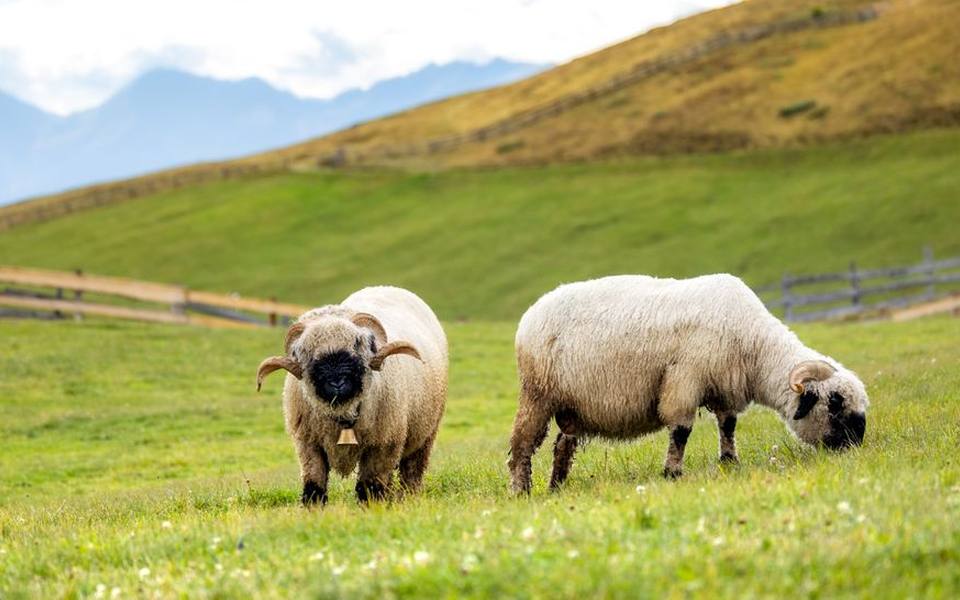
Managing fleece quality on small properties requires diligent pasture maintenance to prevent burrs, thistles, and vegetable matter from contaminating the wool. Valais Blacknose sheep require shearing twice per year to maintain fleece health and keep them comfortable during warmer summer months. Because their thick coats can conceal body condition, breeders must routinely place hands on ewes across the spine and ribs to assess flesh covering, ensuring ewes do not drop weight unnoticed during late pregnancy and lactation.
Ram management and breeding protocols align with standard ovine timelines. Valais ewes typically cycle in the fall, carrying lambs for approximately 147 days, though some domestic bloodlines demonstrate longer breeding seasons. Ram lambs mature rapidly and must be managed carefully around breeding groups to avoid unplanned matings. Excellent foot care is essential, as the breed evolved on rocky Alpine terrain; damp lowland pastures require frequent hoof inspections to prevent foot scald and rot.
Backyard chicken breeding fundamentals
Expanding a poultry flock through controlled chicken breeding offers homesteaders self-sufficiency and an additional income stream from hatching eggs or started pullets. Successful breeding starts with defining goals: egg volume, meat yield, plumage color, or exhibition standards. Maintaining a proper mating ratio prevents feather damage on hens while ensuring high egg fertility; for standard breeds, one mature rooster typically services eight to ten hens, whereas heavier breeds may require smaller mating groups of five to seven females.
Collecting and storing hatching eggs properly directly impacts hatch rates. Eggs intended for the incubator or broody hen should be collected multiple times daily, kept clean without washing, and stored at roughly fifty-five degrees with fifty to seventy percent humidity. Eggs lose viability steadily after seven days of storage, so setting batches quickly yields the best results. Turning stored eggs daily prevents the yolk from adhering to the inner shell membrane before incubation begins.
Homesteaders can choose between artificial incubators and natural broodiness. Forced-air incubators offer precise digital control over temperature and humidity across the twenty-one-day incubation cycle, allowing high-volume batch hatches. However, natural incubation using reliable broody hens eliminates the risk of power outages and handles brooding warmth automatically. Regardless of the method, candling eggs at day seven and day fourteen identifies infertile eggs and early embryonic death, allowing you to discard spoiled eggs before they rupture.
Breeding and maintaining Silkie hens
Among heritage poultry, silkie hens hold a unique position due to their distinctive fur-like plumage, black bones and skin, blue earlobes, and five toes per foot. The genetic mutation that prevents their feather barbs from interlocking gives them a soft, downy texture, but it also leaves them incapable of flight and vulnerable to damp, freezing weather. Silkies cannot shed rain like hard-feathered chickens, meaning clean, dry housing with low roosts is essential to prevent respiratory illness and hypothermia.
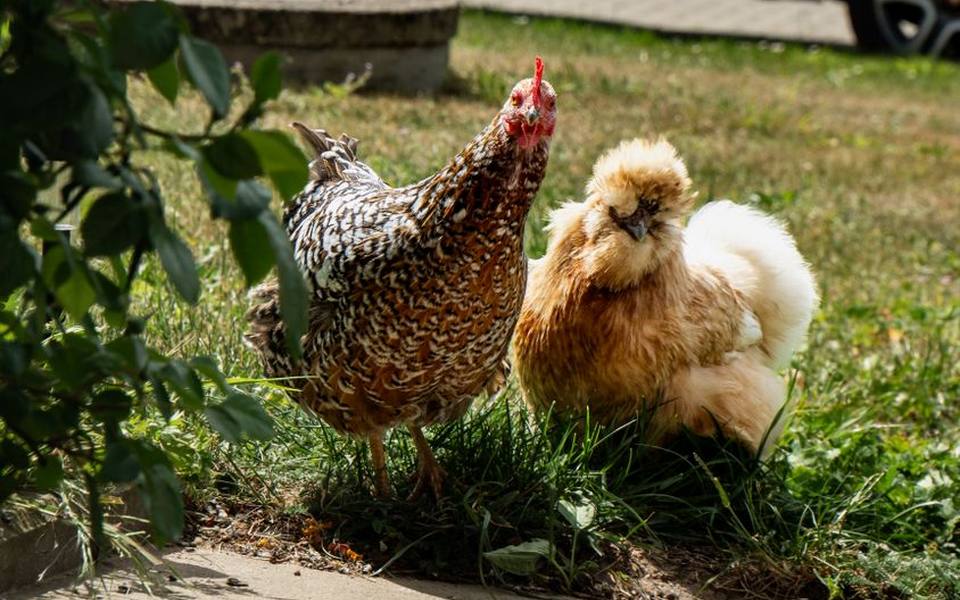
Silkies are widely considered the premier broody birds of the domestic poultry world. A broody Silkie will patiently sit on clutches of chicken, duck, or game bird eggs with remarkable dedication and make attentive, protective mothers to young chicks. Breeders often maintain a pen of Silkies strictly to serve as natural incubators for other valuable farm clutches. Their docile, ground-dwelling nature also makes them safe around small children and less destructive to delicate garden landscaping.
Locating reputable silkie hens for sale requires checking for sound breed traits and solid health history. Common flaws in commercial hatchery lines include poor crest development, lack of foot feathering, or split crests that expose the skull. Inspect juvenile birds for pasty vents, clear eyes, and active foraging behavior. Because Silkies are prone to predator attacks due to limited vision from large crests, their breeding runs must be fully covered with hardware cloth rather than standard chicken wire.
Co-species grazing and parasite management
One major advantage of running mixed livestock on small acreage is the natural break it provides in parasite lifecycles. Most internal parasites are host-specific; worms that cause life-threatening anemia in sheep and goats, such as the barber pole worm (Haemonchus contortus), cannot survive in the digestive tracts of horses or swine. Grazing sheep through a paddock followed by horses or pigs effectively cleans the pasture of infective larvae, drastically reducing the need for chemical dewormers.
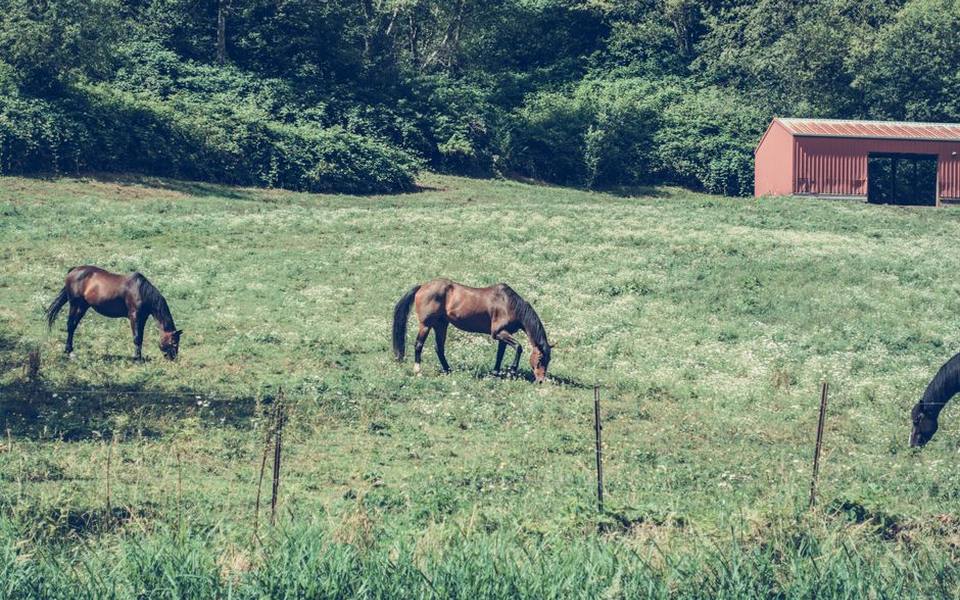
Many rural operations that offer horse training or general boarding maintain companion herds of small ruminants to manage rough pasture corners that horses ignore. If you board equines or visit boarding properties across regions like horse boarding stables in California, you will frequently see mini goats and sheep utilized as pasture groomers and companion animals. Their small hooves cause less soil compaction, and their varied grazing habits prevent invasive weeds from colonizing paddock edges.
However, co-species management requires strict dietary boundaries, particularly regarding copper. Goats and swine require substantial dietary copper to maintain immune health, skin condition, and reproductive performance. Sheep, on the other hand, absorb copper efficiently and store it in the liver, making them highly susceptible to fatal copper toxicity. Feeding mixed herds requires separate feeding stations or strictly formulated multi-species feeds with copper levels safe for ovines, with loose minerals offered in restricted-access creep feeders.
Secure fencing, housing, and predator protection
Containing multiple small species demands versatile, heavy-duty perimeter and cross-fencing. Standard four-board horse fence or loose barbed wire will not hold miniature goats, weaned piglets, or sheep. Woven wire field fencing with four-inch by four-inch or two-inch by four-inch spacing prevents goats from getting their heads trapped while stopping piglets from squeezing through. Adding an electrified offset wire near ground level deters pigs from rooting underneath and prevents goats from leaning on the wire.
Predation is the single largest threat to small-farm livestock breeding. Coyotes, bobcats, stray domestic dogs, raccoons, and birds of prey readily target newborn kids, lambs, piglets, and poultry. Utilizing a dedicated livestock guardian dog (LGD) such as an Anatolian Shepherd, Great Pyrenees, or Maremma provides continuous protection across pastures. LGDs bond deeply with stock when raised with them from puppyhood and effectively deter both ground predators and aerial threats.
Nighttime housing provides the final layer of defense for vulnerable young stock. Small ruminants, poultry, and farrowing sows should have access to solid, predator-proof barns or secure sheds during nighttime hours. Solid latches that require multiple steps to open stop clever predators like raccoons. Proper ventilation in livestock housing is equally critical; stagnant air heavy with ammonia from urine creates respiratory distress and lowers disease resistance, particularly in young kids and poultry.
Breeding economics and registration paperwork
Turning small livestock breeding into a sustainable operation requires accurate record keeping and pedigree management. Registered purebred animals consistently command higher prices than commercial crossbred stock. Registering foundation stock with organizations like the American Dairy Goat Society, National Pygmy Goat Association, or American Kunekune Pig Society establishes traceable lineages and enhances customer confidence. Maintaining meticulous breeding records, service dates, and tattoo or microchip identifications protects your farm's reputation.
Small-scale breeders should calculate realistic ongoing expenses against projected offspring sales. Feed, quality hay, straw bedding, dewormers, annual vaccines, and routine veterinary visits consume a significant portion of livestock revenue. Profit margins depend on building a reputation for clean health testing, show-ring conformation, or productive milk and fiber lines rather than high-volume production. Diversifying sales to include breeding pairs, pet-quality wethers, hatching eggs, and processed fiber creates multiple revenue channels from the same acreage.
Marketing your stock begins with honest representation and clear purchase agreements. Taking clear, well-lit photos of stock in natural pasture settings showcases correct structure and vibrant health to prospective buyers. Providing health guarantees, clear feeding instructions, and lifetime return policies for animals that do not work out builds lasting relationships within the regional livestock community. For small homesteads, quality genetics and sound husbandry always outperform herd size in long-term financial viability.
Published 2026-09-20 · reviewed with each rebuild, last September 2026.
Find boarding stables near you
The directory lists 16,945 boarding stables by state and city — pick your state or use the “Near me” button in the header.
More guides
-
 Money
MoneyUnderstanding Monthly Horse Boarding Expenses and Stable Fees
-
 Owning
Understanding Friesian Horse Ownership: Traits, Costs, and Daily Care
-
 Owning
Understanding Riding Disciplines, Essential Tack, and the True Costs of Horse Ownership
-
 Money
MoneyUnderstanding the Costs of Getting Started in the Saddle
-
 Buying
Understanding Initial Horse Purchase Prices by Breed, Size, and Training
-
 Service
The Career Path of a Farrier: Education, Training, and Timeline
-
Owning
Choosing Between Alfalfa and Orchard Grass Hay for Horses
-
 Money
MoneyEssential Horse Ownership Expenses: Leasing, Insurance, and Maintenance
-
 Owning
Complete Guide to Cattle Breeds: Dairy vs Beef Cow Selection and Care
-
 Buying
Horse Buying Guide: Breed Selection, Market Prices, and Classifieds
-
 Buying
Miniature Livestock Guide: Mini Cattle, Ponies, and Pocket Equines
-
 Owning
The Complete Guide to Horse Boarding, Stables, and Facilities
-
 Owning
Rubber Stall Mats and Horse Stall Flooring: A Complete Guide
-
 Buying
Guide to Horse Breeds, Breeders, and Equine Artificial Insemination
-
 Buying
Equestrian Riding Boots Buyer's Guide: Western and English Footwear
-
 Owning
Equine Health Care: Colic Signs, Deworming Charts, and Joint Supplements
-
 Owning
Complete Guide to Equine Fly Control: Sprays, Repellents, and Fly Sheets
-
 Safety
Equine Riding Helmets: Sizing, Safety Standards, and Selection Guide
-
 Service
Beach Horseback Riding and Trail Riding Tours Guide
-
 Service
Equine Training Fundamentals: Groundwork, Lunging Techniques, and Equestrian Vaulting
-
 Service
Equine-Assisted Therapy and Psychotherapy: A Practical Guide to Methods, Benefits, and Programs
-
 Buying
A Complete Guide to Buying a Horse: Breeds, Equine Sales, and Insurance
-
 Owning
Complete Guide to Horse Hoof Care, Farrier Services, and Hoof Boots
-
 Owning
A Complete Guide to Horse Grooming, Sheath Cleaning, Massage, and Routine Wellness
-
 Owning
Horse Barn Setup, Stall Infrastructure, Arenas, and Facility Equipment
-
 Buying
Beef and Dairy Cattle Breeds: Buyer's Guide, Traits, and Livestock Care
-
 Owning
Homestead Livestock Guide: Raising Sheep, Goats, Pigs, and Poultry
-
 Service
Equine Dentistry Guide: Floating Teeth, Routine Care, and Choosing a Practitioner
-
 Owning
Equine Saddles and Tack Care: Selection, Fit, Cleaning, and Room Setup
-
 Owning
Horse Blankets and Sheet Guide: Fit, Turnout Types, and Fly Protection
-
 Safety
Equestrian Riding Apparel and Gear: Helmets, Boots, and Show Attire
-
 Owning
Equestrian Gift Guide: Practical and Thoughtful Presents for Horse Lovers and Riders
-
 Service
Horse Transportation Guide: Hauling Services, Trailer Rentals, and Layover Stables
-
 Owning
Designing and Managing a Boarding Stable: Facility Planning, Barn Construction, and Daily Operations
-
 Owning
Horse Health Care, Fly Control, and Preventative Vet Schedules
-
 Service
Beginner Equestrian Camps and Riding Programs: How to Choose the Right Barn
-
 Safety
A Complete Guide to Western Riding Helmets, Barn Footwear, Halters, and Hoof Gear
-
 Service
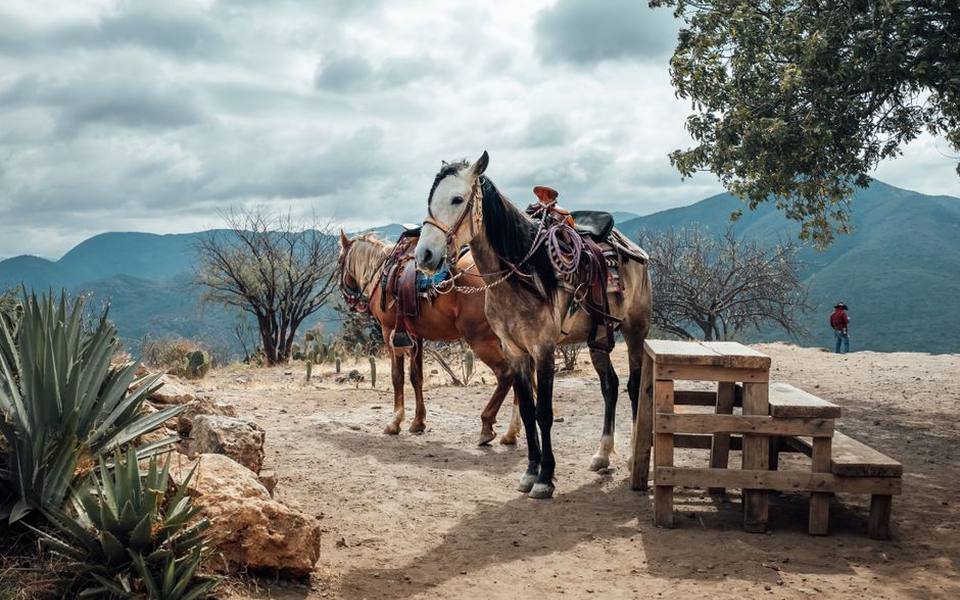
Guided Horseback Riding Tours & Vacation Stables Guide
-
 Buying
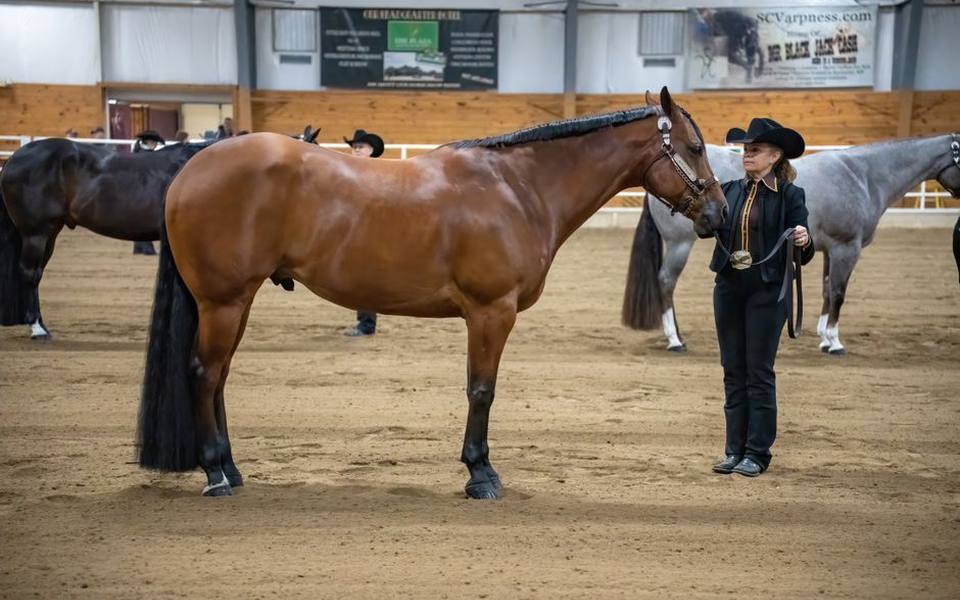
Buying and Selling Horses: Sales Auctions & Breed Marketplaces