The Financial Reality of Buying Your First Horse
Stepping into the equestrian world often begins with a search for a mount of your own, but the initial purchase represents only a modest fraction of the long-term financial commitment. The actual cost of buying a horse varies widely based on age, training foundation, pedigree, and sound conformation. A safe, experienced recreational partner typically commands anywhere from a few thousand dollars to well into five figures, depending on local demand and proven mileage. Prospective owners who calculate their budget solely around the purchase check frequently find themselves unprepared for the immediate baseline needs that follow.
Beyond the initial transaction, bringing an animal home requires an immediate outlay for veterinary vetting, transportation, baseline preventative care, and basic barn supplies. A comprehensive pre-purchase examination by an independent veterinarian typically ranges from several hundred dollars to over a thousand if advanced digital imaging or blood panels are requested. Skipping this step to save money often leads to managing chronic soundness issues that require expensive ongoing management.
New equestrians should also factor in immediate gear adjustments, registration transfers, and emergency veterinary reserves before settling on an acquisition figure. While finding a bargain horse might seem appealing, animals sold below prevailing regional market rates often carry training gaps, behavioral quirks, or underlying physical limitations that demand significant professional intervention. Structuring your initial capital with a dedicated cushion allows you to navigate unexpected health checks and equipment replacements without financial strain.
Comparing English and Western Riding Disciplines
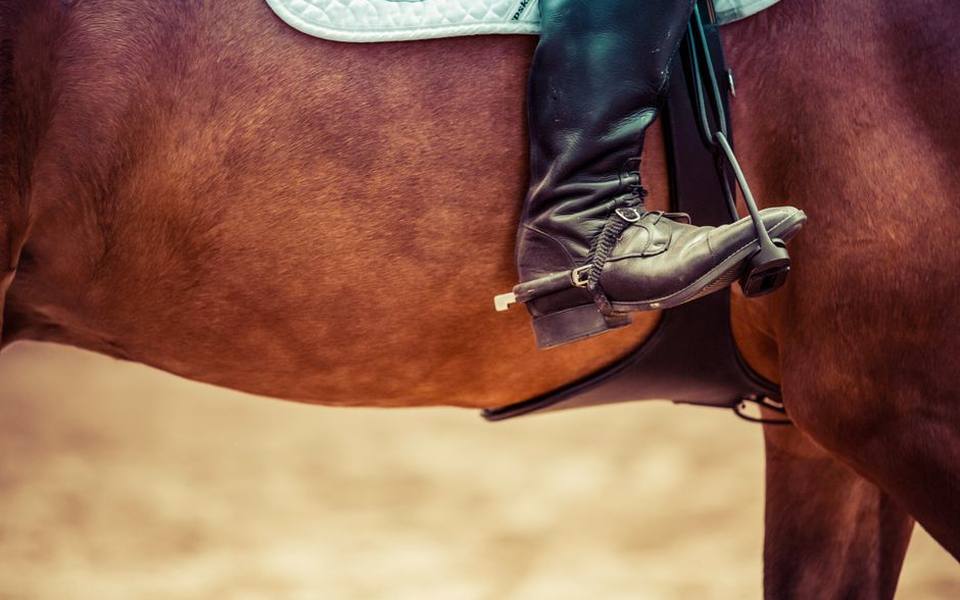
Evaluating english vs western riding styles is one of the earliest decisions a rider faces, though both traditions share identical principles of balance, rhythm, and gentle communication. English riding disciplines emphasize close, upright contact between the rider and the animal's back through a lighter, hornless saddle with smaller knee rolls. Riders hold reins in both hands to maintain steady, elastic contact with the horse's mouth, guiding movement through precise seat pressure, leg cues, and a balanced vertical posture.
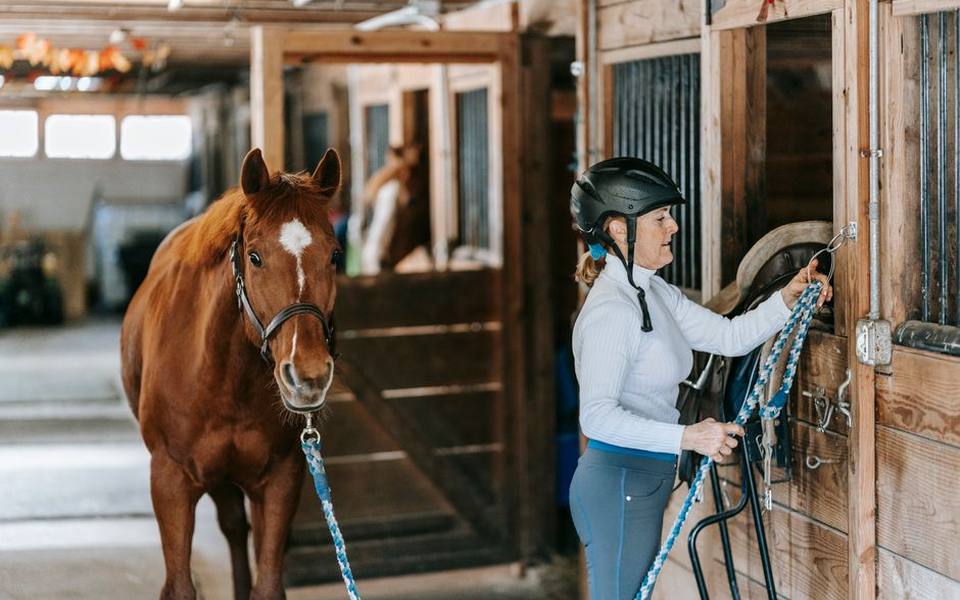
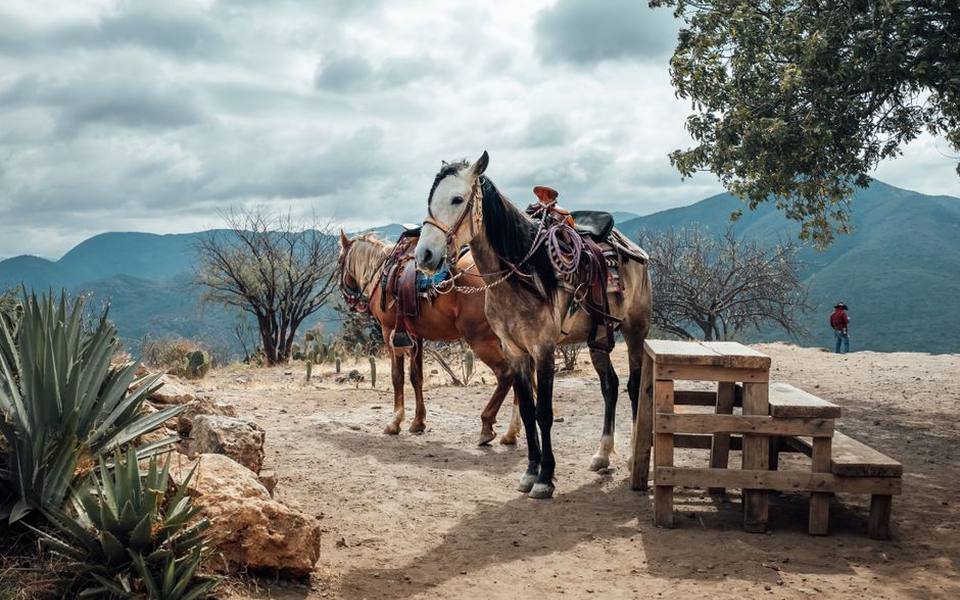
Western riding developed out of working ranch heritage, designed to provide comfort during long days in rough terrain and freedom of movement for stock work. The western saddle features a deep seat, broad stirrups, a high cantle, and a front horn historically utilized for securing lariats. Rather than maintaining constant rein tension, western riders typically train their horses to respond to subtle neck reining, where loose split reins are guided primarily with one hand while the horse moves in a relaxed, level frame.
Neither style is inherently easier or superior; rather, each fosters different muscle coordination and equestrian priorities. Many beginners find the deep seat and substantial surface area of a western saddle reassuring during initial trail outings, while others prefer the close contact and direct connection provided by english tack. Exploring both avenues under capable guidance often helps riders determine which philosophy best aligns with their personal riding goals and physical comfort.
Taking the First Steps with Beginner Riding Lessons
Before considering animal ownership, building basic horsemanship skills through a structured lesson program is an indispensable step. Looking for quality horse riding lessons near me for beginners connects you with certified instructors who maintain sound, patient school horses trained to forgive novice errors. These lesson programs teach essential ground handling, safe haltering, cross-tying, grooming, and tack inspection long before you ever place a foot into the stirrup.
A quality training barn prioritizes safety equipment, correct biomechanics, and unhurried progress over rushing students into independent riding. Instructors typically recommend starting with private half-hour or one-hour sessions so the trainer can maintain singular focus on your balance, rein handling, and confidence. Over several months, riders learn how horses communicate through subtle ear positions, tail swishes, and body posture, creating a foundation that prevents accidents later on.
Enrolling in local programs is straightforward when using verified regional directories. Prospective students can search through extensive riding lesson programs to compare lesson formats, barn safety standards, and instructor credentials across top equestrian regions. Investing regular time in formal lessons also helps aspiring buyers refine their discipline preference and clarify the exact type of temperament they will eventually need in a personal mount.
Identifying the Best Beginner Horse Temperament and Profile
Selecting the best beginner horse requires prioritizing honest temperament, proven experience, and level-headed temperament over flash, color, or youthful pedigree. The ideal first mount is almost universally a mature gelding or mare between ten and twenty years old that has already encountered bustling traffic, barking dogs, and unpredictable trail hazards. These seasoned horses, often affectionately called schoolmasters, understand their jobs thoroughly and respond to uncertain beginner cues with steady patience rather than anxiety.
First-time buyers frequently make the mistake of pairing an inexperienced rider with a young, green-broke horse under the assumption they will learn together. In practice, this combination routinely results in behavioral confusion, eroded rider confidence, and safety hazards that require costly professional intervention. A horse with several years of steady exposure under various riders allows a novice to concentrate on developing balance and quiet hands without having to educate the animal simultaneously.
Geldings are often preferred by beginners due to their generally consistent day-to-day temperament, though many experienced mares make exceptional partners when managed with good nutritional and turnout routines. Breed choice matters less than individual disposition, but versatile stock breeds like Quarter Horses, draft crosses, and steady Morgans often demonstrate the calm demeanors that new horse owners require.
Stallion Values and Why Intact Males Demand Specialized Facilities
While browsing market classifieds, newcomers frequently notice that stallion horse price listings can vary drastically from inexpensive unbroken colts to elite performance studs valued in six figures. However, intact male horses require an entirely distinct level of handling expertise, reinforced perimeter fencing, and isolated turnout paddocks that standard boarding stables cannot accommodate. Their biological drives, territorial behaviors, and sheer physical power make them unsuitable for novice riders or community boarding environments.
The pricing of breeding stallions depends heavily on proven performance titles, commercial breeding demand, genetic testing panels, and offspring earnings in competition registries. Maintaining a breeding stallion involves specialized semen handling facilities, rigorous pathogen testing, and heightened insurance liabilities that dwarf normal recreational ownership budgets. Even ground manners with experienced handlers require constant vigilance, as a stallion's natural focus can shift abruptly in the presence of mares in season.
For the vast majority of equestrians, investing in a well-schooled gelding delivers vastly superior companionship, lower boarding friction, and safe trail experiences. Unless a facility is specifically configured for professional breeding operations, intact males represent significant safety risks and social limitations that complicate everyday equestrian enjoyment.
Evaluating Heavy Breeds and Draft Horse Price Considerations
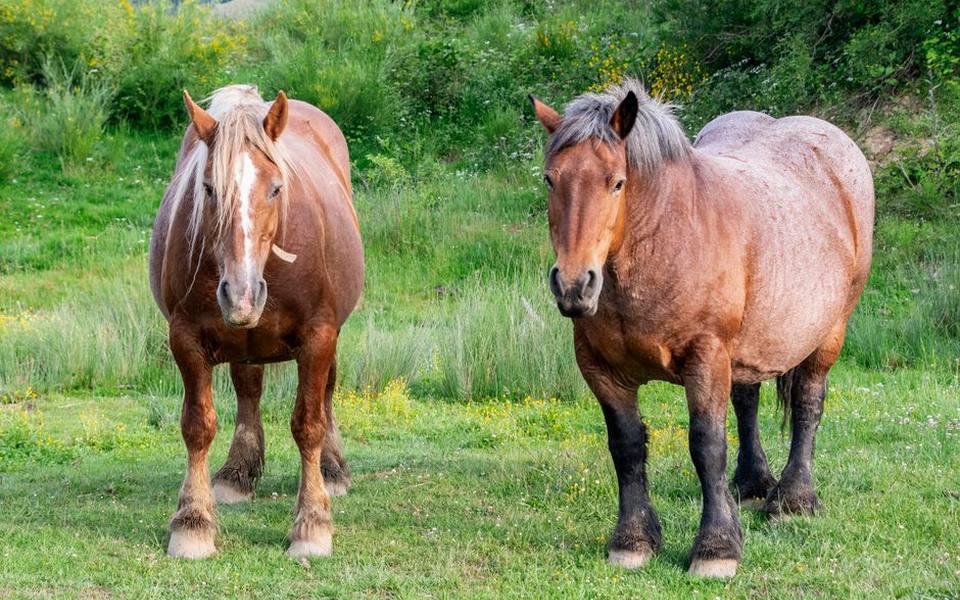
Heavy breeds such as Percherons, Clydesdales, Belgians, and Shires appeal to many equestrians because of their imposing presence and famously placid personalities. A typical draft horse price depends on training level, whether the animal is broken for harness, farm work, or saddle, and overall physical soundness. While young or semi-feral draft stock may appear affordable at public auctions, fully trained draft mounts with sound joints and calm riding manners generally command healthy five-figure sums.
Caring for a draft horse or draft cross presents distinct physical and financial requirements compared to lighter riding horses. Their substantial mass means they consume significantly higher quantities of hay, require heavy-duty fencing, and need specialized extra-wide stalls with reinforced support. Routine maintenance items such as dewormers and prescription medications must be dosed according to weight, effectively doubling medical costs relative to average light-horse dosages.
Hoof care is another substantial factor, as standard farriers often lack the heavy anvils, draft-sized shoe stock, and physical capability to trim or shoe giant hooves without specialized stocks. When healthy and properly trained, gentle giants make phenomenal trail and driving partners, but their management demands facilities constructed to withstand their immense strength and weight.
Selecting the Best Saddle Pads for Comfort and Soundness
A saddle pad does not compensate for an improperly fitted saddle tree, but using the best saddle pads designed for your discipline distributes pressure evenly and wicks moisture away from sensitive spinal tissue. Quality pads buffer the mechanical friction generated between the saddle leather and the horse's moving back muscles during workouts. In both English and Western tack rooms, selecting materials with genuine breathability and shock attenuation prevents sore backs, rub marks, and girth chafing.
Natural wool felt remains the gold standard for Western riders because it compresses evenly under load, absorbs sweat without collapsing, and naturally dissipates heat buildup along the dorsal spine. English riders often choose high-density closed-cell memory foams, sheepskin linings, or breathable cotton diamond quilts paired with contoured spine channels. A pad should always contour upward into the saddle gullet rather than pulling tightly flat across the horse's withers, which can pinch blood flow and provoke defensive behaviors.
When shopping for pads, consider your horse's unique back topography, noting whether they exhibit high withers, a swayback, or asymmetrical shoulder musculature. Shimmable therapeutic pads allow handlers to insert subtle foam or felt shims to balance minor conformational flaws temporarily while muscle tone rebuilds under veterinary and trainer guidance. Inspecting and brushing pads after every ride removes dried sweat and grit that can rapidly abrade skin during long hacks.
Pasture Companions: Hair Sheep and Hobby Farm Grazers
Equestrians managing their own acreage often incorporate small ruminants to serve as herd companions, control noxious pasture weeds, and maximize rotational grazing efficiency. A typical dorper sheep price reflects their popularity among hobby farmers; as a hardy hair breed, Dorpers shed their coats naturally, eliminating the need for annual shearing while effectively grazing broadleaf weeds that horses reject.
For owners seeking ornamental charm and exceptionally gentle pasture mates, the valais blacknose sheep price reflects imported European bloodlines, strict breed standards, and high domestic demand. While significantly more expensive than commercial meat breeds, these distinctive sheep are prized for their calm demeanors, fleece quality, and compatibility alongside pasture-kept horses that crave companion animals.
Co-grazing small ruminants alongside horses provides meaningful parasite management benefits, as sheep ingest equine parasite larvae without acting as viable biological hosts, breaking parasite life cycles naturally. However, paddock fencing must be reinforced with close-mesh wire or woven field fence to prevent predators from entering and to keep agile sheep contained safely within equine grazing paddocks.
The Monthly Cost for Boarding Horses Across Board Types
For riders who do not own rural acreage, the ongoing cost to board a horse represents the single largest recurring monthly line item in an ownership budget. The general cost for boarding horses depends fundamentally on geographical location, real estate land values, and the tier of management service provided by barn staff. Evaluating your monthly capacity realistically before acquiring an animal ensures you can maintain uninterrupted care through seasonal changes.
Basic pasture board typically occupies the lower end of the pricing spectrum, where horses live outside full-time in small herds with run-in shed shelters, automatic waterers, and shared round bales during winter. By contrast, full-care stall board includes individual box stalls, daily mucking, specialized individual grain feedings, blanket changes, and scheduled group turnouts, carrying monthly rates that reflect labor-intensive daily care.
When comparing regional options across the directory's 9,612 listings in top states, owners can easily evaluate verified horse boarding facilities alongside budget-friendly pasture board stables to find a balance between care level and expense. Factor in auxiliary charges such as trailer parking, trailer-in ring fees, and dispensing veterinary supplements, as these supplementary items can alter the final invoice noticeably.
Amenities That Impact Board Rates: Arenas, Turnout, and Trails
A substantial driver behind the cost for boarding a horse is the specific infrastructure and amenities maintained by the facility owner. Maintaining an all-weather riding surface requires substantial capital outlay, commercial drag equipment, dust suppression watering systems, and regular footing replenishment. Stables that offer modern amenities command higher monthly rates because they allow owners to train consistently regardless of harsh winter weather, mud seasons, or summer heatwaves.
Access to weather-protected spaces makes a tangible difference for active competitors and adult amateurs who can only ride during evening hours. Finding reliable stables with indoor arenas ensures that riding schedules remain uninterrupted by sudden rainstorms, frozen ground, or sub-zero wind chills. Stables featuring temperature-controlled viewing lounges, automated fly spray misting systems, and hot-water wash stalls typically price their board packages accordingly.
Turnout quality is equally critical when evaluating higher-priced facilities. Stables that provide spacious grass paddocks with safe four-rail post-and-board fencing, individual rotational paddocks, and direct gates to regional multi-use trail networks require greater land allocation and continuous fence maintenance. Balancing must-have training amenities against basic equine welfare needs helps owners select a facility that fits their lifestyle without overstretching their household finances.
Building a Sustainable Budget Before You Sign a Bill of Sale
A sustainable horse ownership budget must account for predictable maintenance alongside an emergency medical reserve fund. Beyond routine boarding fees, every owner must budget for regular farrier visits every six to eight weeks, bi-annual dental floats by a licensed practitioner, spring and fall vaccination packages, and routine fecal egg count deworming protocols. These healthcare essentials ensure your mount maintains healthy body condition and stays free of dental pain that can manifest as behavioral resistance.
Insurance coverage provides another layer of security that should be evaluated prior to taking legal possession. Mortality policies cover the baseline purchase value, but adding major medical coverage helps cushion against catastrophic colic surgeries or intensive hospital stays that can reach thousands of dollars unexpectedly. Setting aside dedicated liquid savings before shopping ensures that medical decisions are guided by veterinary prognoses rather than acute financial panic.
Ultimately, owning a horse is a deeply rewarding partnership that demands consistent time, physical dedication, and financial foresight. By choosing an appropriate discipline, taking structured lessons, purchasing a seasoned partner, and selecting a stable aligned with your budget, you set the foundation for decades of safe, joyful horsemanship.
Published 2026-09-20 · reviewed with each rebuild, last September 2026.
Find boarding stables near you
The directory lists 16,945 boarding stables by state and city — pick your state or use the “Near me” button in the header.
More guides
-
 Money
MoneyUnderstanding Monthly Horse Boarding Expenses and Stable Fees
-
 Owning
Understanding Friesian Horse Ownership: Traits, Costs, and Daily Care
-
 Money
MoneyUnderstanding the Costs of Getting Started in the Saddle
-
 Buying
Understanding Initial Horse Purchase Prices by Breed, Size, and Training
-
 Service
The Career Path of a Farrier: Education, Training, and Timeline
-
Owning
Choosing Between Alfalfa and Orchard Grass Hay for Horses
-
 Money
MoneyEssential Horse Ownership Expenses: Leasing, Insurance, and Maintenance
-
 Owning
Complete Guide to Cattle Breeds: Dairy vs Beef Cow Selection and Care
-
 Buying
Horse Buying Guide: Breed Selection, Market Prices, and Classifieds
-
 Owning
Small Farm Livestock Breeding: Goats, Sheep, Pigs, and Poultry
-
 Buying
Miniature Livestock Guide: Mini Cattle, Ponies, and Pocket Equines
-
 Owning
The Complete Guide to Horse Boarding, Stables, and Facilities
-
 Owning
Rubber Stall Mats and Horse Stall Flooring: A Complete Guide
-
 Buying
Guide to Horse Breeds, Breeders, and Equine Artificial Insemination
-
 Buying
Equestrian Riding Boots Buyer's Guide: Western and English Footwear
-
 Owning
Equine Health Care: Colic Signs, Deworming Charts, and Joint Supplements
-
 Owning
Complete Guide to Equine Fly Control: Sprays, Repellents, and Fly Sheets
-
 Safety
Equine Riding Helmets: Sizing, Safety Standards, and Selection Guide
-
 Service
Beach Horseback Riding and Trail Riding Tours Guide
-
 Service
Equine Training Fundamentals: Groundwork, Lunging Techniques, and Equestrian Vaulting
-
 Service
Equine-Assisted Therapy and Psychotherapy: A Practical Guide to Methods, Benefits, and Programs
-
 Buying
A Complete Guide to Buying a Horse: Breeds, Equine Sales, and Insurance
-
 Owning
Complete Guide to Horse Hoof Care, Farrier Services, and Hoof Boots
-
 Owning
A Complete Guide to Horse Grooming, Sheath Cleaning, Massage, and Routine Wellness
-
 Owning
Horse Barn Setup, Stall Infrastructure, Arenas, and Facility Equipment
-
 Buying
Beef and Dairy Cattle Breeds: Buyer's Guide, Traits, and Livestock Care
-
 Owning
Homestead Livestock Guide: Raising Sheep, Goats, Pigs, and Poultry
-
 Service
Equine Dentistry Guide: Floating Teeth, Routine Care, and Choosing a Practitioner
-
 Owning
Equine Saddles and Tack Care: Selection, Fit, Cleaning, and Room Setup
-
 Owning
Horse Blankets and Sheet Guide: Fit, Turnout Types, and Fly Protection
-
 Safety
Equestrian Riding Apparel and Gear: Helmets, Boots, and Show Attire
-
 Owning
Equestrian Gift Guide: Practical and Thoughtful Presents for Horse Lovers and Riders
-
 Service
Horse Transportation Guide: Hauling Services, Trailer Rentals, and Layover Stables
-
 Owning
Designing and Managing a Boarding Stable: Facility Planning, Barn Construction, and Daily Operations
-
 Owning
Horse Health Care, Fly Control, and Preventative Vet Schedules
-
 Service
Beginner Equestrian Camps and Riding Programs: How to Choose the Right Barn
-
 Safety
A Complete Guide to Western Riding Helmets, Barn Footwear, Halters, and Hoof Gear
-
 Service
Guided Horseback Riding Tours & Vacation Stables Guide
-
 Buying
Buying and Selling Horses: Sales Auctions & Breed Marketplaces