Baseline Purchase Realities and the Cost of Cheap Horses
First-time buyers often wonder what constitutes the lower end of the horse market and whether bargain animals represent genuine value. At public auctions and private backyard rehoming situations, an untrained or grade horse might sell for several hundred dollars up to a modest few thousand. However, experienced equestrians widely recognize that an inexpensive initial purchase price often conceals significant deferred expenses. A horse acquired for five hundred dollars can easily require several thousand dollars in immediate veterinary care, farrier rehabilitation, behavioral remediation, and dental floats before it can ever be safely ridden or handled.
When calculating how much the cheapest horse actually costs, prospective buyers must evaluate soundness, temperament, and legal clarity. Cheap mounts often suffer from chronic lameness, navicular changes, degenerative joint disease, or hidden behavioral issues such as rearing, bolting, or severe barn sourness. Re-training an anxious or poorly started horse typically requires hiring a professional trainer for several months, which quickly eclipses the savings realized on purchase day. Responsible equine shelters and reputable rescues often rehome sound companion or riding animals with adoption fees ranging from eight hundred to two thousand dollars, which usually includes up-to-date vaccines, negative Coggins tests, and recent dental work.
Prospective buyers working with tight acquisition budgets often benefit from taking a step back to evaluate whether immediate purchase is financially practical. Leasing an experienced horse or taking structured lessons at established riding lesson programs allows riders to sharpen their skills and confirm their monthly financial stamina without carrying the full capital risk of horse ownership. Entering the horse market with an understanding that the purchase invoice represents the smallest line item in the animal's lifetime ledger prevents buyers from taking on an unsound, dangerous, or unmanageable animal merely because of an attractive sticker price.
Breed Variations and What Drives Arabian Horse Pricing
Breed registry, bloodline recognition, and intended discipline exert a tremendous influence on initial equine pricing. For instance, evaluating an Arabian horse cost requires examining the broad spectrum between family trail mounts, endurance athletes, and halter show champions. A family-friendly, unregistered Arabian cross or an older purebred suitable for recreational trail riding typically sells between two thousand five hundred and six thousand dollars. These horses offer agility, hard hooves, and natural endurance, making them popular among riders who value stamina, intelligence, and sensitive communication on varied terrain.
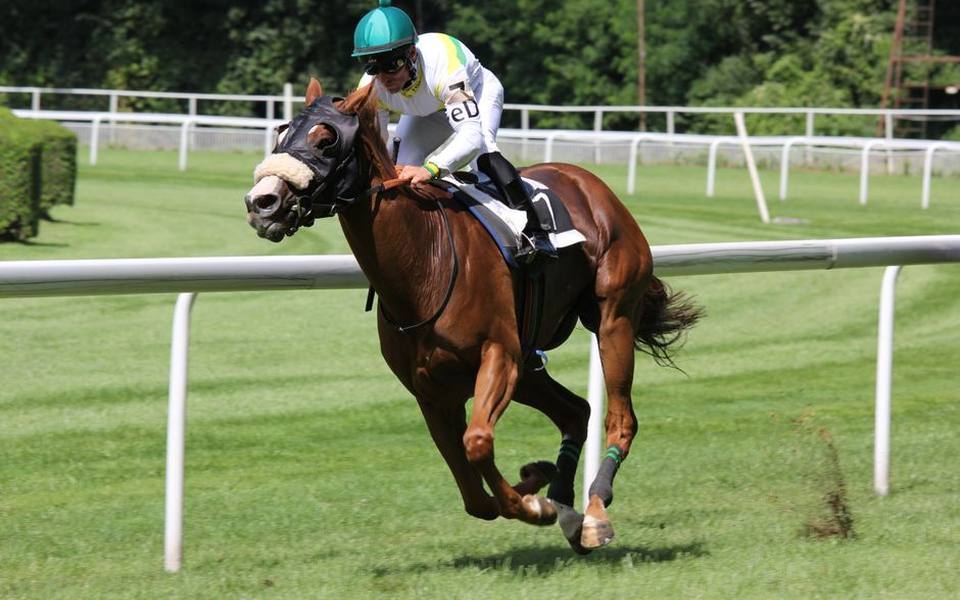
At the higher end of the spectrum, registered Arabian horses from prominent national show lines or endurance pedigrees command much steeper prices. Finished distance athletes with proven competition records or Egyptian Arabian bloodlines sought for international breeding programs routinely range from fifteen thousand to well over fifty thousand dollars. The physical traits prized in these horses—arched necks, dished profiles, high tail carriage, and dense bone structure—are cultivated through generational breeding programs that pass substantial production and marketing costs directly onto the eventual buyer.
Comparatively, popular domestic breeds like the American Quarter Horse or Paint Horse occupy a similarly wide price band, often driven by discipline-specific performance. A solid Quarter Horse trail mount might sell for four thousand to eight thousand dollars, while a cutting, reining, or barrel racing prospect with desirable bloodlines easily exceeds twenty thousand dollars. Understanding the performance standards of a specific breed community prevents prospective owners from overpaying for ornamental bloodlines when their personal goal is dependable recreational pleasure riding.
Miniature Horses and Size-Based Purchase Factors
Prospective owners intrigued by smaller equines frequently ask how much a miniature horse costs to buy and maintain compared to standard-sized animals. Generally, pet-quality miniature horses without registered papers or formal driving training sell for roughly five hundred to one thousand five hundred dollars. Registered miniatures with refined conformation, desirable coloration, and verified bloodlines from established registries typically command two thousand to five thousand dollars. Miniatures that have undergone rigorous training to pull a cart or serve as calm therapy animals can fetch even higher amounts.
While miniature horses consume significantly less hay and grain than full-sized horses, their daily maintenance is not simply a miniature version of equine care. Miniatures require proportional veterinary care, regular dental examinations, and specialized hoof trimming from a farrier experienced with tiny hooves, none of which receive a fifty percent discount from professional service providers. Their unique metabolic efficiency also predisposes them to obesity, founder, and hyperlipemia if they graze unrestricted on lush pasture, meaning owners often need dedicated dry lots, muzzle management, and carefully weighed grass hay rations.
Size alone does not dictate a horse's handling difficulty or suitability for children. While a miniature horse cannot be ridden by anyone other than very small toddlers, their strong will and quick reflexes demand consistent groundwork and respectful handling boundaries. Purchasing a miniature horse as a backyard novelty without adequate fencing, shelter, and equine companionship frequently leads to behavioral issues, making proper research into small-equine husbandry just as critical as preparing for a sixteen-hand riding horse.
What Solid Training Really Adds to the Price Tag
When buyers ask how much a trained horse costs, the answer depends almost entirely on the depth, consistency, and reliability of the animal's educational foundation. A green horse that is merely halter-broken or has thirty days of basic riding under saddle may sell for three thousand to six thousand dollars. In contrast, a seasoned, bombproof mount with hundreds of hours of varied trail, arena, and traffic exposure typically starts at eight thousand dollars and easily climbs past fifteen to twenty-five thousand dollars, depending on age, soundness, and specialized abilities.
The substantial price gap between green prospects and seasoned mounts reflects the immense labor and time required to produce a safe riding partner. Professional trainers typically charge eight hundred to fifteen hundred dollars per month for full-time training board, meaning a horse with six to twelve months of professional development carries thousands of dollars in direct educational investment. Buyers who bypass this upfront investment by purchasing an unfinished horse frequently discover that hiring outside help at local stables with horse training quickly consumes whatever money they initially saved on the animal's purchase price.
For novice, amateur, or returning adult riders, paying a premium for a thoroughly finished horse is the most reliable safety investment available. A dependable mount forgives rider errors, navigates unexpected trail obstacles with composure, and stands quietly for the farrier, vet, and trailer loading. While experienced equestrians can often develop a young prospect successfully, amateur riders almost always find that purchasing a verified, mature horse with an established record delivers a vastly superior, safer, and more enjoyable partnership.
Equine Valuations Compared to Other High-End Livestock
Ranchers and agricultural investors sometimes evaluate horse prices alongside broader livestock markets, observing how bloodlines and genetic potential drive animal valuation across species. A notable point of comparison in elite agriculture is the Nelore cow price, where purebred breeding females and high-indexing genetic stock have set historical records at specialized auctions, occasionally reaching millions of dollars for fractional ownership shares. While ordinary commercial beef cattle sell at standard market per-pound rates, registered breeding cattle possessing unmatched heat tolerance, disease resistance, and reproductive longevity demonstrate how pedigree prestige can multiply animal values exponentially.
Equine pricing follows a remarkably parallel economic model when comparing utility animals to elite breeding or competition stock. A commercial stock horse or grade trail gelding trades on functional utility and temperament, much like commercial livestock trades on weight and reproductive viability. In contrast, top-tier Warmbloods, cutting horses, or elite endurance Arabians derive their substantial prices from genetic scarcity, production titles, and anticipated stud or embryo values, showing that specialized livestock markets reward verified bloodlines across agricultural sectors.
Understanding this distinction helps recreational buyers avoid confusion when reviewing auction catalogs or equine classified advertisements. An individual looking for a reliable weekend trail companion does not need to bid against breeders seeking prize-winning genetics or championship producing stock. By focusing strictly on functional conformation, verified sound movement, and steady temperament rather than elite ancestral pedigrees, buyers can secure an exceptional riding horse without paying the heavy genetic premiums typical of elite breeding animals.
Calculating the True Monthly and Annual Cost of Ownership
Prospective horse owners must carefully calculate both recurring operational expenses and unexpected emergencies before completing an animal purchase. The average monthly cost of horse ownership typically falls between four hundred and twelve hundred dollars per horse, depending on regional hay prices, boarding arrangements, and individual management needs. In states with high land and feed costs, such as when maintaining horses at facilities in California or dense metropolitan areas, baseline monthly overhead can climb considerably higher, underscoring the importance of localized budgeting.
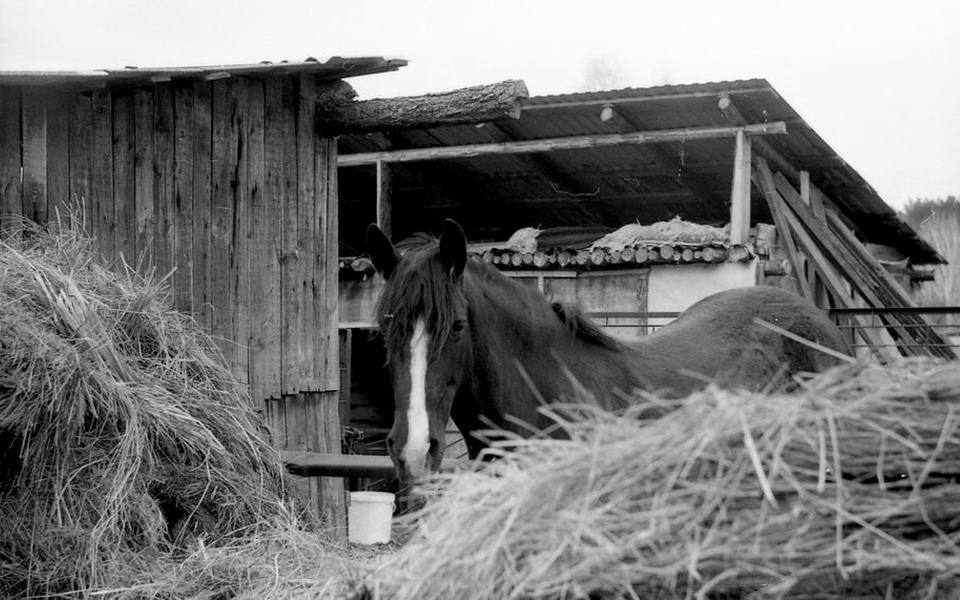
On an annualized basis, horse ownership commonly ranges from five thousand to upwards of fifteen thousand dollars for standard recreational mounts, excluding major veterinary interventions. Essential recurring categories include routine farrier care every six to eight weeks, annual vaccinations, core parasite management, seasonal deworming, and yearly dental equilibration by an equine dentist. Routine hoof trimming alone generally requires forty to sixty dollars per session, while therapeutic or full shoeing packages often reach one hundred fifty to three hundred dollars per visit.
Beyond predictable maintenance, establishing an emergency veterinary reserve fund of two to five thousand dollars is essential for responsible ownership. Common equine emergencies—such as severe impaction colic, field lacerations requiring suture repair, corneal ulcers, or sudden acute laminitis—require immediate veterinary assessment and can generate substantial hospital bills in a matter of hours. Buyers who budget strictly for feed and bedding while ignoring emergency medical contingencies frequently find themselves facing painful financial and ethical dilemmas during sudden health crises.
Navigating Boarding Expenses and Finding Low-Cost Barns
For owners who do not own rural acreage, selecting a boarding facility represents the largest recurring operational expenditure of equine management. Across the country, the average cost for horse boarding ranges widely from two hundred fifty dollars per month for bare-bones pasture accommodation to upwards of fifteen hundred dollars monthly for full-service show facilities. Full-care boarding packages generally bundle daily stall cleaning, premium grass or alfalfa hay, customized grain distribution, turnout service, and seasonal blanketing into a predictable monthly invoice.
Riders searching for low-cost horse barns typically turn to pasture board options or self-care cooperative setups to minimize monthly outflows. In a pasture boarding arrangement, horses live outdoors in herd environments with run-in sheds for weather protection, which provides natural movement and socialization while drastically reducing facility labor overhead. Self-care arrangements offer another avenue for savings, where the barn owner provides the physical stall and paddock, but the horse owner is personally responsible for purchasing feed, mucking stalls, and managing turnout twice daily.
When evaluating economy boarding options across regional markets like Texas or the Midwest, prospective boarders should thoroughly inspect facility safety rather than choosing solely on base price. High-quality fencing, secure gates, clean automatic waterers, clean pastures free of toxic weeds, and safe footing in sacrifice paddocks are non-negotiable requirements for preventing catastrophic injuries. Saving fifty dollars a month on rent is quickly erased if substandard perimeter fencing or poorly maintained barn aisles lead to severe wire cuts, structural accidents, or escaped horses.
Essential Upfront Tack and a Practical Western Saddle Fitting Guide
Acquiring a horse requires an initial equipment investment that extends well beyond the purchase price of the animal itself. Basic tack, grooming supplies, turnout halters, lead ropes, winter blankets, saddle pads, and safety helmets typically require an initial outlay of one to three thousand dollars. Among these gear investments, acquiring a properly fitted saddle is paramount, as an ill-fitting tree causes muscle atrophy, chronic soreness, behavioral resistance, and dangerous bucking or rearing episodes under saddle.
Using a comprehensive western saddle fitting guide ensures that both horse and rider remain comfortable over miles of arena work or trail riding. To check saddle fit, begin by placing the bare saddle tree or unpadded saddle directly onto the horse's back just behind the shoulder blade. Assess wither clearance; there should be approximately two to three fingers of space between the top of the withers and the saddle gullet. Furthermore, the angle of the saddle's front bars must match the slope of the horse's shoulder muscles precisely, distributing pressure evenly down the ribcage without pinching or bridging.
Evaluating tree length and balance is equally crucial when fitting western saddles, especially on short-backed breeds like Arabians, Morgans, or compact Quarter Horses. The skirts of the saddle should not extend past the horse's last rib or press painfully into the lumbar spine and hip area. After confirming fit without a pad, test the saddle with an appropriate wool felt pad and rider in place, checking for sweat patterns after light exercise; dry spots within a damp sweat mark often indicate localized pressure points that require tree adjustments, shim pads, or a different gullet width.
Therapy Horses and How to Enter Animal-Assisted Practice
Horses are increasingly valued for their therapeutic capabilities, prompting many equestrians and healthcare professionals to explore how to become an animal assisted therapist. Establishing a career in equine-assisted psychotherapy or physical hippotherapy requires a dual educational foundation encompassing human healthcare credentials and specialized equine behavioral training. Practitioners typically start by earning an accredited graduate degree in clinical mental health counseling, social work, psychology, occupational therapy, or physical therapy, obtaining standard state professional licensure before incorporating equines into their clinical treatment models.
Once professional human healthcare licensing is secure, practitioners pursue targeted industry certifications through recognized organizations like the Professional Association of Therapeutic Horsemanship International (PATH Intl.) or the Equine Assisted Growth and Learning Association (EAGALA). These educational tracks teach clinical safety protocols, equine welfare ethics, session facilitation strategies, and risk management standards. Practitioners learn to partner with certified equine specialists who handle the horses, ensuring that clinical interventions remain safe, ethical, and grounded in professional best practices.
Selecting and conditioning therapy horses requires assessing temperament above all other physical attributes. Therapy horses must possess extraordinary emotional resilience, sound biomechanics, low flight reactivity, and deep patience for irregular movements, vocal outbursts, or adaptive equipment like wheelchairs and mounting ramps. Because the work is mentally demanding for equines, programs maintain rigorous workload caps, specialized turnout schedules, and regular exercise routines at quality horse boarding facilities featuring calm environments and spacious turnouts to ensure the horses remain healthy and emotionally balanced.
Protecting Your Budget Before Signing the Bill of Sale
Before finalizing any equine transaction, conducting a formal pre-purchase veterinary examination (PPE) is the single most effective way to safeguard your investment. A standard PPE performed by an independent veterinarian typically costs between three hundred and one thousand dollars, depending on whether the buyer requests diagnostic flexion tests, distal limb radiographs, endoscopic airway evaluations, or blood work drug screenings. This examination does not generate a simple pass or fail grade; rather, it provides a comprehensive assessment of the animal's physical baseline and identifies pre-existing issues that may require expensive maintenance down the road.
In addition to veterinary screening, requesting a formal trial period or visiting the horse multiple times in varied settings provides critical insight into the animal's true temperament. Observe how the horse behaves when caught in a large pasture, tied in a cross-tie area, groomed around sensitive flanks, shod by a farrier, and loaded into an unfamiliar horse trailer. If the horse is advertised as trail-ready, ask to ride it away from the barn alone or test its composure in varied environments such as open pastures, woodlines, or facilities equipped with comprehensive indoor arenas.
Finally, ensure that all terms of the purchase are memorialized in a clearly written, signed bill of sale that outlines warranties, registration transfer timelines, and trial parameters. Verify registration paperwork with breed associations directly, confirm vaccination records, and check that the seller possesses unambiguous legal ownership of the horse without outstanding boarding or veterinary liens. Taking these disciplined steps protects your emotional and financial resources, guaranteeing that your journey into horse ownership begins on a secure, transparent, and legally sound footing.
Published 2026-09-20 · reviewed with each rebuild, last September 2026.
Find boarding stables near you
The directory lists 16,945 boarding stables by state and city — pick your state or use the “Near me” button in the header.
More guides
-
 Money
MoneyUnderstanding Monthly Horse Boarding Expenses and Stable Fees
-
 Owning
Understanding Friesian Horse Ownership: Traits, Costs, and Daily Care
-
 Owning
Understanding Riding Disciplines, Essential Tack, and the True Costs of Horse Ownership
-
 Money
MoneyUnderstanding the Costs of Getting Started in the Saddle
-
 Service
The Career Path of a Farrier: Education, Training, and Timeline
-
Owning
Choosing Between Alfalfa and Orchard Grass Hay for Horses
-
 Money
MoneyEssential Horse Ownership Expenses: Leasing, Insurance, and Maintenance
-
 Owning
Complete Guide to Cattle Breeds: Dairy vs Beef Cow Selection and Care
-
 Buying
Horse Buying Guide: Breed Selection, Market Prices, and Classifieds
-
 Owning
Small Farm Livestock Breeding: Goats, Sheep, Pigs, and Poultry
-
 Buying
Miniature Livestock Guide: Mini Cattle, Ponies, and Pocket Equines
-
 Owning
The Complete Guide to Horse Boarding, Stables, and Facilities
-
 Owning
Rubber Stall Mats and Horse Stall Flooring: A Complete Guide
-
 Buying
Guide to Horse Breeds, Breeders, and Equine Artificial Insemination
-
 Buying
Equestrian Riding Boots Buyer's Guide: Western and English Footwear
-
 Owning
Equine Health Care: Colic Signs, Deworming Charts, and Joint Supplements
-
 Owning
Complete Guide to Equine Fly Control: Sprays, Repellents, and Fly Sheets
-
 Safety
Equine Riding Helmets: Sizing, Safety Standards, and Selection Guide
-
 Service
Beach Horseback Riding and Trail Riding Tours Guide
-
 Service
Equine Training Fundamentals: Groundwork, Lunging Techniques, and Equestrian Vaulting
-
 Service
Equine-Assisted Therapy and Psychotherapy: A Practical Guide to Methods, Benefits, and Programs
-
 Buying
A Complete Guide to Buying a Horse: Breeds, Equine Sales, and Insurance
-
 Owning
Complete Guide to Horse Hoof Care, Farrier Services, and Hoof Boots
-
 Owning
A Complete Guide to Horse Grooming, Sheath Cleaning, Massage, and Routine Wellness
-
 Owning
Horse Barn Setup, Stall Infrastructure, Arenas, and Facility Equipment
-
 Buying
Beef and Dairy Cattle Breeds: Buyer's Guide, Traits, and Livestock Care
-
 Owning
Homestead Livestock Guide: Raising Sheep, Goats, Pigs, and Poultry
-
 Service
Equine Dentistry Guide: Floating Teeth, Routine Care, and Choosing a Practitioner
-
 Owning
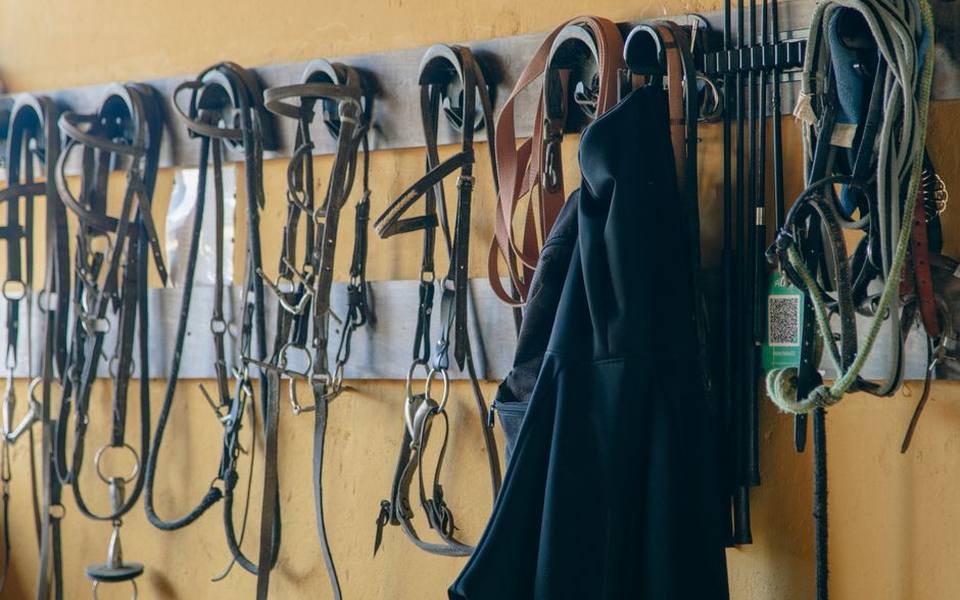
Equine Saddles and Tack Care: Selection, Fit, Cleaning, and Room Setup
-
 Owning
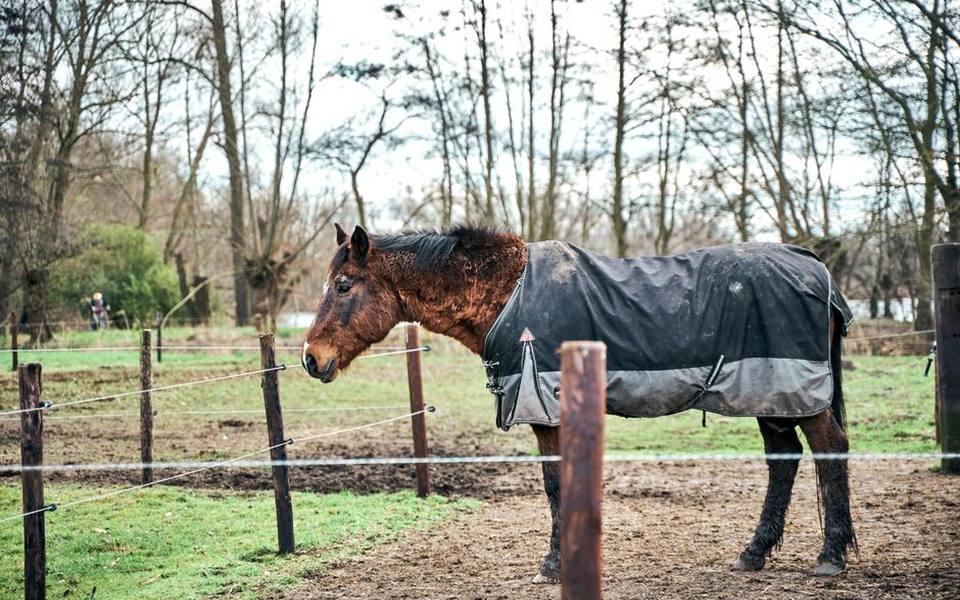
Horse Blankets and Sheet Guide: Fit, Turnout Types, and Fly Protection
-
 Safety
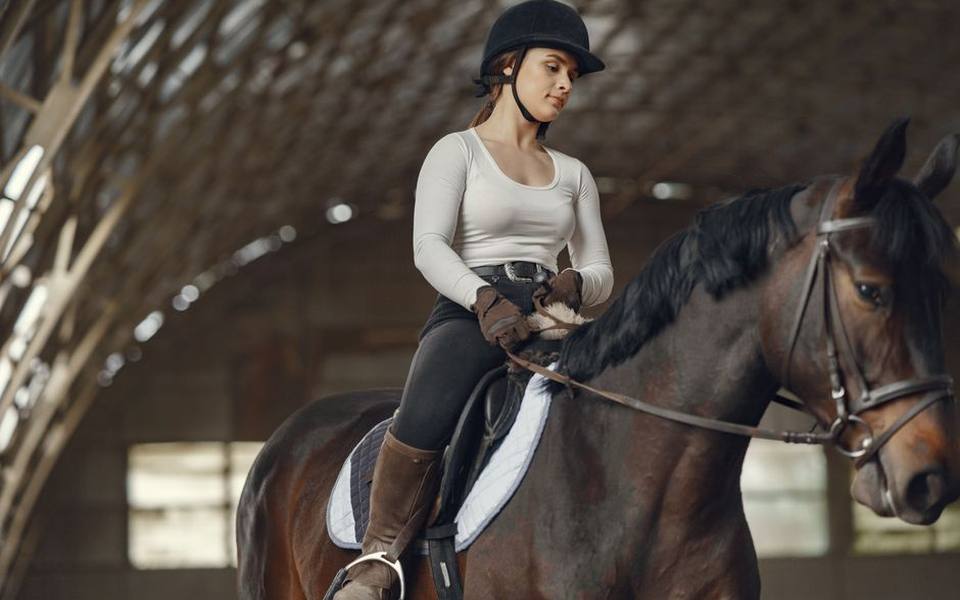
Equestrian Riding Apparel and Gear: Helmets, Boots, and Show Attire
-
 Owning
Equestrian Gift Guide: Practical and Thoughtful Presents for Horse Lovers and Riders
-
 Service
Horse Transportation Guide: Hauling Services, Trailer Rentals, and Layover Stables
-
 Owning
Designing and Managing a Boarding Stable: Facility Planning, Barn Construction, and Daily Operations
-
 Owning
Horse Health Care, Fly Control, and Preventative Vet Schedules
-
 Service
Beginner Equestrian Camps and Riding Programs: How to Choose the Right Barn
-
 Safety
A Complete Guide to Western Riding Helmets, Barn Footwear, Halters, and Hoof Gear
-
 Service
Guided Horseback Riding Tours & Vacation Stables Guide
-
 Buying
Buying and Selling Horses: Sales Auctions & Breed Marketplaces