Understanding the Nutritional Profiles of Alfalfa and Grass Hay
Choosing the right forage forms the foundation of any equine feeding program, directly influencing digestion, body condition, and overall energy levels. Horses evolved as continuous trickling grazers designed to process fibrous plants throughout the day. While commercial concentrates provide targeted vitamins and calories, long-stem forage should make up the vast majority of your horse's daily intake by weight. Choosing between a legume like alfalfa and a cool-season perennial forage like orchard grass comes down to matching energy content, protein levels, and mineral ratios with your horse's actual metabolic requirements.
Alfalfa stands out as a legume rather than a true grass, featuring significantly higher crude protein, calcium, and digestible energy per pound. Protein levels in good alfalfa typically range between 18 and 22 percent, making it an exceptional choice for lactating mares, growing youngsters, and equine athletes with heavy training schedules. The high calcium concentration also offers a natural buffering effect against gastric acid, which makes alfalfa flakes particularly popular for horses prone to ulcers or those undergoing rigorous travel and competition routines.
Orchard grass hay consists of coarse, cool-season perennial bunchgrass that provides moderate energy, balanced fiber, and lower overall protein, usually hovering between 8 and 14 percent depending on harvest timing. Because horses can consume greater bulk without taking on excess calories, orchard grass promotes steady gut motility while keeping idle or lightly worked horses occupied. Knowing what is inside orchard grass hay—primarily structural carbohydrates, digestible fiber, and balanced phosphorus—helps barn owners maintain steady digestion without triggering unnecessary weight gain or hyperactivity.
Evaluating Texture, Color, and Visual Quality
Determining forage quality requires a hands-on inspection well before you drop an entire delivery into your barn loft. Premium alfalfa features fine, supple stems surrounded by tightly attached, leafy foliage with a distinct deep green hue. If the stems feel stiff, woody, or brittle, the crop was likely cut at late maturity, which reduces digestibility and causes horses to pick out the leaves while leaving behind half the weight in coarse stalk waste.
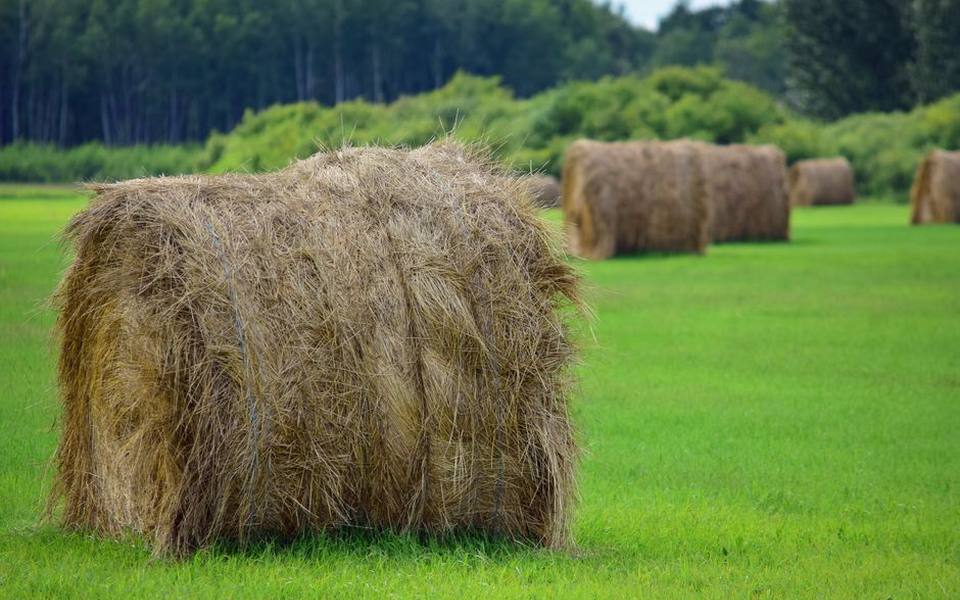
In contrast, orchard grass hay displays a distinctly different physical character characterized by wide, flat blades, soft pliable stems, and soft, compact seed heads resembling miniature panicles. High-quality orchard grass presents a soft green to light greenish-tan appearance, feeling notably softer and more compressible in your hands than timothy or mature coastal bermuda. When examining a fresh cut, look for uniform texture and leafy matter throughout rather than excessive coarse flowering stems, which indicate an overly mature cutting.
Regardless of whether you choose a legume or a grass, sensory quality checks remain critical for equine health. Every bale should smell clean, sweet, and faintly earthy, completely devoid of musty, sour, or moldy undertones that could lead to respiratory distress or colic. Break several test bales open to look for greyish dust, localized heating inside the core, or blister beetles, which can occasionally contaminate alfalfa stands in southern and midwestern climates.
Small Square Bale Pricing and Market Variations
Forage prices fluctuate constantly based on rainfall patterns, fertilizer expenses, regional shipping logistics, and cutting numbers across the season. Small two-string square bales of alfalfa typically cost between $12 and $22 per bale in major agricultural states, though prices can climb above $25 to $35 in coastal regions or areas enduring severe drought. The higher protein and energy density often means you feed fewer pounds per meal compared to grass, slightly offsetting the higher unit price.
Orchard grass pricing generally runs lower or comparable to alfalfa depending on local availability and regional hay production. In traditional hay-producing states, clean small square bales of orchard grass commonly sell between $8 and $16 per bale, while eastern or drought-prone regions might see prices reach $18 or higher. Many equine caretakers who arrange boarding through established horse boarding facilities find that boarding rates adjust seasonally to absorb these forage spikes.
When calculating your seasonal feed expenditure, always compare hay on a cost-per-ton basis rather than price per individual bale. A two-string square bale weighing 50 pounds delivers far less forage than a three-string western bale weighing 100 to 110 pounds, even if the heavier bale carries a significantly higher tag at the feed merchant. Weighing sample bales from each shipment ensures you pay for actual dry matter rather than airy packaging.
Round Bale Feasibility and Pasture Management
Utilizing large round bales can dramatically cut manual labor and lower overall feeding expenses, particularly for multiple horses turned out together. Across most rural regions, standard round bales of grass or mixed forage typically cost between $60 and $130 each, depending heavily on bale weight, cutting quality, and local harvest volume. Placing round bales on turnout pastures provides continuous forage access, mirroring natural grazing patterns while keeping herd dynamics calm around communal feeding spots.
Managing round bales for horses requires substantially more caution than feeding cattle, because trapped interior moisture can harbor deadly botulism toxins or heavy mold spores. Equine owners should insist on round bales baled dry at low moisture levels and kept under roof rather than stored uncovered outside on wet dirt. When sourcing turnout options through pasture board stables, ask property managers how frequently round bales are rotated and whether covered ring feeders are used to keep hay elevated.
Wastage represents another critical variable when feeding round forage in turnout paddocks. Without a designated slow-feed net or rigid skirted feeder, horses can trample, soil, and bed down in as much as 30 to 40 percent of the bale, entirely erasing the per-ton savings. Investing in sturdy ground ring feeders or large net covers prevents unneeded contamination and protects horses from ingesting sand or mud while foraging.
Where to Source Reliable Hay Deliveries
Securing consistent, high-grade forage requires building relationships with trustworthy local producers or established regional distributors. Local agricultural cooperatives, feed supply depots, and certified hay brokers represent the safest starting points, as they typically guarantee their loads against mold and carry consistent inventory throughout the winter. Buying directly from neighboring hay farmers straight out of the field can offer notable discounts, though it requires having immediate transport and dry barn loft storage ready.
Online regional agricultural classifieds, farm bureau bulletin boards, and equine community networks frequently list seasonal cuttings for sale. When buying from a private grower for the first time, arrange to inspect the barn in person and pull core samples before committing to a full multi-ton truckload. If you are boarding in high-density equestrian regions like horse boarding stables in California, where hay is frequently freighted from out-of-state valleys, joining a collective barn delivery can yield meaningful volume savings.
Commercial laboratory forage tests offer deep peace of mind, especially for horses with specific metabolic issues like insulin resistance or equine metabolic syndrome. A standard forage analysis reveals exact moisture levels, crude protein, digestible energy, and non-structural carbohydrates (NSC). Testing allows you to verify that orchard grass cuts stay below safe sugar thresholds or confirm that alfalfa shipments supply the mineral ratios required by your herd.
Pasture Sharing with Beef Cattle and Homestead Livestock
Many acreage owners run cattle alongside or in rotation with their horses to improve pasture management and harvest clean beef for the home freezer. Cattle possess a non-selective grazing style, wrapping their tongues around taller, coarser growth that horses generally ignore, which helps prevent rough, patchy weed overgrowth. Choosing the best cow breed for meat production depends on your land, though hardy British breeds like Black Angus and Hereford excel on pasture-only regimens without requiring costly grain inputs.
When adding beef cattle to your acreage, budgeting for initial stock requires understanding livestock auction trends. A healthy, weaned heifer or steer calf typically commands a starting price between $1,200 and $2,200 depending on lineage, weight, and market demand, while breeding-age Hereford stock or cow-calf pairs can run $2,500 to $4,000 in most livestock auctions. The calm temperament of Herefords makes them especially well-suited for shared family acreage alongside recreational horses.
Rotational co-grazing offers powerful biological parasite management because equine and bovine intestinal worms generally do not cross-infect between species. Cattle ingest equine strongyle larvae from the turf without harm, breaking the parasite cycle naturally and reducing chemical deworming needs across your paddocks. Just be sure paddock perimeters feature sturdy four-strand fencing and secure latches that can withstand the rubbing weight of stocky beef cattle.
Pasture Comfort and Summer Pest Defense
Turnout on lush orchard grass pastures during warm months brings natural insect pests that can irritate skin and trigger painful pasture allergies. Equine sweet itch, caused by biting midges, and painful attacks from deer flies frequently drive sensitive horses to rub their manes and tails raw against fence posts. Providing dependable physical barriers during turnout keeps horses relaxed and allows them to graze comfortably through peak insect hours.
Selecting protective seasonal gear requires balancing durability with airflow in warm, humid weather. The best fly sheets for horses utilize breathable, tightly woven mesh fabrics like ripstop polyester or vinyl-coated screen material that shields against ultraviolet rays while resisting tears from field play. Features like shoulder gussets, wide belly bands, and extended tail flaps ensure complete coverage and prevent painful sores or chafing during turnout.
Routine pasture maintenance also reduces the overall insect load surrounding your turnout pens. Dragging pastures during warm, dry afternoons spreads manure piles out so larvae desiccate in the sun rather than hatching into biting swarms. Additionally, keeping stock tanks scrubbed clean and ensuring low-lying areas drain properly limits standing water where mosquitoes and biting gnats reproduce.
Budgeting for Riding Tack and Everyday Equipment
Feeding and housing represent continuing operational expenses, but acquiring essential riding gear makes up a major part of your overall initial horse budget. A comfortable, well-balanced saddle that fits both horse and rider comfortably is essential for sound, pain-free performance. A brand-new entry-level leather saddle typically costs between $600 and $1,200, while well-crafted intermediate brands generally range from $1,800 to $3,500, and premium custom handmade models can easily exceed $5,000 depending on leather grade and tree adjustments.
New riders often find synthetic trail and all-around saddles to be an economical, weather-resistant starting point. Quality synthetic saddles generally cost between $350 and $750, offering easy hose-and-wipe cleaning and lightweight handling that benefits both young riders and older horses. When shopping for horses for sale, avoid purchasing a high-end saddle until you have selected a specific mount, as wither shape and spinal clearance differ radically between individuals.
Do not overlook secondary tack necessities when outlining your gear expenditures. Quality leather bridles, non-pinching bits, durable cinch straps, saddle pads, and stirrup leathers usually add another $300 to $600 to your startup kit. Selecting well-made, repairable leather goods and conditioning them regularly ensures your tack remains supple and safe through years of wet weather and daily riding.
Rider Apparel and Beginner Footwear Essentials
Equipping yourself properly ensures comfort in the stirrups while preventing catastrophic accidents around heavy barn animals. Sturdy footwear ranks as the single most critical personal safety item for any equitation newcomer, whether handling chores in the barn or mounting for a trail ride. Proper riding boots must feature a distinct heel of at least one inch to prevent your foot from sliding completely through the stirrup iron during an unexpected stop.
When choosing horse riding boots for beginners, durable leather paddock boots paired with breathable half chaps offer the best blend of flexibility, ankle support, and wallet-friendly convenience. Quality starter paddock boots typically cost between $60 and $150 in synthetic or cowhide builds, making them significantly more accessible than custom tall boots that can easily run upwards of $400 to $800. Beginners taking their first horse riding lessons will appreciate the everyday comfort of paddock boots during unmounted horsemanship and grooming sessions.
Combine proper boots with a certified ASTM/SEI riding helmet, comfortable stretch schooling tights or breeches, and textured all-weather gloves. Proper gloves prevent blistered fingers and maintain a firm grip on the reins even when sweating on humid afternoons. Investing in reliable personal protective gear builds confidence from your first day in the saddle without requiring excessive expenditure.
Facility Infrastructure and All-Weather Arenas
Unpredictable weather frequently disrupts consistent riding and training routines unless your property includes dedicated, sheltered work areas. Installing an all-weather covered arena represents a substantial capital project that delivers year-round utility regardless of heavy winter downpours or blistering summer heat. A standard covered steel clear-span arena structure typically costs between $15 and $40 per square foot for basic building framing and roofing materials alone, depending on engineering requirements.
Total installed expenses—including site excavation, footings, engineered footing sand, perimeter kick walls, LED lighting, and drainage grading—frequently range from $80,000 to over $250,000 for a modest 60 by 120 foot riding shelter. For many recreational owners, seeking out private stables with indoor arenas proves far more cost-effective than undertaking the zoning, site preparation, and engineering permitting required for a private structure.
Even without a full covered arena, investing in sound footing and simple drainage improvements pays dividends for your horses' soundness. Elevating high-traffic paddock gateways with crushed rock bases and geotextile fabric keeps horses out of standing mud, which drastically reduces incidence of thrush and pulled suspensory ligaments. Simple shelter options like three-sided run-in sheds offer practical, budget-friendly refuge from driving winds and relentless sun.
Building a Sustainable Feeding Program for Your Horse
Deciding between alfalfa and orchard grass ultimately rests on evaluating your horse's individual body condition score, daily workload, and underlying metabolic profile. Hard-keeping thoroughbreds, senior horses with dental wear, and horses working in vigorous athletic disciplines thrive on the concentrated calories, high calcium, and muscle-repairing amino acids of rich alfalfa. Meanwhile, easy-keeping quarter horses, ponies, and pasture companions do far better on a baseline of clean orchard grass that fulfills their psychological need to chew without packing on harmful crest fat.
Many experienced barn managers utilize a blended forage strategy to capture the distinct nutritional benefits of both hay types. Feeding orchard grass hay free-choice or in multiple small meals throughout the day keeps the digestive tract active, while supplementing with two or three flakes of premium alfalfa in the evening provides needed protein and supports stomach lining health. This combination balances metabolic safety with satisfying physical bulk.
Keep a reliable hanging luggage scale inside your feed room so you can weigh every hay ration rather than guessing flake volumes by eye. Flake density varies considerably between balers, cutting batches, and forage species, making visual estimation wildly unreliable. By measuring your forage accurately and adjusting portions as seasonal temperatures shift, you will keep your horse fit, sound, and content across every season.
Published 2026-09-20 · reviewed with each rebuild, last September 2026.
Find boarding stables near you
The directory lists 16,945 boarding stables by state and city — pick your state or use the “Near me” button in the header.
More guides
-
 Money
MoneyUnderstanding Monthly Horse Boarding Expenses and Stable Fees
-
 Owning
Understanding Friesian Horse Ownership: Traits, Costs, and Daily Care
-
 Owning
Understanding Riding Disciplines, Essential Tack, and the True Costs of Horse Ownership
-
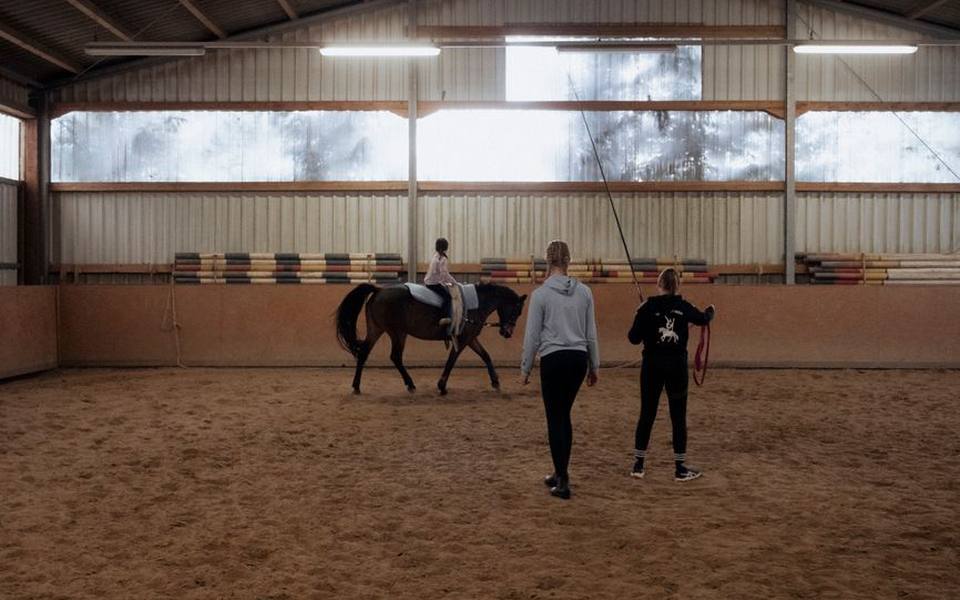 Money
MoneyUnderstanding the Costs of Getting Started in the Saddle
-
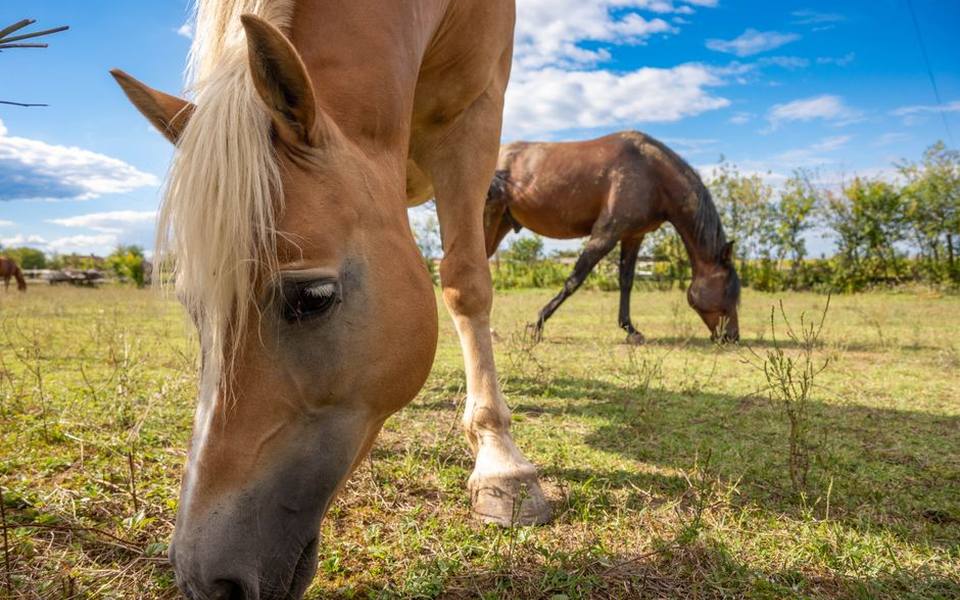 Buying
Understanding Initial Horse Purchase Prices by Breed, Size, and Training
-
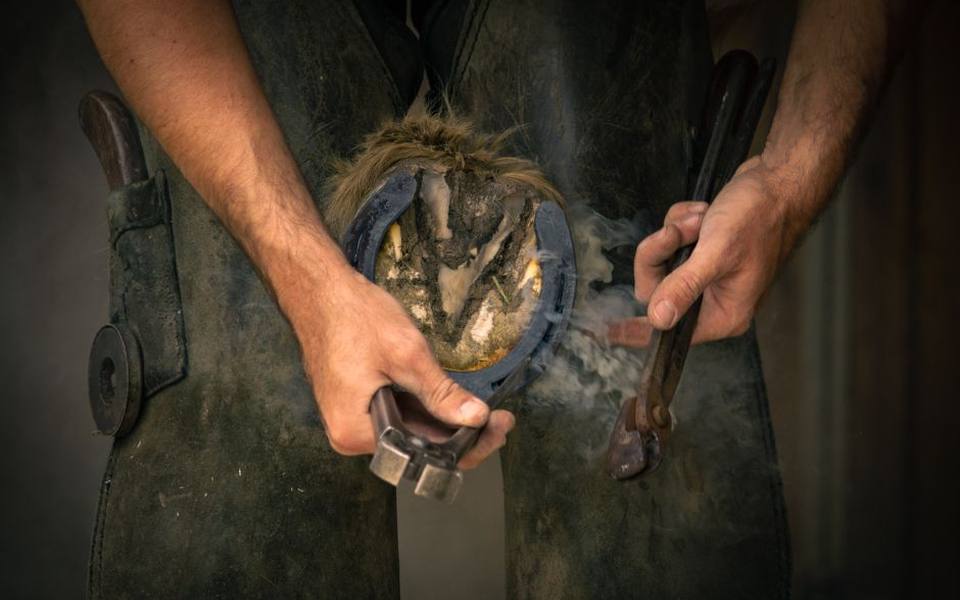 Service
The Career Path of a Farrier: Education, Training, and Timeline
-
 Money
MoneyEssential Horse Ownership Expenses: Leasing, Insurance, and Maintenance
-
 Owning
Complete Guide to Cattle Breeds: Dairy vs Beef Cow Selection and Care
-
 Buying
Horse Buying Guide: Breed Selection, Market Prices, and Classifieds
-
 Owning
Small Farm Livestock Breeding: Goats, Sheep, Pigs, and Poultry
-
 Buying
Miniature Livestock Guide: Mini Cattle, Ponies, and Pocket Equines
-
 Owning
The Complete Guide to Horse Boarding, Stables, and Facilities
-
 Owning
Rubber Stall Mats and Horse Stall Flooring: A Complete Guide
-
 Buying
Guide to Horse Breeds, Breeders, and Equine Artificial Insemination
-
 Buying
Equestrian Riding Boots Buyer's Guide: Western and English Footwear
-
 Owning
Equine Health Care: Colic Signs, Deworming Charts, and Joint Supplements
-
 Owning
Complete Guide to Equine Fly Control: Sprays, Repellents, and Fly Sheets
-
 Safety
Equine Riding Helmets: Sizing, Safety Standards, and Selection Guide
-
 Service
Beach Horseback Riding and Trail Riding Tours Guide
-
 Service
Equine Training Fundamentals: Groundwork, Lunging Techniques, and Equestrian Vaulting
-
 Service
Equine-Assisted Therapy and Psychotherapy: A Practical Guide to Methods, Benefits, and Programs
-
 Buying
A Complete Guide to Buying a Horse: Breeds, Equine Sales, and Insurance
-
 Owning
Complete Guide to Horse Hoof Care, Farrier Services, and Hoof Boots
-
 Owning
A Complete Guide to Horse Grooming, Sheath Cleaning, Massage, and Routine Wellness
-
 Owning
Horse Barn Setup, Stall Infrastructure, Arenas, and Facility Equipment
-
 Buying
Beef and Dairy Cattle Breeds: Buyer's Guide, Traits, and Livestock Care
-
 Owning
Homestead Livestock Guide: Raising Sheep, Goats, Pigs, and Poultry
-
 Service
Equine Dentistry Guide: Floating Teeth, Routine Care, and Choosing a Practitioner
-
 Owning
Equine Saddles and Tack Care: Selection, Fit, Cleaning, and Room Setup
-
 Owning
Horse Blankets and Sheet Guide: Fit, Turnout Types, and Fly Protection
-
 Safety
Equestrian Riding Apparel and Gear: Helmets, Boots, and Show Attire
-
 Owning
Equestrian Gift Guide: Practical and Thoughtful Presents for Horse Lovers and Riders
-
 Service
Horse Transportation Guide: Hauling Services, Trailer Rentals, and Layover Stables
-
 Owning
Designing and Managing a Boarding Stable: Facility Planning, Barn Construction, and Daily Operations
-
 Owning
Horse Health Care, Fly Control, and Preventative Vet Schedules
-
 Service
Beginner Equestrian Camps and Riding Programs: How to Choose the Right Barn
-
 Safety
A Complete Guide to Western Riding Helmets, Barn Footwear, Halters, and Hoof Gear
-
 Service
Guided Horseback Riding Tours & Vacation Stables Guide
-
 Buying
Buying and Selling Horses: Sales Auctions & Breed Marketplaces