Why Certified Equestrian Headgear Is Non-Negotiable
A dedicated horse riding helmet is engineered for unique impact scenarios that standard bicycle, skiing, or skateboarding helmets are never designed to handle. Equine falls typically involve greater fall heights—often eight to ten feet above the ground—combined with forward velocity and the unpredictable risk of an errant hoof strike. Equestrian head protection incorporates a rigid outer shell to distribute direct blunt force and a dense layer of expanded polystyrene designed to crush upon impact, decelerating the head before trauma reaches the brain.
Relying on non-equine protective gear leaves riders vulnerable during an unexpected tumble or sudden refusal at a jump. Bike helmets, for instance, prioritize lightweight forward ventilation and are tested primarily for frontal impacts on flat pavement at lower drops. By contrast, a proper horseback helmet features comprehensive coverage extending down the occipital bone at the back of the skull, protecting vital cranial structures from uneven footing, fence rails, or arena kickboards.
Whether you are preparing for your very first session in horse riding lessons or schooling seasoned mounts every afternoon, wearing an approved helmet is standard barn protocol nationwide. Most professional facilities require all riders to wear headgear whenever mounted, and many enforce the same rule during groundwork, longeing, or trailering. The peace of mind provided by proper gear allows you to concentrate entirely on your balance and communication with your horse.
Safety Certifications and Impact Testing Standards
When browsing equestrian riding helmets, the most critical detail is the safety certification label sewn inside the crown. In the United States, look for the ASTM F1163 standard paired with the SEI certification seal, which verifies that an independent laboratory tested production samples for penetration resistance, retention strap strength, and impact deceleration. European imports often carry the VG1 standard or the updated EN 1384 ratings, and helmets with dual or triple certifications provide rigorous protection backed by international oversight.
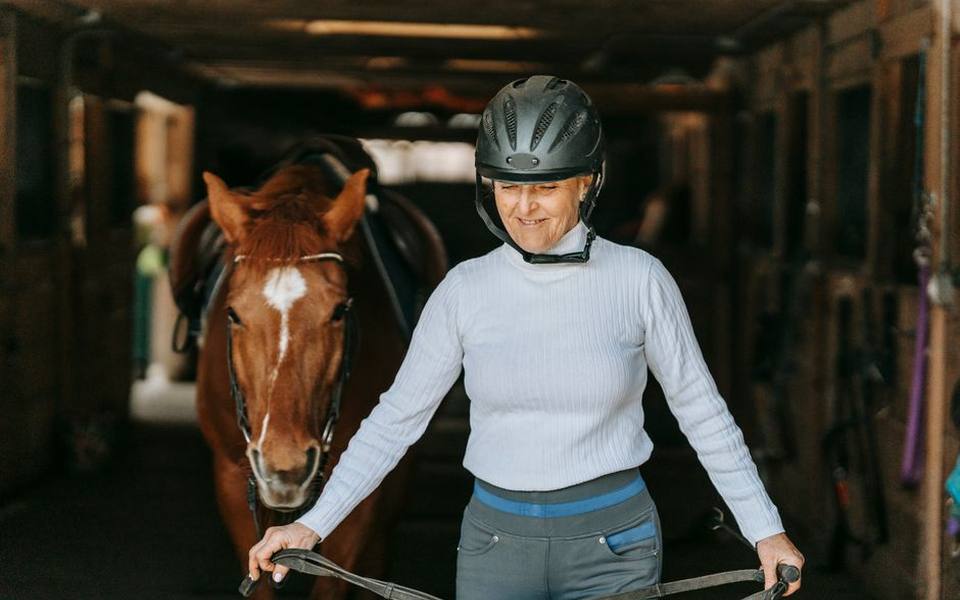
Modern equine riding helmets increasingly incorporate multi-directional impact protection systems, commonly referred to as rotational safety technology. Traditional testing measures linear, straight-on drops onto flat and hazard anvils, but real-world falls almost always introduce rotational torque as the rider slides or tumbles across dirt. Low-friction interior layers allow the helmet shell to rotate several millimeters relative to the head during an angled impact, significantly reducing rotational forces transferred to delicate brain tissue.
Price variations across models usually reflect shell finishes, ventilation ducting, and lightweight composite materials rather than a gap in baseline crash safety. An entry-level schooling helmet and an ultra-premium show ring model must both satisfy the exact same ASTM/SEI baseline requirements before reaching store shelves. Paying more buys enhanced comfort, tailored liners, and sleeker aesthetics, but the structural core of any certified equine helmet is held to the same life-saving threshold.
Measuring Your Head Circumference and Understanding Shape
Finding an accurate fit begins with taking an exact skull measurement using a flexible tailor's tape. Wrap the tape around the widest part of your head, resting it roughly one inch above your eyebrows and passing just above your ears over the bump on the back of your skull. Take this measurement two or three times in centimeters to ensure total consistency, as most helmet sizing charts rely directly on metric increments for precision.
Beyond raw circumference, your head shape dictates how comfortably an equestrian helmet will rest on your brow. Human heads generally fall into round-oval or long-oval profiles, and wearing the wrong profile leads to common fitting failures. If a helmet is too round for a long-oval head, it will pinch tightly against the forehead and back of the head while leaving open gaps on the sides, which compromises stability during sudden motion.
Conversely, placing a round head inside an oval-profile shell results in uncomfortable pressure right above the temples while the front of the helmet may wobble forward. Many riders mistakenly assume they need a larger size when experiencing forehead headaches, when they actually need a different shell geometry. Exploring multiple brands helps identify which manufacturer's interior molds match your natural cranial contours.
Performing the On-Head Fit and Stability Checks
Once you place a riding helmet on your head without fastening the chin strap, it should feel uniformly snug without localized pressure points. The brim should sit level across your forehead, approximately one to two finger-widths above your eyebrows, rather than tilting back like a cap. If the brim slips down toward your eyes or exposes your upper forehead, the profile does not align with your facial anatomy.
To verify stability, gently grasp the brim with both hands and rock the shell up and down as well as side to side. Your scalp and eyebrows should move in unison with the helmet; if the interior padding slides freely across your hair or skin, the shell is too large. Next, bend forward from your waist with the harness completely unbuckled and shake your head gently—a properly fitted shell will remain securely in place without dropping off.
Finally, examine the chin harness and rear retention strap to make sure they hold the helmet steady without choking your throat. The side straps should form a clean 'V' shape just beneath each earlobe without rubbing against the cartilage. You should be able to slide one finger between the fastened chin strap and your throat, allowing enough freedom to swallow, speak, and breathe comfortably while riding.
Selecting Helmets for Children and Growing Riders
Fitting a childrens riding helmet requires strict adherence to safety principles, especially the rule against buying oversized gear for youngsters to 'grow into.' An oversized horse helmet can slide backward during a fall, exposing the forehead, or slip forward over the child's eyes mid-ride, causing immediate panic and loss of steering control. Children need the same snug, eyebrow-gripping fit as adult riders to ensure complete crash energy management.
Many parents participating in youth horseback riding classes choose dial-fit systems for their youngsters. Dial-adjustable models feature an internal ratcheting cradle that tightens or loosens the inner circumference by a few centimeters, accommodating minor seasonal hair changes and gradual head growth while maintaining structural safety. This adjustability makes a childrens horse riding helmet both economical and secure during early developmental riding stages.
Weight is another vital consideration for pediatric equestrians whose neck musculature is still developing. A heavy shell can strain a young child's cervical spine, particularly during rising trot work or extended schooling sessions. Look for lightweight, ventilated youth models with removable, washable foam padding that can handle the sweat, sunscreen, and barn dirt that inevitably accompany pony lessons.
Shell Styles and Discipline-Specific Requirements
Different equestrian disciplines place distinct demands on helmet aesthetics, airflow, and structural coverage. Schooling riders and everyday equestrians training in an indoor arena often favor low-profile, matte composite shells equipped with generous mesh air channels. These lightweight designs circulate air continuously across the crown, preventing heat exhaustion during intensive flatwork or jumping clinics in warm weather.
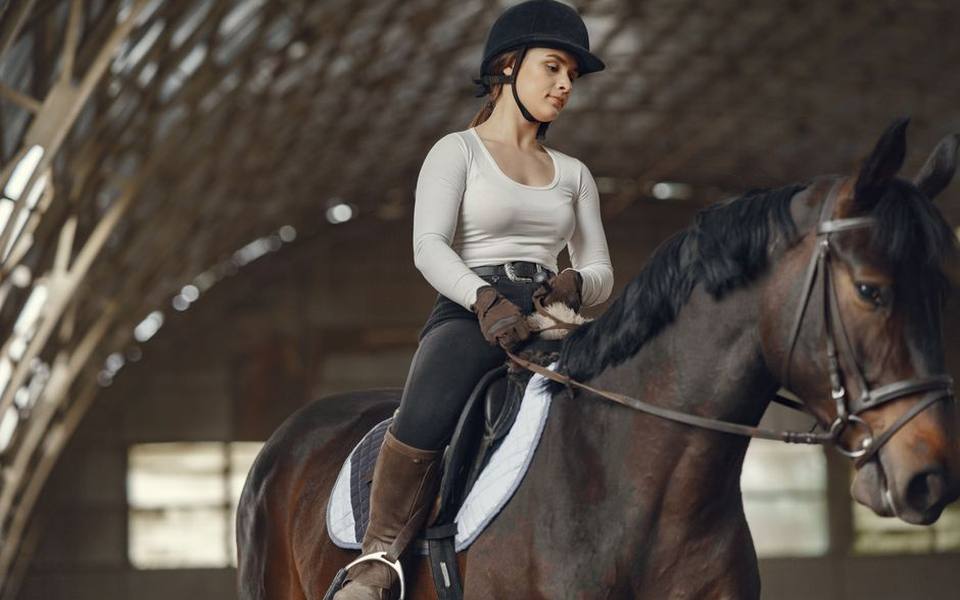
Traditional show rings, particularly in hunter and equitation divisions, strictly favor understated, conservative headwear. Velvet coverings, refined matte black finishes, and subtle synthetic leather harnesses dominate these arenas, where judges expect a clean, seamless silhouette that does not distract from the horse's performance. Jumpers and eventers, meanwhile, enjoy broader freedom to incorporate carbon-fiber accents, high-gloss piping, and customized shell colors.
Cross-country riders tackle solid timber obstacles and water jumps at speed, making headgear stability and uninhibited peripheral vision vital. Many eventers choose round-profile skull caps without fixed sun visors, pairing them with flexible silk covers. A breakaway or flexible peak is critical over cross-country terrain because a rigid brim could catch on turf or branches during a tumble, transmitting sudden rotational hyperextension forces into the rider's neck.
Premium Features and Modern Comfort Systems
In recent years, the market for horseback riding helmets has evolved toward modular, customizable comfort systems. High-end European manufacturers, exemplified by brands like Samshield, popularized the concept of interchangeable, snap-in memory foam liners. Instead of discarding a helmet because of minor padding compression or localized sweat odor, riders can simply detach the liner, wash it in a gentle laundry cycle, or replace it with a slightly thicker insert for a custom contour.
Advanced ventilation engineering is another hallmark of modern premium headwear. Rather than relying on simple exterior holes, high-performance equestrian riding helmets utilize internal intake channels molded directly into the expanded polystyrene core. Air enters through front intake ports, travels over the top of the skull through internal channels, and vents out the rear, evaporating moisture without allowing barn debris or rain to penetrate the shell.
Customization options also extend to shell finishes, real leather harnesses, and personalized top panels featuring alcantara, crystal accents, or textured reptile prints. While these bespoke styling features add zero impact resistance compared to standard baseline models, they allow serious competitors to match their personal turnout across jackets, boots, and saddle pads while riding in certified comfort.
Managing Hair, Harness Adjustments, and Ponytail Cutouts
How you style your hair has a direct effect on helmet sizing and impact stability. Jamming thick hair or a heavy ponytail up inside the crown of an equine helmet changes the fit entirely, forcing you into a larger shell size that will sit loose and unstable whenever your hair is worn down. If you compete in disciplines requiring hair to be tucked under the helmet, always measure and try on models with your hair styled exactly as it will be in the show ring.
Many riders who school horses at local horse boarding facilities prefer wearing a low ponytail or braided plait at the base of the neck. Modern helmet designers have responded by sculpting rear harnesses with dedicated ponytail channels, allowing hair to exit cleanly below the retention cradle without pushing the helmet forward onto the bridge of the nose.
Before every ride, check that the harness keeps the helmet stable through dynamic movements. The chin strap should sit comfortably against the jawbone rather than resting across the front of the chin, and the rear stabilizer should cradle the lower curve of the skull. A well-adjusted harness prevents the helmet from shifting backward when galloping open stretches or cantering through wooded turns on local boarding stables with trail access.
When to Retire and Replace an Equestrian Helmet
Every horseback helmet operates on a strict single-impact safety premise. The expanded polystyrene liner inside the shell protects your skull by crushing microscopically upon impact, absorbing kinetic energy that would otherwise fracture bone or concuss brain tissue. Once compressed, this internal foam never bounces back or regains its shock-absorbing capacity, even if the exterior shell appears completely undamaged without a single visible scratch.
If you fall and strike your head—or if your helmet drops from the top of a tack locker onto hard concrete—the helmet must be retired and replaced immediately. Many manufacturers offer post-crash replacement programs that provide a substantial discount on a new helmet upon submitting the damaged unit for destructive lab analysis. Never gamble with a used or previously crashed helmet, as invisible internal fractures render it functionally useless in a subsequent fall.
Even without an impact, environmental factors gradually degrade protective headgear over time. Exposure to ambient heat, sweat acids, hair care chemicals, and ultraviolet sunlight breaks down synthetic adhesives and foam polymers over years of regular use. As a standard safety baseline, industry manufacturers and safety organizations recommend replacing active riding helmets every five years from their manufacture date, regardless of physical condition.
Routine Maintenance, Cleaning, and Barn Storage
Proper daily care preserves both the cosmetic appearance and structural integrity of your helmet. After a warm schooling session, avoid sealing a damp helmet inside an airtight tack trunk where mildew and bacterial odors thrive. Instead, let the helmet air-dry in a cool, well-ventilated tack room away from direct sunlight, and periodically wipe the exterior shell with a soft microfiber cloth dampened with plain water.
Never subject equestrian helmets to harsh household chemicals, degreasers, or solvent-based sprays, which can chemically dissolve the inner polystyrene liner without leaving obvious surface clues. If your helmet features a removable fabric liner, wash it regularly by hand or on a delicate cycle in a mesh laundry bag using mild detergent, then air-dry it completely before snapping it back into the shell.
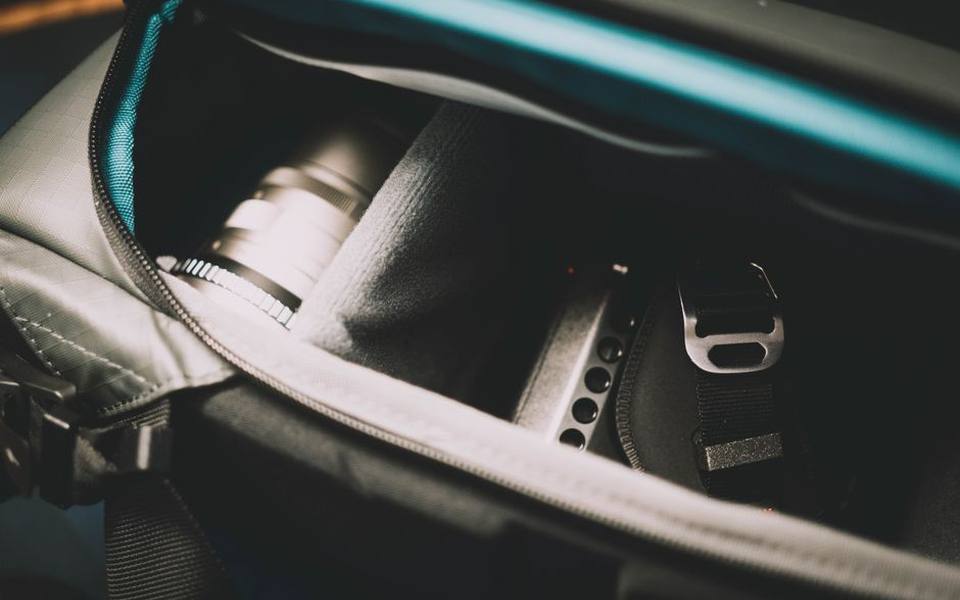
When traveling to shows or clinics, transport your headgear inside a padded helmet bag to protect delicate velvet or high-gloss shells from abrasions, zipper snags, and accidental drops. Most importantly, never leave your helmet sitting on the dashboard or inside the trunk of a vehicle parked in the summer heat; automotive interior temperatures can easily exceed levels capable of warping the outer shell and melting protective internal adhesives.
Published 2026-09-20 · reviewed with each rebuild, last September 2026.
Find boarding stables near you
The directory lists 16,945 boarding stables by state and city — pick your state or use the “Near me” button in the header.
More guides
-
 Money
MoneyUnderstanding Monthly Horse Boarding Expenses and Stable Fees
-
 Owning
Understanding Friesian Horse Ownership: Traits, Costs, and Daily Care
-
 Owning
Understanding Riding Disciplines, Essential Tack, and the True Costs of Horse Ownership
-
 Money
MoneyUnderstanding the Costs of Getting Started in the Saddle
-
 Buying
Understanding Initial Horse Purchase Prices by Breed, Size, and Training
-
 Service
The Career Path of a Farrier: Education, Training, and Timeline
-
Owning
Choosing Between Alfalfa and Orchard Grass Hay for Horses
-
 Money
MoneyEssential Horse Ownership Expenses: Leasing, Insurance, and Maintenance
-
 Owning
Complete Guide to Cattle Breeds: Dairy vs Beef Cow Selection and Care
-
 Buying
Horse Buying Guide: Breed Selection, Market Prices, and Classifieds
-
 Owning
Small Farm Livestock Breeding: Goats, Sheep, Pigs, and Poultry
-
 Buying
Miniature Livestock Guide: Mini Cattle, Ponies, and Pocket Equines
-
 Owning
The Complete Guide to Horse Boarding, Stables, and Facilities
-
 Owning
Rubber Stall Mats and Horse Stall Flooring: A Complete Guide
-
 Buying
Guide to Horse Breeds, Breeders, and Equine Artificial Insemination
-
 Buying
Equestrian Riding Boots Buyer's Guide: Western and English Footwear
-
 Owning
Equine Health Care: Colic Signs, Deworming Charts, and Joint Supplements
-
 Owning
Complete Guide to Equine Fly Control: Sprays, Repellents, and Fly Sheets
-
 Service
Beach Horseback Riding and Trail Riding Tours Guide
-
 Service
Equine Training Fundamentals: Groundwork, Lunging Techniques, and Equestrian Vaulting
-
 Service
Equine-Assisted Therapy and Psychotherapy: A Practical Guide to Methods, Benefits, and Programs
-
 Buying
A Complete Guide to Buying a Horse: Breeds, Equine Sales, and Insurance
-
 Owning
Complete Guide to Horse Hoof Care, Farrier Services, and Hoof Boots
-
 Owning
A Complete Guide to Horse Grooming, Sheath Cleaning, Massage, and Routine Wellness
-
 Owning
Horse Barn Setup, Stall Infrastructure, Arenas, and Facility Equipment
-
 Buying
Beef and Dairy Cattle Breeds: Buyer's Guide, Traits, and Livestock Care
-
 Owning
Homestead Livestock Guide: Raising Sheep, Goats, Pigs, and Poultry
-
 Service
Equine Dentistry Guide: Floating Teeth, Routine Care, and Choosing a Practitioner
-
 Owning
Equine Saddles and Tack Care: Selection, Fit, Cleaning, and Room Setup
-
 Owning
Horse Blankets and Sheet Guide: Fit, Turnout Types, and Fly Protection
-
 Safety
Equestrian Riding Apparel and Gear: Helmets, Boots, and Show Attire
-
 Owning
Equestrian Gift Guide: Practical and Thoughtful Presents for Horse Lovers and Riders
-
 Service
Horse Transportation Guide: Hauling Services, Trailer Rentals, and Layover Stables
-
 Owning
Designing and Managing a Boarding Stable: Facility Planning, Barn Construction, and Daily Operations
-
 Owning
Horse Health Care, Fly Control, and Preventative Vet Schedules
-
 Service
Beginner Equestrian Camps and Riding Programs: How to Choose the Right Barn
-
 Safety
A Complete Guide to Western Riding Helmets, Barn Footwear, Halters, and Hoof Gear
-
 Service
Guided Horseback Riding Tours & Vacation Stables Guide
-
 Buying
Buying and Selling Horses: Sales Auctions & Breed Marketplaces