What It Takes to Enter the Farrier Trade
Becoming a farrier requires a rare combination of physical endurance, deep equine knowledge, and metalworking precision. Unlike many medical or veterinary professions, there is no federal mandate in the United States dictating a universal license to practice hoof care. However, stepping under a thousand-pound animal with a burning rasp requires thorough preparation, making structured education and years of mentorship the actual standard for anyone seeking a sustainable career in the trade.
Most successful practitioners begin by understanding horse handling and basic equine behavior before they ever touch an anvil. Working safely around horses requires an instinctive ability to read an animal's body language, anticipate sudden shifts in balance, and manage nervous or untrained stock. If you have spent little time around equine barns, volunteering or working at local stables offers essential foundational grounding before investing in formal trade school tuition.
The day-to-day reality of the work involves heavy physical labor in all weather conditions, from unheated winter barns to sweltering summer pasture runs. A working farrier routinely lifts heavy legs, balances awkward weights, and absorbs sudden movements while maintaining steady hand control over sharp knives and hot steel. Cultivating proper posture, core strength, and spinal mechanics early on is what keeps a professional working comfortably across decades rather than burning out in a few seasons.
Hoof Care Schooling and the Initial Timeline
A common question newcomers ask is how long does it take to become a farrier, and the short answer typically spans from two to five years to reach true professional independence. The formal educational phase is comparatively short, with introductory trade courses running anywhere from eight weeks for foundational trimming programs to thirty-six weeks for comprehensive blacksmithing and therapeutic shoeing curricula. These programs focus heavily on lower-limb equine anatomy, bone alignment, biomechanics, forge work, and pathological trimming.
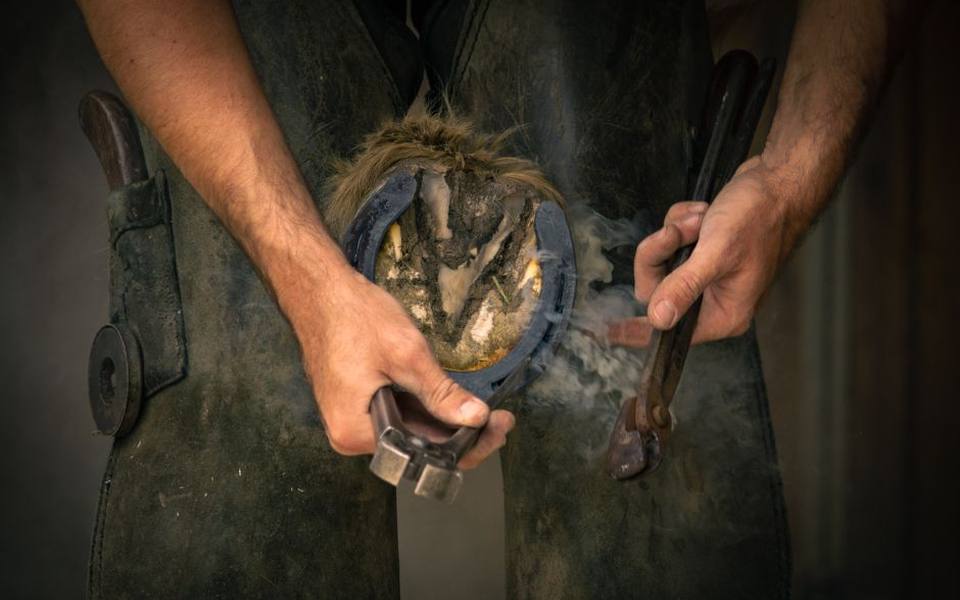
Choosing an accredited or reputable school provides structured classroom theory alongside live-horse forge experience under seasoned instructors. In these early months, students learn the intricate geometry of the hoof capsule, studying the digital cushion, coffin bone, and deep digital flexor tendon to understand how millimeter adjustments alter joint movement. Students spend long hours shaping plain bar stock into functional front and hind shoes, mastering basic anvil hammer blows, heat control, and tool maintenance.
Graduating from a trade academy marks the starting line rather than the finish of your education. While an intensive school certificate proves you understand the concepts and can shape a shoe to fit a foot, it does not provide the sheer repetition needed to read hundreds of subtle gait irregularities. Most graduates exit school equipped with basic competencies, ready to join a seasoned mentor who can guide them through real-world client management and varied barn environments.
The Apprenticeship Years and Practical Experience
Following initial academy training, the next step on how to become a farrier involves securing an apprenticeship or mentorship with an established practitioner. Working as an apprentice typically lasts between two and four years, during which you pull shoes, finish hoof walls, handle anxious horses, and observe how complex soundness issues are treated. This period teaches critical pacing and situational judgment that simply cannot be replicated inside a sterile classroom setting.
Mentors expose apprentices to a broad cross-section of equestrian disciplines, ranging from busy show circuits to quiet backyard boarding setups. You will learn how footing differences—such as packed dirt, turf, or modern synthetic footing inside an indoor arena—affect shoe wear, traction requirements, and joint concussion. Learning to converse respectfully with horse owners, barn managers, and attending veterinarians is just as crucial as mastering the driving of nails.
Financial expectations during this apprenticeship phase must remain realistic, as entry-level helpers typically earn modest day rates or hourly stipends while learning. Many apprentices take supplemental barn shifts or weekend farm work to maintain steady cash flow while building their hand speed and stamina. By the third year of working under supervision, an apprentice is usually capable of handling routine trims and cold resets independently, gradually preparing to launch their own route.
Tooling Up and the Cost of Setting Up a Mobile Rig
Launching an independent farrier practice demands a serious capital investment in specialized tools, forging equipment, and a reliable work vehicle. A mobile setup generally centers around a customized truck, walk-in trailer, or heavy van outfitted with an anvil stand, propane forge, drill press, grinder, and organized shoe racks. Quality hand tools, including nippers, rasps, hoof knives, driving hammers, and clinchers, represent precision instruments that require ongoing maintenance and frequent replacement.
When calculating startup costs, new practitioners are often startled by the total figure required to outfit an efficient mobile workshop. To put the investment in perspective, budgeting for top-tier professional rigs often parallels major high-dollar luxury splurges; people debating how much are world series tickets for premium box seats might find that a couple of championship passes cost nearly the same as a professional-grade rounding anvil, propane forge, and introductory inventory of steel stock. Treating your equipment choices as a long-term business asset ensures you do not waste funds on fragile entry-level tools.
Beyond hardware, a beginner must budget for general commercial liability insurance, vehicle fuel, and replacement consumables like propane, nails, pads, and adhesives. Because traveling between properties consumes a large portion of the workday, establishing a sensible geographical radius protects your profit margins from unnecessary windshield time. Successful practitioners plan their service routes tightly, grouping neighboring barns on designated days to keep vehicle wear and fuel overhead reasonable.
Navigating Varied Client Stock and General Equine Values
As you establish a service route, you will encounter horses across an immense spectrum of athletic value, temperament, and pedigree. Understanding general horse price trends helps you grasp the financial and emotional stakes your clients carry into every appointment. A reliable family trail mount kept on pasture board might carry a modest four-figure market value, yet hold irreplaceable sentimental worth for its owner.
Conversely, competitive performance animals boarding at premier horse boarding facilities often involve five-figure or six-figure investments where subtle balance changes affect competition placings. Farriers who recognize these dynamics communicate with heightened care, taking time to discuss recommendations with trainers before altering shoe packages. A calm demeanor and clear explanations build trust with owners who may feel anxious whenever a rasp touches their prized animal's feet.
Liability awareness increases as you handle higher-value stock, making meticulous recordkeeping a necessary habit. Documenting pre-existing hoof cracks, thrush conditions, or old injuries protects both you and the barn manager against misunderstandings later. Photographing your work from uniform angles before and after trimming provides tangible proof of gradual therapeutic corrections, giving clients visible confidence in your long-term hoof rehabilitation strategies.
Specialized Shoeing for Drafts and Heavy Workhorses
Working on draft breeds introduces unique biomechanical demands and requires specialized heavy-gauge steel, larger forges, and distinct handling protocols. An enormous Clydesdale horse price reflects not just their majestic size and show-ring appeal, but also the intensive care required to keep their massive feathering and wide hoof capsules clean and sound. Because an adult draft can easily weigh close to a ton, a farrier cannot safely wrestle or muscle their limbs into position.
Instead, shoeing heavy drafts requires teaching the animal to balance patiently on three legs while using specialized draft stands to support the limb. A standard clydesdale price paid by an owner or carriage company justifies paying premium service rates for farriers willing to take on draft stock. These horses often require hand-turned shoes made from broad, thick steel bar stock that demands substantial heating time and heavy hammer strikes at the forge.
Managing the extensive lower-leg feathers typical of draft breeds also requires special vigilance against chronic scratches, mites, and moist dermatological conditions. A farrier must gently band or wrap the long feathering clear of the hoof wall before trimming and nailing, ensuring clean visibility along the white line. Taking the extra time to accommodate these giant animals builds a loyal niche client base that pays well for patient, skilled craftsmanship.
Handling Rare Breeds, Sport Horses, and Stallions
Specialty barns frequently introduce farriers to exotic bloodlines, licensed breeding stock, and high-performance sport disciplines that require custom hoof solutions. For instance, an imported Friesian price frequently reaches substantial heights due to the breed's expressive carriage, distinctive black coat, and dressage prowess. Working around a valuable Friesian stallion price tag requires extraordinary calmness and steady barn etiquette, especially when managing intact breeding males inside busy training aisles.
Similarly, farriers occasionally encounter rare desert imports such as the Turkmen Akhal-Teke, celebrated for its endurance and metallic sheen. The typical Akhal-Teke price or international akhal teke horse price reflects extraordinary rarity, and these horses often possess exceptionally hard, dense hoof walls adapted to arid terrain. Selecting the right nail size and beveling the shoe perimeter carefully prevents chipping or splitting these compact, stone-hard hooves during routine resets.
High-performance sport mounts frequently require specialized aluminum shoes, therapeutic heel wedges, or shock-absorbing polyurethane pour-in pads. Collaborating with professionals at training stables ensures that shoe selection matches the footing, discipline, and training load of each animal. By tailoring solutions to the individual breed and discipline, farriers solidify their standing as valuable partners on the horse's overall health and management team.
Servicing Mixed Homesteads and Farmyard Calls
A practical farrier route often extends well beyond traditional equestrian barns to encompass private family homesteads and mixed-livestock properties. Many hobby farm owners who purchase equines through local horses for sale listings also maintain small herds of heritage livestock. While your primary calling is equine podiatry, homesteaders frequently ask whether you can trim pet donkeys, mini mules, or small livestock sharing the acreage.
Arriving at these diverse homesteads often means navigating around coop runs housing the best egg laying chickens or pasture pens holding heritage cattle. In recent years, popular hobby cattle like shaggy Scottish miniatures have surged in popularity, with highland cow prices reflecting strong interest from small-acreage landowners. While farriers generally decline trimming full-size beef cattle without specialized squeeze chutes, knowing basic cloven-hoof mechanics allows you to offer sensible advice or refer owners to bovine hoof trimmers.
Donkeys and miniature horses residing on small farms present their own unique anatomical challenges that differ substantially from light riding horses. Donkeys possess a more upright hoof angle, a thicker hoof wall, and a different internal sole concavity that cannot simply be trimmed like a tiny Thoroughbred foot. Providing thoughtful, correct maintenance for these often-overlooked farm companions creates deeply appreciative clients who reliably settle their bills on time.
Business Management, Physical Longevity, and Barn Relationships
Technical proficiency accounts for only half of what defines a thriving farrier practice; sound business habits govern the rest. Managing your calendar with realistic buffer times, returning client messages promptly, and issuing clear invoices prevents the administrative chaos that overwhelms many trade workers. Professionalism—such as sweeping your shoeing bay, cleaning up discarded nail stubs with a magnet, and showing up punctually—instantly distinguishes you from disorganized competitors.
Preserving your body across decades demands proactive self-care, including regular chiropractic care, targeted stretching, hydration, and sensible work volume limits. Successful farriers establish a sustainable daily quota—often between five and eight horses depending on trims versus full shoe packages—rather than overbooking until their hands cramp. Wearing protective eye gear, heavy leather aprons, and steel-toe footwear shields against routine forge sparks, sharp tools, and accidental hoof stomps.
Cultivating positive relationships with stable owners and staff creates an organic referral pipeline that keeps your schedule filled throughout seasonal shifts. When you work courteously alongside boarding operators, clean up your workspace, and handle horses with patient firmness, managers gladly recommend your services to new boarders arriving at the facility. Word of mouth within the regional horse community remains the single most powerful marketing tool a farrier can possess.
Continuing Education and Industry Certification Milestones
Even after years in full-time practice, dedicated farriers never stop learning new techniques, materials, and veterinary research findings. Organizations like the American Farrier's Association (AFA) offer voluntary testing tiers ranging from Certified Farrier (CF) to Certified Journeyman Farrier (CJF). Earning these credentials requires passing rigorous written exams, performing timed shoeing demonstrations before peer examiners, and submitting hand-forged specialty shoes for detailed inspection.
Attending weekend forging clinics, trade conventions, and veterinary-farrier symposiums keeps your technical skills sharp and exposes you to modern synthetic adhesives and composite shoes. In many competitive boarding circuits, horse owners actively look for certified professionals who stay current with cutting-edge podiatry trends. Engaging with peer organizations also connects you with a trusted network of colleagues to bounce ideas off when troubleshooting difficult lameness cases.
Ultimately, farriery is a lifelong pursuit combining biological science with traditional iron craft. The path from your first uncertain hammer stroke to becoming a trusted community practitioner requires patience, physical resolve, and an abiding respect for horses. For those who embrace the physical grit and continuous learning, the trade delivers an independent, rewarding outdoor career that directly improves animal comfort every single day.
Published 2026-09-20 · reviewed with each rebuild, last September 2026.
Find boarding stables near you
The directory lists 16,945 boarding stables by state and city — pick your state or use the “Near me” button in the header.
More guides
-
 Money
MoneyUnderstanding Monthly Horse Boarding Expenses and Stable Fees
-
 Owning
Understanding Friesian Horse Ownership: Traits, Costs, and Daily Care
-
 Owning
Understanding Riding Disciplines, Essential Tack, and the True Costs of Horse Ownership
-
 Money
MoneyUnderstanding the Costs of Getting Started in the Saddle
-
 Buying
Understanding Initial Horse Purchase Prices by Breed, Size, and Training
-
Owning
Choosing Between Alfalfa and Orchard Grass Hay for Horses
-
 Money
MoneyEssential Horse Ownership Expenses: Leasing, Insurance, and Maintenance
-
 Owning
Complete Guide to Cattle Breeds: Dairy vs Beef Cow Selection and Care
-
 Buying
Horse Buying Guide: Breed Selection, Market Prices, and Classifieds
-
 Owning
Small Farm Livestock Breeding: Goats, Sheep, Pigs, and Poultry
-
 Buying
Miniature Livestock Guide: Mini Cattle, Ponies, and Pocket Equines
-
 Owning
The Complete Guide to Horse Boarding, Stables, and Facilities
-
 Owning
Rubber Stall Mats and Horse Stall Flooring: A Complete Guide
-
 Buying
Guide to Horse Breeds, Breeders, and Equine Artificial Insemination
-
 Buying
Equestrian Riding Boots Buyer's Guide: Western and English Footwear
-
 Owning
Equine Health Care: Colic Signs, Deworming Charts, and Joint Supplements
-
 Owning
Complete Guide to Equine Fly Control: Sprays, Repellents, and Fly Sheets
-
 Safety
Equine Riding Helmets: Sizing, Safety Standards, and Selection Guide
-
 Service
Beach Horseback Riding and Trail Riding Tours Guide
-
 Service
Equine Training Fundamentals: Groundwork, Lunging Techniques, and Equestrian Vaulting
-
 Service
Equine-Assisted Therapy and Psychotherapy: A Practical Guide to Methods, Benefits, and Programs
-
 Buying
A Complete Guide to Buying a Horse: Breeds, Equine Sales, and Insurance
-
 Owning
Complete Guide to Horse Hoof Care, Farrier Services, and Hoof Boots
-
 Owning
A Complete Guide to Horse Grooming, Sheath Cleaning, Massage, and Routine Wellness
-
 Owning
Horse Barn Setup, Stall Infrastructure, Arenas, and Facility Equipment
-
 Buying
Beef and Dairy Cattle Breeds: Buyer's Guide, Traits, and Livestock Care
-
 Owning
Homestead Livestock Guide: Raising Sheep, Goats, Pigs, and Poultry
-
 Service
Equine Dentistry Guide: Floating Teeth, Routine Care, and Choosing a Practitioner
-
 Owning
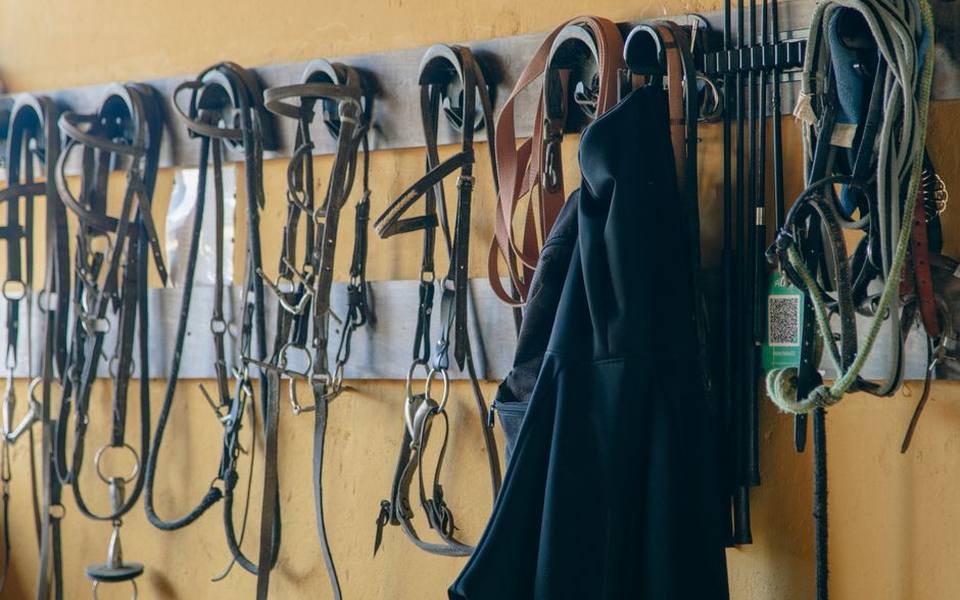
Equine Saddles and Tack Care: Selection, Fit, Cleaning, and Room Setup
-
 Owning
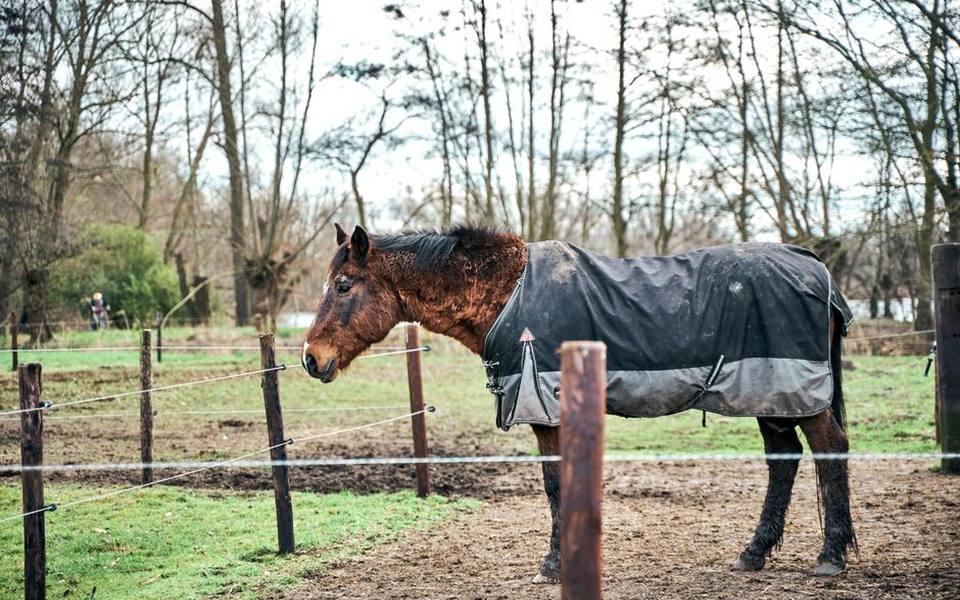
Horse Blankets and Sheet Guide: Fit, Turnout Types, and Fly Protection
-
 Safety
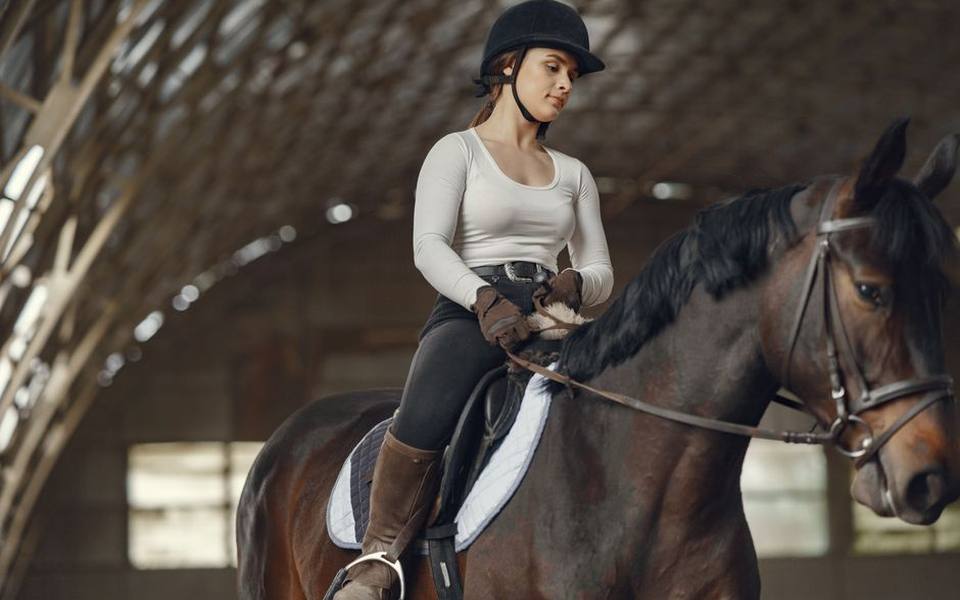
Equestrian Riding Apparel and Gear: Helmets, Boots, and Show Attire
-
 Owning
Equestrian Gift Guide: Practical and Thoughtful Presents for Horse Lovers and Riders
-
 Service
Horse Transportation Guide: Hauling Services, Trailer Rentals, and Layover Stables
-
 Owning
Designing and Managing a Boarding Stable: Facility Planning, Barn Construction, and Daily Operations
-
 Owning
Horse Health Care, Fly Control, and Preventative Vet Schedules
-
 Service
Beginner Equestrian Camps and Riding Programs: How to Choose the Right Barn
-
 Safety
A Complete Guide to Western Riding Helmets, Barn Footwear, Halters, and Hoof Gear
-
 Service
Guided Horseback Riding Tours & Vacation Stables Guide
-
 Buying
Buying and Selling Horses: Sales Auctions & Breed Marketplaces