The Core Differences Between Dairy and Beef Anatomy and Purpose
Choosing between dairy and beef cattle begins with understanding how distinct metabolic priorities shape each animal. Dairy stock is bred to convert feed nutrients directly into milk volume and butterfat, resulting in an angular, wedge-shaped frame where hips and ribs remain visible even on a high-plane nutritional diet. Beef animals, by contrast, are selected to convert roughage and grains into lean muscle tissue and intramuscular marbling, yielding a broad, rectangular silhouette with thick loins and deep quarters.
The day-to-day management routines between the two categories diverge sharply. A milking dairy animal requires a non-negotiable schedule, needing extraction once or twice every single day without exception, which ties the owner to the property year-round. Beef animals generally raise their own calves on pasture, demanding significantly fewer daily labor hours outside of calving season, winter supplemental feeding, and routine health checks. Your available time dictates this choice as much as your acreage.
Acreage carrying capacity also shifts based on whether you produce milk or beef. Dairy cows require high-energy, nutrient-dense forage and frequent ration balancing to sustain lactation without draining body reserves, often meaning supplemental alfalfa or grain concentrates. Beef cattle tend to thrive on standard perennial grasses and clover pastures, making them far more adaptable to properties with mixed pasture forage or modest soil quality where intensive commercial dairying would prove impractical.
Holstein Friesian Dairy Cows and High-Volume Output
The modern Holstein Friesian cow is the uncontested cornerstone of commercial fluid milk production worldwide. Originally developed in the lowlands of the Netherlands and northern Germany, this distinctive black-and-white breed was refined over centuries to turn lush pasture grass into remarkable fluid yields. Mature females are substantial animals, frequently weighing upwards of 1,400 to 1,500 pounds, requiring robust handling infrastructure, sturdy gates, and deep bedding to keep their large frames comfortable and sound.
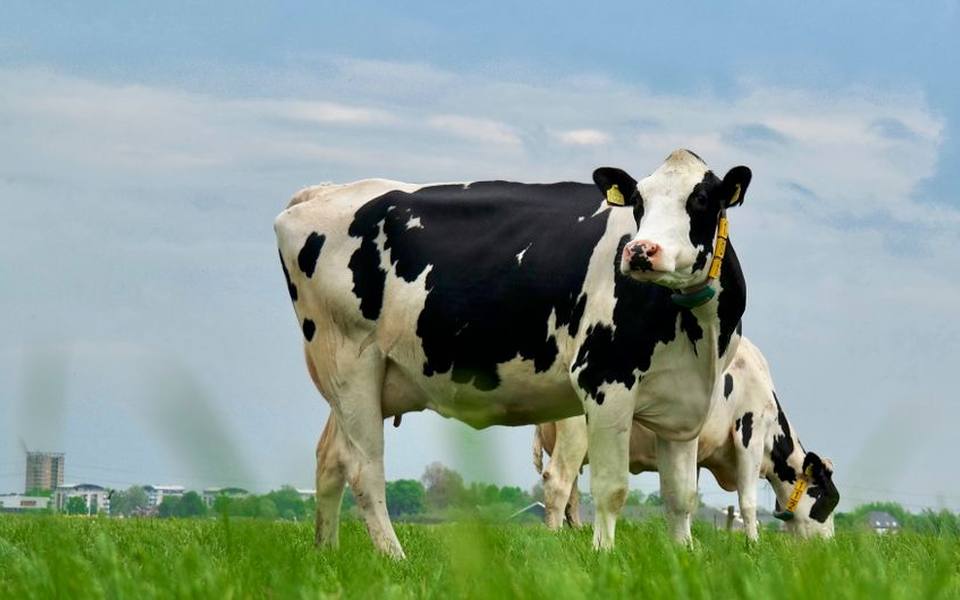
For smallholders considering a Friesian dairy cow, milk volume is both the greatest advantage and the most significant logistical hurdle. A single mature female at peak lactation can produce eight to ten gallons of milk per day, far exceeding the consumption needs of an average family. Without an outlet for fluid milk, calf-rearing program, or home cheesemaking setup, handling that sheer volume of perishable dairy quickly becomes overwhelming for homesteaders who are not properly equipped.
Because of their high metabolic drive, members of the Holstein cow breed possess very little buffer for nutritional deficiencies. If their daily total digestible nutrients or dry matter intake dips, they will pull calcium and fat directly from their skeleton and muscle tissue, leading rapidly to metabolic disorders like ketosis or milk fever. Managing them successfully requires consistent access to clean water, superior-quality dairy hay, and carefully measured energy rations throughout their lactating cycle.
Jersey Cattle for High-Butterfat Milk and Small Acreage
Originating on the British Channel Island of Jersey, the Jersey breed cow represents the gold standard for small-scale and homestead milk production. Typically weighing between 800 and 1,000 pounds, these fawn-colored animals have a noticeably smaller footprint than large-frame dairy cows, which makes them gentler on pasture turf and much easier to house in modest barn stalls. Their curious, docile temperament also makes them a favorite among keepers handling milking duties by hand.
The milk produced by a Jersey cow is renowned for its exceptional quality, featuring high concentrations of butterfat, protein, and milk solids compared to other standard dairy breeds. This rich composition gives the milk a sweet flavor and a deep cream line, making it the premier choice for crafting artisanal butter, hard cheeses, yogurt, and ice cream. While their overall daily fluid volume is lower than that of a Holstein, the nutrient density makes every gallon far more versatile in the kitchen.
Another distinct advantage of the Jersey is superior feed conversion efficiency on pasture. Their lighter body weight means lower baseline maintenance energy requirements, allowing them to produce generous amounts of milk on grass with relatively modest grain inputs. However, prospective owners must watch their mineral status closely around calving time; Jerseys are genetically predisposed to hypocalcemia, meaning clean mineral supplementation and attentive pre-calving nutrition are vital to their ongoing health.
Angus Cattle and the Standard for Commercial Beef
Originating in the rugged countryside of northeastern Scotland, the Angus cow breed has become the most recognized and commercially dominant beef animal across North America. Available in both black and red varieties, the modern Angus cow is naturally polled, which completely eliminates the stress, labor, and potential complications associated with dehorning young stock. Their medium frame, deep body capacity, and vigorous foraging instincts make them exceptionally well suited for a wide range of grazing conditions.
The primary driver behind the popularity of Angus beef cows is their unrivaled reputation for carcass quality, specifically fine intramuscular marbling. This genetic trait yields tender, flavorful beef that routinely grades well in commercial markets and commands a steady premium from farm-to-table customers. For property owners looking to raise a small herd of beef steers for direct-to-consumer meat sales or freezer beef, Angus genetics provide a predictable, highly marketable end product.
Beyond meat characteristics, Angus females are widely respected for their maternal reliability and trouble-free calving. They typically deliver moderate-sized, vigorous calves that stand and nurse quickly, while displaying strong protective instincts without becoming unmanageably aggressive. Their dark hide pigmentation also confers significant protection against sunburned udders and eye cancer, two issues that frequently plague light-skinned beef breeds kept on open, treeless pastures in sunny regions.
Hereford Cattle for Docility and Forage Utilization
Instantly recognized by their rich red coat and clean white face, crest, and underline, the Hereford cow stands as one of the oldest and most dependable British beef breeds. Developed in Herefordshire, England, these cattle were bred to convert coarse native grasses into high-grade beef without requiring expensive grain supplements. They are available in both horned and polled varieties, with polled lines gaining substantial favor among smaller producers who want simple herd handling.
One of the standout attributes of the Hereford is an extraordinarily calm and docile temperament. When compared to more flighty beef stock, Herefords are far less prone to herd stress, which translates into lower cortisol levels, better daily weight gains, and a vastly safer working environment for handlers. Families managing livestock alongside horses or children often lean toward Herefords because routine chores, sorting, and pasture rotations can be accomplished with calm confidence.
Herefords are also celebrated for their winter hardiness and thriftiness on marginal forage. They maintain body condition remarkably well on stockpiled pastures and standard grass hay where higher-maintenance cattle might lose flesh. Additionally, crossing Hereford cows with Angus bulls produces the famous commercial black baldy crossbred calf, an animal that combines the maternal strength and quiet disposition of the Hereford with the carcass excellence and growth rate of the Angus.
Brahman Cattle and Heat Resilience in Harsh Climates
Originating from zebu stock imported from India, the Brahman cow breed has evolved to flourish in hot, humid environments that would severely compromise European breeds. Characterized by a prominent hump over the shoulders, large drooping ears, and generous folds of loose skin, the Brahman cow possesses physiological adaptations designed specifically for thermal regulation, including specialized sweat glands and a short, glossy coat that reflects harsh solar radiation.
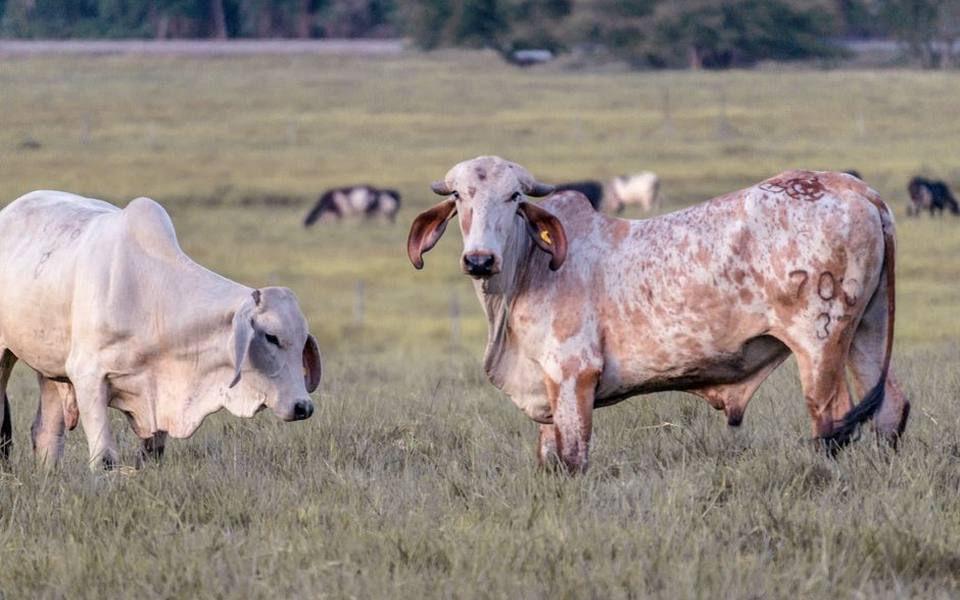
Livestock owners running cattle across the Gulf Coast and southern states, such as managers operating alongside Horse Boarding Stables in Texas, routinely depend on Brahman genetics to maintain reproductive efficiency through grueling summers. While European cattle will seek shade and stop grazing during ninety-degree afternoons, Brahmans continue to graze brush and coarse native grasses without experiencing respiratory distress or heat-induced weight loss, preserving vital herd momentum.
Beyond heat mitigation, Brahmans exhibit natural resistance to biting insects, external parasites, and tick-borne diseases due to their tough hide and specialized subcutaneous muscle layer. They also display strong herd protection instincts, forming tight defensive rings around calves if predators threaten the pasture. While their intelligent, independent temperament requires calm, patient handling rather than aggressive coercion, their hardiness in sub-tropical climates remains unmatched across the beef sector.
Scottish Highland Cows for Marginal Pasture and Cold Weather
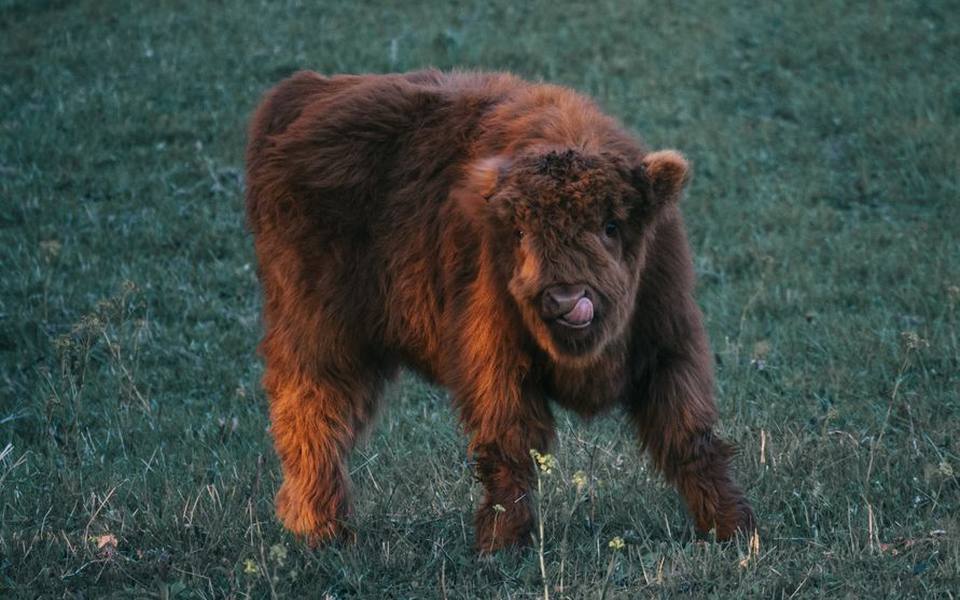
With their long shaggy coats, sweeping horns, and rugged presence, Highland cows have surged in popularity among homesteaders and small-scale livestock enthusiasts. Originating in the windswept Highlands and western islands of Scotland, this ancient heritage breed was shaped by brutal wet conditions and sparse forage. Their heavy double coat—a soft downy undercoat beneath an oiled, weather-shedding outer layer—provides exceptional natural insulation, allowing them to winter outdoors comfortably without heated shelters.
Highlands function remarkably well as biological brush cutters on overgrown acreage. Unlike selective commercial cattle that graze only lush grasses, Highland cattle readily consume brambles, brush, woody undergrowth, and coarse weeds, transforming neglected wooded edges into clean, productive fields. Property managers seeking sustainable land clearing often favor them over machinery because their broad hooves and steady grazing habits minimize soil erosion and pasture damage on sloping terrain.
While they grow more slowly than modern commercial beef breeds, Highland beef is lean, flavorful, and low in cholesterol, owing to their thick hair coat which eliminates the need for a heavy layer of external backfat for warmth. However, prospective owners must plan their barn spaces and gates carefully: those impressive, iconic horns can easily catch on round-bale feeders, livestock trailers, and narrow sorting chutes designed for polled commercial cattle.
Infrastructure Needs: Fencing, Housing, and Co-Grazing with Horses
Establishing an effective cattle setup requires evaluating perimeter containment and pasture layout before bringing any stock home. Cattle exert far more physical pressure against fences than equines; they will readily lean through boards or wire to reach greener forage along fence lines. While traditional smooth wire works well for equines at dedicated horse boarding facilities, cattle require woven wire field fence, five-strand barbed wire, or high-tensile electric fencing charged to at least 4,000 to 5,000 volts.
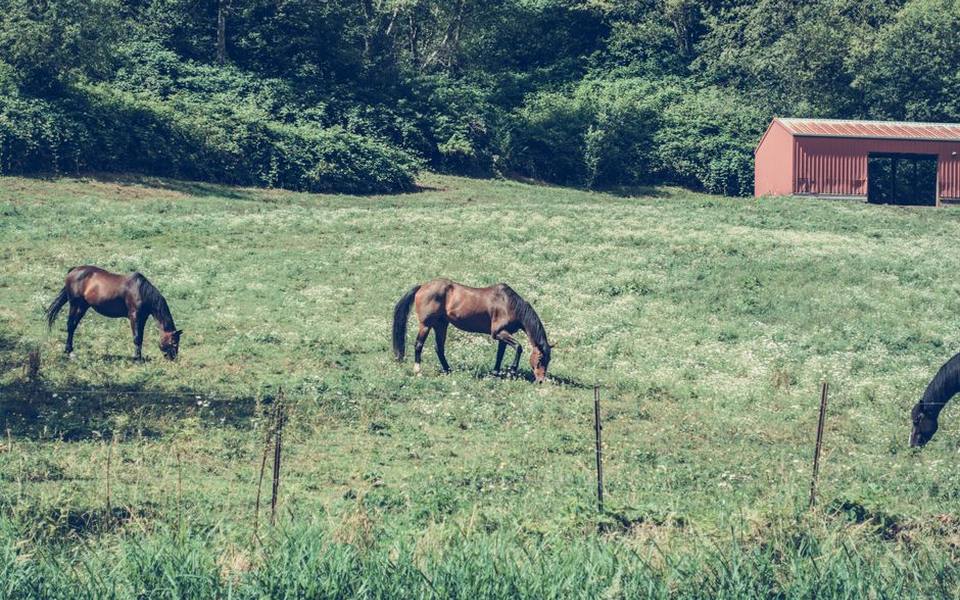
Co-grazing cattle alongside horses has become an increasingly popular practice on multi-use properties and setups offering pasture board. Because horses and cattle do not share the same internal parasites, grazing them in rotation—or even together in large paddocks—effectively breaks the parasite lifecycle, as each species vacuums up larvae that cannot survive in the other host's digestive tract. Furthermore, cattle graze pasture clumps that horses instinctively avoid, promoting even forage growth.
Shelter requirements vary by breed, but all cattle need reliable windbreaks and dry ground during severe weather. While cold-hardy beef cattle usually require nothing more than a dense tree line or a three-sided pole shed, high-producing dairy cows require well-ventilated, dry barn housing with clean straw or sawdust bedding to protect udder health from environmental pathogens like mastitis-causing bacteria found in wet mud.
Nutrition, Rations, and Seasonal Feeding Protocols
A cow’s digestive system is a complex fermentation vat that relies on a healthy population of rumen microbes to break down cellulose into absorbable volatile fatty acids. Transitioning an animal between feed types must always happen gradually over seven to fourteen days to prevent rumen acidosis or bloat. High-quality grass-legume hay, clean drinking water, and free-choice livestock salt form the foundation of any balanced ruminant nutrition program.
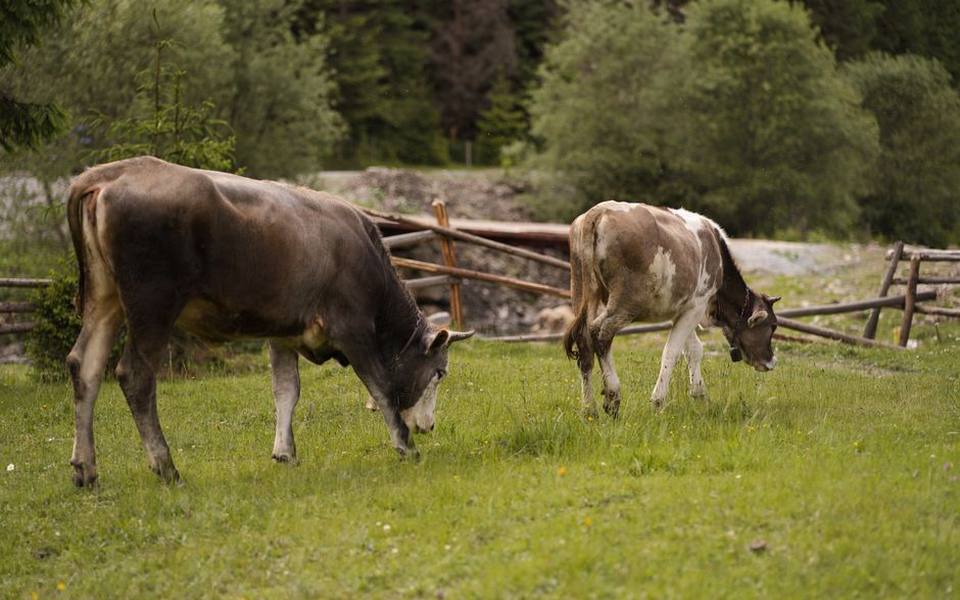
The nutritional demands of a lactating dairy cow are dramatically higher than those of a dry beef cow on maintenance rations. A lactating cow requires immense amounts of clean water—frequently thirty to fifty gallons per day in warm weather—along with balanced grain rations to meet the energy output of lactation. In contrast, dry beef cows can maintain sound body condition throughout the winter on decent pasture grass hay, requiring supplemental protein tubs only when forage quality deteriorates significantly.
Loose mineral supplementation tailored to your specific geographic region is essential for all cattle breeds. Soils in many parts of the country are naturally deficient in copper, selenium, or zinc, which can lead to poor conception rates, rough hair coats, and compromised immune systems. Providing weatherproof mineral feeders that shield supplements from rain ensures that cattle ingest the trace elements they need to maintain healthy immune function and reproductive longevity.
Handling Facilities, Preventative Health, and Daily Care Realities
Working cattle safely requires a dedicated handling system, regardless of whether you keep two animals or twenty. Attempting to administer annual vaccinations, pour-on dewormers, or veterinary treatments to an unrestrained 1,200-pound animal in an open pasture is hazardous. A basic facility needs a solid sweep pen, a narrow alleyway with sturdy sides, and a reliable headgate or squeeze chute where an animal can be secured without injury to itself or the handler.
Routine herd health protocols center on core vaccinations against respiratory and reproductive diseases, such as bovine viral diarrhea, infectious bovine rhinotracheitis, and clostridial infections like blackleg. Internal parasites should be monitored through regular fecal egg counts rather than indiscriminate chemical deworming, which helps prevent parasite resistance on pasture. Hoof trimming is also a consideration, particularly for confined dairy cows whose hooves do not wear naturally on concrete or soft stall bedding.
Before investing in cattle, prospective keepers should research regional zoning regulations, manure management ordinances, and the availability of large-animal veterinarians in their local area. Consulting resources across our national livestock directory can help you connect with regional agricultural facilities and experienced operators who understand local climate demands and pasture viability, setting your livestock ownership venture up for sustainable success.
Published 2026-09-20 · reviewed with each rebuild, last September 2026.
Find boarding stables near you
The directory lists 16,945 boarding stables by state and city — pick your state or use the “Near me” button in the header.
More guides
-
 Money
MoneyUnderstanding Monthly Horse Boarding Expenses and Stable Fees
-
 Owning
Understanding Friesian Horse Ownership: Traits, Costs, and Daily Care
-
 Owning
Understanding Riding Disciplines, Essential Tack, and the True Costs of Horse Ownership
-
 Money
MoneyUnderstanding the Costs of Getting Started in the Saddle
-
 Buying
Understanding Initial Horse Purchase Prices by Breed, Size, and Training
-
 Service
The Career Path of a Farrier: Education, Training, and Timeline
-
Owning
Choosing Between Alfalfa and Orchard Grass Hay for Horses
-
 Money
MoneyEssential Horse Ownership Expenses: Leasing, Insurance, and Maintenance
-
 Buying
Horse Buying Guide: Breed Selection, Market Prices, and Classifieds
-
 Owning
Small Farm Livestock Breeding: Goats, Sheep, Pigs, and Poultry
-
 Buying
Miniature Livestock Guide: Mini Cattle, Ponies, and Pocket Equines
-
 Owning
The Complete Guide to Horse Boarding, Stables, and Facilities
-
 Owning
Rubber Stall Mats and Horse Stall Flooring: A Complete Guide
-
 Buying
Guide to Horse Breeds, Breeders, and Equine Artificial Insemination
-
 Buying
Equestrian Riding Boots Buyer's Guide: Western and English Footwear
-
 Owning
Equine Health Care: Colic Signs, Deworming Charts, and Joint Supplements
-
 Owning
Complete Guide to Equine Fly Control: Sprays, Repellents, and Fly Sheets
-
 Safety
Equine Riding Helmets: Sizing, Safety Standards, and Selection Guide
-
 Service
Beach Horseback Riding and Trail Riding Tours Guide
-
 Service
Equine Training Fundamentals: Groundwork, Lunging Techniques, and Equestrian Vaulting
-
 Service
Equine-Assisted Therapy and Psychotherapy: A Practical Guide to Methods, Benefits, and Programs
-
 Buying
A Complete Guide to Buying a Horse: Breeds, Equine Sales, and Insurance
-
 Owning
Complete Guide to Horse Hoof Care, Farrier Services, and Hoof Boots
-
 Owning
A Complete Guide to Horse Grooming, Sheath Cleaning, Massage, and Routine Wellness
-
 Owning
Horse Barn Setup, Stall Infrastructure, Arenas, and Facility Equipment
-
 Buying
Beef and Dairy Cattle Breeds: Buyer's Guide, Traits, and Livestock Care
-
 Owning
Homestead Livestock Guide: Raising Sheep, Goats, Pigs, and Poultry
-
 Service
Equine Dentistry Guide: Floating Teeth, Routine Care, and Choosing a Practitioner
-
 Owning
Equine Saddles and Tack Care: Selection, Fit, Cleaning, and Room Setup
-
 Owning
Horse Blankets and Sheet Guide: Fit, Turnout Types, and Fly Protection
-
 Safety
Equestrian Riding Apparel and Gear: Helmets, Boots, and Show Attire
-
 Owning
Equestrian Gift Guide: Practical and Thoughtful Presents for Horse Lovers and Riders
-
 Service
Horse Transportation Guide: Hauling Services, Trailer Rentals, and Layover Stables
-
 Owning
Designing and Managing a Boarding Stable: Facility Planning, Barn Construction, and Daily Operations
-
 Owning
Horse Health Care, Fly Control, and Preventative Vet Schedules
-
 Service
Beginner Equestrian Camps and Riding Programs: How to Choose the Right Barn
-
 Safety
A Complete Guide to Western Riding Helmets, Barn Footwear, Halters, and Hoof Gear
-
 Service
Guided Horseback Riding Tours & Vacation Stables Guide
-
 Buying
Buying and Selling Horses: Sales Auctions & Breed Marketplaces