Choosing Between Professional Hauling and Doing It Yourself
Moving a horse safely comes down to two primary methods: hiring a commercial equine transport company or driving your own tow rig. Professional hauling services manage everything from route planning to commercial road insurance, making them ideal for cross-country relocations or when moving horses purchased from distant equestrian facilities with horses for sale. On the other hand, handling the move yourself provides complete control over departure times, rest stops, and individual handling styles, provided you have access to a reliable rig or a local trailer rental.
Your decision should weigh the total mileage, your towing experience, and the temperament of the horse being moved. Professional transport services spread overhead across multiple horses on dedicated tractor-trailers or large gooseneck vans, which often makes them more cost-effective for moves exceeding five hundred miles. Hauling your own horse requires substantial concentration, specialized hitch equipment, and familiarity with how live cargo shifts on highway ramps, mountain passes, and sudden stops.
Time constraints also play a major role in how you coordinate horse transportation. Commercial haulers generally operate on set regional loops, which means delivery windows can stretch over several days depending on pick-up and drop-off sequences. If your timeline requires pinpoint pickup and delivery or if your horse stresses easily around unfamiliar barn mates, pulling a rented or owned trailer allows you to dictate every mile of the journey directly.
Understanding Professional Equine Transport Services
Commercial horse transport companies offer a variety of stall configurations designed for different budgets and levels of equine comfort. The most common arrangement is a standing stall or single partition, where the horse is tied facing forward or backward with limited room to turn around. This option is standard for commercial haulers running large multi-horse vans and works well for experienced, quiet travelers on moderate journeys.
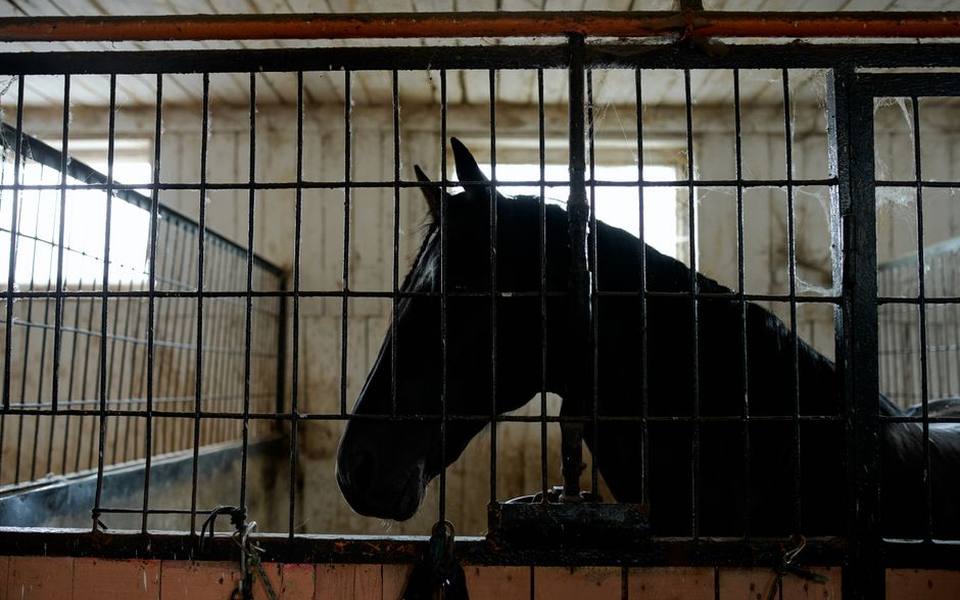
For longer cross-country trips, many owners upgrade to a stall-and-a-half or a full box stall. A box stall allows the horse to remain untied, turn around, lower its head to clear its respiratory tract, and lie down during overnight stops or quiet highway stretches. While box stalls typically carry higher rates, they significantly reduce the physical wear and tear on horses traveling across several states over multiple consecutive days.
Shared van transport pools horses heading along the same interstate corridor to keep individual rates manageable. Dedicated private transport, by contrast, reserves the entire trailer solely for your animal, offering direct point-to-point delivery without side diversions. For horses recovering from medical procedures or showing high anxiety in busy transit environments, private charters eliminate the risk of respiratory pathogens from strange horses.
How to Vet Equine Hauling Services and Dispatchers
Before handing your horse over to a commercial hauler, verifying their operating authority and safety record is essential. Legitimate interstate equine transport companies must hold an active USDOT number and Motor Carrier authority through the Federal Motor Carrier Safety Administration. Ask prospective haulers for these registration numbers so you can look up their safety ratings, fleet inspection histories, and verified crash reports on public transportation databases.
Commercial cargo insurance is another vital layer of protection that separates legitimate haulers from unregulated backyard operators. Standard auto policies do not cover live cargo, so reputable horse transport services carry specific care, custody, and control coverage alongside commercial liability. Request a certificate of insurance directly from the company or their underwriter, and clarify whether their policy covers veterinary care if an emergency occurs while on the road.
Communication protocols distinguish dependable equine haulers from unreliable services. Inquire about driver team setups, as long hauls require either two drivers who rotate shifts or strict layover stops to comply with federal hours-of-service rules. Ensure the company provides regular check-in updates, water logs, and photo verifications at designated refueling stops so you always know your horse's real-time physical condition.
Options for Horse Trailer and Stock Trailer Rental
If you own an adequate tow vehicle but do not keep an equine rig parked at home, finding a horse trailer rental or livestock trailer rental is a practical solution. Local rental yards, equipment companies, and private agricultural outfits often rent two-horse bumper pull trailers or multi-animal stock trailers by the day or weekend. These rentals serve owners moving between local barns, heading to veterinary clinics, or trailering out for afternoon trail rides.
A standard enclosed horse trailer features dividers, chest bars, butt chains, and drop-down feeding windows tailored specifically for equine safety. Open-sided livestock trailer rental options provide excellent airflow and durable slatted walls, which can be ideal for calm horses that tolerate open-air driving conditions. However, open stock trailers require careful attention to weather exposure, flying road debris, and ensuring rear gate latches are completely horse-proof before pulling onto high-speed highways.
Before driving off with any rental trailer, conduct a thorough physical safety inspection of the floorboards, frame, and coupling hardware. Pull back any rubber mats to inspect the wooden or aluminum floor for rot, corrosion, or weakened seams beneath high-moisture zones. Confirm that the rental agreement permits live animal transit, outlines emergency tire replacement policies, and includes an operational electrical plug that communicates with your truck's brake controller.
Vehicle Tow Ratings, Hitches, and Rig Setup
Safely pulling live animals demands a tow vehicle with specifications that far exceed the empty weight of the trailer. Unlike static cargo, horses shift their weight during braking, turning, and hill climbs, placing dynamic vertical and lateral stresses on your truck's chassis. Always verify your vehicle's gross combined weight rating, maximum towing capacity, and tongue weight limits before hitching up to haul.
Proper hitching equipment is non-negotiable for safe horseback transportation on public roads. Bumper pull setups should always utilize a properly rated receiver hitch, heavy-duty safety chains crossed in a cradle beneath the tongue, and an emergency breakaway cable connected to an onboard trailer battery. For heavier three-horse or four-horse setups, gooseneck couplings provide far superior stability, centering the tongue weight directly over the truck's rear axle to eliminate trailer sway.
An integrated or aftermarket electric brake controller must be dialed in before you haul on open roads. The controller synchronizes the trailer's drum or disc brakes with the tow vehicle's pedal, preventing the loaded trailer from pushing the truck during sudden decelerations. Test your trailer brakes at low speed on level gravel or asphalt, adjusting the gain setting until the trailer produces smooth stopping force without locking up its wheels.
Health Paperwork and Interstate Travel Compliance
Transporting a horse across state lines triggers strict veterinary documentation rules enforced by state departments of agriculture. In almost all jurisdictions, your horse must travel with an original negative Coggins test certificate verifying freedom from Equine Infectious Anemia, typically completed within the previous twelve months. Some competitive venues or state borders require a negative test completed within shorter timeframes, so checking state-specific regulations ahead of time is mandatory.
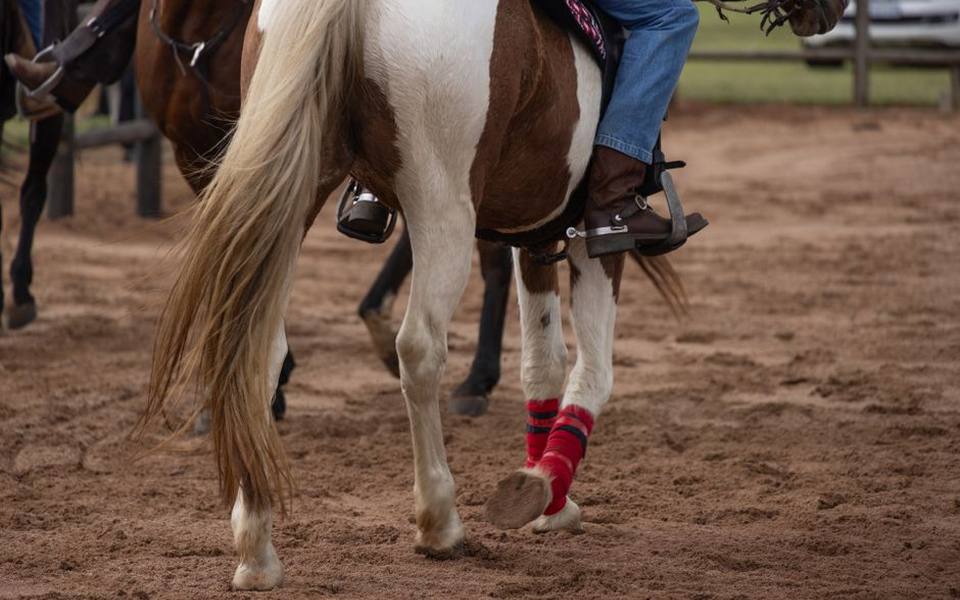
You will also need a valid Certificate of Veterinary Inspection, commonly referred to as a health certificate, issued by an accredited veterinarian. These certificates generally remain valid for thirty days from the date of the clinical examination, though some interstate border crossings or quarantine states require inspection within ten days of travel. Digital equine passports are becoming accepted across several regions, streamlining paperwork for frequent travelers who haul regularly between major facilities.
Equine transport companies will refuse to load any horse lacking certified health paperwork, as transport drivers face substantial fines at highway agricultural inspection stations. Keep physical copies of brand inspection cards, registration papers, and veterinary health records organized in a waterproof binder kept inside the tow vehicle cab. Having these documents readily accessible prevents lengthy roadside delays that create unnecessary heat and fatigue for your horse.
Preparing Your Horse for Long Distance Transit
Proper pre-trip conditioning makes a tremendous difference in how smoothly your horse handles the physical strain of long-distance hauling. Standing inside a moving trailer requires continuous core muscular engagement to balance against road vibrations, acceleration, and centrifugal forces. Ensuring your horse is well-hydrated before loading is critical, as the risk of transit-induced impaction colic increases when water intake drops in unfamiliar settings.
Consider protective gear carefully depending on the animal's familiarity with shipping equipment. Shipping boots or standing wraps provide vital tendon support and protect coronet bands from hoof strikes while balancing, but improperly wrapped legs can slip and cause panic inside the trailer. If your horse has not been desensitized to boots or wraps, a leather shipping halter with a sheepskin fleece lining and a tail guard may be safer choices than restrictive leg wraps.
Watering routines during transit demand deliberate planning because many horses reject unfamiliar municipal water that smells heavily of chlorine. Bring large water containers filled from your home barn or flavor the water consistently with a splash of apple cider vinegar or electrolytes starting several days prior to departure. Offer fresh water at every fuel stop, allowing the horse ten to fifteen minutes of stationary rest so its pulse slows enough to encourage drinking.
Finding and Booking Overnight Horse Motels
Hauling journeys that span beyond ten to twelve hours require scheduled rest stops to mitigate the risk of dehydration and shipping fever. An equine layover facility, often called a horse motel, offers short-term stall rentals, secure paddocks, and truck parking along major travel corridors. Booking a horse motel allows you to unload, groom, and rest your animal overnight in a stationary, well-ventilated environment rather than leaving them tied in a stationary trailer.
When traveling long distances through high-volume transit states like horse boarding stables in Texas, reserve your layover stalls several weeks in advance, especially during seasonal migration months. Inquire about the stall sizes, bedding availability, wash rack access, and whether the facility can accommodate large gooseneck or living-quarters rigs without difficult turning maneuvers. Confirm gate codes and late-arrival check-in procedures in case highway traffic delays your planned arrival window.
Biosecurity should remain your top concern whenever you introduce your horse to an unfamiliar overnight barn. Bring your own water buckets, feed pans, and pitchforks rather than using communal stable equipment that could harbor contagious pathogens like strangles or herpesvirus. Avoid letting your horse make muzzle contact with neighboring resident horses, and wipe down stall latches or cross-ties with a safe disinfectant before turning your horse loose inside the stall.
Evaluating Trailer Classifieds Versus Rental Services
Equestrians who travel frequently often debate whether relying on rental trailers makes sense compared to purchasing a dedicated trailer outright. Browsing specialized online marketplaces and regional trailer classifieds helps you gauge the going rates for well-maintained two-horse bumper pulls and used gooseneck stock trailers. For owners who only haul once or twice a year to annual clinics, paying a daily rental fee eliminates continuous expenses like insurance, annual wheel bearing repacking, and tire deterioration.

However, owning your own trailer provides irreplaceable peace of mind in veterinary emergencies when immediate transport to an equine surgical hospital is required. When reviewing listings on online platforms or community boards, inspect used trailers closely for hidden structural wear like rusted frame welds, dry-rotted tires, and warped axle hangers. Ensure the interior divider layout suits the size and breed of your horses, as draft crosses and tall warmbloods require extended height and width configurations.
If you decide that purchasing is impractical for your current routine, building a relationship with a dependable commercial hauler or local rental business is your best path. Many horse owners choose to board at established horse boarding facilities where trailering services can be coordinated cooperatively among barn managers and fellow riders, sharing the logistical burden and equipment costs across the community.
Arriving and Settling In at Your Destination
The first twenty-four hours after arrival are critical for monitoring your horse's respiratory and digestive recovery. Prolonged transit compromises the respiratory tract's natural mucociliary clearance mechanisms because horses cannot keep their heads lowered while tied inside moving trailers. Dust and fungal spores accumulate in the lungs, creating favorable conditions for pleuropneumonia, commonly known as shipping fever. Check your horse's rectal temperature upon arrival and twice daily for the next three days to catch fever spikes early.
Avoid turning a freshly unloaded horse directly out into large pastures or asking for strenuous exercise under saddle right away. Offer clean grass hay and fresh water immediately, waiting an hour or two before feeding grain or concentrated energy feeds that could upset a stressed digestive system. A quiet hand-walk allows the horse to stretch its stiff leg muscles, assess its new environment calmly, and encourage natural bowel movements after hours of stationary travel.
If you are arriving at a new boarding facility or getting started with stables with horse training, review the barn's quarantine and introduction rules ahead of time. Giving your horse a few days of quiet recovery in a spacious stall or small private paddock ensures a seamless transition before integrating into herd turnout routines or resuming demanding training sessions under saddle.
Published 2026-09-20 · reviewed with each rebuild, last September 2026.
Find boarding stables near you
The directory lists 16,945 boarding stables by state and city — pick your state or use the “Near me” button in the header.
More guides
-
 Money
MoneyUnderstanding Monthly Horse Boarding Expenses and Stable Fees
-
 Owning
Understanding Friesian Horse Ownership: Traits, Costs, and Daily Care
-
 Owning
Understanding Riding Disciplines, Essential Tack, and the True Costs of Horse Ownership
-
 Money
MoneyUnderstanding the Costs of Getting Started in the Saddle
-
 Buying
Understanding Initial Horse Purchase Prices by Breed, Size, and Training
-
 Service
The Career Path of a Farrier: Education, Training, and Timeline
-
Owning
Choosing Between Alfalfa and Orchard Grass Hay for Horses
-
 Money
MoneyEssential Horse Ownership Expenses: Leasing, Insurance, and Maintenance
-
 Owning
Complete Guide to Cattle Breeds: Dairy vs Beef Cow Selection and Care
-
 Buying
Horse Buying Guide: Breed Selection, Market Prices, and Classifieds
-
 Owning
Small Farm Livestock Breeding: Goats, Sheep, Pigs, and Poultry
-
 Buying
Miniature Livestock Guide: Mini Cattle, Ponies, and Pocket Equines
-
 Owning
The Complete Guide to Horse Boarding, Stables, and Facilities
-
 Owning
Rubber Stall Mats and Horse Stall Flooring: A Complete Guide
-
 Buying
Guide to Horse Breeds, Breeders, and Equine Artificial Insemination
-
 Buying
Equestrian Riding Boots Buyer's Guide: Western and English Footwear
-
 Owning
Equine Health Care: Colic Signs, Deworming Charts, and Joint Supplements
-
 Owning
Complete Guide to Equine Fly Control: Sprays, Repellents, and Fly Sheets
-
 Safety
Equine Riding Helmets: Sizing, Safety Standards, and Selection Guide
-
 Service
Beach Horseback Riding and Trail Riding Tours Guide
-
 Service
Equine Training Fundamentals: Groundwork, Lunging Techniques, and Equestrian Vaulting
-
 Service
Equine-Assisted Therapy and Psychotherapy: A Practical Guide to Methods, Benefits, and Programs
-
 Buying
A Complete Guide to Buying a Horse: Breeds, Equine Sales, and Insurance
-
 Owning
Complete Guide to Horse Hoof Care, Farrier Services, and Hoof Boots
-
 Owning
A Complete Guide to Horse Grooming, Sheath Cleaning, Massage, and Routine Wellness
-
 Owning
Horse Barn Setup, Stall Infrastructure, Arenas, and Facility Equipment
-
 Buying
Beef and Dairy Cattle Breeds: Buyer's Guide, Traits, and Livestock Care
-
 Owning
Homestead Livestock Guide: Raising Sheep, Goats, Pigs, and Poultry
-
 Service
Equine Dentistry Guide: Floating Teeth, Routine Care, and Choosing a Practitioner
-
 Owning
Equine Saddles and Tack Care: Selection, Fit, Cleaning, and Room Setup
-
 Owning
Horse Blankets and Sheet Guide: Fit, Turnout Types, and Fly Protection
-
 Safety
Equestrian Riding Apparel and Gear: Helmets, Boots, and Show Attire
-
 Owning
Equestrian Gift Guide: Practical and Thoughtful Presents for Horse Lovers and Riders
-
 Owning
Designing and Managing a Boarding Stable: Facility Planning, Barn Construction, and Daily Operations
-
 Owning
Horse Health Care, Fly Control, and Preventative Vet Schedules
-
 Service
Beginner Equestrian Camps and Riding Programs: How to Choose the Right Barn
-
 Safety
A Complete Guide to Western Riding Helmets, Barn Footwear, Halters, and Hoof Gear
-
 Service
Guided Horseback Riding Tours & Vacation Stables Guide
-
 Buying
Buying and Selling Horses: Sales Auctions & Breed Marketplaces