Matching Breed Characteristics to Your Equestrian Goals
Choosing the right horse begins with an honest evaluation of your personal experience, intended riding discipline, and physical facility capabilities. Every equine breed was developed with specific functional traits in mind, ranging from the incredible pulling torque of heavy coldbloods to the rapid sprints of stock horses and the endurance of desert lineages. While temperament varies across individual animals, breed tendencies play a substantial role in day-to-day handling, feed requirements, and athletic potential.
Novice buyers frequently make the mistake of choosing a mount strictly based on visual aesthetics or romanticized perceptions from media. A high-energy sport horse or sensitive desert breed requires consistent, skilled handling that can quickly overwhelm someone looking for a relaxed weekend trail partner. Conversely, a heavier draft cross might struggle with the speed and agility required for higher-level competitive jumping or reining.
Before scheduling visits with private sellers or established breeding farms, write down what a normal week with your horse will actually entail. Consider the hours you can dedicate to exercise, the climate of your region, and whether your local boarding barn accommodates the unique footprint of your preferred breed. Clarifying these baseline criteria prevents costly emotional purchases and protects your safety from the outset.
The Enduring Appeal of Clydesdales and Historic Hitch Lines
Draft horses hold an iconic place in agricultural history, and few are as widely recognized as the massive Scottish Clydesdale. Famous hitch programs, such as the commercial teams seen across corporate promotional tours and the historic Budweiser stables, showcase the breed's signature high-stepping trot, clean bone structure, and magnificent white feathering around the lower legs. These horses typically stand between sixteen and eighteen hands high, presenting a broad chest and an exceptionally calm, willing demeanor.
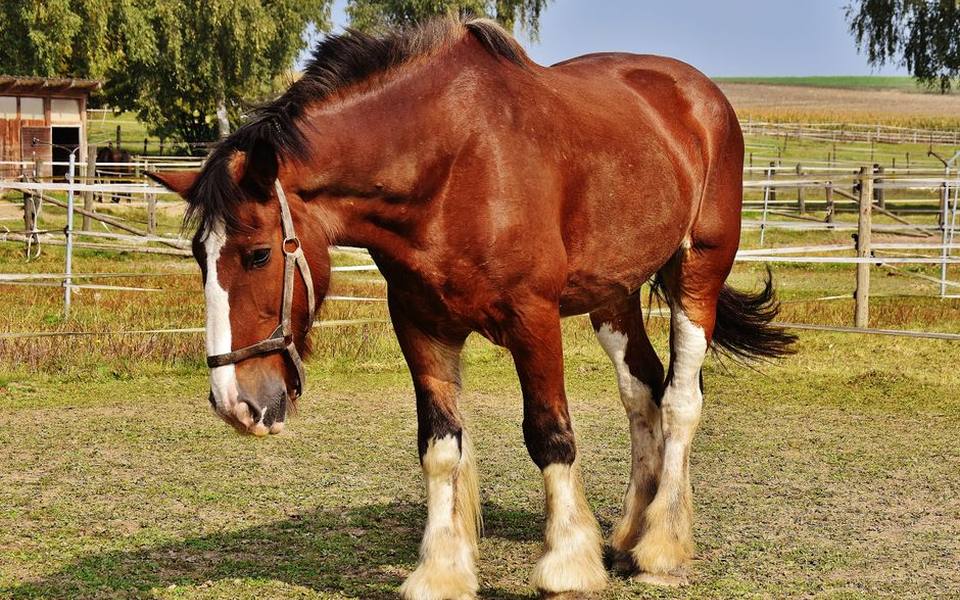
While public admiration often stems from seeing synchronized teams pulling historic wagons, owning or maintaining modern Clydesdales requires substantial logistical planning. Their generous bone mass and deep hooves require specialized draft shoes, extra-wide standing stalls, and significantly larger portions of quality forage. The pronounced lower leg feathers, while visually striking, demand diligent grooming in humid or muddy climates to avoid bacterial and fungal dermatitis beneath the skin.
Reputable hitch and breeding programs focus intensely on sound legs, level-headed dispositions, and balanced movement rather than raw size alone. Whether an owner plans to show in draft cart classes, participate in historical parades, or enjoy quiet hacks across open pastures, a well-handled Clydesdale provides a dependable, intelligent work ethic. Evaluating their veterinary records for joint health remains a vital step before committing to these gentle giants.
Evaluating Heavy Drafts: Shires and Belgian Workhorses
Beyond the feathered Scottish lines, prospective heavy horse owners frequently look toward the English Shire and the muscular Belgian draft. When reviewing a Shire horse for sale, prospective buyers will immediately notice remarkable height, dense bone, and deep quarters developed over centuries for moving freight and tilling stubborn clay soils. Because mature Shires can weigh well over a ton, handling them requires quiet confidence, proper ground equipment, and facilities built with reinforced fencing and stout post construction.
Similarly, those who evaluate a Belgian horse for sale will find a draft powerhouse characterized by a compact, thick-barreled torso, immense pulling drive, and an unflappable temperament. Typically displaying sorrel or chestnut coloring with flaxen manes and tails, Belgians remain a primary workhorse in commercial forestry and sustainable farming operations. When browsing horses for sale across regional listings, ensure any draft prospect shows balanced hoof angles, clean hocks, and a calm disposition under harness or saddle.
Managing draft horses also involves higher overhead costs that prospective owners must factor into their monthly budgets. Routine sedation doses, dewormers, and standard antibiotic courses scale directly with body weight, meaning veterinary bills are often higher than those for light horses. Custom tack, heavy-duty halters, and large-aperture trailers are usually required, making pre-purchase budgeting just as critical as finding the animal itself.
The Elegance of the Baroque Black Friesian
Originating in the Netherlands, the Dutch Friesian captures attention with its high-set arched neck, expressive eyes, and flowing black mane and tail. Finding a registered black Friesian with authentic heritage involves navigating strict studbook registries, such as the KFPS, which impose rigorous standards on conformation, gait mechanics, and genetic purity. These horses bridge the gap between heavy agricultural stock and athletic carriage performers, exhibiting a round, rhythmic trot with pronounced knee action.
Breeding facilities, including high-profile operations like extreme Friesian stables and specialized European import barns, regularly spotlight the breathtaking presence of a purebred black Friesian stallion. However, stallions of this breed require advanced horsemanship and dedicated stallion-safe turnout infrastructure to keep them mentally settled. For amateur equestrians, a well-mannered gelding or calm broodmare often provides the same regal presence without the management complexities that accompany intact breeding stock.
In modern riding disciplines, Friesians excel in classical dressage, historical exhibitions, and pleasure driving. Because their thick coats and dark pigment retain heat quickly, riders in southern states must manage workout intensity carefully during the summer months. Working closely with professionals offering specialized horse training helps balance their naturally upright carriage with proper back engagement, ensuring long-term musculoskeletal health.
Endurance and Utility: Exploring Akhal-Teke and Criollo Bloodlines
Riders seeking extraordinary stamina and resilience often turn away from conventional European sport horses toward historic working lines. The Akhal-Teke, often referred to simply as the akhal, is an ancient Turkmen breed renowned for an almost metallic sheen in its fine coat and a lean, greyhound-like profile. These horses were bred to cross harsh desert terrain on minimal rations, yielding unparalleled endurance, agility, and a strong, singular bond with their primary handler.
On the other side of the globe, the Criollo horse represents the backbone of South American cattle ranching, having evolved under natural selection across the rugged Pampas. These stocky, medium-sized horses are legendary for surviving the famous endurance trials known as the marcha, where mounts travel hundreds of miles over consecutive days carrying adult riders without grain supplementation. Their sharp cow sense, sturdy hooves, and low metabolic demands make them extraordinary working partners.
Integrating an exotic or rare breed into an American boarding program requires understanding their baseline behavioral needs. Both breeds possess intense survival instincts and quick reflexes; they flourish under quiet, consistent horsemanship rather than aggressive restraint. Providing expansive pasture board allows these independent, hardy animals to maintain movement and grazing habits that match their evolutionary wiring.
Color Registries and the Versatile Palomino Heritage
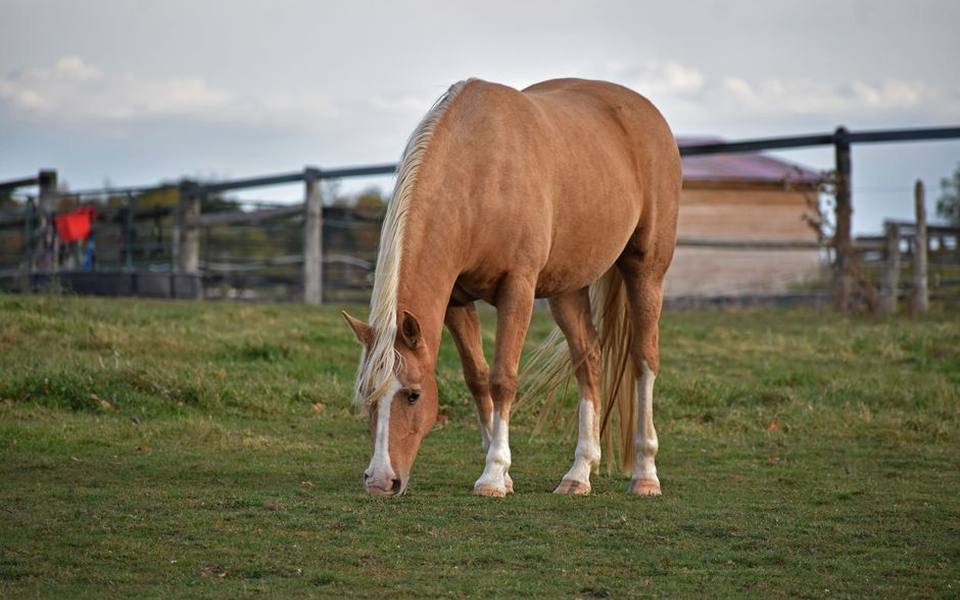
While some breed associations focus purely on closed bloodlines, color registries offer a unique perspective on equine breeding and competition. Organizations like the Palomino Horse Breeders of America celebrate the striking golden coat and white mane that define the palomino color, while maintaining rigorous conformation and pedigree guidelines. Rather than accepting any golden animal, these registries inspect underlying bloodlines, often requiring parentage from recognized stock or sport horse associations.
Palominos appear across numerous breeds, including Quarter Horses, Paints, Morgans, and Saddlebreds, thanks to the action of the cream dilution gene on a red chestnut base coat. This genetic dynamic means that breeding two palominos together does not produce golden foals one hundred percent of the time; color inheritance follows Mendelian ratios, yielding a mixture of chestnuts, palominos, and double-dilute cremellos. Understanding these genetic mechanics prevents disappointment among novice breeders seeking specific color markers.
For owners, an animal registered with established color associations gains access to dedicated competitive circuits, specialty futurities, and national breed shows. These events evaluate the horse on athletic merit, covering western pleasure, trail classes, and speed events, ensuring that functional conformation and trainability are never sacrificed solely for a brilliant coat color.
Selecting Reliable Family Mounts and First Ponies
For families introducing children to equestrian sport, finding a safe, dependable pony is often more challenging than buying an open show horse. When searching for a pony for sale, prioritize an unflappable temperament, proven ring mileage, and patience at the mounting block over raw athletic potential or fancy bloodlines. A sound, experienced pony teaches young riders balance, confidence, and basic barn responsibilities without introducing the fear that often follows a spook from an erratic mount.
Ponies, defined generally as equines standing under 14.2 hands, possess distinct physiological characteristics that prospective owners must manage. Because they are exceptionally efficient converters of feed, ponies turned out on rich spring pasture easily develop obesity and painful metabolic conditions like laminitis. Regular exercise routines and strictly managed grazing muzzles are common, necessary tools for maintaining a pony's physical soundness throughout its productive years.
Enrolling young riders in certified riding lesson programs before purchasing an animal ensures the entire family understands the scope of pony care. Instructors can accurately evaluate a child's balance, recommend appropriate pony sizes, and often accompany parents to prepurchase trials to objectively assess whether a prospect's ground manners match the child's handling capabilities.
The Mechanics and Veterinary Process of Equine Artificial Insemination
Modern sport horse and draft breeding has largely transitioned toward equine artificial insemination, significantly reducing injury risks to mares and stallions while expanding global genetic access. Equine AI enables breeders to ship cooled or frozen semen across continents, allowing a mare owner in North America to breed to top European champions without subjecting either animal to the stress and quarantine costs of international transport.
The success of an artificial insemination program relies heavily on meticulous reproductive ultrasound monitoring conducted by an equine veterinarian. Mares are monitored closely as they enter estrus to track follicular growth and uterine edema. When the dominant follicle reaches the optimal diameter, the veterinarian administers an ovulatory agent, timing the insemination procedure within hours of ovulation to ensure high conception rates, particularly when using fragile frozen semen straws.
Beyond timing, strict sanitary standards must be maintained during semen handling, thawing, and intrauterine deposition. Contaminated equipment or improper thawing water bath temperatures can destroy sperm motility in seconds. While the veterinary overhead for artificial insemination is higher than natural pasture breeding, the ability to select world-class genetics while eliminating the risk of reproductive tract trauma makes it the preferred industry standard.
How to Vet Registered Breeders and Stud Operations
Selecting a breeder requires digging deeper than attractive promotional websites and curated social media photos. A professional breeding facility maintains transparent records of genetic testing, veterinary histories, parent performance records, and registration paperwork with recognized breed associations. When contacting operations, ask directly about screening for breed-specific genetic disorders, such as lethal white syndrome, polysaccharide storage myopathy, or dwarfism genes.
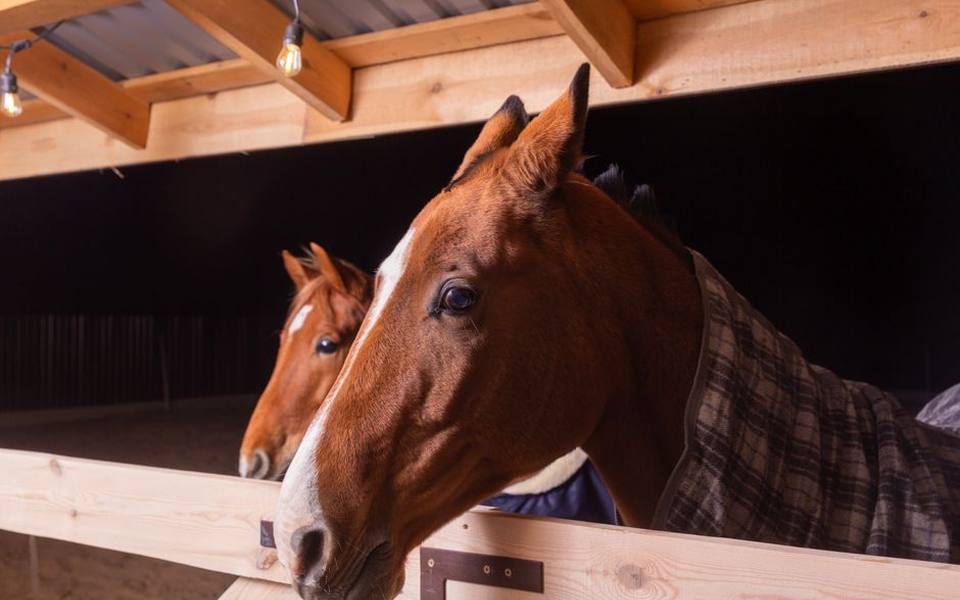
Visiting a farm in person provides vital insights into how foals and breeding stock are managed daily. Observe the cleanliness of the foaling stalls, the condition of pasture fencing, and the natural demeanor of the weanlings when humans enter the paddock. Well-handled young horses should display curiosity rather than flighty fear, reflecting early, gentle handling and consistent exposure to routine barn sights and sounds.
Before transferring deposits or signing contracts, review the breeder's terms regarding live foal guarantees, veterinary pre-purchase examination access, and registration transfer timelines. Reputable breeders welcome pre-purchase vetting by an independent veterinarian of your choice and provide clear, legal contracts outlining buyer and seller obligations in the event of unsoundness or shipping delays.
Preparing Stable Infrastructure for New Breeds and Foals
Bringing a newly acquired horse or preparing for an incoming broodmare requires tailoring your boarding environment to the animal's physical needs. While light riding horses thrive in standard twelve-by-twelve foot box stalls, giant draft breeds require reinforced fourteen-by-fourteen or sixteen-by-sixteen spaces with taller doorway clearances. Similarly, foaling mares require spacious, quiet stalls with solid lower walls to prevent newborn legs from getting trapped beneath partition boards.
Fencing selection must also correspond to the temperament and size of your horse. Fragile wire fencing poses severe laceration hazards for energetic young stock, while low paddock railings may fail to contain tall draft or warmblood breeds. High-visibility post-and-board, thick vinyl rail, or properly tensioned electrified coated wire represent safer alternatives that clearly define boundary lines without splintering on impact.
If you do not maintain your own farm, locating certified horse boarding facilities that have direct experience with your breed's specific management quirks is essential. Tour regional stables, speak with barn managers about their daily feeding programs, and verify that pasture turnouts feature safe herd dynamics and well-maintained footing before your horse unloads from the trailer.
Published 2026-09-20 · reviewed with each rebuild, last September 2026.
Find boarding stables near you
The directory lists 16,945 boarding stables by state and city — pick your state or use the “Near me” button in the header.
More guides
-
 Money
MoneyUnderstanding Monthly Horse Boarding Expenses and Stable Fees
-
 Owning
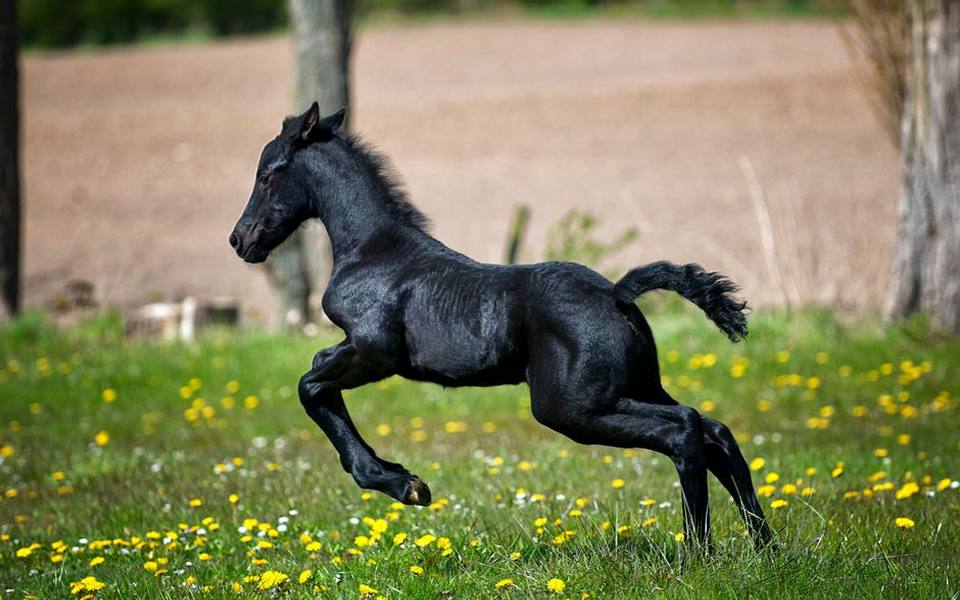
Understanding Friesian Horse Ownership: Traits, Costs, and Daily Care
-
 Owning
Understanding Riding Disciplines, Essential Tack, and the True Costs of Horse Ownership
-
 Money
MoneyUnderstanding the Costs of Getting Started in the Saddle
-
 Buying
Understanding Initial Horse Purchase Prices by Breed, Size, and Training
-
 Service
The Career Path of a Farrier: Education, Training, and Timeline
-
Owning
Choosing Between Alfalfa and Orchard Grass Hay for Horses
-
 Money
MoneyEssential Horse Ownership Expenses: Leasing, Insurance, and Maintenance
-
 Owning
Complete Guide to Cattle Breeds: Dairy vs Beef Cow Selection and Care
-
 Buying
Horse Buying Guide: Breed Selection, Market Prices, and Classifieds
-
 Owning
Small Farm Livestock Breeding: Goats, Sheep, Pigs, and Poultry
-
 Buying
Miniature Livestock Guide: Mini Cattle, Ponies, and Pocket Equines
-
 Owning
The Complete Guide to Horse Boarding, Stables, and Facilities
-
 Owning
Rubber Stall Mats and Horse Stall Flooring: A Complete Guide
-
 Buying
Equestrian Riding Boots Buyer's Guide: Western and English Footwear
-
 Owning
Equine Health Care: Colic Signs, Deworming Charts, and Joint Supplements
-
 Owning
Complete Guide to Equine Fly Control: Sprays, Repellents, and Fly Sheets
-
 Safety
Equine Riding Helmets: Sizing, Safety Standards, and Selection Guide
-
 Service
Beach Horseback Riding and Trail Riding Tours Guide
-
 Service
Equine Training Fundamentals: Groundwork, Lunging Techniques, and Equestrian Vaulting
-
 Service
Equine-Assisted Therapy and Psychotherapy: A Practical Guide to Methods, Benefits, and Programs
-
 Buying
A Complete Guide to Buying a Horse: Breeds, Equine Sales, and Insurance
-
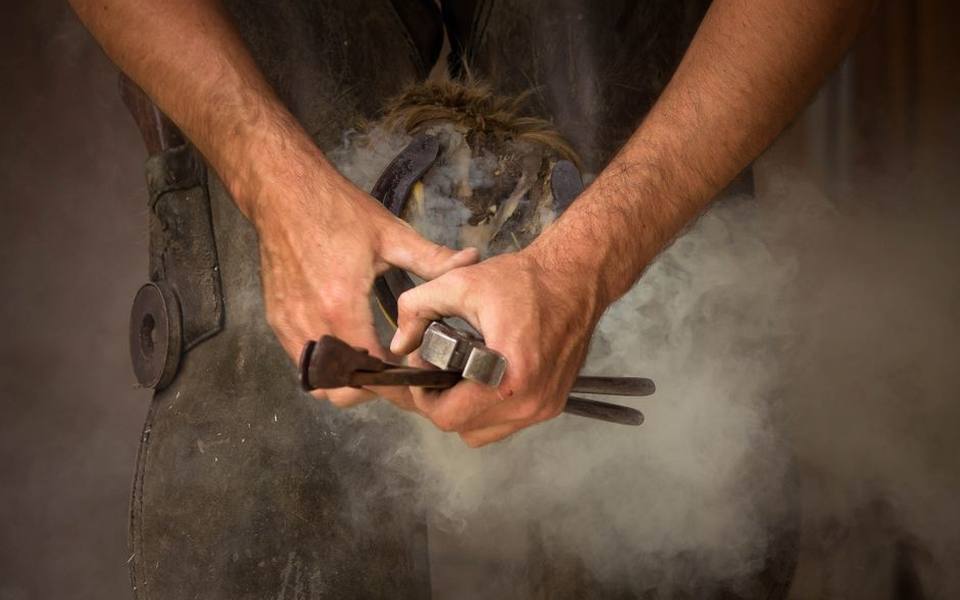 Owning
Complete Guide to Horse Hoof Care, Farrier Services, and Hoof Boots
-
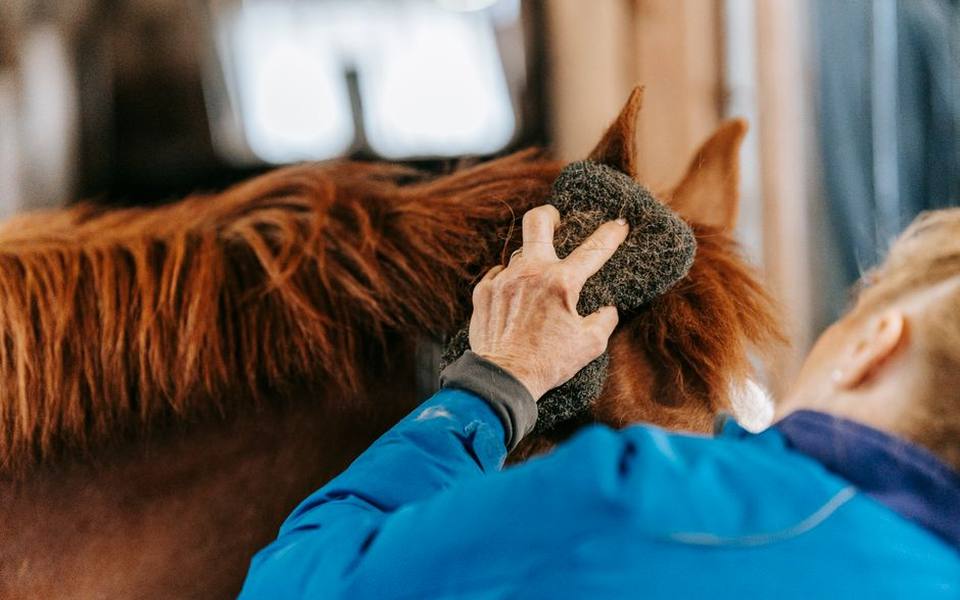 Owning
A Complete Guide to Horse Grooming, Sheath Cleaning, Massage, and Routine Wellness
-
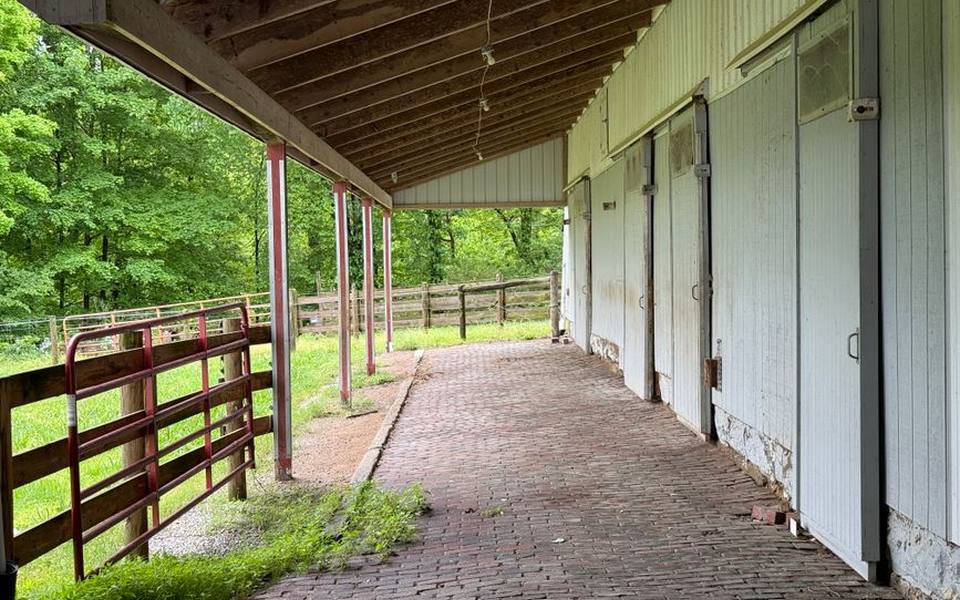 Owning
Horse Barn Setup, Stall Infrastructure, Arenas, and Facility Equipment
-
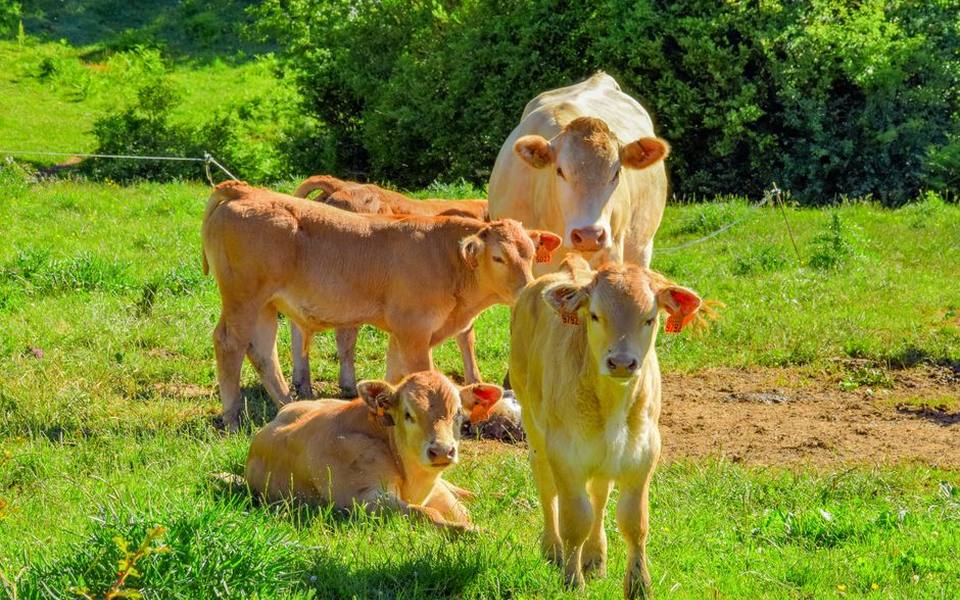 Buying
Beef and Dairy Cattle Breeds: Buyer's Guide, Traits, and Livestock Care
-
 Owning
Homestead Livestock Guide: Raising Sheep, Goats, Pigs, and Poultry
-
 Service
Equine Dentistry Guide: Floating Teeth, Routine Care, and Choosing a Practitioner
-
 Owning
Equine Saddles and Tack Care: Selection, Fit, Cleaning, and Room Setup
-
 Owning
Horse Blankets and Sheet Guide: Fit, Turnout Types, and Fly Protection
-
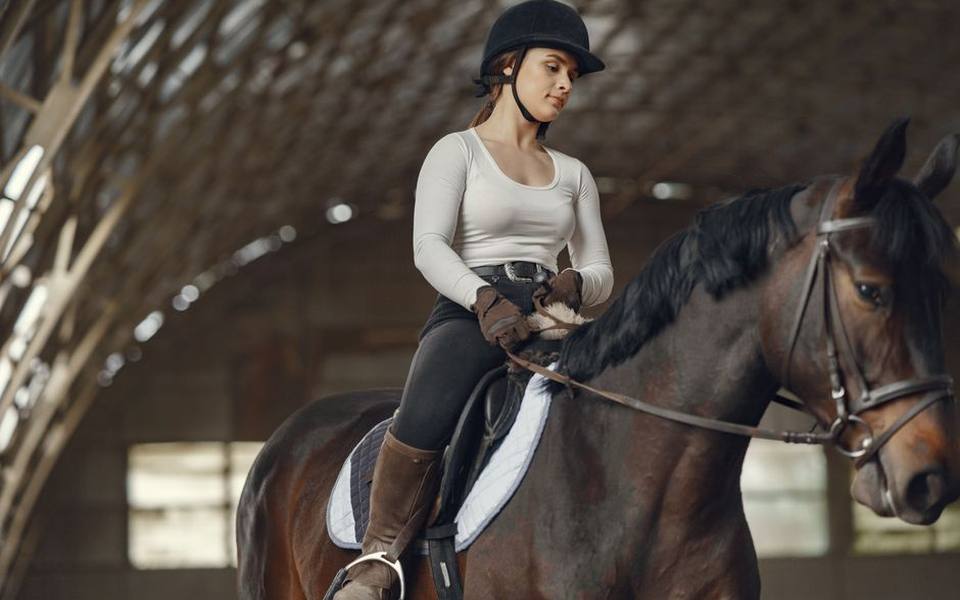 Safety
Equestrian Riding Apparel and Gear: Helmets, Boots, and Show Attire
-
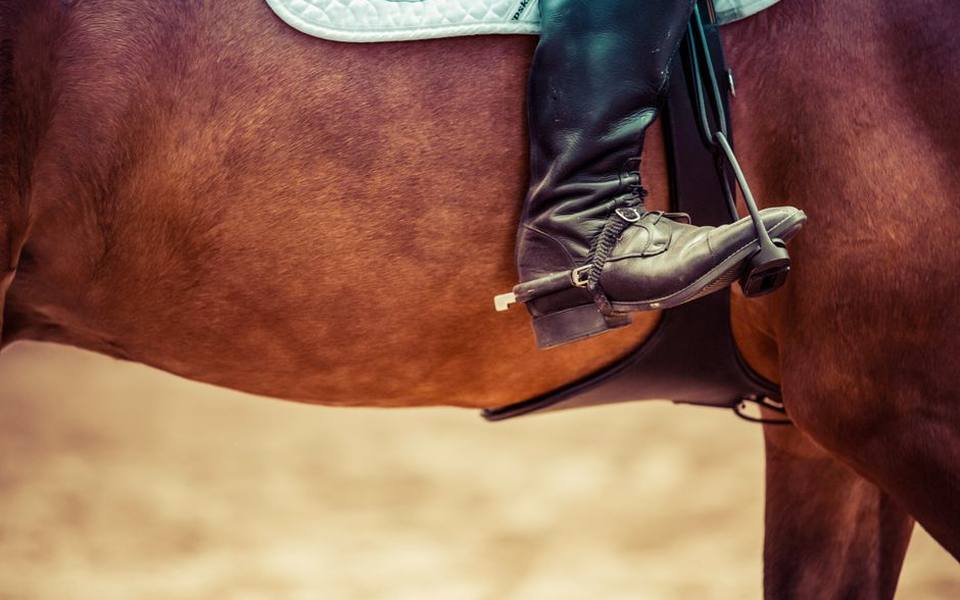 Owning
Equestrian Gift Guide: Practical and Thoughtful Presents for Horse Lovers and Riders
-
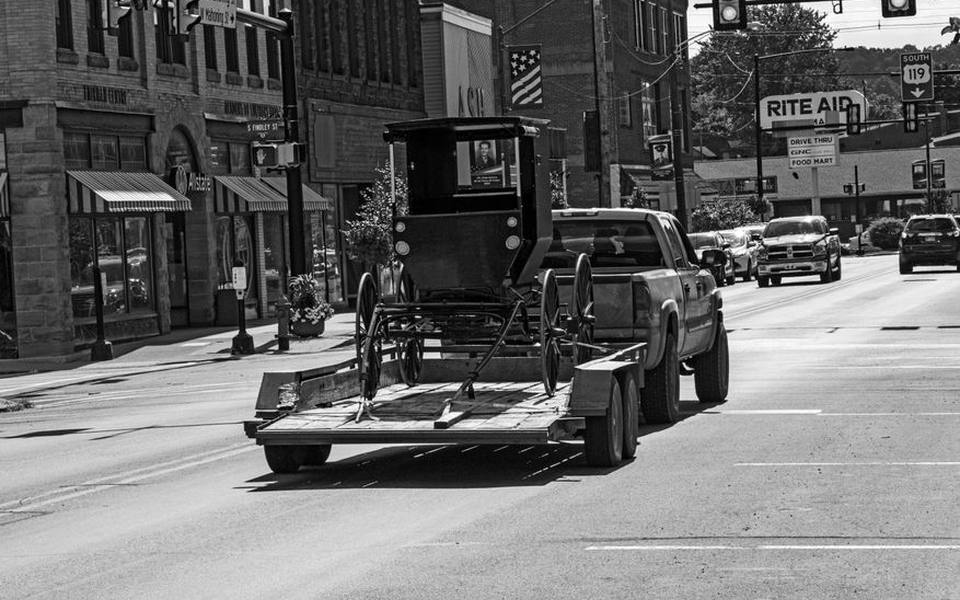 Service
Horse Transportation Guide: Hauling Services, Trailer Rentals, and Layover Stables
-
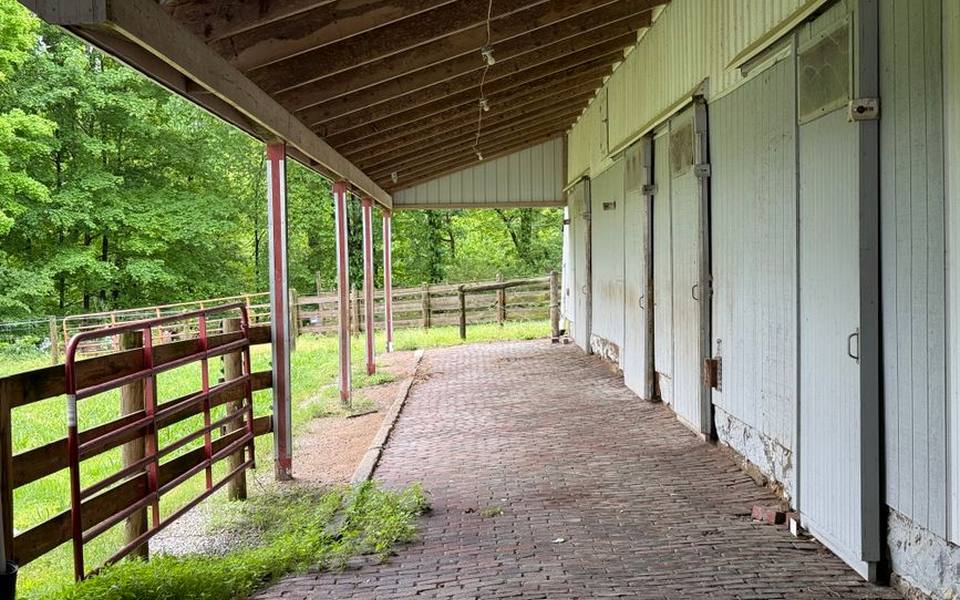 Owning
Designing and Managing a Boarding Stable: Facility Planning, Barn Construction, and Daily Operations
-
 Owning
Horse Health Care, Fly Control, and Preventative Vet Schedules
-
 Service
Beginner Equestrian Camps and Riding Programs: How to Choose the Right Barn
-
 Safety
A Complete Guide to Western Riding Helmets, Barn Footwear, Halters, and Hoof Gear
-
 Service
Guided Horseback Riding Tours & Vacation Stables Guide
-
 Buying
Buying and Selling Horses: Sales Auctions & Breed Marketplaces