What to expect from introductory horse camps and beginner programs
Introductory equestrian camps and beginner riding programs focus as much on ground horsemanship, equine behavior, and barn safety as they do on saddle time. First-time riders often arrive expecting to spend five or six hours galloping across open fields, but responsible programs typically structure the day to avoid fatiguing both riders and school horses. A standard day balances riding instruction with unmounted education, including grooming, tack care, feeding schedules, and basic equine anatomy.
Mounted instruction in a beginner horse camp generally starts with the basics of mounting, dismounting, and establishing a secure, balanced seat. Novice riders learn how to hold the reins with a soft contact, steer through cones, halt smoothly, and post to the trot. By integrating structured horse riding lessons into a broader camp curriculum, instructors give students a complete overview of what managing and riding an animal truly entails rather than treating the horse like amusement park equipment.
These entry-level programs serve a diverse range of students, from young children meeting a pony for the first time to teenagers preparing for interscholastic riding teams. Furthermore, adult beginner clinics and evening horse riding camps have grown steadily in popularity across many regions. Whether designed for youth or adults, quality programs emphasize patient progression, ensuring that every participant feels secure on the ground before stepping into the stirrups.
Choosing between half-day, full-day, and sleepaway camp formats
Summer equine programs generally come in three distinct formats: half-day day camps, full-day day camps, and overnight or sleepaway sessions. Half-day camps typically run for three to four hours in the morning or early afternoon, which is often ideal for younger riders between the ages of six and nine. At this age, the physical exertion of balancing on a horse combined with summer temperatures can lead to rapid fatigue, making a shorter session much more productive.
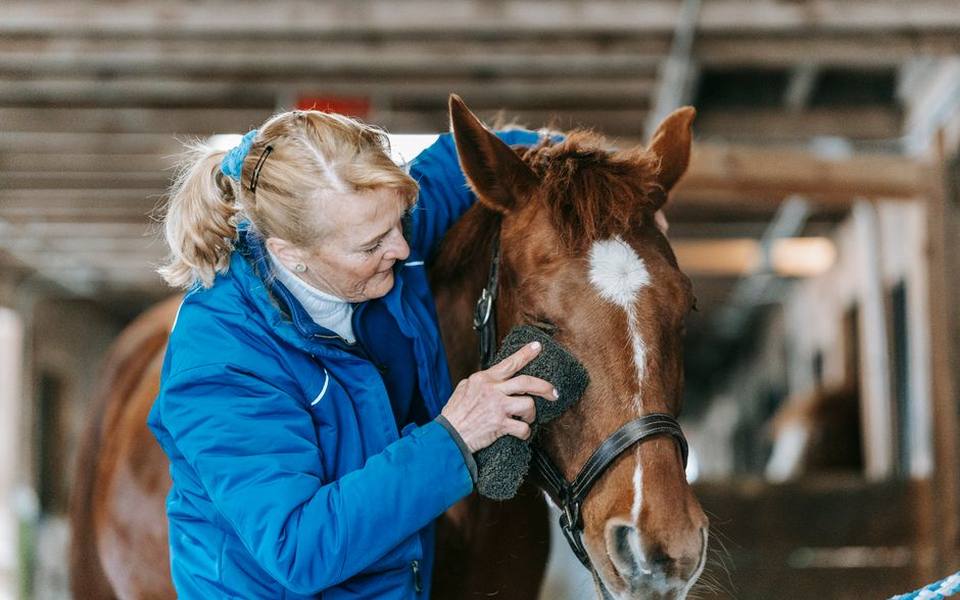
Full-day horseback riding summer camp programs usually operate from morning until mid-afternoon, offering a deeper dive into the daily operational life of a barn. In addition to their daily mounted lesson, full-day campers often participate in hands-on barn chores such as mucking stalls, sweeping barn aisles, scrubbing water troughs, and mixing grain rations. This level of participation gives aspiring horse owners a realistic look at the dedication required to care for equines every single day.
Overnight equine summer camps provide the most intensive equestrian experience, often blending traditional summer camp activities like swimming and campfires with multiple daily barn sessions. Sleepaway camps allow riders to take total ownership of an assigned horse for an entire week, caring for the animal morning and evening. However, overnight programs require a higher level of emotional independence and personal responsibility, so they are generally best suited for slightly older children or riders with prior barn experience.
Ground handling, horsemanship, and horse safety fundamentals
A quality equestrian camp teaches students that safe horsemanship begins long before stepping into the arena. Horses are prey animals with acute instincts, wide blind spots directly behind their tails and under their noses, and a natural instinct to flee from unfamiliar noises or sudden movements. Introductory programs spend substantial time teaching campers how to read horse ear positions, approach stalls quietly, and speak in calm, assertive voices so the animals feel secure.
Campers quickly learn how to halter a horse safely, tie a quick-release knot, and lead an animal through barn aisles while maintaining safe spacing. In an equestrian horse camp, children learn to respect the horse's personal space and never stand directly behind the hindquarters or wrap a lead rope around their hands. Mastering these basic handling skills builds real confidence, transforming an intimidating thousand-pound animal into a predictable, cooperative partner.
Tacking up is another critical skill emphasized in beginner horse riding camp curricula. Students practice picking out hooves, using curry combs and dandy brushes to remove grit that could chafe under a saddle, and lifting English or Western saddles onto the horse's back. Instructors carefully supervise students as they fasten the girth or cinch, teaching riders to check for tightness gradually to keep the horse comfortable and prevent the saddle from slipping during the lesson.
Exploring riding disciplines from hunt seat to dressage
Many equestrian summer camps introduce newcomers to distinct riding disciplines so riders can discover which style best matches their personal goals. Hunt seat equitation, western horsemanship, and classical dressage represent the three most common foundations taught at recreational and competitive stables. While western saddles feature deep seats and horns for working cattle, English saddles are flatter and designed to give the rider closer contact with the horse's back and sides.
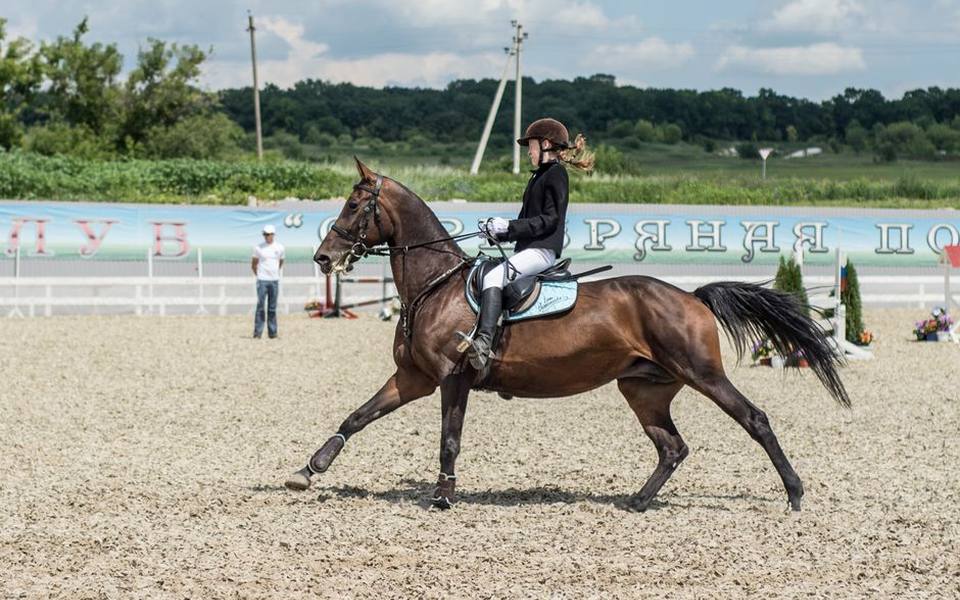
Foundational equestrian lessons in classical dressage provide immense value to beginner riders regardless of which discipline they ultimately choose. Introductory dressage lessons emphasize rider alignment, balance, and fine-tuned aids, teaching students how subtle shifts in seat weight and soft rein contact guide the horse into balanced circles and transitions. By learning to communicate through the seat and legs rather than pulling harshly on the bit, beginners develop kind, effective hands early in their riding journey.
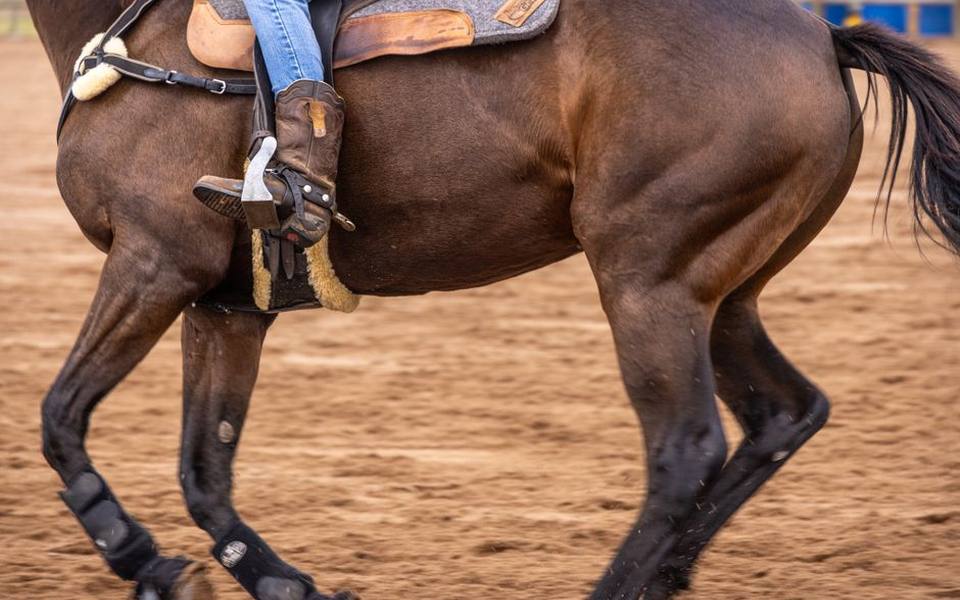
Western programs in a horse riding summer camp often incorporate trail obstacles, pole bending, and basic neck-reining skills. Riders learn to sit deeply into the saddle and use longer stirrups, which can feel exceptionally stable and reassuring for anxious beginners. Exposure to varied riding traditions allows students to appreciate horse sports from multiple angles, helping parents and riders decide which discipline to pursue when booking formal, long-term lessons later on.
Adult beginner programs and late-starting riders
Learning to ride as an adult involves a distinctly different physical and mental process than teaching a fearless eight-year-old. Adults typically arrive with greater intellectual comprehension of riding theory, but they also carry heightened awareness of personal injury, job responsibilities, and physical limitations. Mature students often hold unconscious muscle tension in their shoulders and hips, which horses can detect immediately, sometimes causing the animal to mirror that anxiety.
Specialized adult camps and weekend intensives are structured to remove the pressure of performing in front of advanced riders. Barns offering adult equestrian riding camps focus heavily on biomechanics, core stability, and gentle stretching routines that open tight hips before mounting. Instructors work closely with adult students to establish clear boundaries, moving at a pace that respects individual comfort levels and gradually replaces apprehension with muscle memory.
Enrolling in adult-focused beginner horseback riding classes provides a wonderful social outlet alongside physical exercise. Riding activates deep core stabilizers, inner thigh muscles, and postural muscles that traditional gym workouts rarely engage. For adults who have harbored a lifelong dream to learn horseback riding, these dedicated beginner camps offer an accessible, welcoming entry point without requiring the immediate purchase of a horse.
Evaluating arena footing, layout, and barn infrastructure
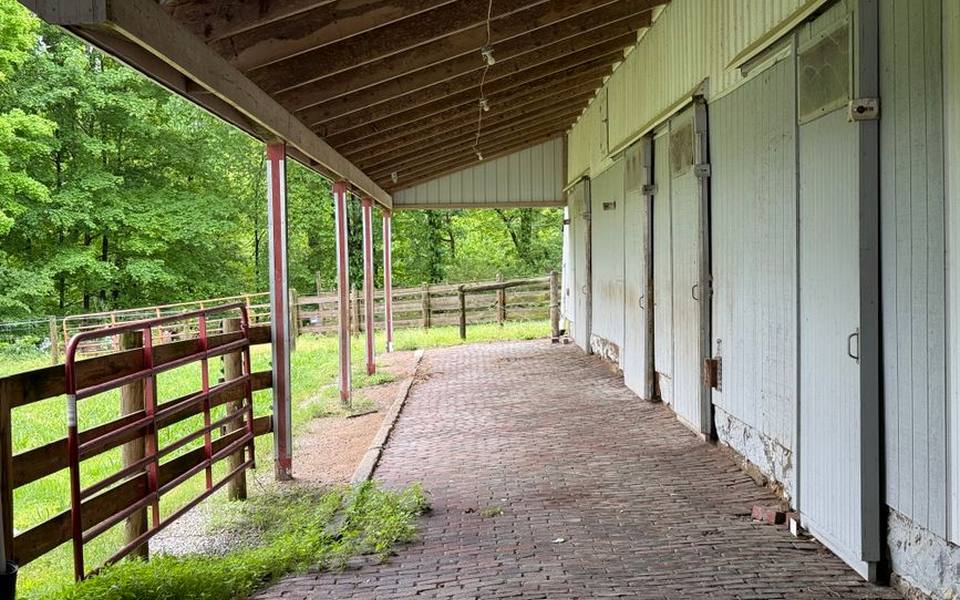
The physical layout and maintenance standards of a stable provide immediate clues regarding the quality of its camp programs. Well-maintained facilities prioritize horse and rider safety above aesthetic luxury. When touring potential barns, examine the perimeter fencing around paddocks and outdoor arenas; rails should be sturdy, free from protruding nails or sagging wire, and constructed from durable wood, vinyl, or specialized equine mesh.
Weather conditions can significantly disrupt seasonal summer programs unless a stable has adequate indoor facilities. Stables with indoor arenas or large covered riding rings offer a massive advantage during unpredictable summer months, shielding riders from torrential downpours, severe midday heat, and excessive humidity. Having a sheltered riding space ensures that lessons proceed on schedule without forcing riders or horses into unsafe, muddy outdoor rings.
Arena footing requires careful evaluation because improper footing leads to slips, falls, and chronic equine tendon strain. The riding surface should be level, consistently dragged, and properly watered to keep dust down. Footing that is too deep and shifty tires horse legs quickly, while hard, compacted dirt increases concussion on joints if a student takes a tumble. Clean, organized cross-ties, wide barn aisles, and dedicated viewing areas for parents further signal a professionally run equine operation.
Required riding gear and apparel essentials for beginners
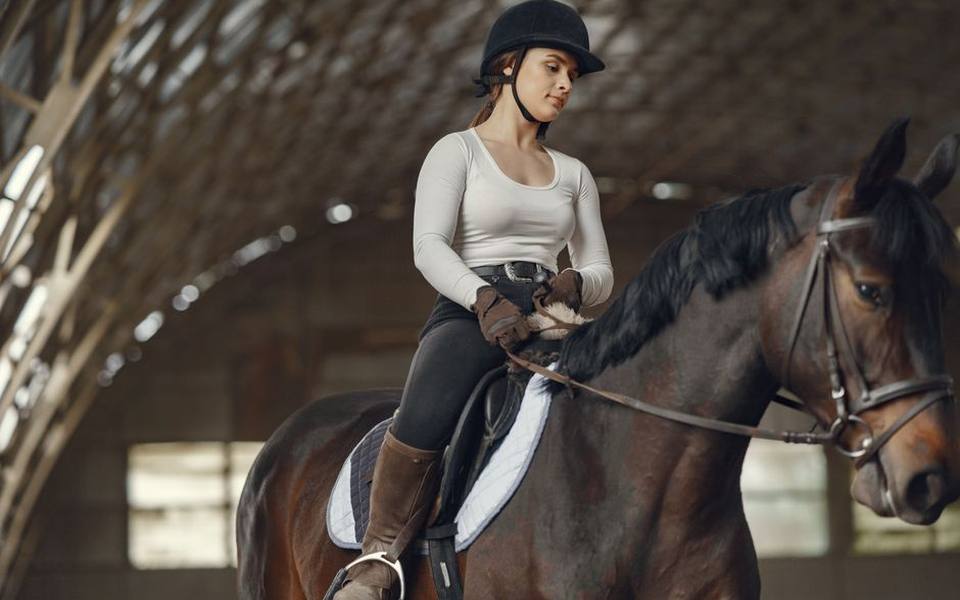
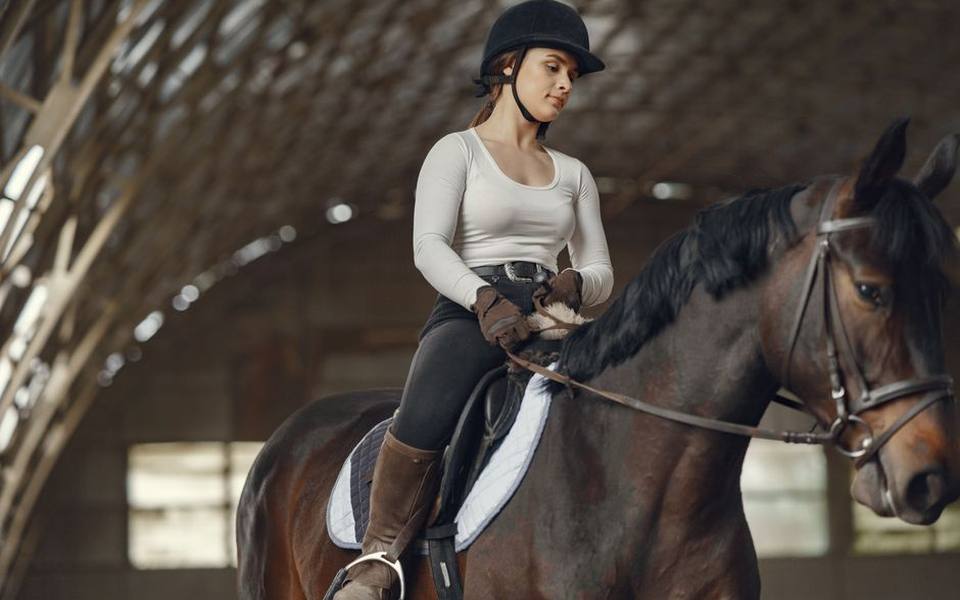
Outfitting a new rider for camp does not require spending hundreds of dollars on brand-name equestrian apparel right away. The single most important piece of safety gear is an ASTM/SEI-certified equestrian helmet. Bicycle, skateboard, and ski helmets are strictly prohibited in legitimate barns because they are not engineered to protect against equine-specific impacts, such as a kick from an iron horseshoe or a fall from six feet in the air.
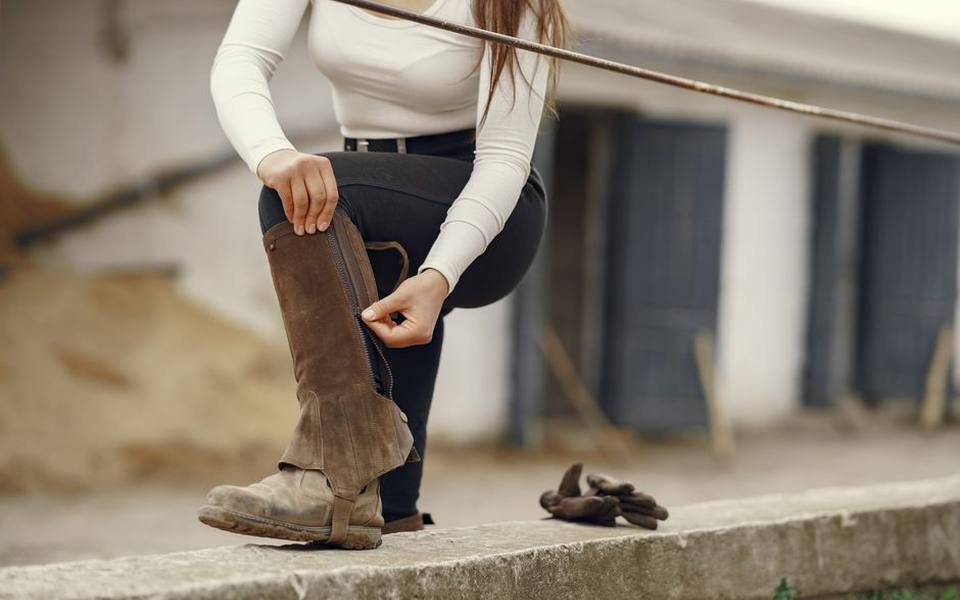
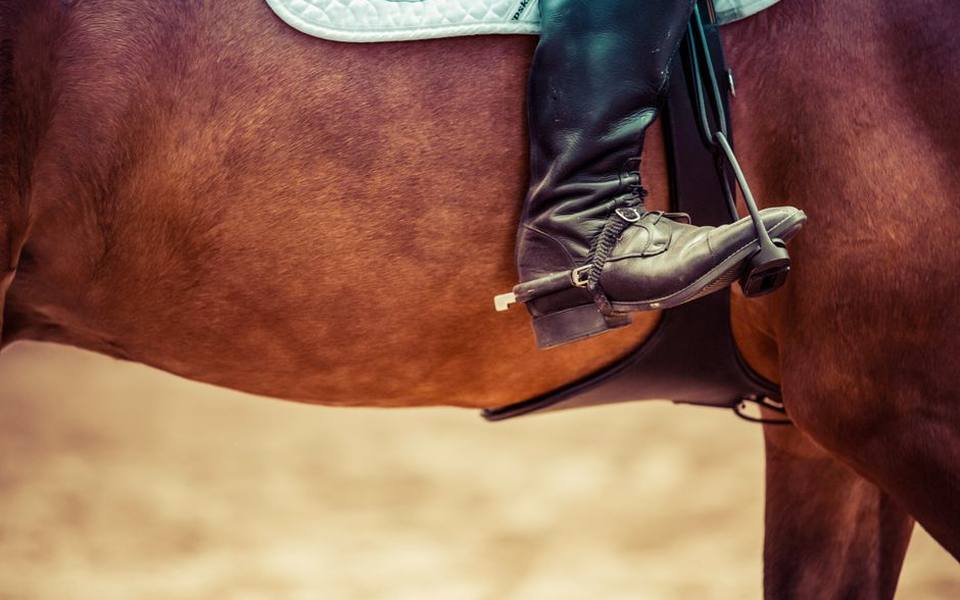
Footwear is the second non-negotiable safety item that parents must provide. Campers must wear sturdy, closed-toe boots with a smooth sole and a distinct heel of at least one inch. This specific heel design prevents the rider's foot from accidentally slipping forward through the stirrup iron during an unexpected stop, which could cause a dangerous drag situation. Tennis shoes, sandals, work boots with heavy tread, and canvas sneakers should never be worn in the saddle.
For clothing, full-length pants are mandatory to protect the rider's legs from painful pinching between the saddle leather and stirrup leathers. Lightweight riding tights, stretchy athletic leggings, or soft, seamless jeans work well for warm-weather camps. Baggy sweatpants, shorts, and loose jewelry should be left at home. In addition, fitted equestrian gloves help prevent blisters from reins, and lightweight, breathable tops ensure the rider stays cool under the summer sun.
The role of school horses in beginner safety
The true foundation of any beginner equestrian camp is its herd of school horses. Experienced lesson horses, often affectionately called 'schoolmasters,' are seasoned equines that have worked with dozens of riders over many years. These horses are typically older, unflappable animals that patiently tolerate off-balance riders, accidental rein tugs, and noisy barn environments without reacting defensively or spooking unpredictably.
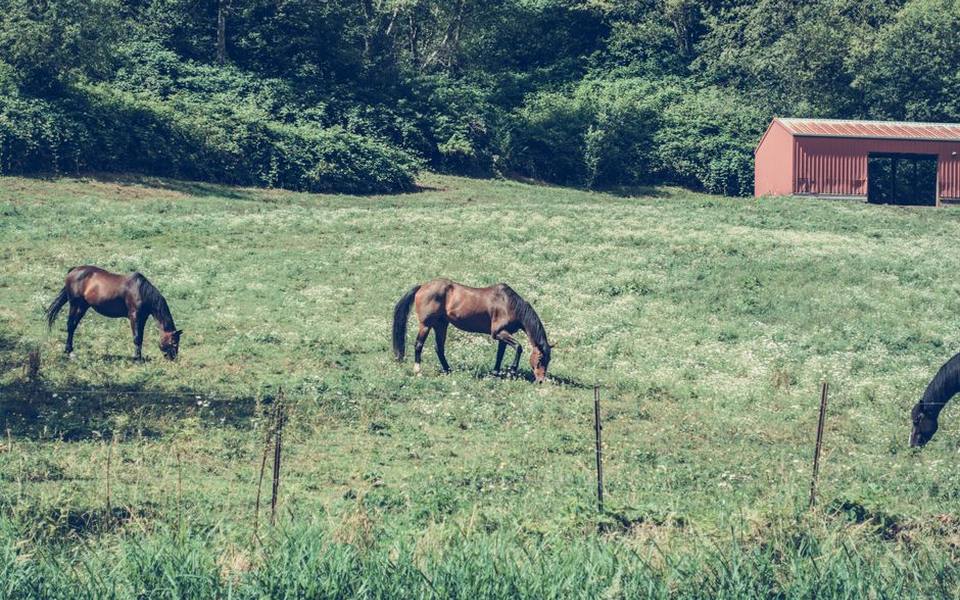
A responsible barn manager carefully monitors lesson horse workloads to ensure animals remain healthy, sound, and mentally willing. In reputable camp settings, horses typically participate in no more than one or two mounted sessions per day, separated by ample rest, water breaks, and turnout time in grass paddocks. Overworked horses can develop back soreness, irritability, and sour attitudes, which compromises both equine welfare and student safety.
Having a diverse group of horses and ponies allows instructors to match mounts to each camper's physical stature and confidence level. A timid seven-year-old benefits from a small, steady pony that does not feel towering, while a tall adult beginner requires a stout draft cross or quarter horse capable of carrying their weight comfortably. Thoughtful horse matching builds trust between student and mount from the very first hour.
Transitioning from seasonal camp to year-round weekly instruction
A week at an equestrian summer camp often sparks a deep, lasting enthusiasm that extends well past August. Transitioning from a concentrated camp experience into regular, year-round lessons helps riders retain muscle memory, coordination, and foundational horsemanship habits. When riding only once a year, students tend to start over each summer, whereas weekly lessons foster steady, continuous athletic progress.
As riders advance through weekly lessons, they gain opportunities to explore activities outside of basic arena drills. Many lesson barns offer access to hacks through open fields or are situated as boarding stables with trail access, giving students a chance to practice balance across uneven terrain, negotiate hill climbs, and build equine partnerships in natural settings. Trail riding broadens a student's horsemanship skills beyond the confines of ring work.
Parents should evaluate how a barn structures its regular lesson schedule before committing to long-term enrollment. Most stables offer lessons in monthly tuition packages or multi-lesson punch cards, with options ranging from private one-on-one sessions to small group classes of three or four riders. Group lessons are often cost-effective and provide great social camaraderie, while private instruction accelerates technical proficiency for riders preparing for horse shows or leasing.
Questions to ask barn managers before signing a waiver
Before submitting a non-refundable camp deposit or signing a liability waiver, schedule an in-person visit to the facility while classes or normal barn activities are in session. Observe the interaction between instructors and students; coaching should be encouraging, structured, and focused on safety rather than high-stress drill work. Pay attention to the overall calm of the barn, as a chaotic or noisy stable often signals poor management.
Inquire directly about the camper-to-staff ratio during both mounted and unmounted hours. For beginner riders, reputable operations generally maintain a ratio of one instructor or experienced counselor for every four to six students. For very young riders, having teenage helpers or 'grooms' lead horses or walk alongside the stirrup—often referred to as sidewalking—provides an indispensable extra layer of hands-on physical security.
Finally, check staff credentials, emergency protocols, and liability policies. Ask whether instructors hold certifications from recognized industry organizations, such as the Certified Horsemanship Association or national equestrian federations, and confirm that staff members are trained in basic first aid and CPR. A professional facility will openly discuss their heat-safety protocols, dehydration prevention, helmet replacement policies, and procedures for handling sudden inclement weather.
Published 2026-09-20 · reviewed with each rebuild, last September 2026.
Find boarding stables near you
The directory lists 16,945 boarding stables by state and city — pick your state or use the “Near me” button in the header.
More guides
-
 Money
MoneyUnderstanding Monthly Horse Boarding Expenses and Stable Fees
-
 Owning
Understanding Friesian Horse Ownership: Traits, Costs, and Daily Care
-
 Owning
Understanding Riding Disciplines, Essential Tack, and the True Costs of Horse Ownership
-
 Money
MoneyUnderstanding the Costs of Getting Started in the Saddle
-
 Buying
Understanding Initial Horse Purchase Prices by Breed, Size, and Training
-
 Service
The Career Path of a Farrier: Education, Training, and Timeline
-
Owning
Choosing Between Alfalfa and Orchard Grass Hay for Horses
-
 Money
MoneyEssential Horse Ownership Expenses: Leasing, Insurance, and Maintenance
-
 Owning
Complete Guide to Cattle Breeds: Dairy vs Beef Cow Selection and Care
-
 Buying
Horse Buying Guide: Breed Selection, Market Prices, and Classifieds
-
 Owning
Small Farm Livestock Breeding: Goats, Sheep, Pigs, and Poultry
-
 Buying
Miniature Livestock Guide: Mini Cattle, Ponies, and Pocket Equines
-
 Owning
The Complete Guide to Horse Boarding, Stables, and Facilities
-
 Owning
Rubber Stall Mats and Horse Stall Flooring: A Complete Guide
-
 Buying
Guide to Horse Breeds, Breeders, and Equine Artificial Insemination
-
 Buying
Equestrian Riding Boots Buyer's Guide: Western and English Footwear
-
 Owning
Equine Health Care: Colic Signs, Deworming Charts, and Joint Supplements
-
 Owning
Complete Guide to Equine Fly Control: Sprays, Repellents, and Fly Sheets
-
 Safety
Equine Riding Helmets: Sizing, Safety Standards, and Selection Guide
-
 Service
Beach Horseback Riding and Trail Riding Tours Guide
-
 Service
Equine Training Fundamentals: Groundwork, Lunging Techniques, and Equestrian Vaulting
-
 Service
Equine-Assisted Therapy and Psychotherapy: A Practical Guide to Methods, Benefits, and Programs
-
 Buying
A Complete Guide to Buying a Horse: Breeds, Equine Sales, and Insurance
-
 Owning
Complete Guide to Horse Hoof Care, Farrier Services, and Hoof Boots
-
 Owning
A Complete Guide to Horse Grooming, Sheath Cleaning, Massage, and Routine Wellness
-
 Owning
Horse Barn Setup, Stall Infrastructure, Arenas, and Facility Equipment
-
 Buying
Beef and Dairy Cattle Breeds: Buyer's Guide, Traits, and Livestock Care
-
 Owning
Homestead Livestock Guide: Raising Sheep, Goats, Pigs, and Poultry
-
 Service
Equine Dentistry Guide: Floating Teeth, Routine Care, and Choosing a Practitioner
-
 Owning
Equine Saddles and Tack Care: Selection, Fit, Cleaning, and Room Setup
-
 Owning
Horse Blankets and Sheet Guide: Fit, Turnout Types, and Fly Protection
-
 Safety
Equestrian Riding Apparel and Gear: Helmets, Boots, and Show Attire
-
 Owning
Equestrian Gift Guide: Practical and Thoughtful Presents for Horse Lovers and Riders
-
 Service
Horse Transportation Guide: Hauling Services, Trailer Rentals, and Layover Stables
-
 Owning
Designing and Managing a Boarding Stable: Facility Planning, Barn Construction, and Daily Operations
-
 Owning
Horse Health Care, Fly Control, and Preventative Vet Schedules
-
 Safety
A Complete Guide to Western Riding Helmets, Barn Footwear, Halters, and Hoof Gear
-
 Service
Guided Horseback Riding Tours & Vacation Stables Guide
-
 Buying
Buying and Selling Horses: Sales Auctions & Breed Marketplaces