The Reality of Equine Expenses
The purchase price of an equine companion is almost always the smallest check you will write over the animal's lifetime. Prospective equestrians frequently focus their savings on acquiring the horse itself, only to find that recurring monthly obligations quickly surpass initial estimates. In most states, regular boarding, routine health checks, nutrition, and farrier visits establish a steady baseline that runs year-round, regardless of how often you manage to ride.
Monthly maintenance varies widely by region and lifestyle, but an average owner typically plans for recurring costs between several hundred and well over a thousand dollars per month. A horse housed on self-care pasture in a rural district requires a very different budget than an animal kept in full training at a metropolitan facility with round-the-clock staffing. Understanding the exact mechanical breakdown of these everyday bills prevents financial strain down the road.
Before bringing an animal home or signing a lease, evaluating realistic ongoing commitments provides clarity. Factoring in fixed overhead like housing alongside flexible items like supplements, trailer logistics, and emergency healthcare ensures that your equine partnership remains enjoyable rather than overwhelming. Planning ahead allows you to focus on the partnership rather than surprise veterinary bills.
Purchase Costs Across Popular Breeds
Purchase prices differ significantly across breeds depending on training level, conformation, pedigree, and intended use. An off-track or green Thoroughbred horse price typically starts on the modest end of the spectrum, sometimes ranging from a few hundred dollars at rescue rehoming facilities to several thousand dollars for a prospect with clean legs and sound movement. Conversely, a seasoned Thoroughbred competing successfully in recognized hunter, jumper, or eventing divisions can easily demand five figures.
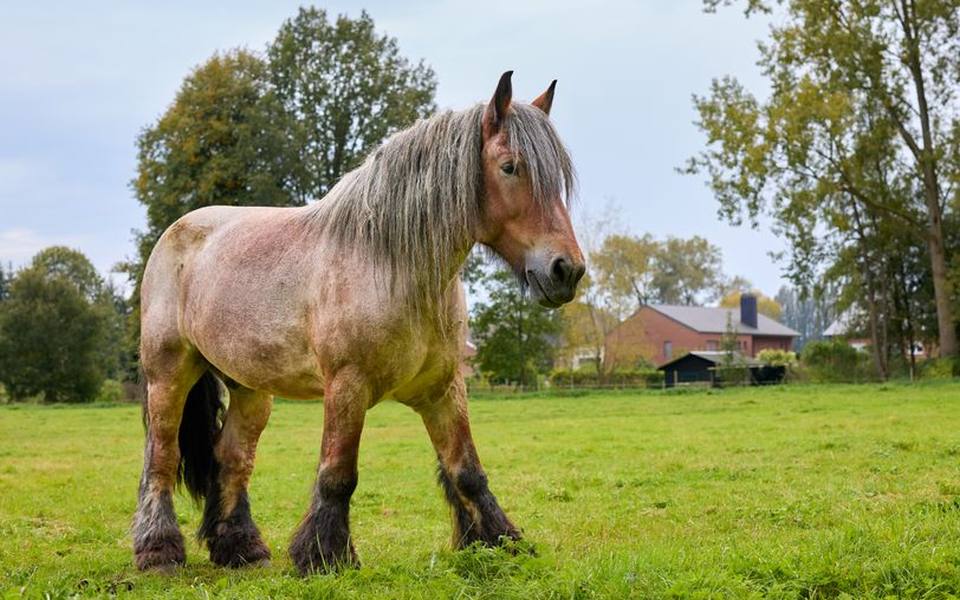
Heavier and specialty breeds carry distinct market expectations. A Gypsy horse price generally commands a premium due to distinct feathering, calm temperament, and striking coloration. Untrained young stock or grade crossbreds might begin in the mid-thousands, while registered, imported, or highly trained Gypsy Vanners typically command between ten and twenty-five thousand dollars. Buyers should also anticipate higher grooming supply usage to maintain traditional heavy feathering.
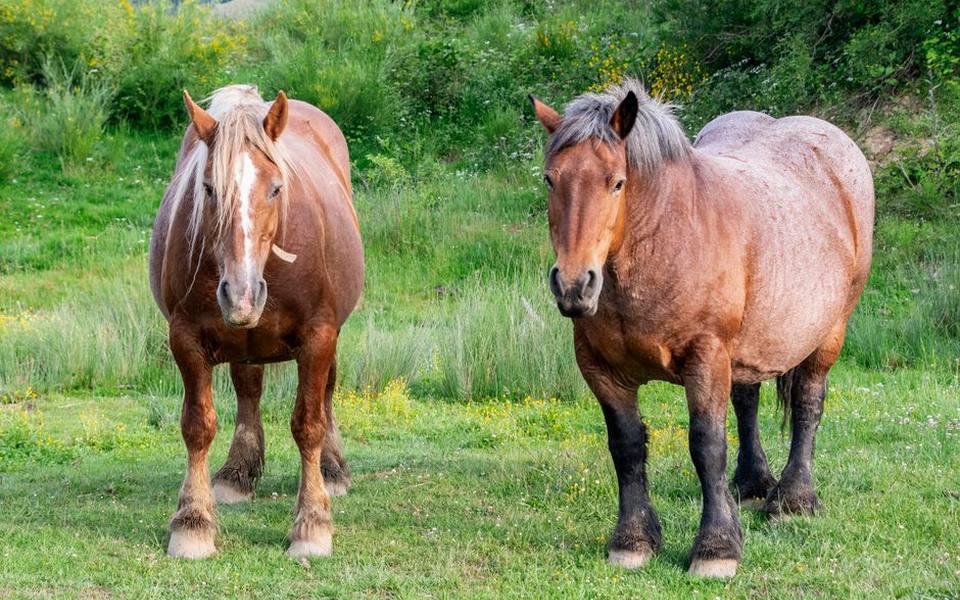
Draft enthusiasts often look toward the gentle giant of the ring, but the Shire horse price or broader Shire horse cost reflects both rarity and size. A sound, well-started Shire typically commands between five and fifteen thousand dollars, depending on bloodlines and harness or saddle training. Beyond the purchase transaction, prospective draft owners must factor in specialized oversized tack, custom shoes, and significantly larger feed rations that steadily increase daily upkeep.
Leasing Alternatives and Monthly Rates
If purchasing an animal outright feels financially daunting or premature, structured leasing presents an attractive pathway to regular riding time. An average horse leasing cost depends heavily on whether you enter a half-lease or a full-lease agreement. In a standard half lease, the rider usually pays a fixed monthly fee—often ranging from two hundred to five hundred dollars—in exchange for riding two to three designated days each week.
A full lease grants exclusive access to the animal and normally mirrors the exact expenses of outright ownership. Under a full-lease arrangement, the lessee typically covers all monthly board, routine farrier appointments, and standard preventative veterinary visits. Some owners charge an additional annual lease fee on top of operational maintenance, particularly if the mount is a proven competitive show horse with valuable training.
Care leases represent another common format where no upfront lease fee changes hands; instead, the lessee simply absorbs all living expenses in return for full access to the horse. Regardless of the agreement structure, participating riders often pair their time in the saddle with structured riding lesson programs to maintain consistent progress, clarify expectations, and ensure both horse and rider remain safe throughout the lease term.
Equine Insurance Policies and Premiums
Protecting your finances against catastrophic injury or colic surgery is a central pillar of responsible management. When owners ask how much does horse insurance cost, the baseline figure starts with equine mortality coverage. Mortality policies generally function like life insurance and are priced as a percentage of the animal's agreed-upon fair market value, typically running between 2.5 and 4 percent annually for pleasure horses under fifteen years of age.
While mortality insurance covers loss of life or theft, the most valuable add-on for working horses is major medical and surgical endorsement. Major medical coverage typically adds between four hundred and one thousand dollars annually to your policy premium, providing an annual benefit limit that ranges from seven thousand five hundred to fifteen thousand dollars. This coverage offsets expensive procedures, lameness diagnostics, joint injections, and emergency surgical interventions.
Deductibles and exclusions are critical considerations before binding a policy. Most carriers require a veterinary soundness examination or health certificate prior to issuing coverage, and any documented pre-existing lameness or medical history will be excluded from future payouts. For older horses ineligible for standard major medical, standalone surgical policies or colic-only endorsements offer an affordable safety net to protect against high emergency vet tabs.
Boarding Models and Daily Facility Care
Board constitutes the single largest recurring line item in any non-property-owning equestrian's monthly ledger. The broad network of horse boarding facilities across the country provides several distinct tiers of care designed to match varied budgets, disciplines, and time constraints. Understanding what is included in each tier helps you choose an arrangement that supports your animal's welfare without unnecessary expense.
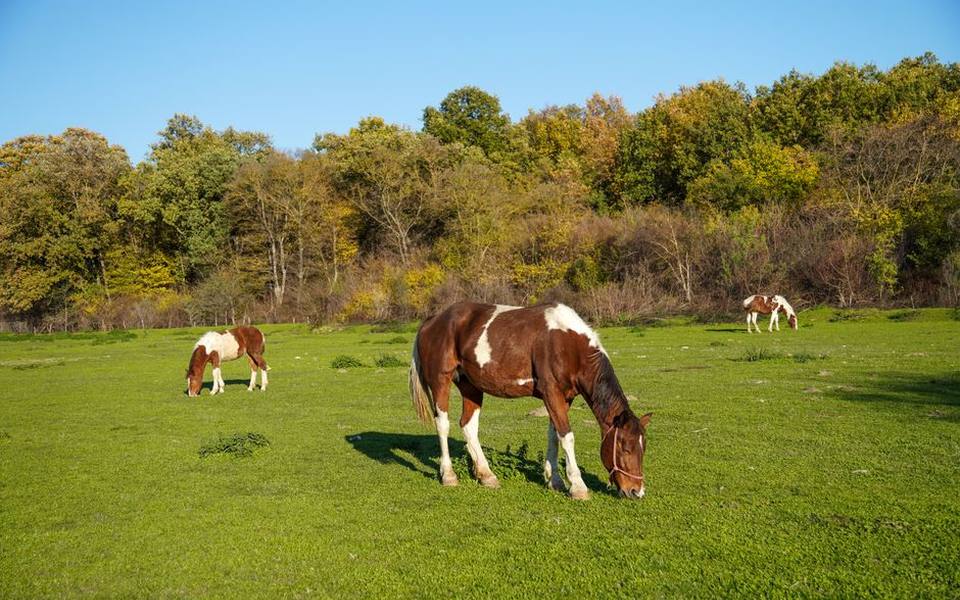
At the lower end of the pricing spectrum, pasture board stables provide continuous turn-out in herds with run-in shelter, natural grazing, and supplemental round-bale hay throughout winter months. Pasture board typically costs significantly less than stall accommodation, often falling between two hundred and five hundred dollars per month depending on grass quality and regional land values. This setup naturally promotes healthy equine digestion and consistent low-impact movement.
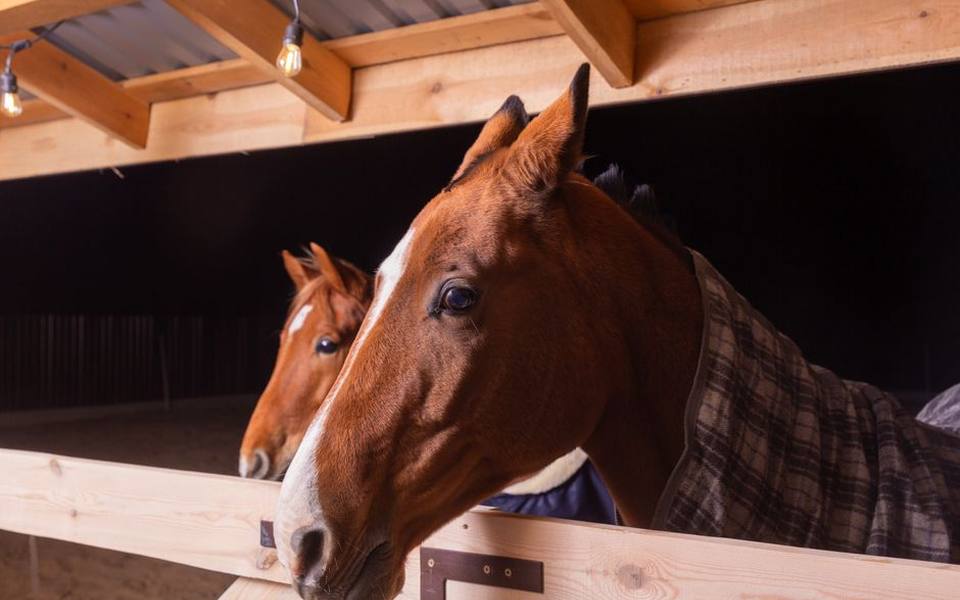
Full-care stall board, by contrast, includes daily mucking, dedicated individual turnout, grain distribution, and blanketing assistance. Properties that feature an indoor arena typically command higher rates, providing climate-sheltered riding through wet springs and freezing winters. Selecting the right facility requires balancing your personal schedule against the time required to supplement chores that the barn staff does not cover.
Joint Support and Nutritional Maintenance
Athletic wear and age inevitably impact the cartilage, synovial fluid, and connective tissues of working equines. Finding the best supplement for horses joints requires reading past promotional labels and identifying clinically backed active compounds. The best joint supplement for horses generally combines glucosamine hydrochloride, low-molecular-weight chondroitin sulfate, hyaluronic acid, and methylsulfonylmethane (MSM) in balanced concentrations to reduce inflammation and support natural joint lubrication.
When evaluating the best equine joint supplement for a specific horse, bioavailability matters far more than bulk scoop size. Oral hyaluronic acid has demonstrated measurable support for synovial fluid viscosity, making it popular for animals undergoing regular competition or heavy trail riding. Plant extracts like avocado-soybean unsaponifiables (ASU) and concentrated omega-3 fatty acids derived from marine or flax sources also offer gentle anti-inflammatory support without disrupting delicate gut flora.
Monthly joint supplementation generally adds between thirty and one hundred twenty dollars to a feed bill. While oral powders and pellets cannot reverse established osteoarthritic bone changes, introducing daily support early in an athletic career can prolong comfort. For advanced mobility deficits, owners should consult their attending veterinarian regarding whether prescription systemic polysulfated glycosaminoglycans or targeted intra-articular injections offer a more cost-effective clinical outcome than high-dose oral powders alone.
Techniques for Pulling and Tidying the Mane
A tidy, uniform mane is a traditional staple of show ring turnout and practical schooling barns alike. Learning how to pull a horses mane involves thinning the hair from the underside rather than simply shortening the ends with scissors, which leaves an unnatural, blocky edge. The goal is to shorten the overall length while simultaneously reducing excessive bulk, allowing neat hunter braids or clean flat bands to lay flush along the neck crest.
To begin, work when the horse is relaxed and warm, ideally right after exercise when the skin pores are open and hair slips out more easily. Using a sturdy metal pulling comb, grab the longest strands from the bottom of the mane, push the remaining hairs upward toward the crest like backcombing, wrap the few remaining strands firmly around the comb, and pull down sharply. Pulling small, pencil-thin clusters minimizes discomfort and keeps the horse calm.
Patience and humane pacing make a significant difference during this process. Never yank large sections, and take frequent breaks if your mount shows signs of head tossing, ear pinning, or neck tension. For sensitive or thin-skinned horses that refuse pulling altogether, equestrians achieve comparable, pain-free results using specialized thinning knives, razor combs, or meticulous solo-comb trimming that tapers hair ends without extracting follicles by the root.
Washing and Restoring Heavy Winter Blankets
Heavy turnouts, sheets, and coolers take significant abuse from mud, manure, and daily rolling during cold weather. Knowing how to wash horse blankets properly extends the usable lifespan of your gear and protects water-resistant technical coatings. Always begin by hanging the dry blanket over a fence and knocking off crusted mud, bedding, and loose hair with a stiff dandy brush before introducing any water.
Standard home top-load washing machines with center agitators should never be used for heavy equine blankets, as surcingle straps and heavy fabrics frequently shred agitators or burn out residential drive motors. Instead, visit a commercial laundromat with heavy-duty front-load machines or use a dedicated blanket wash service. Wash using cold or lukewarm water on a gentle cycle with a non-detergent, fabric-safe soap formulated specifically for breathable turnout shells.
Harsh household laundry detergents strip the factory durable water repellent (DWR) finish off the outer shell, leaving your horse damp during heavy downpours. Once the cycle finishes, apply a wash-in or spray-on waterproofing restoration agent while the outer nylon is still damp, and always hang the blanket to air dry completely. Machine drying with high heat will melt waterproof membranes, destroy polyfill insulation, and shrink synthetic bindings beyond repair.
Trailer Rentals and Transport Solutions
Getting your mount to off-site trails, clinics, or vet hospitals requires dependable transportation, leading many owners to ask: can you rent a horse trailer? While traditional nationwide car rental agencies strictly prohibit transporting live animals in their equipment, equestrians can regularly rent horse trailers through specialized local dealerships, peer-to-peer equipment sharing platforms, and neighboring boarding stables that keep idle haulers on site.
Daily rental rates for a standard two-horse bumper pull typically range from fifty to one hundred fifty dollars per day, often requiring a refundable damage deposit and proof of comprehensive auto insurance. Before hooking up, verify that your tow vehicle features adequate gross vehicle weight ratings (GVWR), an integrated electronic brake controller, and a properly rated receiver hitch. Safe hauling requires substantial vehicle mass to manage dynamic animal shifts in transit.
For owners without adequate tow vehicles, hiring a licensed local commercial hauler often proves far more economical than purchasing a dedicated rig. Commercial hauling services typically charge a standard hook-up fee plus an agreed-upon per-mile rate. When planning outings to facilities offering trail access, coordinating trailer carpools with other boarders at your barn reduces highway travel costs while providing experienced trail companions.
Building Reserves for Long-Term Maintenance
Beyond monthly boarding and feed bills, consistent routine maintenance keeps horses healthy and prevents minor physical issues from escalating into major emergencies. Every horse requires routine hoof balancing every five to seven weeks by a qualified farrier. Basic bare-foot trims remain relatively affordable, while full sets of therapeutic shoes or corrective pads can substantially increase your recurring six-week maintenance outlay.
Annual preventative health care includes core vaccinations, fecal egg counts, deworming protocols, and dental floating. Equine teeth continuously erupt throughout life and form sharp enamel points that cut cheek tissue and impede efficient chewing. Routine dental floating performed under veterinary sedation typically costs a few hundred dollars annually and ensures optimal digestion, feed absorption, and comfortable bit contact under saddle during horse training sessions.
Finally, every responsible owner should establish an emergency medical reserve fund separate from day-to-day accounts. Setting aside two to five thousand dollars provides immediate liquidity when faced with severe colic, deep lacerations, or sudden ocular ulcers. Having liquid savings ready protects you from making heartbreaking welfare decisions based strictly on acute financial strain in the middle of the night.
Published 2026-09-20 · reviewed with each rebuild, last September 2026.
Find boarding stables near you
The directory lists 16,945 boarding stables by state and city — pick your state or use the “Near me” button in the header.
More guides
-
 Money
MoneyUnderstanding Monthly Horse Boarding Expenses and Stable Fees
-
 Owning
Understanding Friesian Horse Ownership: Traits, Costs, and Daily Care
-
 Owning
Understanding Riding Disciplines, Essential Tack, and the True Costs of Horse Ownership
-
 Money
MoneyUnderstanding the Costs of Getting Started in the Saddle
-
 Buying
Understanding Initial Horse Purchase Prices by Breed, Size, and Training
-
 Service
The Career Path of a Farrier: Education, Training, and Timeline
-
Owning
Choosing Between Alfalfa and Orchard Grass Hay for Horses
-
 Owning
Complete Guide to Cattle Breeds: Dairy vs Beef Cow Selection and Care
-
 Buying
Horse Buying Guide: Breed Selection, Market Prices, and Classifieds
-
 Owning
Small Farm Livestock Breeding: Goats, Sheep, Pigs, and Poultry
-
 Buying
Miniature Livestock Guide: Mini Cattle, Ponies, and Pocket Equines
-
 Owning
The Complete Guide to Horse Boarding, Stables, and Facilities
-
 Owning
Rubber Stall Mats and Horse Stall Flooring: A Complete Guide
-
 Buying
Guide to Horse Breeds, Breeders, and Equine Artificial Insemination
-
 Buying
Equestrian Riding Boots Buyer's Guide: Western and English Footwear
-
 Owning
Equine Health Care: Colic Signs, Deworming Charts, and Joint Supplements
-
 Owning
Complete Guide to Equine Fly Control: Sprays, Repellents, and Fly Sheets
-
 Safety
Equine Riding Helmets: Sizing, Safety Standards, and Selection Guide
-
 Service
Beach Horseback Riding and Trail Riding Tours Guide
-
 Service
Equine Training Fundamentals: Groundwork, Lunging Techniques, and Equestrian Vaulting
-
 Service
Equine-Assisted Therapy and Psychotherapy: A Practical Guide to Methods, Benefits, and Programs
-
 Buying
A Complete Guide to Buying a Horse: Breeds, Equine Sales, and Insurance
-
 Owning
Complete Guide to Horse Hoof Care, Farrier Services, and Hoof Boots
-
 Owning
A Complete Guide to Horse Grooming, Sheath Cleaning, Massage, and Routine Wellness
-
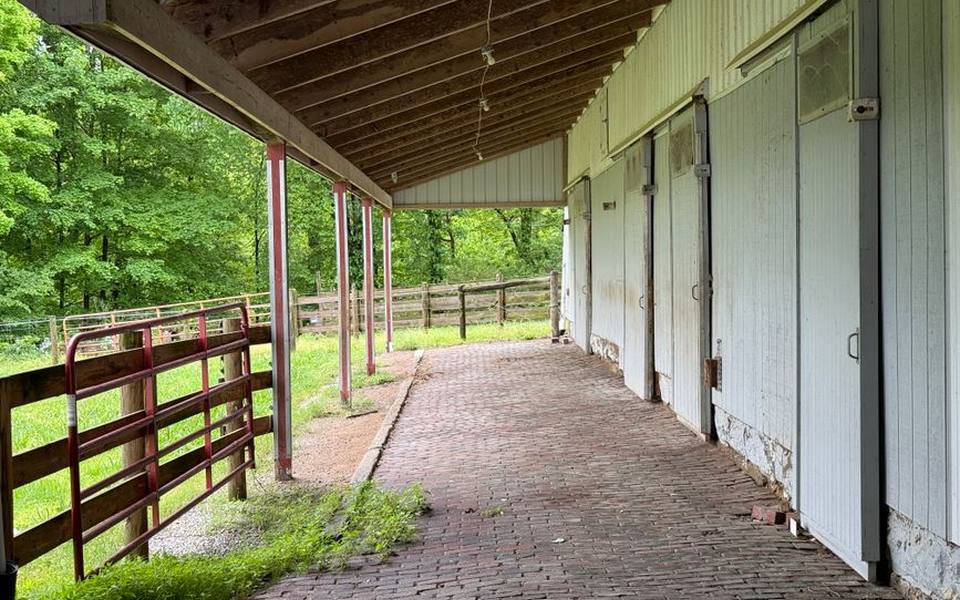 Owning
Horse Barn Setup, Stall Infrastructure, Arenas, and Facility Equipment
-
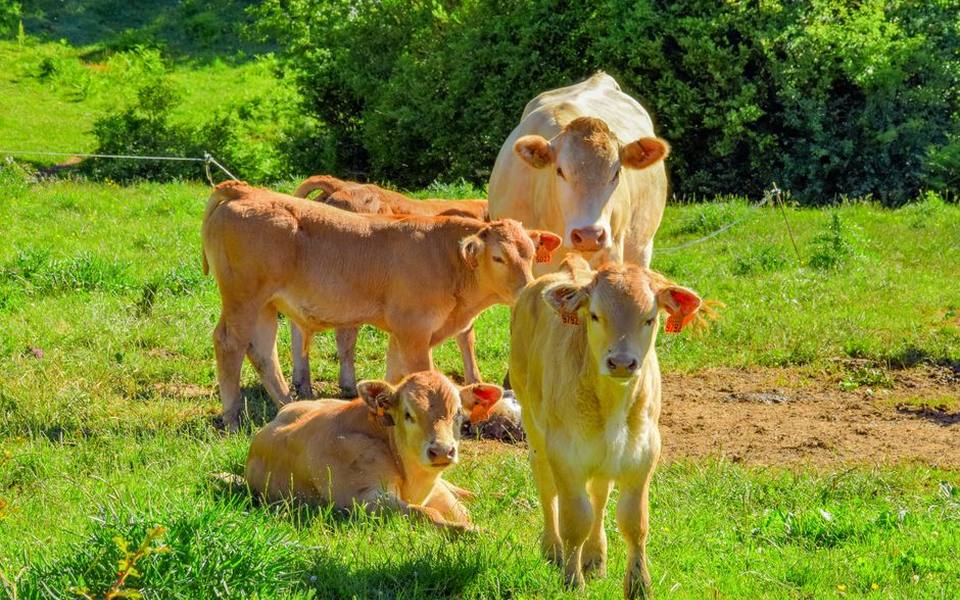 Buying
Beef and Dairy Cattle Breeds: Buyer's Guide, Traits, and Livestock Care
-
 Owning
Homestead Livestock Guide: Raising Sheep, Goats, Pigs, and Poultry
-
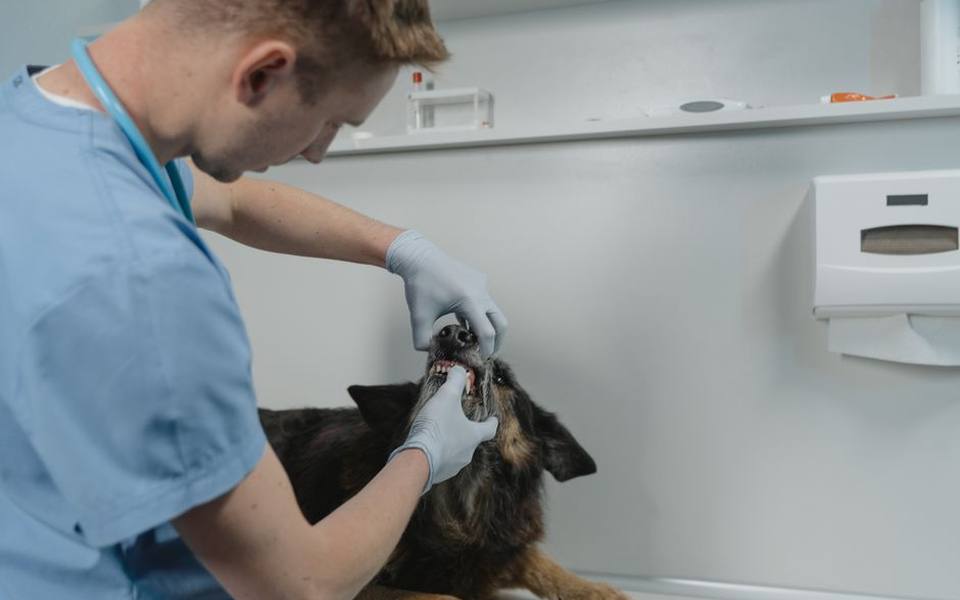 Service
Equine Dentistry Guide: Floating Teeth, Routine Care, and Choosing a Practitioner
-
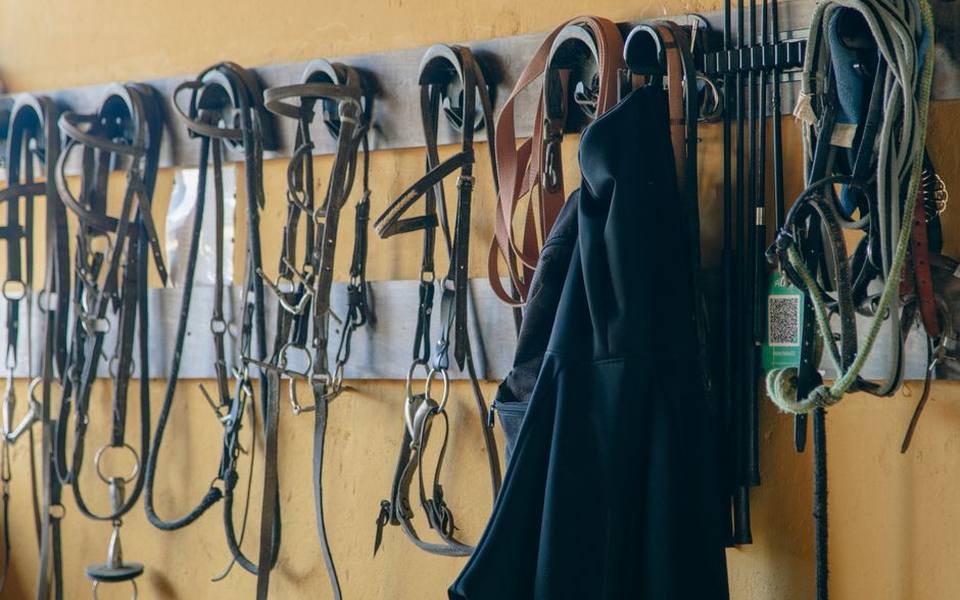 Owning
Equine Saddles and Tack Care: Selection, Fit, Cleaning, and Room Setup
-
 Owning
Horse Blankets and Sheet Guide: Fit, Turnout Types, and Fly Protection
-
 Safety
Equestrian Riding Apparel and Gear: Helmets, Boots, and Show Attire
-
 Owning
Equestrian Gift Guide: Practical and Thoughtful Presents for Horse Lovers and Riders
-
 Service
Horse Transportation Guide: Hauling Services, Trailer Rentals, and Layover Stables
-
 Owning
Designing and Managing a Boarding Stable: Facility Planning, Barn Construction, and Daily Operations
-
 Owning
Horse Health Care, Fly Control, and Preventative Vet Schedules
-
 Service
Beginner Equestrian Camps and Riding Programs: How to Choose the Right Barn
-
 Safety
A Complete Guide to Western Riding Helmets, Barn Footwear, Halters, and Hoof Gear
-
 Service
Guided Horseback Riding Tours & Vacation Stables Guide
-
 Buying
Buying and Selling Horses: Sales Auctions & Breed Marketplaces