The Foundations of Healthy Equine Hooves
A horse's soundness relies directly on the structural health of its feet, making regular hoof maintenance one of the most critical responsibilities for any horse owner. The equine hoof is a living, flexible structure made primarily of keratin that continually grows and adapts to concussive forces, terrain, and climate. Beneath the outer wall lie sensitive structures like the digital cushion, coffin bone, and laminae, all of which depend on balanced weight distribution. Ignoring subtle changes in hoof angles can quickly lead to chronic lameness, joint strain, and compromised movement.
Equine hooves grow at an average rate of roughly one-quarter to three-eighths of an inch each month, though this rate typically varies with the season, nutrition, age, and individual metabolism. In spring and summer, when horses ingest lush forage rich in trace minerals, hoof growth tends to accelerate noticeably. Conversely, winter cold or nutritional gaps can slow wall regeneration. Because wear rarely matches growth evenly on modern surfaces, regular intervention is required to maintain proper balance and prevent chips, flare, and cracks.
Understanding basic hoof anatomy helps owners spot early warning signs before a minor defect escalates into severe unsoundness. When the hoof wall cracks or begins to spread outward, known as flaring, excessive strain transfers to the internal support tissues. Evaluating the sole concavity, frog health, and heel height allows caretakers to partner effectively with their hoofcare professional, ensuring each horse remains comfortable whether standing in a stall or working over varied terrain.
Professional Trimming Schedules and What Farriers Do
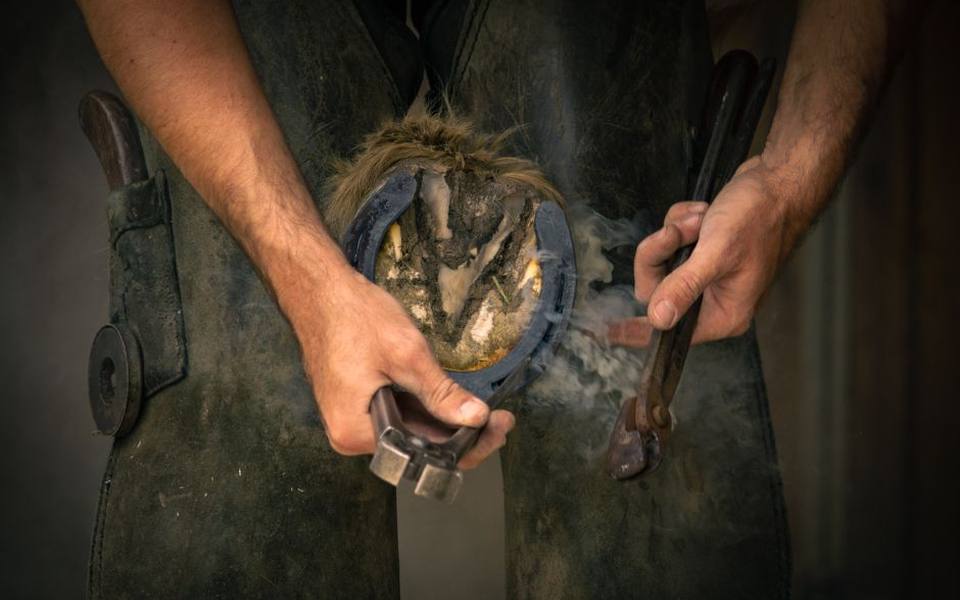
Scheduling a skilled horse foot trimmer or farrier every four to eight weeks is standard practice for maintaining structural integrity. During equine hoof trimming, the professional carefully assesses the horse's stance, conformation, and movement before picking up a single leg. The goal of every horse feet trim is to restore balanced symmetry, align the pastern and hoof axis, and remove dead, overgrown sole tissue while preserving natural shock absorption.
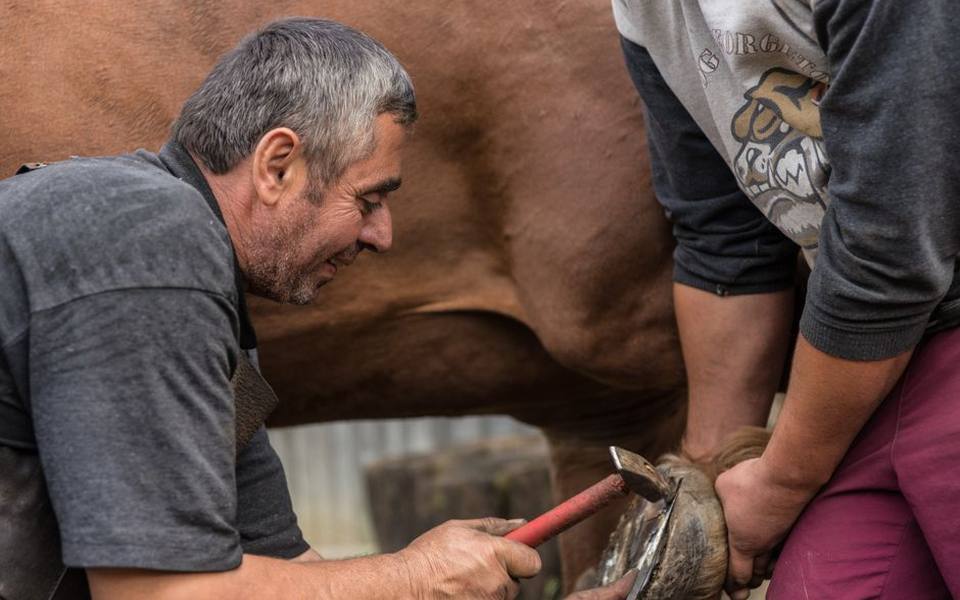
The physical work of clipping horse hooves involves nippers to cut away excess outer wall, followed by a rasp to level the weight-bearing surface and round sharp edges. A proper horse hoof trimming does not merely shorten the capsule; it corrects uneven lateral wear, sets back overgrown toes, and supports the heels. Leaving the toe too long delays breakover during movement, placing substantial strain on the deep digital flexor tendon and collateral ligaments.
Owners often ask about horse hoof trimmings left behind on the aisle floor. These shavings of keratin can provide clues about capsule hydration, internal bruising, or white line separation. While some horses require four-week cycles due to rapid growth or corrective rehab, others comfortably stretch to seven weeks depending on their terrain, workload, and individual foot conformation. Maintaining a predictable, reliable appointment cycle prevents imbalances from altering your horse's natural gait.
Daily Barn Routines for Soundness and Hygiene
While a professional handles the periodic trim, everyday maintenance falls entirely on the handler. Thoroughly picking out hooves before and after every turnout or riding session removes packed dirt, rocks, and manure that can bruise the sole or harbor moisture-loving bacteria. Running a hoof pick gently along the collateral grooves alongside the frog allows you to inspect for foreign objects, foul odors, and early signs of tissue degeneration.
Thrush is the most common bacterial condition encountered in wet or dirty environments, characterized by a pungent smell and dark, greasy discharge in the frog sulci. Preventing thrush requires clean bedding and dry standing areas, particularly in turnout paddocks during wet seasons. Horses managed in pasture board stables may encounter heavy mud in spring, making routine checks and occasional topical antiseptics essential for keeping bacteria from eroding the central frog.
Moisture management is equally critical in arid conditions where hooves can become excessively brittle and prone to structural chipping. While moisture naturally transfers from the ground into the foot, alternating repeatedly between damp mud and dry summer dirt weakens the cellular structure of the hoof wall. Balancing your horse's environment by keeping stall bedding clean, managing paddock drainage, and providing clean footing helps preserve natural elasticity without over-saturating the sole.
Managing Common Ailments: Abscesses and Bruises
Few things cause more sudden, dramatic lameness in horses than a subsolar hoof abscess. An abscess occurs when bacteria enter the sensitive structures through a crack, puncture, or stretched white line, creating localized pressure that results in intense throbbing pain. A horse with an active abscess often presents as completely non-weight-bearing, mimicking the appearance of a severe fracture and creating understandable alarm for owners.
Managing an abscess typically involves drawing out the trapped infection using warm water soaks mixed with Epsom salts, followed by a clean poultice wrap to encourage drainage. Once the abscess vents—usually at the coronary band or through the sole—the horse experiences almost immediate relief from the built-up internal pressure. Keeping the drainage site clean and protected from paddock debris is critical until healthy tissue seals the opening.
Sole bruises, by comparison, stem from trauma caused by stepping on hard rocks, frozen ground, or clods of hard soil, especially in flat-footed horses. A bruised sole may cause intermittent tenderness or a hesitant gait rather than three-legged lameness. Protective boots, temporary pads, and rest from concussive surfaces typically resolve simple bruises within a couple of weeks, provided the underlying sole depth is adequate.
Recognizing and Managing Laminitis and Founder
Laminitis represents a genuine medical emergency involving inflammation of the sensitive laminae that bond the hoof wall to the coffin bone. When this bond fails, the pull of the deep digital flexor tendon can cause the bone to rotate downward or sink toward the sole, a debilitating condition commonly known as founder. Triggers range from metabolic dysregulation and lush pasture sugars to retained placenta, severe systemic illness, or mechanical overload on a sound limb.
Early recognition can prevent catastrophic structural displacement. Warning signs include digital pulses that feel unusually bounding, elevated hoof temperature, a reluctance to turn tightly, and a characteristic rocked-back stance where the horse attempts to relieve pressure on its forefeet. Immediate veterinary intervention, cold hosing or ice immersion, and deep stall bedding are vital first steps to mitigate acute inflammation.
Long-term rehabilitation of a foundered horse requires collaborative teamwork between your veterinarian and a knowledgeable trimmer or farrier. Radiographs provide precise measurements of coffin bone alignment, guiding therapeutic trimming to shorten the toe, unload the compromised laminae, and elevate or cushion the heels. With careful dietary restriction and thoughtful orthotics, many affected horses regain functional comfort and quality of life.
Barefoot Management Versus Traditional Shoes
Deciding between keeping a horse barefoot or applying traditional hoof shoes depends heavily on workload, terrain, and individual conformation. Traditional metal shoes have provided traction and protection against excessive wear for centuries, especially for working horses navigating abrasive gravel or hard roads. Shoes can also hold specialized pads, wedges, or therapeutic extensions that assist in realigning joints or protecting compromised soles.
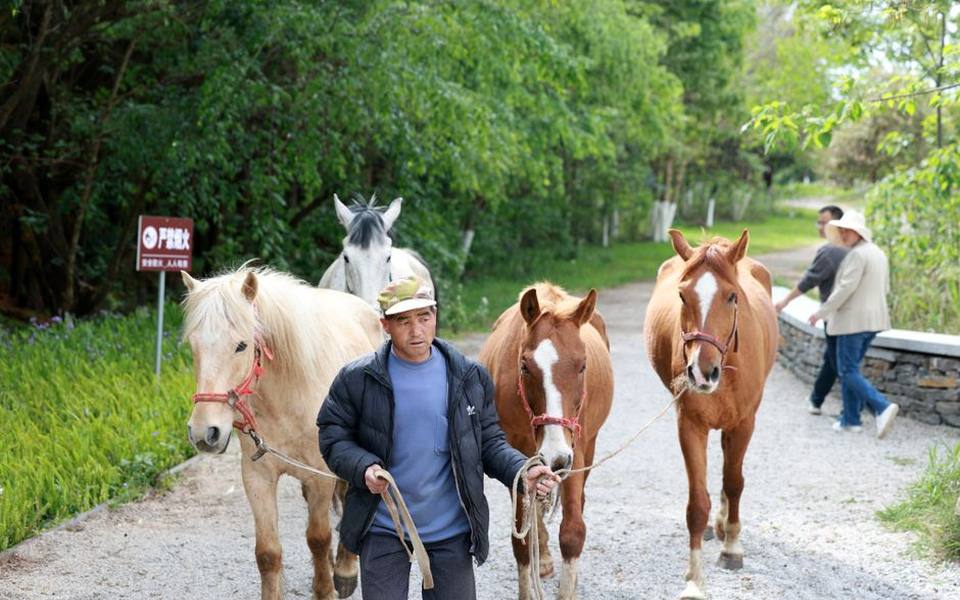
Conversely, barefoot management allows the hoof capsule to flex naturally, expanding upon impact to absorb concussive shock and stimulate healthy blood circulation throughout the lower leg. Natural stimulation of the frog and digital cushion encourages thicker sole growth and stronger lateral cartilage. Horses kept at well-maintained horse boarding facilities with soft arenas or clean pastures often thrive completely barefoot without needing artificial protection.
Transitioning a previously shod horse to barefoot requires patience, as the hoof capsule must grow out completely to replace old nail holes and adapt to bearing direct ground contact. During this transition, horses may experience temporary sensitivity over rough surfaces while their soles build calluses. Understanding your horse's specific comfort level helps you determine whether full barefoot management, perimeter shoes, or modern protective boots offer the best balance for their daily routine.
The Role of Removable Hoof Boots
For owners who prefer the physiological benefits of barefoot living but still need protection on harsh surfaces, modern horse hoof boots provide an ideal compromise. These removable horse boots for horses slip directly over the hoof capsule and fasten securely with buckles, straps, or hook-and-loop closures. They offer immediate sole protection and grip, allowing barefoot horses to navigate rocky trails without risking stone bruises or excessive wear.
Hoof boots also play an invaluable therapeutic role during injury recovery, such as treating an active abscess or transitioning through laminitic flare-ups. Fitted with soft foam or gel orthotic inserts, a boot provides uniform cushioning that alleviates pressure points across the entire sole. Because they can be removed and cleaned daily, boots maintain a sanitary environment that traditional fixed shoes and glued pads cannot easily match.
Riders accessing rugged outdoor terrain from boarding stables with trail access frequently carry an emergency boot in their saddle bags. If a horse throws a shoe or chips a wall miles from the barn, a slip-on boot protects the sensitive foot until a farrier can address the issue. This versatility has made hoof boots standard gear for trail riders, endurance competitors, and everyday pleasure horse owners alike.
Comparing Popular Hoof Boot Styles and Fit
Selecting the right protective gear means understanding how different models accommodate specific foot shapes. Bulkier, full-coverage designs like Cavallos boots feature thick treads and padded collars that enclose the entire lower capsule and heel bulbs. These styles are renowned for their forgiving fit on rounder hooves and provide outstanding durability for casual hacking, therapeutic turnout, and general trail riding over rough ground.
In contrast, sleeker, minimalist designs such as Scoot boots for horses emphasize an ultra-low profile with open heel bards and strap fasteners. These lightweight horse scoot boots sit below the coronary band, shedding water and mud easily while offering exceptional ventilation. Because they lack extensive padding, minimalist boots require highly accurate hoof measurements and fit best on symmetrical, well-maintained hooves with low, healthy heels.
Achieving a proper fit requires measuring both the width at the widest point of the sole and the length from the toe to the buttress line of the heel. An ill-fitting boot can cause painful rubs on the sensitive heel bulbs or rotate on the foot during fast work. Many riders use breathable gaiters or bulb guards to prevent friction, ensuring their boots remain secure and comfortable through every gait and terrain change.
Environmental Influence and Ground Footing
A horse's hooves continually adapt to the ground on which they live, making the boarding environment a primary driver of hoof quality. Horses turned out on abrasive, dry footing naturally wear down capsule excess and tend to develop dense, hard soles with tough frogs. In contrast, horses in persistently wet, soft paddocks often develop softer soles and weaker walls that are far more susceptible to chipping and thrush infections.
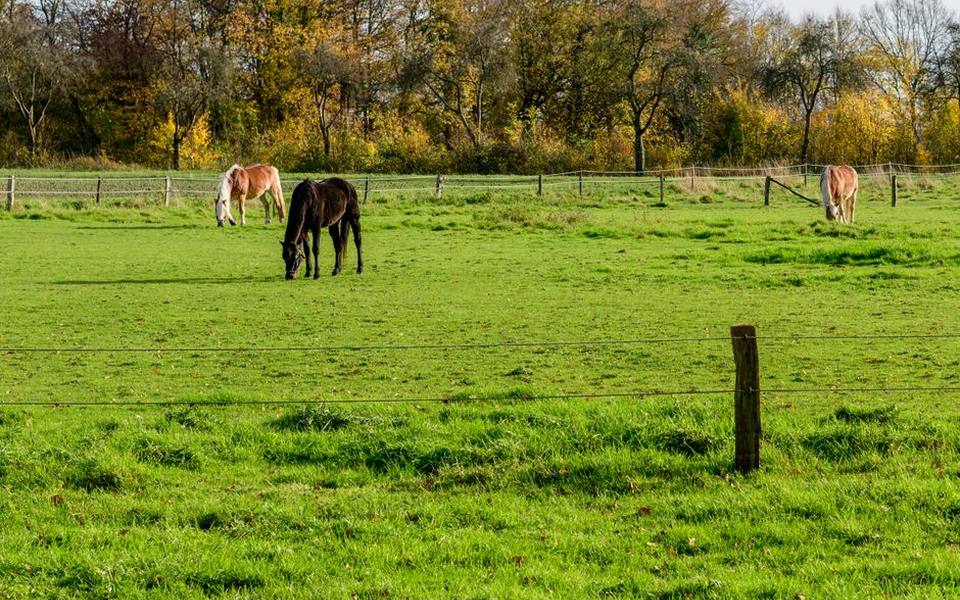
Arena footing also plays a measurable role in hoof strain and breakover mechanics. Training in stables with indoor arenas featuring premium sand or waxed synthetic footing provides consistent, shock-absorbing support that promotes even footfall. However, footing that is packed too deeply or unevenly can create torsional torque on the collateral ligaments and increase toe drag during aggressive turns.
When evaluating boarding options, inspect the pastures, sacrifice paddocks, and sacrifice runs around water troughs for heavy mud accumulation. Good gravel reinforcement or geotextile grid systems around high-traffic areas keep horses off saturated soil during wet months. Providing a clean, dry loafing area allows the sole and frog tissues to dry out periodically, preserving wall structural integrity across every season.
Building a Reliable Equine Footcare Team
Long-term hoof soundness is rarely achieved alone; it requires consistent communication among the owner, boarding stable manager, farrier, and veterinarian. A knowledgeable farrier notices minor changes in breakover or joint angle long before an owner perceives a change in gait. Maintaining an open dialogue ensures that any performance stiffness or mild sole soreness is diagnosed and addressed early.
Routine documentation makes managing your horse's hoof health straightforward. Taking clear photographs of your horse's feet from the side, front, and solar surface every few trim cycles creates a visual record of growth rates, wall angles, and heel development. These records become invaluable if your horse experiences lameness or if you need to coordinate between a new trimmer and your regular vet.
Finally, budgeting realistic funds for regular footcare prevents skipped appointments that compromise soundness. Routine trims, emergency visits for acute abscesses, replacement boots, and topical treatments all represent standard ownership expenses. By prioritizing consistent appointments and diligent daily hygiene, you provide the structural foundation your horse needs for decades of comfortable, sound performance.
Published 2026-09-20 · reviewed with each rebuild, last September 2026.
Find boarding stables near you
The directory lists 16,945 boarding stables by state and city — pick your state or use the “Near me” button in the header.
More guides
-
 Money
MoneyUnderstanding Monthly Horse Boarding Expenses and Stable Fees
-
 Owning
Understanding Friesian Horse Ownership: Traits, Costs, and Daily Care
-
 Owning
Understanding Riding Disciplines, Essential Tack, and the True Costs of Horse Ownership
-
 Money
MoneyUnderstanding the Costs of Getting Started in the Saddle
-
 Buying
Understanding Initial Horse Purchase Prices by Breed, Size, and Training
-
 Service
The Career Path of a Farrier: Education, Training, and Timeline
-
Owning
Choosing Between Alfalfa and Orchard Grass Hay for Horses
-
 Money
MoneyEssential Horse Ownership Expenses: Leasing, Insurance, and Maintenance
-
 Owning
Complete Guide to Cattle Breeds: Dairy vs Beef Cow Selection and Care
-
 Buying
Horse Buying Guide: Breed Selection, Market Prices, and Classifieds
-
 Owning
Small Farm Livestock Breeding: Goats, Sheep, Pigs, and Poultry
-
 Buying
Miniature Livestock Guide: Mini Cattle, Ponies, and Pocket Equines
-
 Owning
The Complete Guide to Horse Boarding, Stables, and Facilities
-
 Owning
Rubber Stall Mats and Horse Stall Flooring: A Complete Guide
-
 Buying
Guide to Horse Breeds, Breeders, and Equine Artificial Insemination
-
 Buying
Equestrian Riding Boots Buyer's Guide: Western and English Footwear
-
 Owning
Equine Health Care: Colic Signs, Deworming Charts, and Joint Supplements
-
 Owning
Complete Guide to Equine Fly Control: Sprays, Repellents, and Fly Sheets
-
 Safety
Equine Riding Helmets: Sizing, Safety Standards, and Selection Guide
-
 Service
Beach Horseback Riding and Trail Riding Tours Guide
-
 Service
Equine Training Fundamentals: Groundwork, Lunging Techniques, and Equestrian Vaulting
-
 Service
Equine-Assisted Therapy and Psychotherapy: A Practical Guide to Methods, Benefits, and Programs
-
 Buying
A Complete Guide to Buying a Horse: Breeds, Equine Sales, and Insurance
-
 Owning
A Complete Guide to Horse Grooming, Sheath Cleaning, Massage, and Routine Wellness
-
 Owning
Horse Barn Setup, Stall Infrastructure, Arenas, and Facility Equipment
-
 Buying
Beef and Dairy Cattle Breeds: Buyer's Guide, Traits, and Livestock Care
-
 Owning
Homestead Livestock Guide: Raising Sheep, Goats, Pigs, and Poultry
-
 Service
Equine Dentistry Guide: Floating Teeth, Routine Care, and Choosing a Practitioner
-
 Owning
Equine Saddles and Tack Care: Selection, Fit, Cleaning, and Room Setup
-
 Owning
Horse Blankets and Sheet Guide: Fit, Turnout Types, and Fly Protection
-
 Safety
Equestrian Riding Apparel and Gear: Helmets, Boots, and Show Attire
-
 Owning
Equestrian Gift Guide: Practical and Thoughtful Presents for Horse Lovers and Riders
-
 Service
Horse Transportation Guide: Hauling Services, Trailer Rentals, and Layover Stables
-
 Owning
Designing and Managing a Boarding Stable: Facility Planning, Barn Construction, and Daily Operations
-
 Owning
Horse Health Care, Fly Control, and Preventative Vet Schedules
-
 Service
Beginner Equestrian Camps and Riding Programs: How to Choose the Right Barn
-
 Safety
A Complete Guide to Western Riding Helmets, Barn Footwear, Halters, and Hoof Gear
-
 Service
Guided Horseback Riding Tours & Vacation Stables Guide
-
 Buying
Buying and Selling Horses: Sales Auctions & Breed Marketplaces