Understanding Equine-Assisted Therapy Across Modalities
Equine-assisted therapy is a broad umbrella term describing professional practices that incorporate horses into human healthcare, rehabilitation, and personal development. Rather than treating riding simply as recreation or sport, these programs intentionally engage the horse's movement, behavior, and environment to achieve targeted physical, emotional, or cognitive goals. The field divides broadly into medical rehabilitation, such as physical or speech therapy using horse movement, and mental health interventions designed to address psychological trauma, mood disorders, and developmental differences.
A common point of confusion for newcomers is the distinction between adaptive horsemanship and clinical therapy. Adaptive or therapeutic riding focuses primarily on teaching equestrian skills to individuals with disabilities, adapting equipment and instruction to foster independence and physical strength. In contrast, clinical horse-assisted therapy centers on therapeutic outcomes established by licensed healthcare practitioners, where horsemanship is secondary to clinical progress. Both approaches offer meaningful benefits, but their structures, supervision, and insurance eligibility differ substantially.
Modern equine programs take place in varied environments, from rural farms to specialized equestrian centers equipped with climate-controlled facilities. As interest in non-traditional healthcare has grown, these practices have gained recognition among hospitals, veteran organizations, and school districts. Knowing which branch of equine intervention matches your specific needs ensures you partner with the right team, whether your focus is physical mobility, emotional healing, or neurodivergent support.
How Equine-Assisted Psychotherapy Operates
Equine-assisted psychotherapy, commonly referred to as EAP, is an experiential mental health treatment that pairs a licensed mental health professional with a qualified equine specialist and one or more horses. Unlike traditional office-based talk therapy, sessions unfold in an arena, round pen, or pasture where clients interact with horses on the ground. The horse is not a passive tool or an instrument of exercise, but an active participant whose natural reactions provide immediate, non-judgmental feedback to the client's emotional state and behavioral patterns.
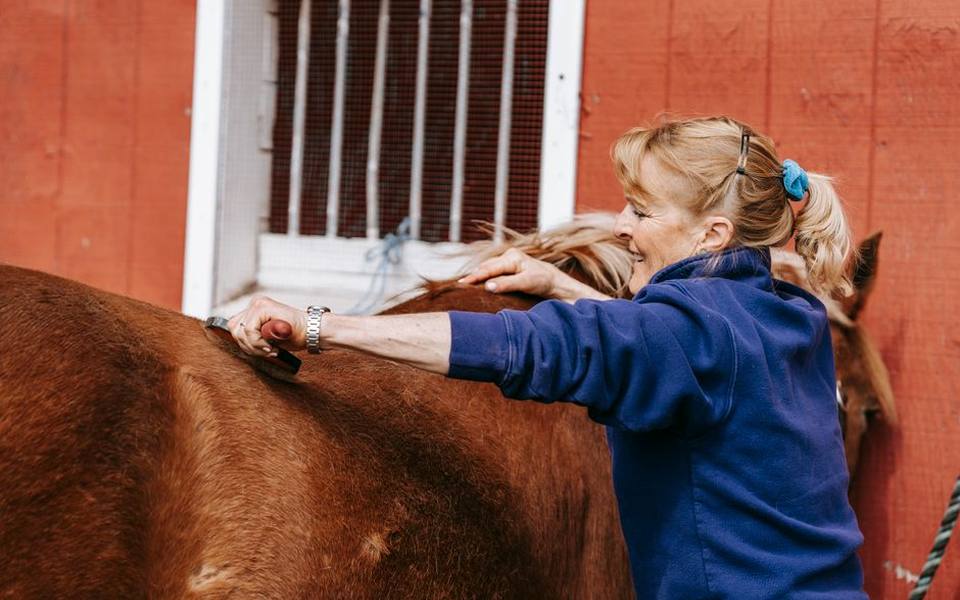
Most psychotherapy models in this field do not involve mounted work. Instead, clients participate in ground activities such as haltering, leading, grooming, negotiating obstacle courses, or simply observing herd dynamics. Therapists utilize these activities as living metaphors for real-world relationships, boundaries, communication styles, and emotional regulation. When a client experiences frustration, hesitation, or sudden calmness, the horse reflects that internal shift instantly, prompting valuable real-time reflection that might take weeks to surface in a conventional clinic room.
Clinical frameworks utilized during horse-assisted psychotherapy include cognitive behavioral therapy, dialectical behavior therapy, somatic experiencing, and narrative approaches. Sessions typically involve an introductory check-in, an interactive exercise with the horse, and an extensive debriefing period where the therapist helps translate barn interactions into practical coping mechanisms for daily life. This dynamic structure makes the modality especially compelling for individuals who struggle with standard conversation-heavy therapy formats.
The Biological and Behavioral Role of the Horse
Horses possess unique evolutionary traits that make them remarkably effective partners in mental health and rehabilitation work. As prey animals, horses survive in the wild by maintaining acute sensory awareness of their immediate surroundings and the internal states of herd members. They can detect subtle shifts in human muscle tension, respiratory rhythm, posture, and heart rate from several yards away, interpreting these physiological cues to evaluate safety and intent.
Because horses communicate primarily through body language, they respond to authenticity rather than polite social masks. If a person feels intense internal anxiety while attempting to appear confident and dominant, a horse often reacts with confusion, avoidance, or defensiveness. Conversely, when a participant acknowledges their underlying emotional state, takes a deep breath, and aligns their outward posture with their internal reality, the horse typically visibly relaxes and steps closer. This honest biofeedback helps participants reconnect with physical sensations they may have dissociated from.
Beyond their vigilance, horses are social animals wired for community and herd hierarchy. They establish clear boundaries, resolve interpersonal friction without lingering resentment, and consistently seek calm, fair leadership. Interacting with a 1,000-pound animal demands genuine presence and emotional clarity, giving participants an empowering sense of agency when mutual trust and cooperation are successfully established.
Support for Trauma, Anxiety, and PTSD
Equine-facilitated therapy has shown substantial promise in treating post-traumatic stress disorder, chronic anxiety, and operational stress injuries among military veterans, first responders, and survivors of interpersonal violence. Trauma often traps the nervous system in a persistent state of hypervigilance or emotional shutdown, making cognitive rationalization difficult. Working alongside calm, grounded equines helps regulate the human autonomic nervous system, coaxing the body out of an ongoing fight-or-flight cycle.
In trauma-focused programs, safety and personal boundaries form the core curriculum. Participants learn to recognize their own somatic distress signals before an emotional trigger leads to panic or anger. Exercises often involve establishing physical boundaries with a horse, practicing assertive yet non-aggressive requests, and learning to tolerate emotional proximity without losing one's sense of self. The stable environment itself, removed from clinical sterile rooms, often feels less threatening to individuals carrying deep institutional mistrust.
Many specialized facilities offering trauma recovery collaborate closely with community groups and veteran organizations, using outdoor spaces and peaceful trail access to provide grounding walks alongside horses. Navigating open pathways with a calm animal reinforces spatial awareness and social trust, helping participants rebuild a secure relationship with their environment and fellow humans.
Equine Interventions for Autism Spectrum Conditions
For children and adults on the autism spectrum, equine environments offer a uniquely rich, multi-sensory setting that supports sensory integration, motor planning, and social communication. The barn environment incorporates varied tactile inputs—coarse horsehair, smooth leather, soft brushes, and textured footing—along with natural outdoor sounds and smells. These stimuli help desensitize hypersensitive individuals or provide necessary sensory input for those seeking stimulation, all within an organized, predictable routine.
The rhythmic, repetitive movement of a walking horse closely mimics the human pelvic motion during walking, which stimulates balance, core strength, and bilateral coordination. This physical input often has a profound calming effect on the nervous system, improving attention span, posture, and spatial orientation. Many parents observe that nonverbal or minimally verbal participants begin vocalizing commands or spontaneous observations while mounted or engaged in grooming routines.
Social interaction with equines bypasses the complex, often stressful nuances of human conversation, such as figurative speech, shifting eye contact, and hidden social expectations. A horse responds straightforwardly to concrete actions and genuine emotional states. Developing a partnership with an animal builds genuine empathy, self-confidence, and self-advocacy skills that participants can gradually generalize to interactions with teachers, peers, and family members.
Mounted Work Versus Ground-Based Interaction
A foundational consideration when researching programs is deciding whether mounted work or ground-based interaction is appropriate for the participant's goals. Mounted therapy, including hippotherapy directed by licensed physical, occupational, or speech therapists, utilizes the horse's multidimensional gait to improve muscle tone, postural control, balance, and speech articulation. It is particularly effective for individuals with cerebral palsy, developmental delays, stroke recovery, and neurological conditions.
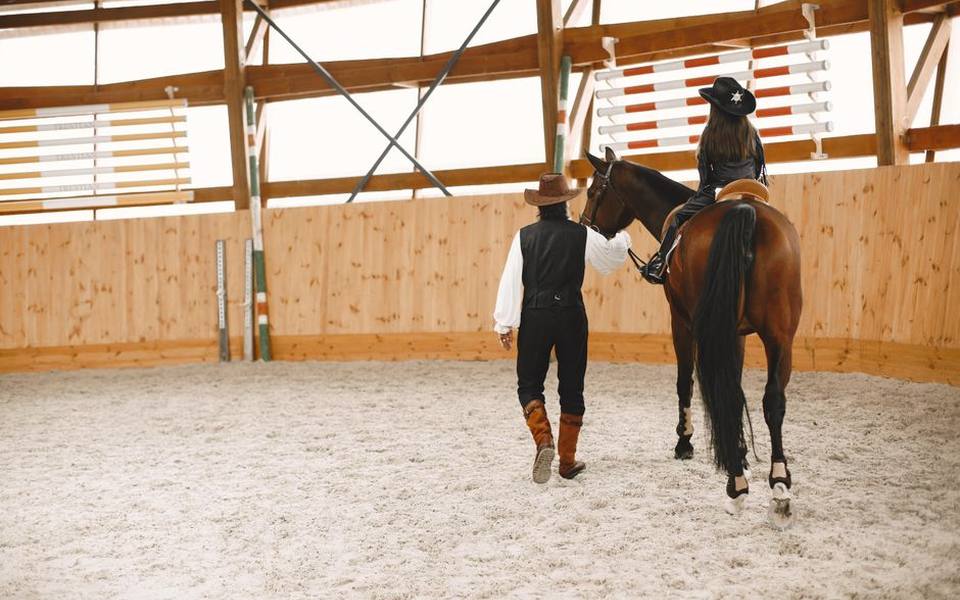
Ground-based modalities, including most forms of psychotherapy and social-emotional learning, keep both human and equine feet firmly on the dirt. Working from the ground emphasizes relational dynamics: leading an animal through an obstacle course requires patience, clear body direction, and calm perseverance. Groundwork minimizes orthopedic and fall risks, making it accessible to individuals with spinal instability, severe osteoporosis, acute fear, or physical conditions that contraindicate riding.
Some comprehensive equestrian facilities maintain both tracks, allowing participants to progress from ground-based connection into structured, adaptive riding classes as confidence and core strength expand. Whether sitting in the saddle or standing side-by-side in a round pen, each format offers distinct therapeutic dividends tailored to specific clinical objectives.
What to Expect During an Initial Session
First-time participants typically begin with an intake consultation conducted without horses present. During this intake, the clinical team gathers medical history, psychological background, sensory sensitivities, physical limitations, and personal goals. This assessment allows practitioners to determine whether equine work is clinically appropriate, establish safety protocols, and select specific horses whose temperament, size, and movement profile best match the client's needs.
When arriving at the barn for an active session, safety procedures take precedence. Participants receive guidance on appropriate footwear, typically closed-toe boots with hard soles, and fitted riding helmets if mounted work is planned. The team introduces basic barn safety rules, including how to approach an animal calmly, where blind spots are located, and how to stand safely near hooves. Sessions usually open with a grounding exercise to help the client detach from outside stress and focus on their physical body.
The core portion of the session involves an experiential exercise customized to the participant's plan. A client working on emotional boundary setting might be asked to lead a loose horse to a designated corner without touching the animal or using a lead rope, exploring how intent and energy influence the horse. The session concludes with a structured discussion where participants analyze what occurred, explore how the horse reacted, and articulate actionable takeaways for daily life.
Professional Qualifications and Safety Standards
Because equine therapy blends mental health, healthcare, and livestock handling, verifying credentials is critical for participant safety and clinical efficacy. Reputable mental health practices employ dually staffed teams: a licensed clinical social worker, professional counselor, or psychologist handling mental healthcare, alongside a credentialed equine specialist certified by recognized bodies such as PATH Intl. or EAGALA overseeing the horses.
In physical, occupational, or speech therapy programs utilizing equine movement, sessions must be conducted by state-licensed healthcare therapists who have received postgraduate training in hippotherapy. In contrast, adaptive riding instructors should hold certified credentials verifying their expertise in modifying equestrian instruction for individuals with cognitive, sensory, or physical impairments. Never hesitate to ask a facility about their staff's specific licensure, insurance coverage, and emergency response procedures.
Equine welfare is an equally vital component of safety. Stables operating ethical therapy programs closely monitor their horses for signs of stress, burnout, pain, or physical fatigue. Horses working in therapy require sound veterinary care, regular hoof maintenance, balanced diets, and sufficient turnout time in pastures to relax with their herd. A horse that is overworked, physically sore, or emotionally depleted cannot safely or effectively facilitate therapeutic outcomes.
Evaluating Stables and Facility Environments
The physical layout of an equestrian center plays a significant role in the quality of therapeutic services. Therapy programs often operate within specialized horse boarding facilities that balance quiet therapy spaces with active daily farm operations. When touring a center, evaluate whether the environment provides calm, low-distraction zones where clients can process vulnerable emotions without unexpected interruptions from heavy machinery or high-traffic boarding activities.
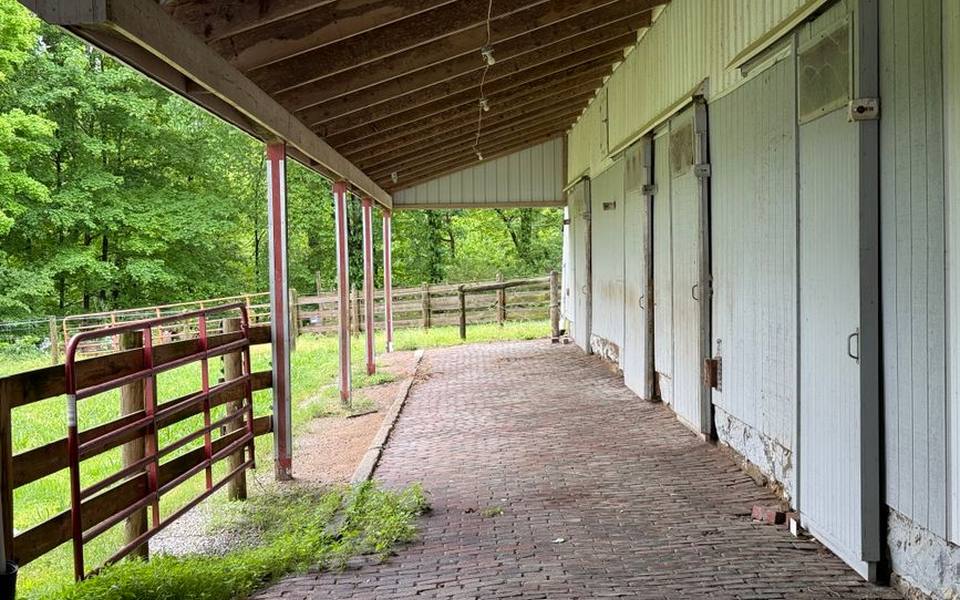
Weather protection is another essential structural factor, especially in regions with extreme heat, cold, or frequent rainfall. Centers featuring dedicated indoor arenas ensure that sessions remain consistent year-round, preventing disruptive cancellations that can stall clinical progress. Well-designed therapy arenas typically feature dust-controlled footing, safe mounting ramps, mounting blocks for individuals with limited mobility, wide gates, and quiet spectator viewing areas for caregivers.
Cleanliness and organization reflect a facility's overall commitment to safety. Barn aisles should remain free of clutter, halters and lead ropes should be properly hung, and fencing around turnouts and arenas should be sturdy and well maintained. A well-managed stable creates a serene, grounded atmosphere that instantly puts anxious participants and families at ease.
Costs, Insurance, and Steps to Get Started
The cost of equine-assisted services varies considerably depending on the modality, location, and practitioner qualifications. Physical, occupational, and speech therapy utilizing equine movement is frequently billable through standard health insurance, provided the service is prescribed by a physician and billed under standard rehabilitation codes. In these cases, families are typically responsible only for standard co-pays, although some clinics charge a separate non-covered barn or facility fee to offset horse care expenses.
Equine-assisted psychotherapy, however, falls into a more complex billing category. While sessions with a licensed psychotherapist may be covered under outpatient mental health benefits, insurance companies do not always reimburse the additional equine specialist fee or facility surcharge. Many private practices operate on a fee-for-service model, providing superbills that clients can submit to insurance for out-of-network reimbursement. Some non-profit programs offer sliding-scale fees, grant-funded slots, or scholarships for veterans, children, and low-income families.
To begin your search, start by defining your primary goal: whether you require physical rehabilitation, emotional therapy, or adaptive recreation. Contact local certified centers to schedule an introductory tour and phone consultation before committing to an ongoing program. Taking time to inspect the facility, meet the staff, and observe how horses are cared for ensures a supportive, safe, and productive therapeutic experience.
Published 2026-09-20 · reviewed with each rebuild, last September 2026.
Find boarding stables near you
The directory lists 16,945 boarding stables by state and city — pick your state or use the “Near me” button in the header.
More guides
-
 Money
MoneyUnderstanding Monthly Horse Boarding Expenses and Stable Fees
-
 Owning
Understanding Friesian Horse Ownership: Traits, Costs, and Daily Care
-
 Owning
Understanding Riding Disciplines, Essential Tack, and the True Costs of Horse Ownership
-
 Money
MoneyUnderstanding the Costs of Getting Started in the Saddle
-
 Buying
Understanding Initial Horse Purchase Prices by Breed, Size, and Training
-
 Service
The Career Path of a Farrier: Education, Training, and Timeline
-
Owning
Choosing Between Alfalfa and Orchard Grass Hay for Horses
-
 Money
MoneyEssential Horse Ownership Expenses: Leasing, Insurance, and Maintenance
-
 Owning
Complete Guide to Cattle Breeds: Dairy vs Beef Cow Selection and Care
-
 Buying
Horse Buying Guide: Breed Selection, Market Prices, and Classifieds
-
 Owning
Small Farm Livestock Breeding: Goats, Sheep, Pigs, and Poultry
-
 Buying
Miniature Livestock Guide: Mini Cattle, Ponies, and Pocket Equines
-
 Owning
The Complete Guide to Horse Boarding, Stables, and Facilities
-
 Owning
Rubber Stall Mats and Horse Stall Flooring: A Complete Guide
-
 Buying
Guide to Horse Breeds, Breeders, and Equine Artificial Insemination
-
 Buying
Equestrian Riding Boots Buyer's Guide: Western and English Footwear
-
 Owning
Equine Health Care: Colic Signs, Deworming Charts, and Joint Supplements
-
 Owning
Complete Guide to Equine Fly Control: Sprays, Repellents, and Fly Sheets
-
 Safety
Equine Riding Helmets: Sizing, Safety Standards, and Selection Guide
-
 Service
Beach Horseback Riding and Trail Riding Tours Guide
-
 Service
Equine Training Fundamentals: Groundwork, Lunging Techniques, and Equestrian Vaulting
-
 Buying
A Complete Guide to Buying a Horse: Breeds, Equine Sales, and Insurance
-
 Owning
Complete Guide to Horse Hoof Care, Farrier Services, and Hoof Boots
-
 Owning
A Complete Guide to Horse Grooming, Sheath Cleaning, Massage, and Routine Wellness
-
 Owning
Horse Barn Setup, Stall Infrastructure, Arenas, and Facility Equipment
-
 Buying
Beef and Dairy Cattle Breeds: Buyer's Guide, Traits, and Livestock Care
-
 Owning
Homestead Livestock Guide: Raising Sheep, Goats, Pigs, and Poultry
-
 Service
Equine Dentistry Guide: Floating Teeth, Routine Care, and Choosing a Practitioner
-
 Owning
Equine Saddles and Tack Care: Selection, Fit, Cleaning, and Room Setup
-
 Owning
Horse Blankets and Sheet Guide: Fit, Turnout Types, and Fly Protection
-
 Safety
Equestrian Riding Apparel and Gear: Helmets, Boots, and Show Attire
-
 Owning
Equestrian Gift Guide: Practical and Thoughtful Presents for Horse Lovers and Riders
-
 Service
Horse Transportation Guide: Hauling Services, Trailer Rentals, and Layover Stables
-
 Owning
Designing and Managing a Boarding Stable: Facility Planning, Barn Construction, and Daily Operations
-
 Owning
Horse Health Care, Fly Control, and Preventative Vet Schedules
-
 Service
Beginner Equestrian Camps and Riding Programs: How to Choose the Right Barn
-
 Safety
A Complete Guide to Western Riding Helmets, Barn Footwear, Halters, and Hoof Gear
-
 Service
Guided Horseback Riding Tours & Vacation Stables Guide
-
 Buying
Buying and Selling Horses: Sales Auctions & Breed Marketplaces