Understanding Cattle Types and Production Goals
Choosing cattle begins with identifying whether your primary objective is commercial beef production, home dairy, grass finishing, or conservation grazing. Bovine livestock falls into three broad categories: beef breeds developed for muscle mass and carcass yield, dairy breeds selected for high-volume fluid milk, and dual-purpose breeds capable of producing moderate milk yields while raising sturdy calves. Understanding these distinctions prevents costly mistakes, such as purchasing high-metabolism dairy heifers for rough scrubland or expecting commercial calf gains from heritage dairy stock.
Evaluating different cow types requires looking past sale catalog photos and focusing on how an animal functions within your regional climate and forage base. A humid Gulf Coast homestead has drastically different pasture and parasite pressures than a dry mountain spread in the Intermountain West. Before settling on any specific animal, buyers must evaluate soil type, seasonal rainfall, stocking rate capacity, and available winter shelter to determine which genetic profile will thrive without excessive supplemental feeding.
Management intensity varies significantly depending on the different breed of cow you introduce to your land. Highly specialized dairy stock demands daily milking routines, precise grain rations, and clean stall sanitation, while hardy beef mothers often calve unassisted in open brush. Matching the operational demands of the animals to your daily schedule and fencing infrastructure ensures long-term viability and keeps animal health issues to an absolute minimum.
Black and Red Angus in Modern Beef Operations
Angus cattle represent the backbone of commercial American beef due to their predictable growth curves, ease of calving, and superior intramuscular marbling. Originating in northeastern Scotland, these naturally polled animals are typically solid black or solid red, possessing a deep, blocky frame that converts pasture forage efficiently into high-grade beef cuts. Their popularity creates an exceptionally liquid resale market, meaning commercial buyers can source or liquidate feeder calves and replacement heifers with relative ease through regional sale barns.
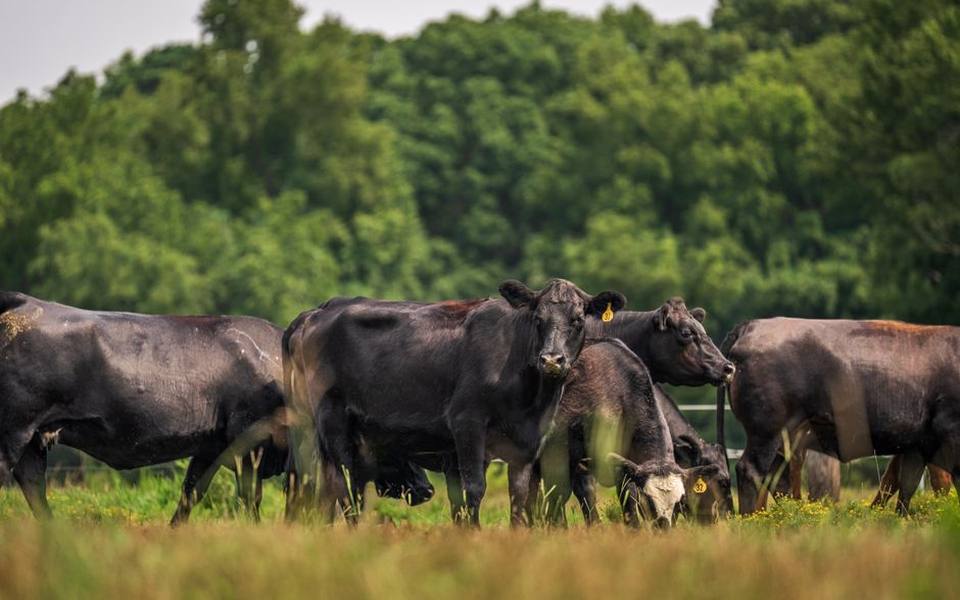
When evaluating Angus beef cows for sale, prospective buyers should inspect production records rather than relying solely on body condition. A thick layer of fat can easily conceal structural defects in the hooves or a narrow pelvic arch that complicates natural birth. Look closely at expected progeny differences for birth weight and weaning weight, especially if you plan to breed heifers without round-the-clock calving supervision during early spring.
Angus mothers are renowned for strong maternal instincts and high milk output for beef stock, but their moderate heat tolerance means they require shade and clean water tanks during sweltering summers. In northern climates, their dense hide and cold hardiness allow them to winter outside comfortably, provided they receive windbreaks and sufficient dry forage to maintain their core body temperature during severe freezes.
Heat-Tolerant Hybrid Breeds: Brangus and Beefmaster
In southern operations where heat, humidity, and external parasites degrade traditional European stock, Bos indicus hybrids offer unmatched operational resilience. The Brangus cow, developed by combining roughly three-eighths Brahman genetics with five-eighths Angus, carries the heat dissipation, parasite resistance, and slick coat of the Brahman alongside the carcass quality and fertility of the Angus. These cattle forage aggressively during the hottest hours of the day when British breeds typically seek dense shade.
Similarly, Beefmaster cows were engineered systematically on South Texas pastures to maximize six critical production traits: disposition, fertility, weight, conformation, hardiness, and milk production. Composed of roughly one-half Brahman, one-quarter Hereford, and one-quarter Shorthorn, Beef master cows excel under harsh subtropical conditions where lower-quality native forage causes purely European animals to drop body condition rapidly. Their loose skin and sweat glands protect them against severe heat stress.
Managing these hybrid lines requires handling facilities designed with sturdy panels and secure latches, as Brahman-derived stock can display an alert, sensitive flight zone if unaccustomed to regular human contact. Calm, low-stress handling techniques are essential when moving herds through alleys or working chutes. When raised quietly with gentle daily interaction, these animals settle well and deliver extended productive lifespans that often exceed conventional commercial benchmarks.
European Powerhouses: The Simmental Profile
Originating in the Simme Valley of Switzerland, the Simmental cow is one of the oldest and most widely distributed cattle lines in the world. Historically a triple-purpose animal utilized for milk, beef, and draft work, modern American Simmentals have been selected heavily for rapid muscle accretion, large mature frame sizes, and outstanding maternal milk production. They display broad heads, heavy bone structure, and coats that range from traditional red and white markings to solid black.
The high milk yield of Simmental dams means their calves typically post remarkable weaning weights without heavy grain creep feeding. However, that heavy production profile demands higher nutritional intake than smaller British breeds. If placed on sparse, overgrazed pastures, a lactating Simmental cow will draw down her own body reserves rapidly, resulting in delayed rebreeding cycles and increased winter feeding costs.
Buyers often cross Simmentals onto commercial Angus herds to capture hybrid vigor, producing fast-growing feeder calves with heavy muscling and excellent feedlot efficiency. If you are shopping for breeding bulls or replacement females, pay close attention to leg soundness and foot angles. Due to their heavy frame weights, sound joints and strong pasterns are vital for longevity on rolling or rocky acreage.
Dual-Purpose Milking Shorthorn for Small Acreage
For small farms, homesteads, and multi-use operations, the milking Shorthorn cow provides an exceptionally well-balanced profile. Also known historically as the dairy Shorthorn cow, this historic British breed features versatile roan, red, or white color patterns and a calm, approachable temperament that makes handling straightforward for families or solitary handlers. They produce moderate quantities of milk with balanced butterfat and protein levels that work equally well for direct drinking or farmstead cheesemaking.
Unlike extreme commercial dairy breeds that divert virtually every calorie into the milk bucket and carry little meat, the Shorthorn maintains a fleshing ability that preserves body condition between lactations. Bull calves and steer progeny yield respectable, well-marbled beef carcasses rather than thin dairy-type cuts. This versatility makes them an ideal candidate for low-input, pasture-based farming where diversification takes priority over single-trait industrial output.
Their gentle demeanor makes dairy Shorthorns easy to train for hand milking, stanchion feeding, or nurse cow duties for orphaned livestock. They adapt well alongside horses in shared pasture arrangements often found around pasture board stables, grazing complementary forage plants without aggressive pasture bullying. Regular hoof care and clean bedding areas remain necessary to protect their udders and maintain proper foot health.
Cold-Hardy Specialists: The Galloway Breed
Originating in the rugged hill country of southwestern Scotland, the Galloway cow is engineered by nature to endure brutal winter conditions and sparse forage. The breed is recognized by its soft, wavy double coat, consisting of a coarse outer layer that sheds rain and snow alongside a dense, mossy undercoat that provides exceptional thermal insulation. Available in black, red, dun, and the iconic white-belted pattern, Galloways are naturally polled, eliminating the labor and stress of dehorning calves.
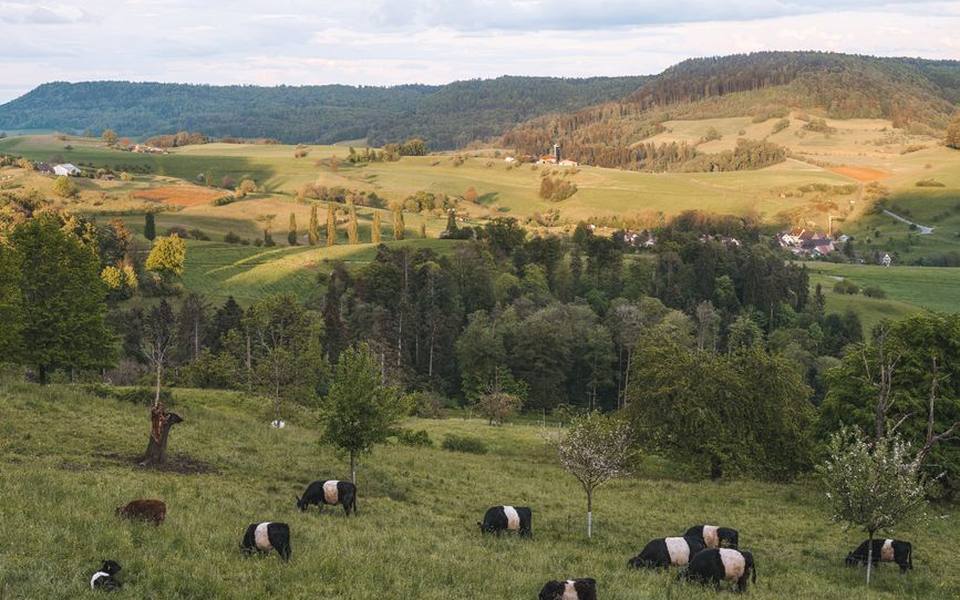
Galloways possess a unique digestive efficiency that enables them to thrive on coarse native grasses, sedges, and brush that standard commercial cattle routinely refuse. Because their dense double hair coat insulates their bodies against wind chill, they do not require thick layers of backfat to stay warm, resulting in naturally lean, flavorful beef that grades well on pasture-finishing protocols without heavy grain inputs.
These cattle display exceptional mothering ability and readily defend newborn calves against coyotes and other pasture predators. Their overall structural hardiness and disease resistance make them an attractive choice for northern smallholders looking for low-maintenance livestock that can winter outdoors with simple three-sided run-in sheds rather than heated bank barns.
Heritage Conservation: The Ancient White Park
The White Park cow is an ancient, striking British heritage breed distinguished by a porcelain-white coat, jet-black or dark reddish-brown ears, dark muzzle, black-rimmed eyes, and elegant, upward-curving horns with dark tips. Historically kept in enclosed royal parks across Great Britain for centuries, these cattle retain strong primitive survival instincts, including elevated disease resistance, strong maternal protection, and remarkable reproductive longevity that often spans well past fifteen years.
From an operational standpoint, White Parks are exceptional conservation grazers. They browse invasive weeds, brambles, and woody underbrush with enthusiasm, making them useful for land clearing and pasture reclamation projects on neglected acreage. Despite their dramatic horns, mature animals handled with consistent, quiet routines generally maintain a docile, dignified temperament around familiar handlers.
Because active breeding populations remain relatively small compared to mainstream beef lines, sourcing purebred registered breeding stock can involve traveling across state lines. Buyers investing in White Park genetics frequently focus on preserving rare bloodlines while marketing grass-finished beef directly to niche consumers who appreciate heritage quality and humane pasture-based management.
Specialty Marbling and Value: Wagyu Genetics
Japanese Wagyu beef cows have reshaped premium meat markets around the globe due to their genetic predisposition for intense, fine-grained intramuscular marbling and high concentrations of monounsaturated fatty acids. The most prevalent Wagyu strains in North America derive from Black Wagyu (Kuroge Washu) and Red Wagyu (Akaushi). Unlike fast-growing continental cattle, Wagyu are smaller-framed, slower to mature, and possess a distinct wedge-shaped conformation that looks leaner over the top line than typical commercial beef animals.
Raising purebred or high-percentage Wagyu involves a significantly longer financial commitment than standard beef cattle. Feeder cattle typically take twenty-eight to thirty-six months to reach target slaughter weights on specialized finishing rations or carefully managed pasture programs, compared to fourteen to eighteen months for conventional commercial steers. This extended production cycle requires patient capital, secure perimeter fencing, and well-planned forage reserves.
Due to their high market valuation, registered Wagyu bulls and bred cows command substantial upfront premiums at specialty auctions. First-time buyers should verify pedigree papers and DNA parentage test results before purchasing seedstock. Wagyu cattle are celebrated for their exceptionally docile, curious disposition, making daily pasture management, fence checks, and veterinary work remarkably peaceful.
Evaluating Conformation, Health, and Temperament
Before finalizing the purchase of any cow, a thorough physical examination is critical to protect your investment. Begin at the ground: check for clean, symmetrical hooves, sound pastern angles, and freedom from foot rot, cracks, or swelling around the coronary band. A cow with poor structural conformation will break down early under the physical strain of pregnancy, grazing rugged acreage, or traversing rocky pastures.
Next, evaluate the udder and reproductive apparatus. In mature beef cows, look for a tight, level udder with four small, evenly spaced teats that a newborn calf can nurse without assistance. Huge, ballooned teats or broken-down suspensory ligaments indicate poor structural longevity and increased risk of mastitis. In open heifers, verify reproductive tract maturity through a licensed veterinarian's reproductive tract score or pregnancy palpation.
Disposition should never be overlooked during an inspection. Watch how the animal behaves when separated from the herd or approached by unfamiliar humans in a corral. Wild-eyed cattle that pace fences, hold their heads high, or pin their ears present a serious safety risk to handlers, fences, and equipment. Calm animals that pause, observe, and move away without panic are far easier to manage over years of production.
Pasture Sharing, Facilities, and Mixed Grazing
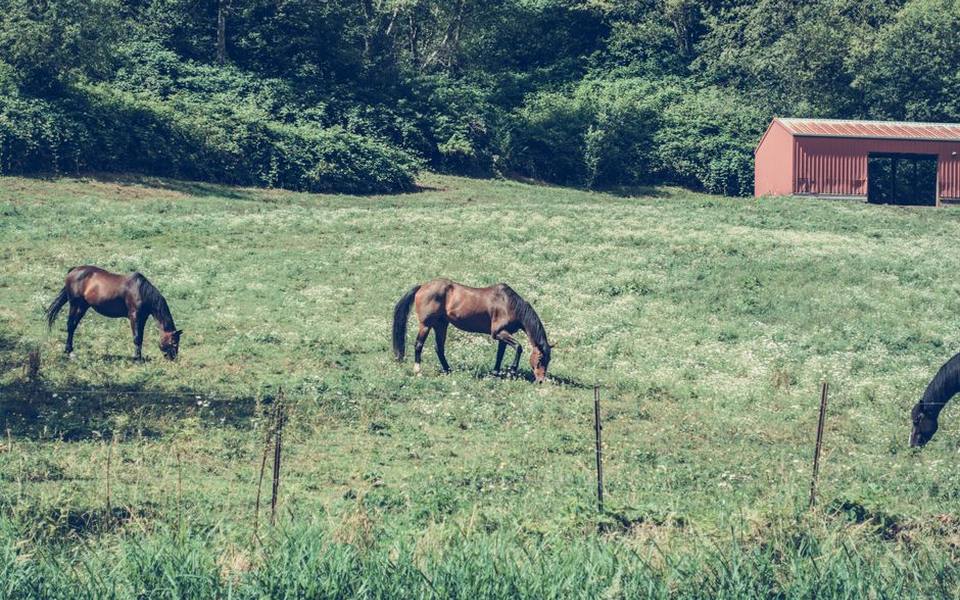
Integrating cattle onto properties that also stable equines is an established practice that maximizes pasture efficiency. Cattle and horses possess complementary grazing behaviors: cattle wrap their tongues around taller grasses and ingest fibrous stalks, whereas equines crop grasses close to the ground with their incisors. This dual grazing action helps control selective overgrazing and disrupts internal parasite life cycles, as cattle stomach worms typically do not establish inside equine digestive systems.
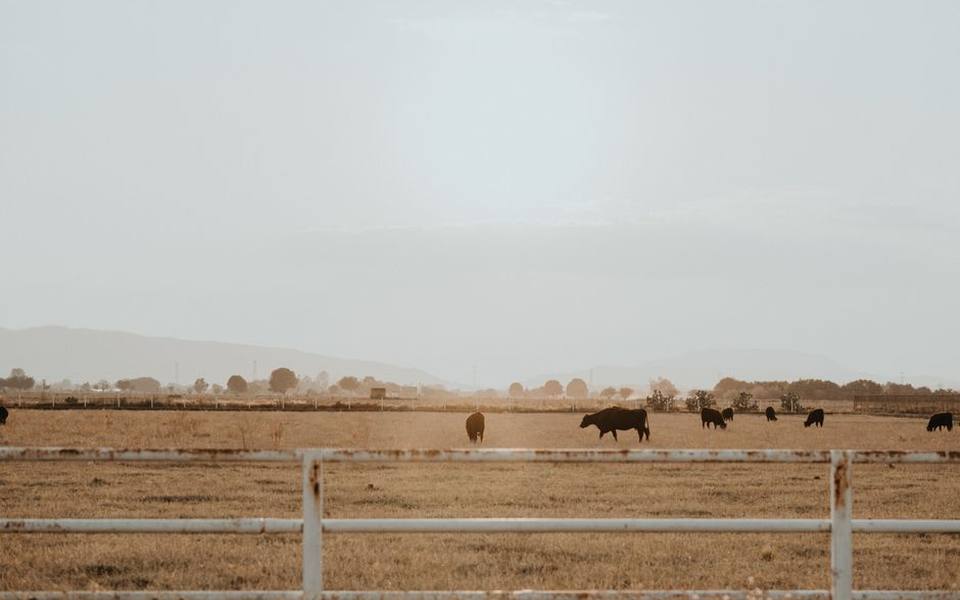
Fencing requirements demand careful consideration when running cattle near equine properties. While horses require smooth, highly visible board or vinyl fencing, cattle readily lean against wire to graze roadside ditches, testing fence tension daily. Adding an interior electric strand offset from traditional perimeter boards prevents rub damage and keeps both cattle and horses safely separated across multi-use properties, such as those found throughout horse boarding stables in Texas where acreage often accommodates mixed livestock.
Handling facilities must also account for the physical weight of cattle. Sturdy wooden corrals, heavy steel corral panels, and an operational squeeze chute with an adjustable headgate are necessary for administering annual vaccinations, treating minor injuries, and conducting pre-sale health checks. Attempting to doctor a mature beef cow inside an open shed without proper head restraint creates an unacceptable hazard for handlers and livestock alike.
Budgeting Purchase Costs, Transport, and Feed
Purchasing cattle involves capital outlays that extend well beyond the hammer price at an auction or farm gate. Replacement heifer prices typically depend on current market calf values, feed grain indices, and seasonal pasture availability. Registered purebred animals, elite seedstock, and niche genetics like Wagyu naturally sell for significant premiums over standard commercial grade cattle sold through local livestock auctions.
Transportation logistics must be arranged well before the sale date. Hauling cattle requires a properly ventilated stock trailer with rubber floor mats and secure divider gates that prevent animals from piling up during transit. If you are moving livestock across state boundaries, state departments of agriculture typically require an official Certificate of Veterinary Inspection and negative tests for specific infectious diseases, such as brucellosis or tuberculosis.
Finally, hay and winter supplemental feed constitute the largest recurring operating cost on any cattle spread. A mature beef cow consumes roughly two to two-and-a-half percent of her body weight in dry matter daily. Calculating your total winter forage requirements in tons, accounting for storage spoilage, and sourcing certified weed-free hay locally will ensure your herd maintains optimal body condition through difficult winter weather without draining your annual operating reserves.
Published 2026-09-20 · reviewed with each rebuild, last September 2026.
Find boarding stables near you
The directory lists 16,945 boarding stables by state and city — pick your state or use the “Near me” button in the header.
More guides
-
 Money
MoneyUnderstanding Monthly Horse Boarding Expenses and Stable Fees
-
 Owning
Understanding Friesian Horse Ownership: Traits, Costs, and Daily Care
-
 Owning
Understanding Riding Disciplines, Essential Tack, and the True Costs of Horse Ownership
-
 Money
MoneyUnderstanding the Costs of Getting Started in the Saddle
-
 Buying
Understanding Initial Horse Purchase Prices by Breed, Size, and Training
-
 Service
The Career Path of a Farrier: Education, Training, and Timeline
-
Owning
Choosing Between Alfalfa and Orchard Grass Hay for Horses
-
 Money
MoneyEssential Horse Ownership Expenses: Leasing, Insurance, and Maintenance
-
 Owning
Complete Guide to Cattle Breeds: Dairy vs Beef Cow Selection and Care
-
 Buying
Horse Buying Guide: Breed Selection, Market Prices, and Classifieds
-
 Owning
Small Farm Livestock Breeding: Goats, Sheep, Pigs, and Poultry
-
 Buying
Miniature Livestock Guide: Mini Cattle, Ponies, and Pocket Equines
-
 Owning
The Complete Guide to Horse Boarding, Stables, and Facilities
-
 Owning
Rubber Stall Mats and Horse Stall Flooring: A Complete Guide
-
 Buying
Guide to Horse Breeds, Breeders, and Equine Artificial Insemination
-
 Buying
Equestrian Riding Boots Buyer's Guide: Western and English Footwear
-
 Owning
Equine Health Care: Colic Signs, Deworming Charts, and Joint Supplements
-
 Owning
Complete Guide to Equine Fly Control: Sprays, Repellents, and Fly Sheets
-
 Safety
Equine Riding Helmets: Sizing, Safety Standards, and Selection Guide
-
 Service
Beach Horseback Riding and Trail Riding Tours Guide
-
 Service
Equine Training Fundamentals: Groundwork, Lunging Techniques, and Equestrian Vaulting
-
 Service
Equine-Assisted Therapy and Psychotherapy: A Practical Guide to Methods, Benefits, and Programs
-
 Buying
A Complete Guide to Buying a Horse: Breeds, Equine Sales, and Insurance
-
 Owning
Complete Guide to Horse Hoof Care, Farrier Services, and Hoof Boots
-
 Owning
A Complete Guide to Horse Grooming, Sheath Cleaning, Massage, and Routine Wellness
-
 Owning
Horse Barn Setup, Stall Infrastructure, Arenas, and Facility Equipment
-
 Owning
Homestead Livestock Guide: Raising Sheep, Goats, Pigs, and Poultry
-
 Service
Equine Dentistry Guide: Floating Teeth, Routine Care, and Choosing a Practitioner
-
 Owning
Equine Saddles and Tack Care: Selection, Fit, Cleaning, and Room Setup
-
 Owning
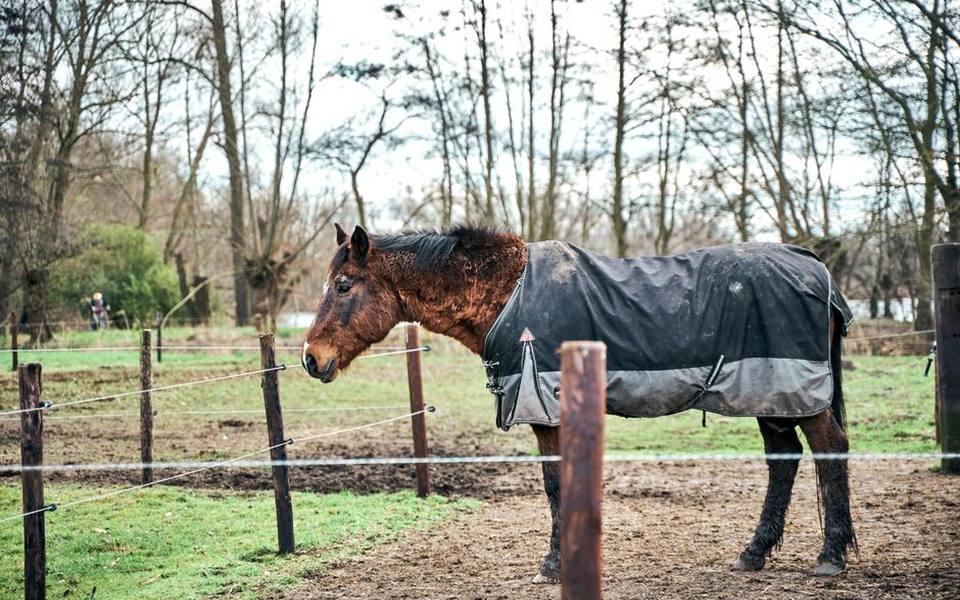
Horse Blankets and Sheet Guide: Fit, Turnout Types, and Fly Protection
-
 Safety
Equestrian Riding Apparel and Gear: Helmets, Boots, and Show Attire
-
 Owning
Equestrian Gift Guide: Practical and Thoughtful Presents for Horse Lovers and Riders
-
 Service
Horse Transportation Guide: Hauling Services, Trailer Rentals, and Layover Stables
-
 Owning
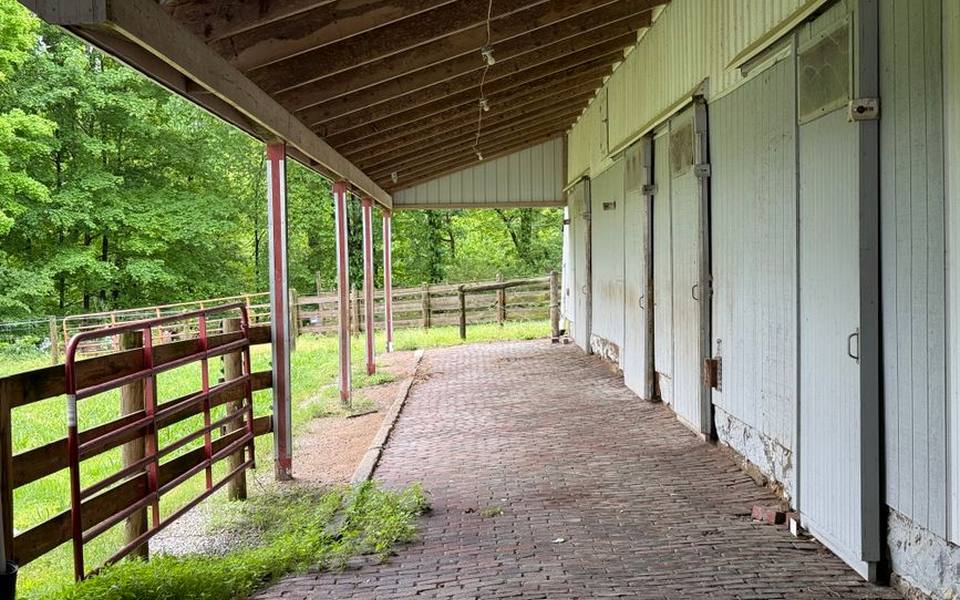
Designing and Managing a Boarding Stable: Facility Planning, Barn Construction, and Daily Operations
-
 Owning
Horse Health Care, Fly Control, and Preventative Vet Schedules
-
 Service
Beginner Equestrian Camps and Riding Programs: How to Choose the Right Barn
-
 Safety
A Complete Guide to Western Riding Helmets, Barn Footwear, Halters, and Hoof Gear
-
 Service
Guided Horseback Riding Tours & Vacation Stables Guide
-
 Buying
Buying and Selling Horses: Sales Auctions & Breed Marketplaces