Determining When Your Horse Actually Needs a Blanket
A healthy horse with a natural winter coat rarely needs a blanket in mild or dry cold weather because equine thermoregulation is remarkably efficient. Horses digest forage in their hindgut, generating substantial internal heat that acts like an internal furnace. Furthermore, their skin muscles allow hair follicles to stand upright—a process called piloerection—trapping an insulating layer of warm air directly against the skin. When temperatures hover above freezing without precipitation, most unclipped horses stay completely warm on roughage alone.
The dynamic shifts dramatically when cold weather is accompanied by freezing rain, sleet, or heavy winds. Wet hair mats down flat, destroying the insulating air pocket and allowing cold water to penetrate straight to the horse's skin. In windy conditions, thermal layers are stripped away rapidly, forcing the horse to burn excessive calories simply to maintain core body temperature. Older horses, hard keepers, and horses recovering from illness lose weight quickly under these conditions and benefit immensely from proper outerwear.
Body clipping also removes nature's primary defense against the elements. If you clip your horse for winter riding to manage sweat and cooling times, you assume full responsibility for replacing that lost coat with appropriate equine blankets. The key is monitoring the individual animal rather than blanket charts alone. A horse shivering or tucking its tail tightly against its quarters is cold, whereas a horse sweating beneath its rug faces a serious risk of chilling and skin infections.
Understanding Blanket Types: Turnout vs Stable Gear
The single most critical distinction in horse apparel is the difference between turnout blankets and stable blankets. Turnout gear is built specifically to withstand rough outdoor conditions, featuring a durable, waterproof, and breathable outer shell designed to shed rain, roll in mud, and resist pasture scuffs. When horses are turned out into paddocks or pastures, only a dedicated horse blanket turnout should ever be worn, as these materials prevent exterior moisture from soaking through to the horse's coat.
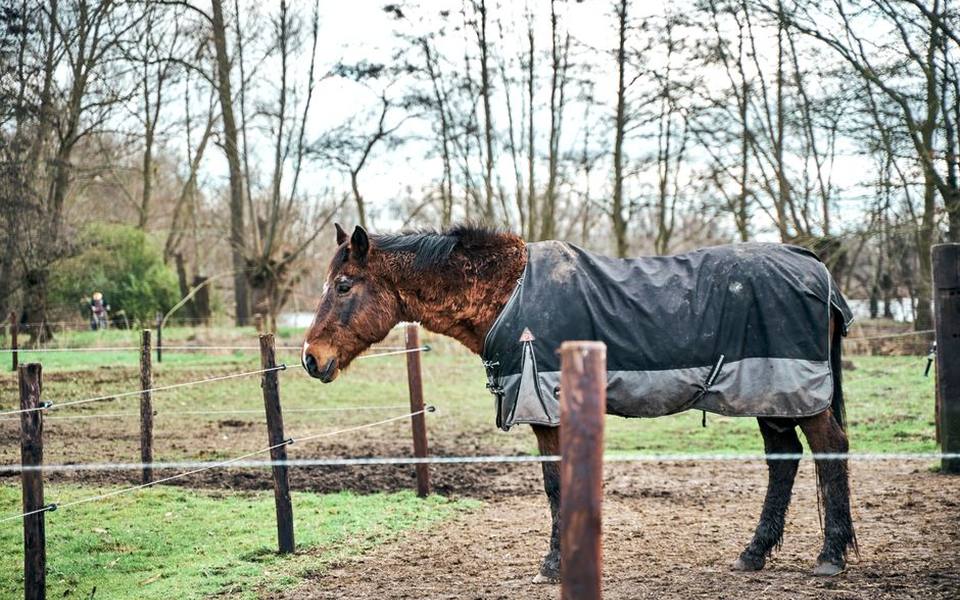
Stable blankets, by contrast, are designed strictly for indoor stall use or trailering and lack any form of waterproofing. If a horse wears a stable blanket outside during a drizzle, the fabric absorbs water like a giant sponge, holding damp cold directly against the animal's back and shoulders. While stable sheets and blankets are excellent for keeping clean coats in dust-free barns, they lack the durable ripstop weaves required to survive fence rubs or playful herd mates in open turnout settings.
Owners using pasture board stables must prioritize high-grade turnout rugs that combine weather protection with complete breathability. If an outdoor rug is waterproof but fails to breathe, sweat condensation accumulates on the underside, leaving the horse soaked from the inside out. Modern equine turnout blankets solve this challenge by utilizing microporous membranes that allow internal moisture vapor to escape while completely blocking external water droplets from entering.
Dialing in the Weights: From Lightweight Sheets to Heavy Winter Rugs
Horse blanket weights are measured in grams of polyfill insulation, ranging from zero grams up to four hundred grams or more. A lightweight horse blanket or rain sheet features zero fill, serving as an uninsulated, waterproof shell designed to keep wind and rain off an unclipped horse during wet spring or autumn days between fifty and sixty degrees. Adding warmth without bulk, light turnouts typically contain one hundred grams of fill and bridge the gap during chilly, brisk transitional weather.
Medium-weight rugs, typically containing two hundred to two hundred and fifty grams of insulation, serve as the backbone of winter wardrobes across most moderate climates. These blankets provide balanced warmth for clipped horses in temperatures ranging from roughly thirty to forty-five degrees, or for unclipped seniors facing sub-freezing nights. When paired with standard turnout, medium blankets handle the vast majority of regular winter weather without causing the horse to overheat when midday sunshine warms the paddocks.
Heavy equine winter blankets pack three hundred to four hundred grams of thick fill and are reserved for severe, sustained sub-zero temperatures or fully body-clipped performance horses living in northern regions. At many professional horse boarding facilities, staff adjust blanket weights daily based on shifting evening forecasts. Over-blanketing is far more dangerous than slight under-blanketing, as overheating causes sweating, which saturates the underlayer and severely chills the horse once temperatures drop overnight.
Waterproofing and Durability: Denier Counts and Outer Shells
The durability of any horse turnout blanket waterproof shell is primarily determined by its denier rating, which measures the individual thread thickness used in weaving the fabric. Entry-level blankets often utilize six hundred denier polyester, which offers baseline water resistance but tears relatively easily if caught on a pasture post or gripped by a playful companion. For horses turned out in groups, a low denier shell often results in frequent tears, ruined insulation, and costly mid-season replacements.
Mid-range and premium turnouts step up to twelve hundred denier or even sixteen hundred and eighty denier ballistic nylon. Ballistic weaves were originally developed for military protective wear, utilizing a basket-weave structure that stops small punctures from tearing into sprawling rips. If your horse shares a paddock with blanket-shredding herd mates, investing in a twelve hundred denier outer shell pays for itself by enduring multiple seasons of mud, rolling, and bite attempts without structural failure.
Equally vital to durability is the waterproof coating applied to the fabric underside, usually composed of polyurethane or specialized breathable laminates. Over time, heavy washing cycles, high heat, and accumulated dirt degrade these waterproof coatings. High-end turnouts, including premium designs reminiscent of classic Weatherbeeta horse blanket cuts, feature taped seams and reinforced stress points that keep wind-driven water from seeping through front gussets, surcingle attachments, and perimeter stitching.
Getting an Accurate Fit and Preventing Blanket Rubs
An ill-fitting blanket causes painful wither sores, rubbed shoulders, and dangerous entanglement hazards if leg straps hang loose. To size your horse properly, position the animal squarely on a level surface. Run a flexible cloth tape measure from the exact center of the horse's chest, across the widest point of the shoulder, straight along the barrel, and finish at the furthest edge of the buttock, roughly an inch before the tail dock. This measurement in inches corresponds directly to standard North American blanket sizing.
Once the blanket is strapped on, evaluate the neckline and shoulder clearance carefully. The front closure should rest comfortably over the breastbone without pulling tightly against the base of the neck when the horse lowers its head to graze. Standard-neck blankets end just forward of the withers, whereas high-neck cuts extend halfway up the crest to relieve direct wither pressure. Combo-neck models include an attached or detachable neck cover, providing comprehensive warmth and preventing driving precipitation from trickling down the shoulders.
Fastenings must be adjusted with precision to maintain safety in stalls and pastures. Belly surcingles should cross beneath the barrel, leaving enough room for a flat hand between the strap and the horse's belly; straps that hang too loose risk snagging hind feet when the horse rolls. Leg straps should be crossed through one another around the inner thighs to keep the blanket centered, leaving roughly four to five inches of slack to prevent chafing without creating dangerous loops.
Summer Protection: The Role of Fly Sheets and Mesh Rugs
Warm weather brings an entirely different set of environmental challenges, making the fly sheet an indispensable piece of summer pasture equipment. Constructed from tight, breathable synthetic mesh, a quality fly sheet creates a physical shield that prevents biting stable flies, deer flies, and gnats from making contact with sensitive skin. Beyond insect deterrence, quality sheets reflect harsh ultraviolet rays, preventing dark coats from sun-bleaching and shielding light-skinned or pink-nosed horses from severe sunburn and photosensitivity.
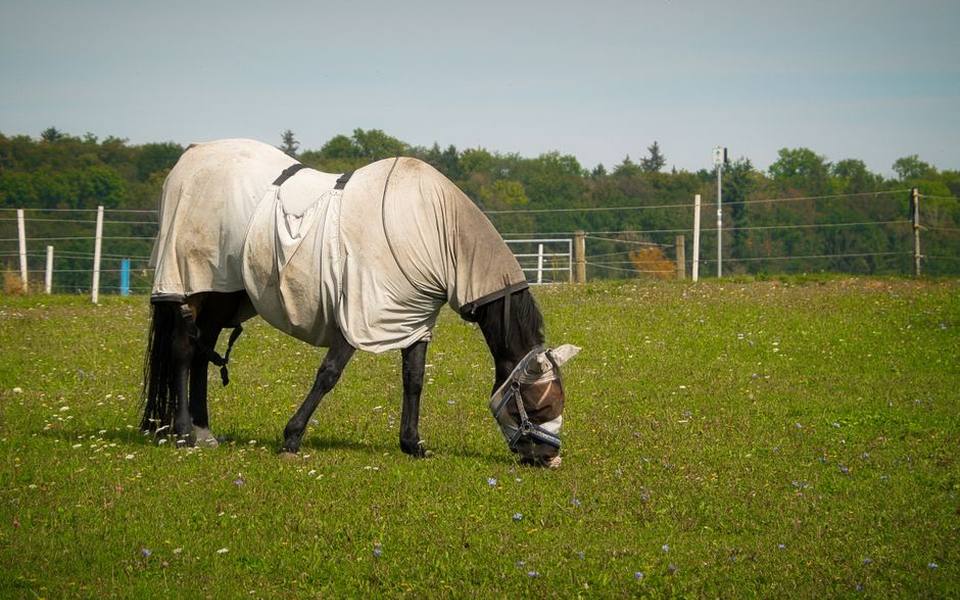
Fly sheets also provide essential relief for horses suffering from sweet itch, an acute allergic reaction triggered by the saliva of tiny biting midges known as Culicoides. For allergic horses, a single bite can initiate ferocious itching, leading the horse to rub its mane, tail head, and belly raw against fences. Comprehensive fly sheets with full neck extensions, oversized belly wraps, and broad tail flaps block these minuscule pests completely, breaking the chronic cycle of skin irritation and secondary infections.
Choosing summer mesh requires balancing durability against heat dissipation in hot, humid regions. Soft, fine-gauge mesh provides exceptional comfort and small-insect protection but can tear if the horse rolls against rough timber. Heavier polymer-coated mesh resists tears and stands away from the body to promote airflow, though it may feel stiffer. At quality equine boarding facilities, turnout sheets are monitored daily to ensure horses remain cool beneath the fabric during blazing afternoon heat.
Top-Tier Fly Sprays and Active Ingredients
While physical barriers offer unmatched pasture protection, a top rated horse fly spray remains a daily necessity for grooming, training, and competition. Effective commercial sprays depend on proven chemical active ingredients to knock down and repel insects on contact. Pyrethrins, derived naturally from chrysanthemum flowers, deliver an immediate knockdown effect that drops flies instantly, while synthetic pyrethroids like permethrin provide residual repellency that continues working for hours or days after application.
Understanding base formulations helps determine which product suits your routine. Water-based fly sprays are gentle on sensitive coats, do not attract paddock dust, and present lower risks of hair singeing when applied before turnout in intense sunlight. However, water-based solutions rinse off quickly when the horse sweats or encounters pasture dew. Oil-based sprays provide incredible endurance against sweat and create a high-gloss show sheen, but they tend to attract paddock sand and can cause skin blisters if used under tight saddlery.
Finding a good fly spray for horses requires assessing sweat resistance and target pests. Certain formulations excel against common barn flies and stable flies, while specialized formulas containing synergists like piperonyl butoxide are needed to repel persistent deer flies, greenheads, and ticks. Always apply repellent thoroughly to clean, dry coats, paying close attention to the legs, underbelly, and chest where blood-feeding insects naturally congregate, while using a soft cloth to apply product around the eyes and muzzle.
Mixing Homemade Fly Sprays: Practical Barn Recipes
Many equestrians choose to brew a homemade flyspray to reduce recurring barn expenses or avoid harsh chemical pesticides on sensitive animals. Effective DIY mixtures rely on natural deterrents that mask the horse's natural odors—such as sweat and carbon dioxide—which draw hungry insects from across the property. Raw apple cider vinegar serves as the classic foundation for these recipes, creating an acidic, pungent base that flies, gnats, and mosquitoes naturally avoid landing upon.
To build a balanced homemade repellent, combine two parts raw apple cider vinegar with one part witch hazel or water, which acts as a gentle, soothing carrier for the skin. Essential oils provide the heavy aromatic punch needed for real deterrence. Adding therapeutic-grade eucalyptus, citronella, tea tree, cedarwood, or lavender oil creates a broad-spectrum sensory shield. A few drops of gentle liquid dish soap or mineral oil should be emulsified into the mix to keep the essential oils evenly suspended in the liquid.
While natural recipes are economical and smell clean, they carry realistic limitations that owners must anticipate. Essential oil sprays evaporate rapidly compared to chemical permethrin formulas, requiring reapplication two or three times daily during peak bug activity. Additionally, highly concentrated essential oils can trigger contact dermatitis or hair loss in sensitive equines. Always conduct a small patch test on the horse's inner thigh twenty-four hours before spraying the entire body with any new homemade formulation.
Comprehensive Fly Control Around the Barn and Pastures
Sprays and sheets treat the symptoms of insect presence, but true fly control for horses requires aggressive management at the environmental source. Stable flies and house flies breed almost exclusively in decomposing organic matter, particularly warm, damp manure and soiled stall bedding. Implementing strict manure management by cleaning stalls daily and moving muck piles at least several hundred feet away from barns disrupts the primary reproductive cycle before larvae ever mature into biting adults.
Biological warfare offers one of the most sustainable long-term solutions through the release of beneficial fly parasites. These stingless, microscopic wasps seek out fly pupae buried beneath manure and lay their own eggs inside, destroying developing flies before they hatch. Releasing fresh batches of fly predators monthly from early spring through autumn drastically curbs adult populations without introducing toxic chemicals into the barn environment or harming beneficial pollinators.
Pasture layout and water management also play decisive roles in summer comfort, particularly in humid regions like Texas where insect pressure persists for most of the year. Dragging pastures with a chain harrow during hot, dry spells shatters manure piles, allowing the sun to desiccate fly eggs and parasite larvae. Eliminating standing water from clogged gutters, old tires, and swampy fence lines removes prime mosquito breeding grounds, while high-velocity ceiling fans in barns create airflow that weak-flying insects simply cannot penetrate.
Blanket Maintenance, Cleaning, and Off-Season Storage
Investing in quality equine turnout blankets demands disciplined seasonal care to ensure fabrics maintain waterproof integrity year after year. Standard household laundry detergents contain harsh surfactants, fragrances, and bleaches that strip the microscopic waterproof coatings right off turnout nylon. When washing turnout blankets, always use specialized horse rug washes or mild non-detergent soaps formulated to clean technical outdoor fabrics without destroying breathability or seam seals.
Never use hot water or commercial dryers on waterproof blankets, as intense heat melts polyurethane coatings and shrinks structural webbing. Instead, hose off heavy dried mud with a stiff brush on an outdoor fence line before washing in cold water on a gentle cycle, ideally inside a heavy-duty commercial front-load washer. Hang blankets outdoors out of direct scorching sunlight to air-dry completely; storing damp blankets guarantees mildew, rot, and fabric deterioration within weeks.
Before packing your gear away for the summer, inspect every strap, buckle, and seam for damage. Repair small rips immediately using heavy-duty nylon thread and patch swatches coated with flexible seam sealant. Once fully clean and dried, treat aging turnout shells with a spray-on or wash-in water-repellent restorer to revive water-beading performance. Store blankets sealed inside heavy plastic storage totes with cedar blocks to protect the fabric from barn mice, insects, and humidity until winter returns.
Published 2026-09-20 · reviewed with each rebuild, last September 2026.
Find boarding stables near you
The directory lists 16,945 boarding stables by state and city — pick your state or use the “Near me” button in the header.
More guides
-
 Money
MoneyUnderstanding Monthly Horse Boarding Expenses and Stable Fees
-
 Owning
Understanding Friesian Horse Ownership: Traits, Costs, and Daily Care
-
 Owning
Understanding Riding Disciplines, Essential Tack, and the True Costs of Horse Ownership
-
 Money
MoneyUnderstanding the Costs of Getting Started in the Saddle
-
 Buying
Understanding Initial Horse Purchase Prices by Breed, Size, and Training
-
 Service
The Career Path of a Farrier: Education, Training, and Timeline
-
Owning
Choosing Between Alfalfa and Orchard Grass Hay for Horses
-
 Money
MoneyEssential Horse Ownership Expenses: Leasing, Insurance, and Maintenance
-
 Owning
Complete Guide to Cattle Breeds: Dairy vs Beef Cow Selection and Care
-
 Buying
Horse Buying Guide: Breed Selection, Market Prices, and Classifieds
-
 Owning
Small Farm Livestock Breeding: Goats, Sheep, Pigs, and Poultry
-
 Buying
Miniature Livestock Guide: Mini Cattle, Ponies, and Pocket Equines
-
 Owning
The Complete Guide to Horse Boarding, Stables, and Facilities
-
 Owning
Rubber Stall Mats and Horse Stall Flooring: A Complete Guide
-
 Buying
Guide to Horse Breeds, Breeders, and Equine Artificial Insemination
-
 Buying
Equestrian Riding Boots Buyer's Guide: Western and English Footwear
-
 Owning
Equine Health Care: Colic Signs, Deworming Charts, and Joint Supplements
-
 Owning
Complete Guide to Equine Fly Control: Sprays, Repellents, and Fly Sheets
-
 Safety
Equine Riding Helmets: Sizing, Safety Standards, and Selection Guide
-
 Service
Beach Horseback Riding and Trail Riding Tours Guide
-
 Service
Equine Training Fundamentals: Groundwork, Lunging Techniques, and Equestrian Vaulting
-
 Service
Equine-Assisted Therapy and Psychotherapy: A Practical Guide to Methods, Benefits, and Programs
-
 Buying
A Complete Guide to Buying a Horse: Breeds, Equine Sales, and Insurance
-
 Owning
Complete Guide to Horse Hoof Care, Farrier Services, and Hoof Boots
-
 Owning
A Complete Guide to Horse Grooming, Sheath Cleaning, Massage, and Routine Wellness
-
 Owning
Horse Barn Setup, Stall Infrastructure, Arenas, and Facility Equipment
-
 Buying
Beef and Dairy Cattle Breeds: Buyer's Guide, Traits, and Livestock Care
-
 Owning
Homestead Livestock Guide: Raising Sheep, Goats, Pigs, and Poultry
-
 Service
Equine Dentistry Guide: Floating Teeth, Routine Care, and Choosing a Practitioner
-
 Owning
Equine Saddles and Tack Care: Selection, Fit, Cleaning, and Room Setup
-
 Safety
Equestrian Riding Apparel and Gear: Helmets, Boots, and Show Attire
-
 Owning
Equestrian Gift Guide: Practical and Thoughtful Presents for Horse Lovers and Riders
-
 Service
Horse Transportation Guide: Hauling Services, Trailer Rentals, and Layover Stables
-
 Owning
Designing and Managing a Boarding Stable: Facility Planning, Barn Construction, and Daily Operations
-
 Owning
Horse Health Care, Fly Control, and Preventative Vet Schedules
-
 Service
Beginner Equestrian Camps and Riding Programs: How to Choose the Right Barn
-
 Safety
A Complete Guide to Western Riding Helmets, Barn Footwear, Halters, and Hoof Gear
-
 Service
Guided Horseback Riding Tours & Vacation Stables Guide
-
 Buying
Buying and Selling Horses: Sales Auctions & Breed Marketplaces