The Core Purpose and Mechanics of Groundwork
Every balanced equine education begins from the ground long before a rider places a foot in the stirrup. Groundwork establishes clear communication, builds mutual respect, and installs reliable safety cues without the complicating variable of carrying rider weight. When handled consistently, ground schooling teaches a horse how to yield to light pressure, regulate forward energy, and maintain spatial boundaries. A horse that reliably halts, steps sideways, and backs up smoothly on a loose lead shank inevitably carries that cooperative mindset into every under-saddle discipline.
Effective groundwork exercises focus on moving specific zones of the horse's body with subtle physical or spatial signals. Handlers typically begin by asking the horse to disengage the hindquarters, which steps the inside hind leg underneath the belly and defuses forward evasion. Moving the forehand away from gentle pressure comes next, teaching shoulder control and straightness. Practicing these movements along the rail or across an arena rail sharpens the animal's responsiveness while allowing the handler to observe footfall and any underlying physical stiffness without stress.
Consistency in release of pressure is the cornerstone of all ground education. Equines learn not from the pressure itself, but from the exact split-second the pressure disappears when they yield correctly. Hesitating on the release confuses the animal, leading to resentment or dull responses over time. Spending ten to fifteen minutes on groundwork prior to any schooling session warms up stabilizing muscle groups, refocuses an easily distracted horse, and gives handlers immediate feedback on the animal's mental demeanor for the day.
Horsemanship Traditions and the Principles of Master Trainers
Modern ground training owes much of its systematic refinement to the natural horsemanship movement popularized across North America over recent decades. Classical clinicians like Tom Dorrance and Ray Hunt shifted mainstream training away from mechanical force toward understanding herd behavior and equine psychology. Renowned horse trainer Buck Brannaman further developed these methods into practical, accessible drills that emphasize feel, timing, and working with the horse's instinct rather than against it.
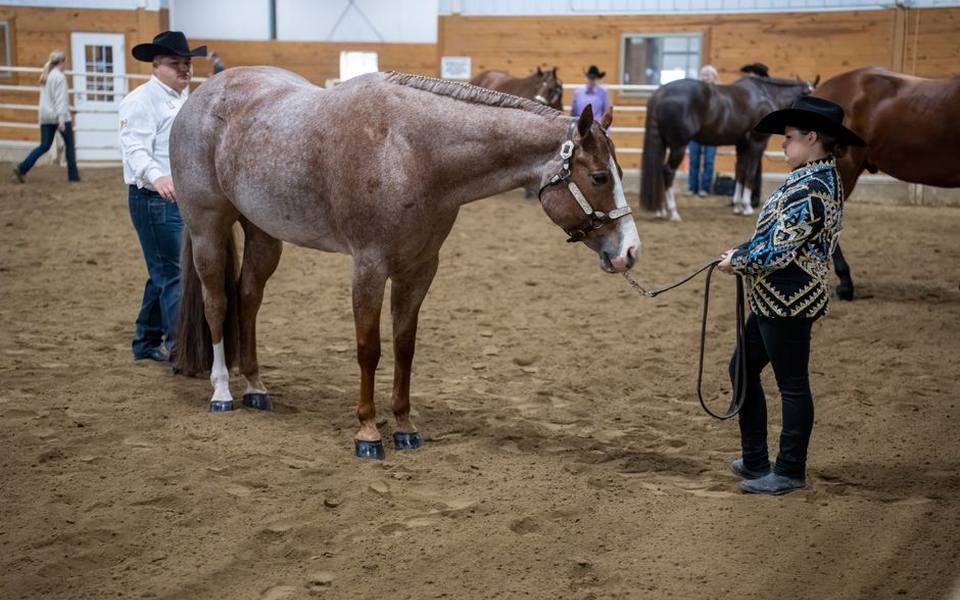
The philosophy championed by a master buck horse trainer rests on the belief that problems manifested under saddle almost always trace back to holes in foundation ground manners. If a horse braces against a lead rope, ignores a handler's presence, or pushes past a shoulder on the ground, that same tension will appear as steering or bitting resistance under tack. By using subtle weight shifts, body language, and consistent boundary setting, trainers cultivate quiet obedience without creating fear or dulling the horse's expressive nature.
Incorporating these principles means paying close attention to small nuances in horse behavior, such as eye blinking, soft chewing, and relaxed head carriage. Rather than drilling an exercise until fatigue sets in, seasoned practitioners ask for one or two honest tries, reward the effort with rest, and move on. Many owners seeking comprehensive programs look for dedicated stables with horse training that integrate classical horsemanship directly into their everyday handling and boarding routines.
Essential Equipment and Setting Up a Lunging Line
Lunging is an invaluable tool for observing movement, introducing vocal commands, and conditioning horses without tack interference, but it requires the right tools to be executed safely. The foundation of this setup is a sturdy, flat horse lunging line, typically measuring thirty to thirty-five feet in length, made from soft cotton or durable nylon webbing. Handlers must avoid thin ropes or bulky hardware that could cause rope burns or swing erratically against the horse's sensitive facial nerves during direction changes.
Choosing between a lunging cavesson and a halter depends on training goals and horse temperament. A well-fitted leather or synthetic cavesson features rings positioned along the noseband, allowing handlers to guide lateral flexion and head elevation without pulling on the horse's mouth. When lunging from a standard halter, side-pull forces can shift the cheekpieces into the horse's outside eye, while lunging directly off a bit can produce uneven mouth pressure and head tilting if the handler's hands are unsteady.
Handler safety gear is non-negotiable during ground schooling. Enclosed paddock boots with sturdy heels, leather work gloves to guard against sudden rope burns, and a certified helmet form standard protocol in professional barns. The lunging whip serves exclusively as an extension of the handler's arm to direct momentum from behind the horse's hip, not as an instrument of punishment. Keeping the line carefully flaked in folds rather than coiled around the hand prevents dangerous entanglements if the horse spooks.
Lunging Mechanics, Rhythm, and Body Alignment
Proper lunging creates an interactive triangle between the horse, the handler's hand, and the tip of the whip. The handler forms the apex of this triangle, facing the horse's ribcage with soft knees and an athletic posture. The lead line leads the eye and nose forward along the perimeter of the circle, while the whip maintains forward rhythm by pointing toward the hocks. Shifting the handler's chest toward the shoulder acts as a natural brake, while stepping toward the hip encourages forward impulsion.
The size and tempo of the lunging circle directly affect equine joint health. Small circles under fifteen meters place excessive torque on the hocks, stifles, and collateral ligaments, especially for young horses whose skeletal frames remain open and developing. Work should typically occur on broad circles between eighteen and twenty meters, keeping sessions capped at fifteen to twenty minutes of active work divided evenly between both directions to avoid repetitive strain injuries.
Establishing an even, relaxed rhythm takes priority over excessive speed. Handlers use rhythmic vocal cues paired with breathing pauses to transition between walk, trot, and canter. Allowing the horse to stretch its topline down and forward encourages abdominal engagement and abdominal back lift. When done properly, lunging acts as therapeutic physical conditioning, helping the animal learn straightness, self-carriage, and balance independently of a rider's shifting center of mass.
Bridging Ground Work to the Hunter Jumper Arena
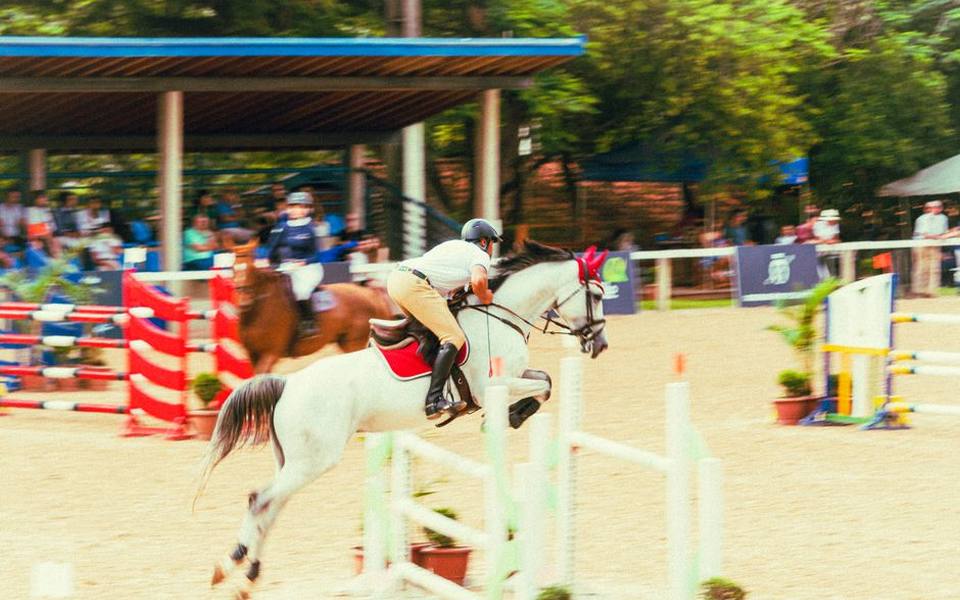
The discipline and obedience developed on the ground directly shape performance in competitive sport disciplines, particularly in hunter jumper barns. In the show hunter ring, judges look for steady pacing, smooth striding between obstacles, and an unruffled expression. A horse that understands how to lengthen and shorten its stride on the lunge line using voice and body cues transitions into course jumping with far greater balance and emotional calm.
Before schooling over fences, horses heading to regional hunter shows benefit immensely from ground pole exercises executed on a circle or down the long rail. Setting ground rails at measured four-foot increments for the trot or twelve-foot spaces for the canter teaches equines to judge distances, adjust their stride, and engage their hindquarters without panic. If a horse rushes fences under saddle, dropping back to ground poles without a rider quickly clarifies whether the issue stems from rider anxiety or horse misunderstanding.
Furthermore, ground manners play a decisive role outside the performance ring during busy show weekends. Moving through crowded staging areas, standing quietly at the warm-up ring gate, and jog-testing sound in hand for the judge require impeccable halter responsiveness. Riders enrolled in structured equestrian and horse riding lessons spend substantial time learning how to present their horses correctly on the shank to impress show officials and ensure safety amid high-stress show grounds.
The Art and Athleticism of Equestrian Vaulting
Often described as dance and gymnastics performed on a moving mount, equestrian vaulting represents one of the oldest equestrian disciplines recognized worldwide. Also referred to in casual barn circles as horseback vaulting or horse vaulting, the sport combines artistic balance, acrobatic skill, and extraordinary equine trust. Vaulting athletes perform compulsory and freestyle exercises while the horse maintains a rhythmic, continuous gait around a standardized circle.
Unlike traditional riding where participants hold reins and use stirrups, equine vaulting uses specialized equipment designed for fluid human movement. The horse wears a padded back protector and an ergonomic vaulting surcingle fitted with dual upright handles and foot grips called cossack loops. The animal travels on side reins to preserve an even, round frame, allowing vaulters to mount, stand, swing, and dismount safely while the horse stays balanced on the rail under the lunger's control.
Beginners in the sport start their training on a stationary practice barrel, a padded metal or wooden replica of a horse's barrel fitted with duplicate surcingle handles. On the barrel, newcomers drill core mounts, kneels, scissors, and handstands until muscle memory and spatial awareness become automatic. Only after mastering safe falls and balance points off the ground do athletes graduate to executing these maneuvers on a moving animal under qualified supervision.
The Vaulting Horse and the Lunger Partnership
In vaulting competition and daily training, the horse constitutes an equal member of the team, assessed and scored on its gait quality, obedience, and calm consistency. Not every equine possesses the unique mental and physical qualities required for the sport. Vaulting mounts are typically heavy warmbloods, draft crosses, or draft breeds with wide, broad backs, solid bone structure, and naturally metronomic gaits that provide a stable platform for multiple athletes.
The lunger serves as the critical anchor of the entire performance, holding the lunge line and regulating the horse's pace, rhythm, and circle geometry. While the vaulters focus entirely on gymnastic executions overhead, the lunger communicates continuously with the horse through feather-light line contact and precise vocal tones. A skilled lunger shields the horse from balance disruptions caused by vaulting dismounts and prevents the horse from falling inward or drifting out off the line.
Because vaulting horses carry dynamic weight shifts on their spines, veterinary oversight and tailored conditioning are mandatory. Regular chiropractic assessments, back massage, and interval lunging sessions ensure these generous animals remain sound and pain-free. When managed thoughtfully, vaulting builds an uncommon bond between lunger, athlete, and horse, demonstrating harmony and collective balance at every level of competition.
Joining Equestrian Clubs and Multi-Discipline Teams
Equestrian development flourishes best within organized communities where horsemanship standards, equipment sharing, and safety protocols are institutionalized. Across many regions, local equestrian clubs offer recreational pathways for riders and ground handlers who wish to explore new disciplines like vaulting, drill teams, or hunter breeding clinics without the immediate expense of horse ownership. These clubs foster collaborative environments where beginners learn directly alongside experienced peers.
Many vaulting teams operate under the umbrella of regional equestrian associations or independent therapeutic riding organizations. Clubs frequently pool resources to invest in premium footing, high-grade vaulting surcingles, and sound schoolmasters capable of packing young beginners safely. Participating in team competitions teaches youth communication, physical conditioning, and deep empathy for horse welfare, as all club members participate in the daily grooming, tacking, and cool-down routines.
For adult amateurs and junior riders looking to expand their skills, connecting with nearby clubs opens doors to clinics, guest coaches, and local fun shows. Checking out boarding facilities that host structured horse riding lessons or vaulting practices gives prospective equestrians an easy window into the club's coaching philosophy and barn culture before signing monthly contracts.
Selecting the Right Professional Horse Trainer
Entrusting a horse or young rider to an equine professional requires thorough due diligence and clear communication regarding training methodologies. A competent horse trainer prioritizes the long-term mental and physical well-being of the horse over quick show-ring results or flashy progress. Barn owners and private clients should spend an afternoon observing prospective trainers during unscripted sessions, noticing how they respond when a horse makes an honest error or displays genuine fear.
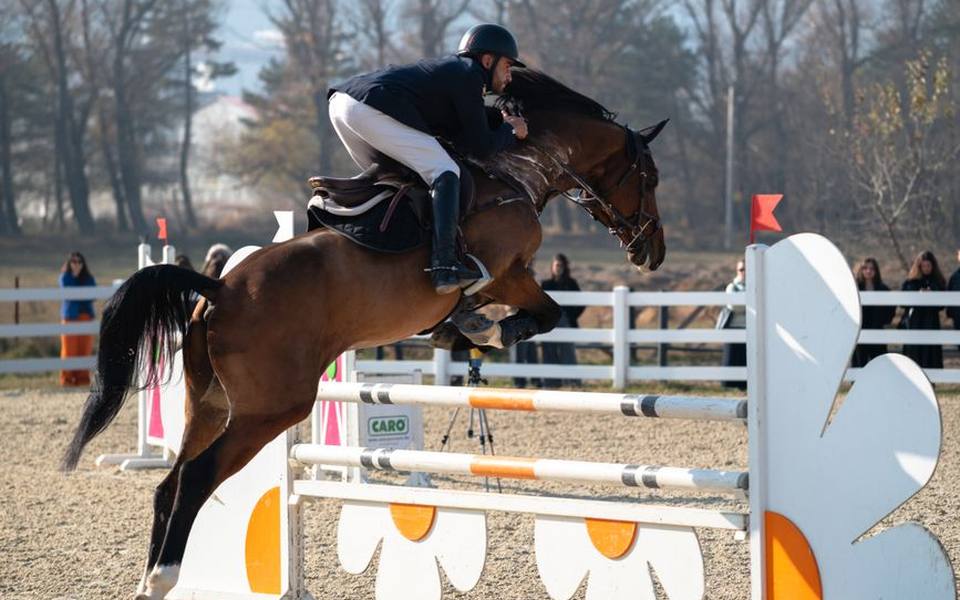
Clear communication and transparent expectations separate exceptional instructors from mediocre barn managers. Inquire whether the trainer works horses themselves, how often groundwork is integrated into the training schedule, and what their process is for handling behavioral resistance. A reputable professional invites owners to watch training rides, provides clear weekly progress reports, and willingly explains the mechanical rationale behind every bit choice, cavesson adjustment, or exercise.
It is equally crucial to confirm that a professional holds current commercial liability insurance, maintains emergency medical plans, and maintains clean, orderly facilities. Trainer rates, lesson packages, and monthly training board vary significantly by region and discipline. Visiting facilities in person and asking for references from long-term clients helps owners find an instructor whose philosophy matches their personal riding goals and budget expectations.
Facility Requirements for Safe Ground and Ring Training
Progressive ground schooling and athletic disciplines require well-designed arena infrastructure to ensure safe footing and contained environments. Round pens measuring fifty to sixty feet in diameter provide ideal spaces for initial groundwork, loose schooling, and young horse starts. The round perimeter eliminates corners where hesitant horses might wedge themselves, allowing the handler to guide continuous, fluid circles without fighting wall angles.
Footing quality is paramount when executing lunging circles and vaulting maneuvers. Surface materials that are too deep or loose strain equine tendons and suspensory ligaments, while hard, compacted dirt delivers damaging concussive shock to hocks and stifles. Many elite training barns maintain specialized fiber-sand blends or regularly drag rubber-amended sand to deliver cushion and traction, especially within stables with indoor arenas that protect footing from winter freezing and summer downpours.
Beyond the primary arena, full-service equestrian facilities should provide safe cross-tie bays, wash stalls with non-slip rubber mats, and secure fencing around all working areas. Having direct pasture turnout and trail access allows horses to unwind mentally after mentally demanding schooling sessions. A well-rounded facility supports the whole animal, balancing focused arena education with herd socialization, quality forage, and quiet rest.
Published 2026-09-20 · reviewed with each rebuild, last September 2026.
Find boarding stables near you
The directory lists 16,945 boarding stables by state and city — pick your state or use the “Near me” button in the header.
More guides
-
 Money
MoneyUnderstanding Monthly Horse Boarding Expenses and Stable Fees
-
 Owning
Understanding Friesian Horse Ownership: Traits, Costs, and Daily Care
-
 Owning
Understanding Riding Disciplines, Essential Tack, and the True Costs of Horse Ownership
-
 Money
MoneyUnderstanding the Costs of Getting Started in the Saddle
-
 Buying
Understanding Initial Horse Purchase Prices by Breed, Size, and Training
-
 Service
The Career Path of a Farrier: Education, Training, and Timeline
-
Owning
Choosing Between Alfalfa and Orchard Grass Hay for Horses
-
 Money
MoneyEssential Horse Ownership Expenses: Leasing, Insurance, and Maintenance
-
 Owning
Complete Guide to Cattle Breeds: Dairy vs Beef Cow Selection and Care
-
 Buying
Horse Buying Guide: Breed Selection, Market Prices, and Classifieds
-
 Owning
Small Farm Livestock Breeding: Goats, Sheep, Pigs, and Poultry
-
 Buying
Miniature Livestock Guide: Mini Cattle, Ponies, and Pocket Equines
-
 Owning
The Complete Guide to Horse Boarding, Stables, and Facilities
-
 Owning
Rubber Stall Mats and Horse Stall Flooring: A Complete Guide
-
 Buying
Guide to Horse Breeds, Breeders, and Equine Artificial Insemination
-
 Buying
Equestrian Riding Boots Buyer's Guide: Western and English Footwear
-
 Owning
Equine Health Care: Colic Signs, Deworming Charts, and Joint Supplements
-
 Owning
Complete Guide to Equine Fly Control: Sprays, Repellents, and Fly Sheets
-
 Safety
Equine Riding Helmets: Sizing, Safety Standards, and Selection Guide
-
 Service
Beach Horseback Riding and Trail Riding Tours Guide
-
 Service
Equine-Assisted Therapy and Psychotherapy: A Practical Guide to Methods, Benefits, and Programs
-
 Buying
A Complete Guide to Buying a Horse: Breeds, Equine Sales, and Insurance
-
 Owning
Complete Guide to Horse Hoof Care, Farrier Services, and Hoof Boots
-
 Owning
A Complete Guide to Horse Grooming, Sheath Cleaning, Massage, and Routine Wellness
-
 Owning
Horse Barn Setup, Stall Infrastructure, Arenas, and Facility Equipment
-
 Buying
Beef and Dairy Cattle Breeds: Buyer's Guide, Traits, and Livestock Care
-
 Owning
Homestead Livestock Guide: Raising Sheep, Goats, Pigs, and Poultry
-
 Service
Equine Dentistry Guide: Floating Teeth, Routine Care, and Choosing a Practitioner
-
 Owning
Equine Saddles and Tack Care: Selection, Fit, Cleaning, and Room Setup
-
 Owning
Horse Blankets and Sheet Guide: Fit, Turnout Types, and Fly Protection
-
 Safety
Equestrian Riding Apparel and Gear: Helmets, Boots, and Show Attire
-
 Owning
Equestrian Gift Guide: Practical and Thoughtful Presents for Horse Lovers and Riders
-
 Service
Horse Transportation Guide: Hauling Services, Trailer Rentals, and Layover Stables
-
 Owning
Designing and Managing a Boarding Stable: Facility Planning, Barn Construction, and Daily Operations
-
 Owning
Horse Health Care, Fly Control, and Preventative Vet Schedules
-
 Service
Beginner Equestrian Camps and Riding Programs: How to Choose the Right Barn
-
 Safety
A Complete Guide to Western Riding Helmets, Barn Footwear, Halters, and Hoof Gear
-
 Service
Guided Horseback Riding Tours & Vacation Stables Guide
-
 Buying
Buying and Selling Horses: Sales Auctions & Breed Marketplaces