Understanding the Modern Equine Sales Market
Finding the right horse begins with realistic clarity about your riding discipline, your true skill level, and your ongoing monthly budget. Private sales, professional consignment barns, and digital classifieds offer thousands of equine options at any given moment. However, filtering through listings requires looking past polished video clips to examine conformation, documented show or trail mileage, and behavioral consistency. A mount that looks magnificent under an experienced trainer might require substantially more riding support than an amateur owner can provide.
Initial purchase prices typically represent only a tiny fraction of total horse ownership expenses. Between routine farrier visits every six weeks, annual vaccinations, dental floats, barn board, and potential veterinary emergencies, maintaining an equine partner involves sustained financial commitment. Prospective buyers frequently discover private listings through regional networks, breed registries, and horses for sale directories that connect local farms directly with riders. Setting a clear ceiling on the initial purchase price leaves necessary room in your budget for professional evaluations and transport.
Before contacting sellers, write out a list of non-negotiable qualities versus flexible preferences. Non-negotiables typically include ground manners, soundness for your intended workload, reliable loading in a trailer, and standing quietly for the farrier. Preferences might include coat color, specific height, or particular registered bloodlines. Approaching equine sales with clear parameters protects you from emotional purchases that lead to mismatched partnerships or safety hazards down the road.
Evaluating Breeders and Sourcing Foundation Lines
Buying directly from an established breeding farm offers complete transparency regarding an animal's early socialization, nutritional foundation, and pedigree. When reaching out to an Arabian horse breeder, for instance, you are tapping into centuries of selective breeding focused on cardiovascular endurance, intelligence, and refined bone structure. Reputable Arabian horse breeders prioritize structural balance and calm dispositions alongside traditional breed type, producing versatile mounts suited for endurance rides, English pleasure, or family trail outings.
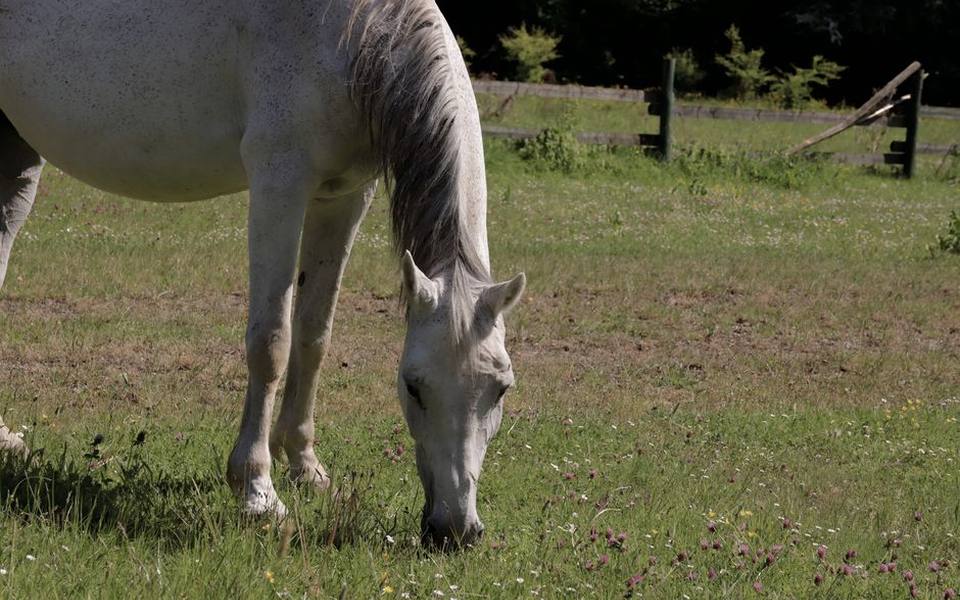
A quality breeding operation welcomes prospective buyers to inspect the mares, stallions, and youngsters in their daily environment. Pay close attention to how foals and yearlings interact with handlers. Young stock that approach calmly without fear or aggression reflect positive, methodical early training. Inquire about genetic health screenings relevant to the breed, such as SCID, CA, and LFS testing in Arabians, which responsible breeders perform routinely before breeding any stock.
Expect to review registration certificates from recognized registries like the Arabian Horse Association or relevant studbooks before finalizing any deposit. Breeders who stand behind their stock will clearly articulate the horse's strengths and limitations, ensuring the animal enters a home matching its developmental stage. Working with an experienced breeder also provides a valuable lifeline of advice as the young horse matures into a reliable riding partner.
Transitioning Off-the-Track Thoroughbreds for Sport
The market for an off-the-track Thoroughbred, commonly referred to as an OTTB, continues to attract riders looking for exceptional athleticism at an accessible entry price. When searching for an OTTB for sale, buyers encounter horses ranging from fresh off the backside of a racetrack to those with months of foundational flatwork. These equine athletes possess outstanding work ethics and natural stamina, making them premier prospects for eventing, hunter-jumper rings, and dressage.
Assessing a retired racehorse requires an understanding of the physiological demands of track life. Many racehorses carry manageable wear on their limbs, including old osselets, minor splints, or mild joint changes that may or may not affect their long-term sport career. A thorough veterinary review of race records, workouts, and track history helps illuminate the horse's workload and durability. It is common practice to allow an OTTB a let-down period of several weeks or months on turn-out to relax mentally and adjust to a forage-heavy diet.
Successful retraining demands patience and often the guidance of professional trainers who understand how Thoroughbreds process aids. Track horses learn to balance against rein pressure rather than give to the bit, and they mount and dismount differently than traditional sport horses. Pairing an off-track prospect with stables with professional horse training ensures that foundational basics—such as bending, lateral movement, and quiet canter transitions—are developed without rushing or creating anxiety.
Rare and Ancient Heritage Breeds
For riders drawn to unique history and exceptional stamina, ancient breeds offer distinct characteristics rarely matched by mainstream sport horses. Sourcing an Akhal Teke horse for sale introduces buyers to an ancient Central Asian breed renowned for its metallic coat sheen, lean greyhound-like silhouette, and unmatched desert endurance. Because domestic breeding populations are relatively small across North America, locating an Akhal Teke for sale typically involves networking with specialized breed registries and traveling across states to view prospects.
The Akhal-Teke possesses dense, hard hooves, exceptional heat tolerance, and an elastic, gliding trot that covers vast distances with minimal rider fatigue. These horses tend to form an intensely loyal bond with a single primary handler, sometimes showing aloofness toward strangers. When evaluating rare breeds, ensure you assess their temperament in varied environments, as high intelligence combined with sharp sensitivity requires an experienced, tactful hand.
Prospective owners must also factor in the logistics of rare breed acquisition, including registration verification with international studbooks and higher potential shipping costs. Because these horses are not widespread, resale markets can be smaller compared to common sport breeds. However, their physical hardiness, striking presence, and capability in endurance competitions make them prized companions for committed equestrians.
The Gaited Elegance of the American Saddlebred
Known as the "Horse America Made," the American Saddlebred combines animated motion with one of the most generous, people-oriented dispositions in the equine world. When browsing an American Saddlebred for sale, you will encounter both three-gaited and five-gaited horses, alongside pleasure mounts bred for practical trail and arena use. While show rings emphasize high head carriage and elevated knee action, Saddlebreds possess natural versatility that extends far beyond specialized saddleseat competitions.
Saddlebreds excel in dressage, eventing, competitive trail, and casual pleasure riding due to their strong hindquarters, upright neck set, and natural willingness to please. Their smooth gaits—particularly the slow gait and rack found in five-gaited lines—offer exceptional comfort for riders with back or joint concerns. When assessing a prospect, observe whether the horse moves naturally without weighted shoes or specialized shoeing packages commonly seen in professional show divisions.
Amateur riders often find that Saddlebreds forgive mistakes far more readily than other spirited light horse breeds. They typically adapt quickly to varied riding environments, from covered arenas to open countryside. Inquire about the horse's turnout routine and shoeing history, as horses transitioning out of formal show barns will need gradual adjustments to standard flat shoes and full-day herd turnout.
Hardy Ponies and Sport Horses from Connemara Stock
Originating from the rugged, rocky terrain of western Ireland, Connemara stock represents one of the most durable and athletic pony breeds available. When searching for a Connemara pony for sale or a taller Connemara horse for sale—often resulting from Thoroughbred or warmblood crosses—buyers find animals renowned for exceptional jumping scope, dense bone, and surefootedness. They routinely jump courses that rival full-sized horses while maintaining the manageable size and feed efficiency of a pony.
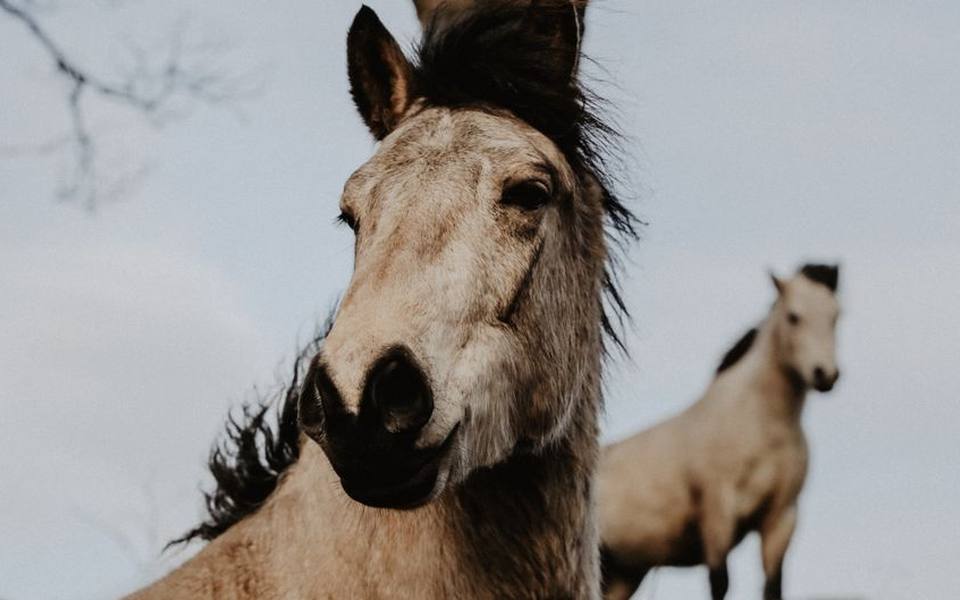
Adult amateurs and youth riders increasingly gravitate toward Connemaras because of their level-headed nature and athletic versatility. Unlike some hot sport horse lines, purebred Connemaras generally maintain a calm demeanor under pressure, making them outstanding choices for pony club rallies, eventing derbies, and local hunter trials. Their strong hooves and resilient digestive systems mean they often thrive on simpler forage regimens than delicate performance breeds.
During pre-purchase checks for Connemaras, confirm the animal's official measurement card if you intend to show in size-restricted pony divisions. Purebreds can range from small pony heights up to over sixteen hands in sport-cross programs. Testing the horse over small fences and across uneven terrain during your trial will quickly demonstrate the breed's legendary balance and self-preservation instincts.
Evaluating Temperament and the Calming Partner
Not every rider seeks competitive ribbons or fast-paced cross-country courses; many equestrians look for steady companionship, emotional grounding, or quiet therapy partners. The concept of the spirithorse represents mounts chosen specifically for their deep empathy, calm biological resonance, and unshakeable nervous systems. Whether for adaptive riding programs, equine-assisted learning, or simply a safe family partner, an emotionally stable horse requires careful behavioral assessment.
Evaluating a calm horse involves testing reactions to unexpected stimuli rather than just checking physical soundness. Introduce novel objects during your visit, such as opening an umbrella, rustling a plastic tarp, or leading the horse past farm machinery. A suitable quiet mount may pause and inspect the object, but it should not exhibit explosive flight responses or sustained panic. Its physiological signs—breathing rate, muscle tension, and eye softness—should return to baseline quickly.
Riders who take regular horse riding lessons can invite their instructor to evaluate potential mounts with them. An instructor assesses whether a horse's baseline energy complements the rider's seat and handling confidence. A truly quiet, intuitive horse is invaluable for building confidence, and experienced equestrians agree that paying for proven temperament delivers far greater satisfaction than buying raw athletic potential.
Conducting Trial Rides at Equestrian Facilities
Visiting an equestrian center or private sales barn demands a structured, methodical approach. Always request that the seller keep the horse in its stall or turnout paddock until you arrive, rather than having it tied, groomed, and fully tacked up. Watching the horse being caught, led, groomed, and saddled reveals critical information about its barn manners, sensitivity to touch, and overall ground behavior. If a horse appears sedated or heavily worked before your arrival, proceed with extreme caution.
Insist that the seller or their resident rider mount the horse first. Watch the horse work in both directions at the walk, trot, and canter, paying attention to how it accepts the bit, responds to leg aids, and uses its back. If the horse demonstrates safe, obedient behavior under its familiar rider, mount the horse yourself and conduct basic flatwork. Test how it stops off your seat, navigates tight arena corners, and reacts to moving away from the barn exit.
Whenever feasible, ride the horse outside the comfort of an enclosed arena. Take it around the perimeter of the equestrian facility, across grass fields, or near livestock paddocks to test its confidence in open spaces. Many horses behave quietly inside familiar indoor walls but become anxious or herd-bound when asked to walk out alone toward open trails.
Pre-Purchase Examinations and Equine Insurance
Once you locate a promising candidate, schedule an independent pre-purchase examination (PPE) with a veterinarian who has no commercial ties to the seller. A standard PPE assesses heart and lung function, ophthalmic health, dental wear, flexion test responses across all four limbs, and overall conformation. Depending on your athletic goals, you can add baseline digital radiographs of the feet, hocks, and stifles, alongside an endoscopic airway exam or blood panel screening.
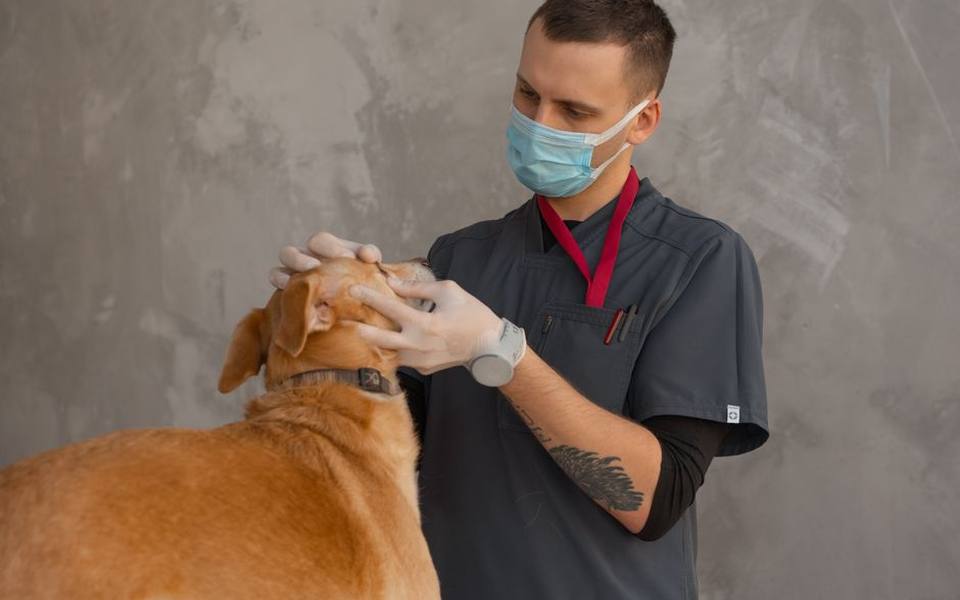
Securing horse insurance provides critical protection against catastrophic veterinary bills and tragic losses. Equine insurance packages typically combine full mortality coverage—which pays the horse's insured value in the event of death—with optional endorsements for major medical, surgical, and colic care. Major medical endorsements typically cover diagnostics, treatments, and hospitalizations up to an annual limit, which can range from several thousand dollars upward depending on the chosen policy tier.
Underwriters require a completed veterinary health certificate or a copy of the PPE before binding coverage on performance horses. Insurance companies review pre-existing conditions thoroughly; any joint arthritis or prior soft-tissue injuries identified on the PPE may be excluded from medical coverage. Securing insurance coverage on the exact day ownership transfers protects your investment during shipping, which is historically one of the highest-risk windows for acute colic or traumatic injury.
Finalizing the Purchase and Managing Barn Transition
A clear, written bill of sale protects both parties and eliminates ambiguities regarding the horse's identity, health warranties, and transfer of title. The document must specify the full registered name, registration number, microchip details, purchase price, and the exact date when physical risk transfers to the buyer. Ensure the seller provides an up-to-date negative Coggins test certificate, recent vaccination records, and signed registration transfer papers before the horse leaves the property.
Coordinate professional equine transport well in advance, ensuring the hauler carries commercial cargo and equine insurance. Long trailer journeys cause physical stress, muscle fatigue, and immune suppression. When the horse arrives at its new boarding stable, allow it several quiet days to settle into its surroundings before initiating serious training. Introducing the horse gradually to local hay, regional pasture grasses, and herd dynamics prevents digestive upset and avoidable injuries.
Finding an appropriate facility tailored to your horse's lifestyle needs is vital for long-term health. Some breeds thrive on 24-hour turnout in pasture board stables, while high-performance show mounts may require full-care stall board with scheduled turnouts. Taking the time to select among established horse boarding facilities ensures your new partner has the forage, social enrichment, and arena amenities necessary for a successful riding career.
Published 2026-09-20 · reviewed with each rebuild, last September 2026.
Find boarding stables near you
The directory lists 16,945 boarding stables by state and city — pick your state or use the “Near me” button in the header.
More guides
-
 Money
MoneyUnderstanding Monthly Horse Boarding Expenses and Stable Fees
-
 Owning
Understanding Friesian Horse Ownership: Traits, Costs, and Daily Care
-
 Owning
Understanding Riding Disciplines, Essential Tack, and the True Costs of Horse Ownership
-
 Money
MoneyUnderstanding the Costs of Getting Started in the Saddle
-
 Buying
Understanding Initial Horse Purchase Prices by Breed, Size, and Training
-
 Service
The Career Path of a Farrier: Education, Training, and Timeline
-
Owning
Choosing Between Alfalfa and Orchard Grass Hay for Horses
-
 Money
MoneyEssential Horse Ownership Expenses: Leasing, Insurance, and Maintenance
-
 Owning
Complete Guide to Cattle Breeds: Dairy vs Beef Cow Selection and Care
-
 Buying
Horse Buying Guide: Breed Selection, Market Prices, and Classifieds
-
 Owning
Small Farm Livestock Breeding: Goats, Sheep, Pigs, and Poultry
-
 Buying
Miniature Livestock Guide: Mini Cattle, Ponies, and Pocket Equines
-
 Owning
The Complete Guide to Horse Boarding, Stables, and Facilities
-
 Owning
Rubber Stall Mats and Horse Stall Flooring: A Complete Guide
-
 Buying
Guide to Horse Breeds, Breeders, and Equine Artificial Insemination
-
 Buying
Equestrian Riding Boots Buyer's Guide: Western and English Footwear
-
 Owning
Equine Health Care: Colic Signs, Deworming Charts, and Joint Supplements
-
 Owning
Complete Guide to Equine Fly Control: Sprays, Repellents, and Fly Sheets
-
 Safety
Equine Riding Helmets: Sizing, Safety Standards, and Selection Guide
-
 Service
Beach Horseback Riding and Trail Riding Tours Guide
-
 Service
Equine Training Fundamentals: Groundwork, Lunging Techniques, and Equestrian Vaulting
-
 Service
Equine-Assisted Therapy and Psychotherapy: A Practical Guide to Methods, Benefits, and Programs
-
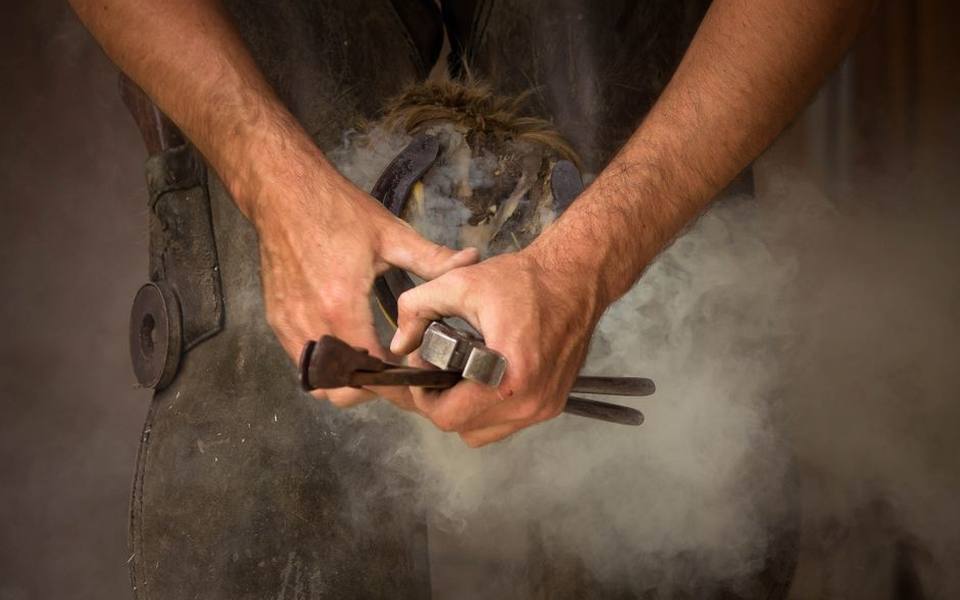 Owning
Complete Guide to Horse Hoof Care, Farrier Services, and Hoof Boots
-
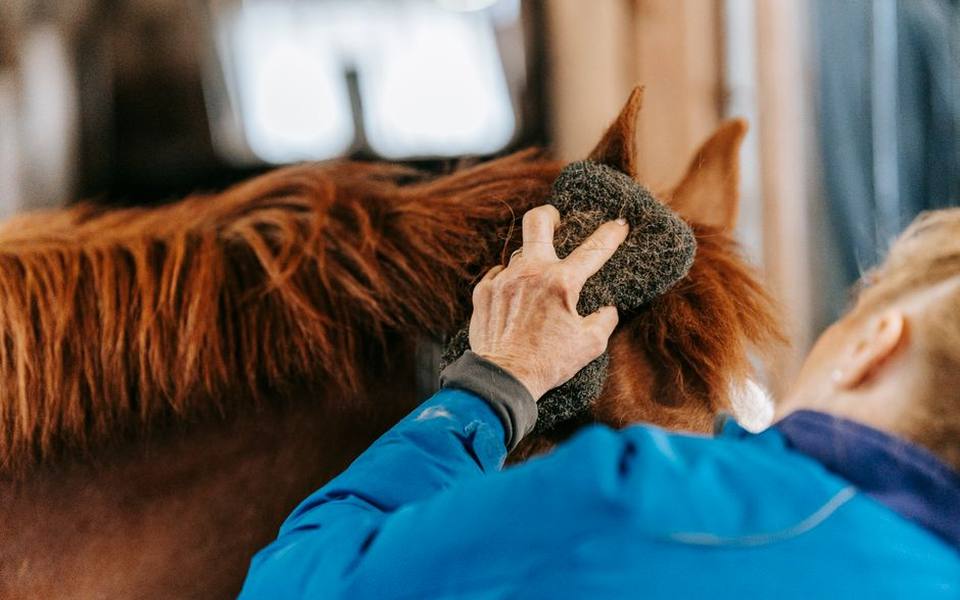 Owning
A Complete Guide to Horse Grooming, Sheath Cleaning, Massage, and Routine Wellness
-
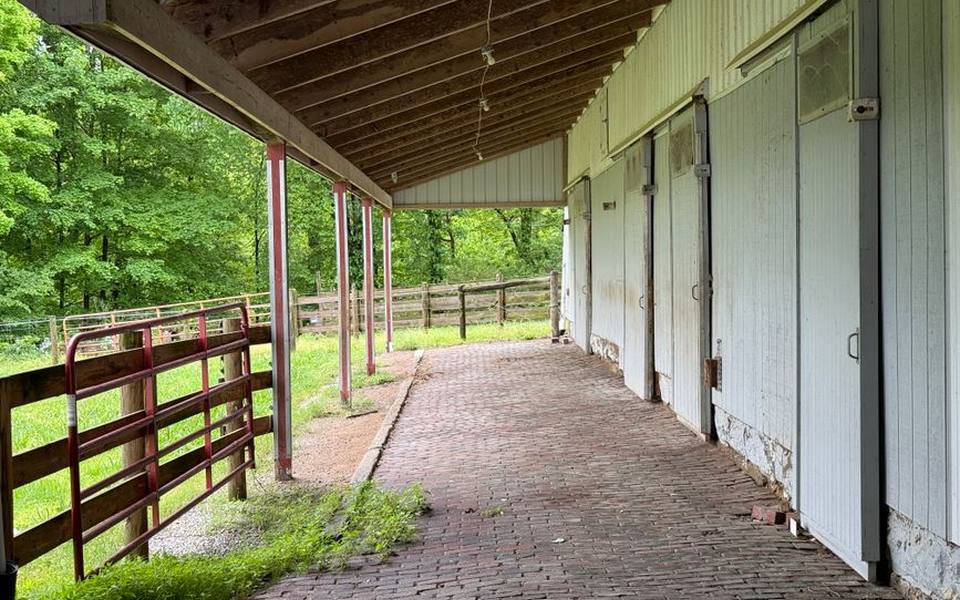 Owning
Horse Barn Setup, Stall Infrastructure, Arenas, and Facility Equipment
-
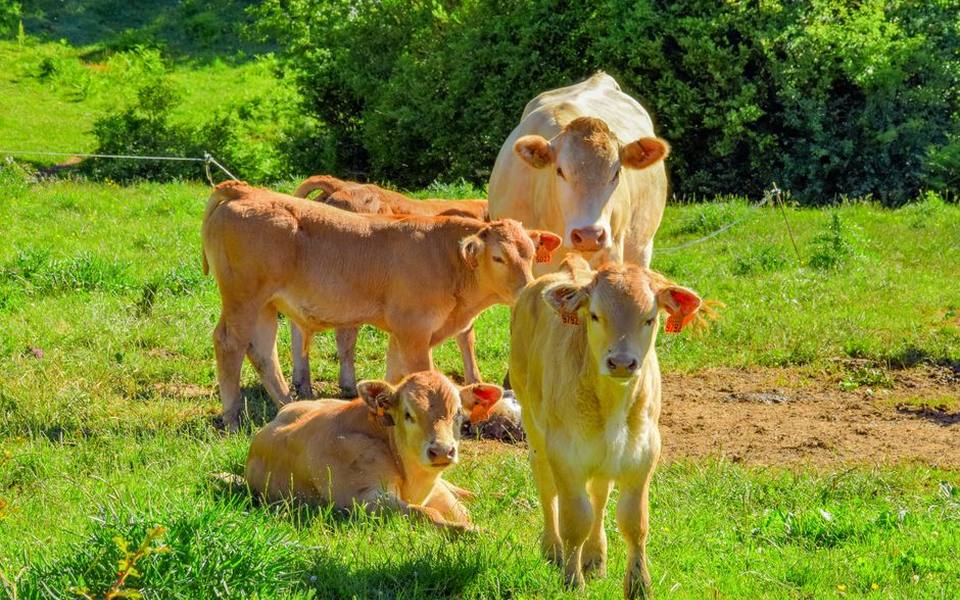 Buying
Beef and Dairy Cattle Breeds: Buyer's Guide, Traits, and Livestock Care
-
 Owning
Homestead Livestock Guide: Raising Sheep, Goats, Pigs, and Poultry
-
 Service
Equine Dentistry Guide: Floating Teeth, Routine Care, and Choosing a Practitioner
-
 Owning
Equine Saddles and Tack Care: Selection, Fit, Cleaning, and Room Setup
-
 Owning
Horse Blankets and Sheet Guide: Fit, Turnout Types, and Fly Protection
-
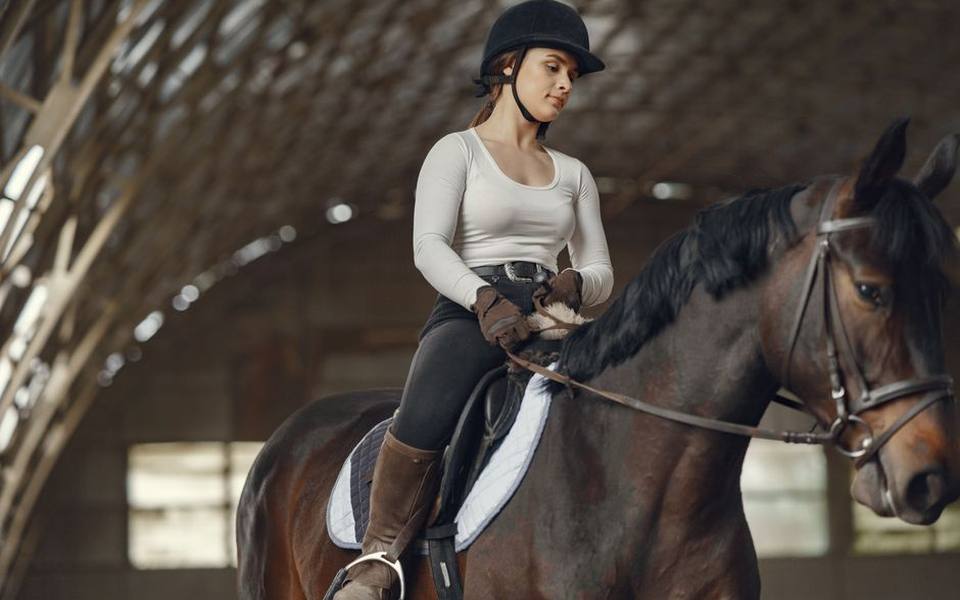 Safety
Equestrian Riding Apparel and Gear: Helmets, Boots, and Show Attire
-
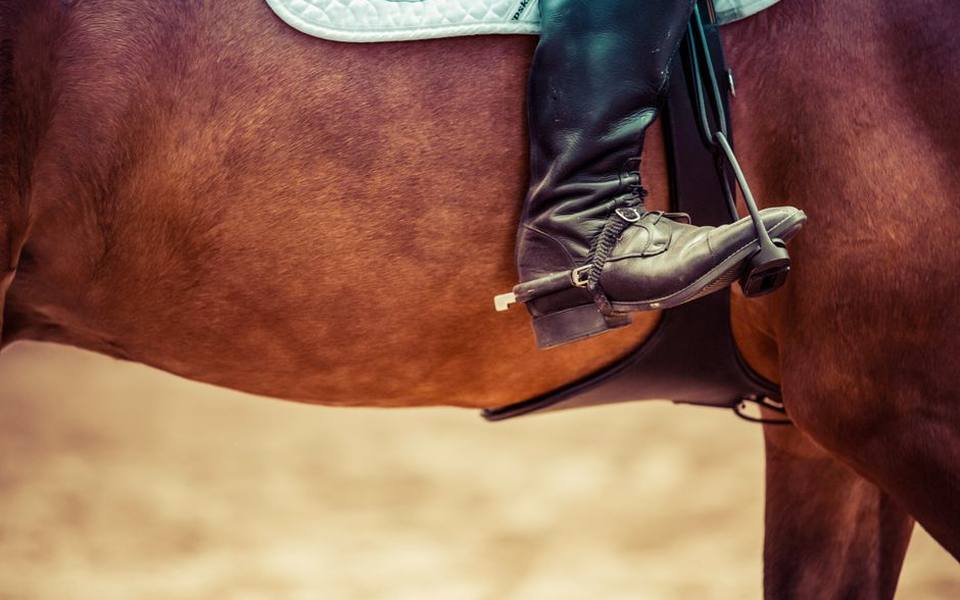 Owning
Equestrian Gift Guide: Practical and Thoughtful Presents for Horse Lovers and Riders
-
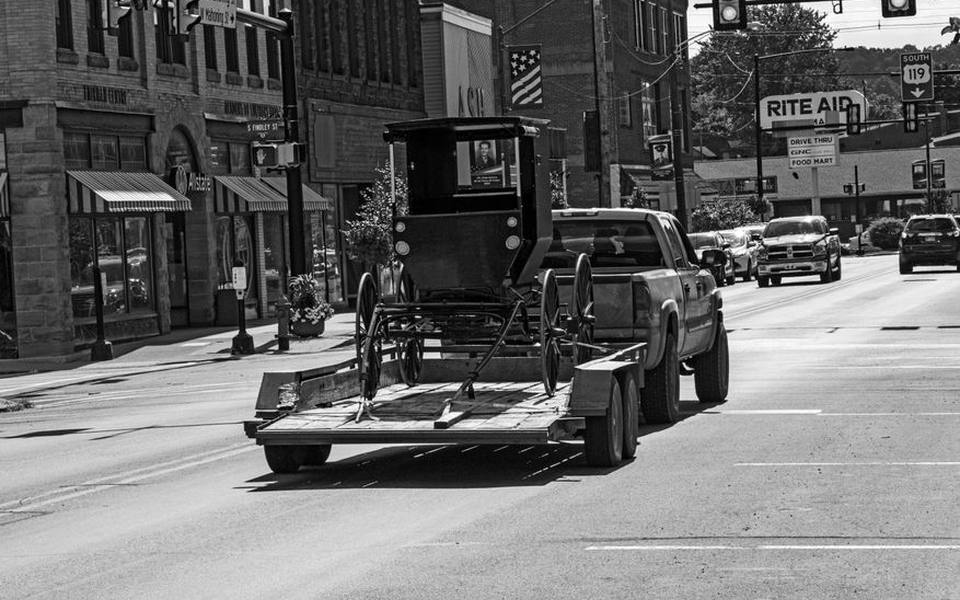 Service
Horse Transportation Guide: Hauling Services, Trailer Rentals, and Layover Stables
-
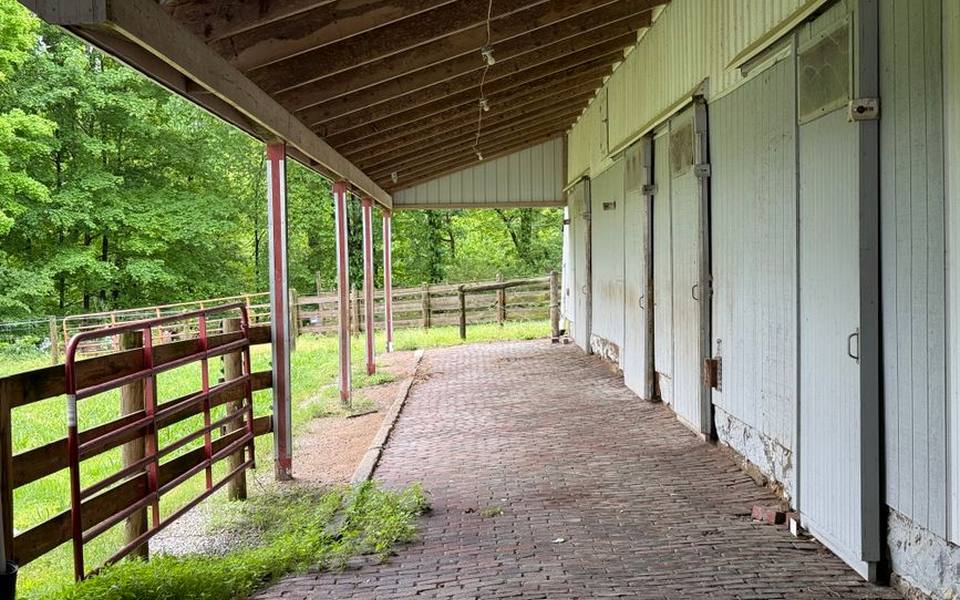 Owning
Designing and Managing a Boarding Stable: Facility Planning, Barn Construction, and Daily Operations
-
 Owning
Horse Health Care, Fly Control, and Preventative Vet Schedules
-
 Service
Beginner Equestrian Camps and Riding Programs: How to Choose the Right Barn
-
 Safety
A Complete Guide to Western Riding Helmets, Barn Footwear, Halters, and Hoof Gear
-
 Service
Guided Horseback Riding Tours & Vacation Stables Guide
-
 Buying
Buying and Selling Horses: Sales Auctions & Breed Marketplaces