Navigating the Market When Choosing a Saddle
Starting a search among various horse saddles for sale can quickly feel overwhelming without a clear checklist. Whether you need a general-purpose model or something discipline-specific, the tree condition remains paramount. A cracked tree ruins a horse's back, regardless of cosmetic appeal. Look past shiny leather and test the frame by pressing the pommel toward the cantle. If there is give, pop, or uneven flex, walk away immediately.
When browsing regional ads or private listings with saddles for sale, always verify measurements in person whenever possible. Seat sizes vary markedly between manufacturers, and gullet widths are rarely universal across different brands. A medium tree from an English maker rarely matches a regular quarter horse bar in western gear. Bringing a flexible curve template of your horse's wither profile helps rule out unsuitable options before making expensive commitments.
Many riders prefer consulting an equine professional or certified fitter before exchanging funds on used tack. If you are taking riding lesson programs, your instructor can often evaluate balance lines directly from the ground. A saddle that tips you forward or back forces muscular compensation that impairs your seat, making everyday riding far more exhausting for both horse and rider.
What to Inspect on Used Western Gear
Browsing western saddles for sale requires paying close attention to foundational components that endure heavy torque. Check the horn, rigging plates, and fleece lining beneath the skirts. Synthetic fleece tends to pack down over time, while natural sheepskin offers better longevity but can deteriorate if exposed to moisture and sweat. Push firmly against the swells to ensure the fork is rigid and properly anchored to the bars.

Stirrup leathers on western rigs carry substantial weight and often suffer from hidden wear near the Blevins buckles. Unlace or adjust the fenders to look for elongated holes, cracking, or dry rot beneath the leather surface. Dry, neglected leather around the cinch rings is a safety hazard that requires prompt replacement by a reputable saddler before anyone climbs into the seat.
Different western pursuits demand distinct tree geometries. Roping rigs feature reinforced horns and double rigging, whereas reining models emphasize low cantles and close-contact skirts. If you enjoy relaxed trail riding, lightweight endurance or round-skirt trail models reduce weight on your horse's back, which is particularly beneficial when exploring properties with trail access during extended weekend outings.
Dressage Saddles and Balanced Riding
Finding an appropriate dressage saddle centers on maximizing freedom for the horse's shoulders while placing the rider in an upright, neutral alignment. These saddles feature distinctly deep seats, high cantles, and straight, elongated flaps designed to accommodate a long stirrup length. The primary objective is clear communication through subtle weight shifts and seat aids, without fighting the saddle's natural balance point.
Tree angles and panel fill deserve strict scrutiny during any trial. Wool-flocked panels allow custom adjustment to match your horse's evolving topline, whereas foam panels remain static and cannot be easily altered by an equine fitter. As a horse develops through systematic training, back musculature expands, meaning a saddle that fit smoothly in spring might pinch at the withers by autumn.
Long billets are standard on modern dressage designs, securing the girth low against the horse's barrel to reduce bulk under the rider's thighs. Always examine billet stitching, as these straps endure continuous strain during collection and lateral work. Stretched holes, cracked leather, or loose threads indicate the billets need urgent restitching before mounting.
Dressage Pads, Cloths, and Blankets
Selecting the right dressage saddle pad is about far more than schooling aesthetics or show-ring presentation. A proper pad matches the cut of your saddle flaps without bunching under the tree points or pulling down tightly over the spine. Quality pads feature contoured toplines that create a clear channel over the withers, preventing friction burns and pressure sores during intense training sessions.
Riders frequently interchange the terms dressage saddle cloth and square pad, but construction materials make a tangible difference in daily performance. High-density cotton twill with waffle-weave linings wicks sweat away from the skin, keeping back muscles cool. Thin synthetic covers often trap heat, creating damp spots that leave delicate skin prone to folliculitis and bacterial irritation during humid summer rides.
In certain training scenarios, a specialized dressage saddle blanket or therapeutic half-pad with shims provides temporary balance correction while a young horse builds muscle. Never stack excessive layers to compensate for a poorly fitting tree, however. Adding thick blankets under a narrow saddle creates excessive pressure, much like wearing thick winter socks inside tight shoes.
The Practical Appeal of McClellan Saddles
Originally developed in the nineteenth century for cavalry units, McClellan saddles maintain a loyal following among modern distance and endurance riders. The design is instantly recognizable by its open seat with a central longitudinal slot, suspended leather seat over a wooden or fiberglass tree, and total absence of heavy padding. This skeletal architecture keeps total weight minimal while promoting cooling airflow over the horse's spine.
Because authentic military models and modern reproductions lack conventional padded skirts, riding one requires careful fitting and substantial under-padding. Riders typically pair them with thick felt or sheepskin blankets that cushion the bars against the ribcage. The simple stirrup leathers and exposed rigging allow straightforward maintenance, making them resilient options for rough country where fancy leatherwork would easily get scuffed.
When evaluating these historical saddles, inspect the rawhide or modern polymer wrapping on the tree. Moisture exposure can rot the underlying wood if the outer protective layer splits. Look closely at the iron or brass hardware for rust, especially where the cinch girth mounts to the side rings. A sound McClellan provides balanced weight distribution across endless miles of rugged terrain.
Smart Ways to Shop for Discount Horse Tack
Equipping a horse does not require draining your savings, provided you know where to source discount horse tack without compromising safety. Consignment shops, local tack swaps, and online equestrian classifieds offer high-end leatherwork at a fraction of retail prices. The key is distinguishing between cosmetic blemishes, which merely lower resale value, and structural weaknesses that could endanger rider safety in the arena.
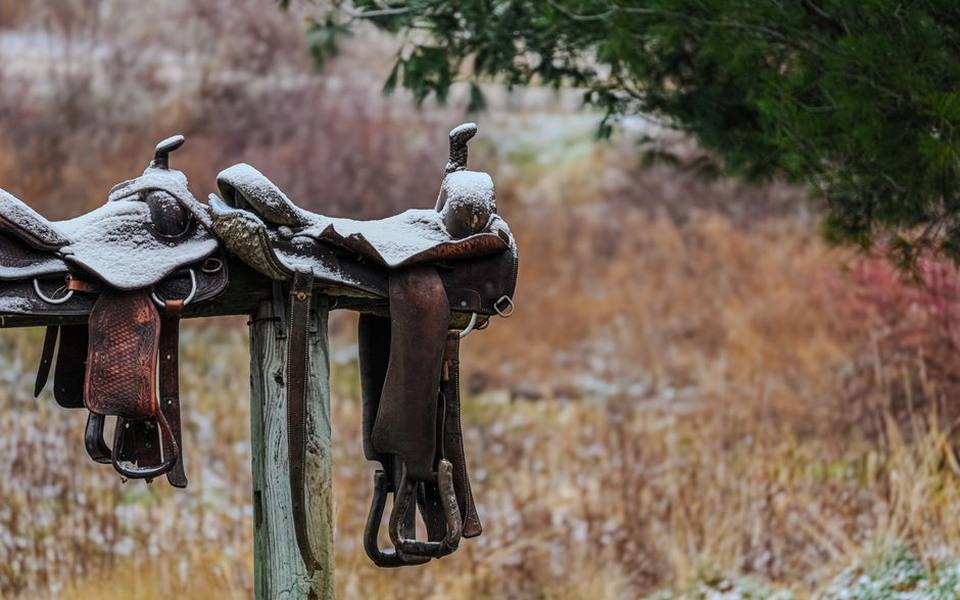
Always prioritize structural integrity over brand names when hunting for bargains. Examine the stitching around cheekpieces, reins, and girth buckles; restitching minor seams is inexpensive, but torn leather fibers cannot be mended. Synthetic bridles and saddles made from durable biothane or wipe-clean fabrics offer exceptional value for daily schooling, freeing up your budget for critical items like professional bit fitting and helmet safety.
Equestrian swap meets are particularly fruitful when riders transition disciplines or sell outgrown equipment. If you are browsing horses for sale, former owners are sometimes willing to bundle well-fitted tack with the animal. This arrangement spares you the trial-and-error process of fitting a new tree to an unfamiliar back contour while securing a functional working setup at a practical price.
Cleaning Fundamentals and Saddle Leather Soap
Routine leather care protects your investment against sweat, arena dust, and premature dry rot. Using a proper saddle leather soap removes acidic salt residues that break down animal hides from the inside out. After every ride, a quick wipe with a slightly damp microfiber towel removes surface dust, but a dedicated deep clean should occur every few weeks, depending on riding frequency and humidity levels.
To clean effectively, work a minimal amount of water into your leather soap until you create a rich, dense lather. Avoid soaking the leather, as excess moisture saturates the inner core, washing out natural tanning oils and leading to cardboard-like stiffness once dry. Work the suds into all creases, lift stirrup leathers, and wipe down the underside of flaps where body grime accumulates.
After scrubbing, immediately wipe away the dirty lather with a clean, damp sponge before it dries back into the pores. Trapped soap residue attracts dirt, forming a gummy film that dulls the finish and invites mold. Allow the leather to air-dry slowly at room temperature away from direct sunlight, radiant heaters, or forced-air vents, which strip moisture and cause surface cracking.
Mastering Traditional Soap and Conditioning Routines
For generations, traditional glycerin formulas like Fiebing's saddle soap have served as the benchmark for preserving working leather. Available in both yellow paste and white bar formulations, these soaps clean while leaving behind a protective film of glycerin that keeps hide fibers supple. The paste version is particularly handy for softening stiff leather on used tack that has sat neglected in storage.
Applying traditional bar or paste soap requires a disciplined touch. Dampen a small sponge, rub it across the soap until it forms a creamy paste, and work it into the grain in circular motions. The goal is to lift trapped dirt without flooding the stitch channels. Water trapped in linen or nylon stitching can rot threads or weaken the internal glue holding panel laminates together.
Following a thorough cleaning, apply a light coat of pure neatsfoot oil or beeswax-based leather conditioner to restore flexibility. Pay close attention to high-friction spots such as girth billets and stirrup leathers. Wipe away any excess conditioner after twenty minutes, as over-softened leather can stretch unpredictably under load, altering stirrup balance or loosening your cinch during vigorous exercise.
Designing Functional and Organized Tack Rooms
Well-planned tack rooms are essential for preserving gear and keeping daily barn routines running smoothly. Whether managing a private backyard barn or boarding twenty horses, climate control represents the single best defense against mold and mildew. Maintaining moderate humidity levels with a standard residential dehumidifier prevents leather blooms, while proper ventilation keeps damp saddle blankets from developing sour odors.
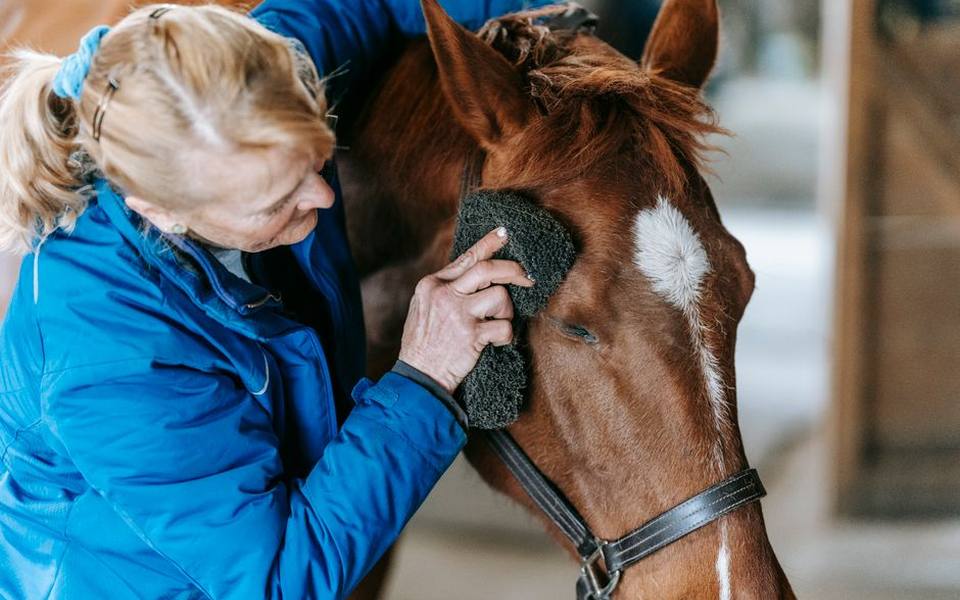
Organizing wall space effectively maximizes floor clearance and reduces accidental gear damage. Heavy wooden or tubular metal saddle racks should be spaced far enough apart that flaps do not overlap and crush adjacent leather. Mount bridle racks high enough so reins hang straight without dragging on barn aisle dirt, and assign dedicated bins for bandages, brushes, and protective boots.
Security is an equally vital component of tack room design. High-value saddles and custom bits attract unwanted attention, making reinforced door frames, secure deadbolts, and keyed entry standard practice. In shared boarding barns, personalized tack lockers allow individual owners to keep everyday supplies organized while safeguarding their investments behind individual padlocks.
Safety Checks, Stitching, and Preventive Maintenance
Tack maintenance goes beyond cosmetic cleaning; regular safety inspections prevent catastrophic hardware failures while riding. At least once a month, examine every buckle tongue, Chicago screw, and rivet across your entire tack collection. Metal fatigue can develop invisibly inside stainless steel or brass fittings, causing sudden snaps under normal rein contact or stirrup pressure.
Stirrup leathers require special scrutiny because they endure continuous, asymmetrical rider weight. Look for elongated buckle holes, fraying nylon webbing cores, or thinning leather near the stirrup bar. If one leather has stretched noticeably longer than the other from mounting from the ground, swap sides regularly or replace them in pairs to avoid throwing your hips out of alignment.
Girths and cinches demand constant evaluation, as a failed girth almost always results in a displaced saddle and an unseated rider. Check elastic inserts for dry rot, wavy distortions, or lost tension. If using a string or mohair cinch, look for frayed strands and rust on the roller buckles, replacing worn components before training inside an indoor arena or out in open fields.
Boarding Stable Setups and Gear Storage Logistics
When transitioning your horse to new horse boarding facilities, assessing the tack storage options should be high on your facility checklist. The best operations provide individual locker space, communal cleaning sinks, and dedicated drying racks for damp saddle pads. Adequate space prevents your expensive equipment from rubbing against dusty blankets or being crowded out in high-traffic corridors.
If you board in areas with heavy seasonal humidity or temperature swings, ask management how tack spaces are maintained during winter or summer extremes. Storing fine leather in uninsulated metal sheds quickly leads to mold outbreaks in summer and stiff, brittle leather in winter. Many boarders invest in breathable, fleece-lined saddle covers that protect leather from falling dust without trapping ambient moisture underneath.
Keeping an organized, labeled storage system within your assigned locker speeds up pre-ride preparation and protects personal boundaries in busy barns. Group schooling pads, show gear, and daily grooming tools in clear stackable bins. By combining thoughtful storage habits with regular leather conditioning, your saddles and tack will remain safe, functional, and attractive for decades of rewarding horsemanship.
Published 2026-09-20 · reviewed with each rebuild, last September 2026.
Find boarding stables near you
The directory lists 16,945 boarding stables by state and city — pick your state or use the “Near me” button in the header.
More guides
-
 Money
MoneyUnderstanding Monthly Horse Boarding Expenses and Stable Fees
-
 Owning
Understanding Friesian Horse Ownership: Traits, Costs, and Daily Care
-
 Owning
Understanding Riding Disciplines, Essential Tack, and the True Costs of Horse Ownership
-
 Money
MoneyUnderstanding the Costs of Getting Started in the Saddle
-
 Buying
Understanding Initial Horse Purchase Prices by Breed, Size, and Training
-
 Service
The Career Path of a Farrier: Education, Training, and Timeline
-
Owning
Choosing Between Alfalfa and Orchard Grass Hay for Horses
-
 Money
MoneyEssential Horse Ownership Expenses: Leasing, Insurance, and Maintenance
-
 Owning
Complete Guide to Cattle Breeds: Dairy vs Beef Cow Selection and Care
-
 Buying
Horse Buying Guide: Breed Selection, Market Prices, and Classifieds
-
 Owning
Small Farm Livestock Breeding: Goats, Sheep, Pigs, and Poultry
-
 Buying
Miniature Livestock Guide: Mini Cattle, Ponies, and Pocket Equines
-
 Owning
The Complete Guide to Horse Boarding, Stables, and Facilities
-
 Owning
Rubber Stall Mats and Horse Stall Flooring: A Complete Guide
-
 Buying
Guide to Horse Breeds, Breeders, and Equine Artificial Insemination
-
 Buying
Equestrian Riding Boots Buyer's Guide: Western and English Footwear
-
 Owning
Equine Health Care: Colic Signs, Deworming Charts, and Joint Supplements
-
 Owning
Complete Guide to Equine Fly Control: Sprays, Repellents, and Fly Sheets
-
 Safety
Equine Riding Helmets: Sizing, Safety Standards, and Selection Guide
-
 Service
Beach Horseback Riding and Trail Riding Tours Guide
-
 Service
Equine Training Fundamentals: Groundwork, Lunging Techniques, and Equestrian Vaulting
-
 Service
Equine-Assisted Therapy and Psychotherapy: A Practical Guide to Methods, Benefits, and Programs
-
 Buying
A Complete Guide to Buying a Horse: Breeds, Equine Sales, and Insurance
-
 Owning
Complete Guide to Horse Hoof Care, Farrier Services, and Hoof Boots
-
 Owning
A Complete Guide to Horse Grooming, Sheath Cleaning, Massage, and Routine Wellness
-
 Owning
Horse Barn Setup, Stall Infrastructure, Arenas, and Facility Equipment
-
 Buying
Beef and Dairy Cattle Breeds: Buyer's Guide, Traits, and Livestock Care
-
 Owning
Homestead Livestock Guide: Raising Sheep, Goats, Pigs, and Poultry
-
 Service
Equine Dentistry Guide: Floating Teeth, Routine Care, and Choosing a Practitioner
-
 Owning
Horse Blankets and Sheet Guide: Fit, Turnout Types, and Fly Protection
-
 Safety
Equestrian Riding Apparel and Gear: Helmets, Boots, and Show Attire
-
 Owning
Equestrian Gift Guide: Practical and Thoughtful Presents for Horse Lovers and Riders
-
 Service
Horse Transportation Guide: Hauling Services, Trailer Rentals, and Layover Stables
-
 Owning
Designing and Managing a Boarding Stable: Facility Planning, Barn Construction, and Daily Operations
-
 Owning
Horse Health Care, Fly Control, and Preventative Vet Schedules
-
 Service
Beginner Equestrian Camps and Riding Programs: How to Choose the Right Barn
-
 Safety
A Complete Guide to Western Riding Helmets, Barn Footwear, Halters, and Hoof Gear
-
 Service
Guided Horseback Riding Tours & Vacation Stables Guide
-
 Buying
Buying and Selling Horses: Sales Auctions & Breed Marketplaces