Understanding the Modern Horse Sales Landscape
Finding the right equine partner requires navigating an intricate marketplace that ranges from local livestock auctions to private breeding facilities and elite catalog events. While internet classifieds allow buyers to browse hundreds of prospects from home, purchasing an animal sight-unseen carries substantial financial and physical risk. Understanding how different sales channels operate helps you match your experience level, budget, and performance goals with the appropriate venue.
Private treaty purchases remain the most common path for amateur riders and family mounts. Buying directly from an owner or trainer typically allows for a structured test ride, complete veterinary review, and a trial period. In contrast, public auctions require split-second decision-making, rapid soundness evaluations, and immediate payment. Neither format is inherently better, but each demands a distinct level of equine experience and preparation.
Before beginning your search, determine whether your discipline requires specialized bloodlines or if a steady, versatile grade horse suits your routine. Exploring equestrian facilities with horses for sale offers an opportunity to interact with horses in their everyday environment. Taking time to map out your realistic budget—including pre-purchase exams, hauling, sales commissions, and initial transition boarding—prevents impulsive purchases you might regret later.
Regional Consignment Sales and Stock Auctions
Regional consignment auctions have served rural equine communities for generations, acting as open marketplaces where ranchers, breeders, and hobbyists trade stock. Longstanding fixtures such as the Clovis horse sale or weekly events like the Bowie horse sale bring hundreds of horses through the ring in a single weekend. These sales feature everything from loose grade animals and unstarted colts to seasoned trail mounts, team roping horses, and retired broodmares.
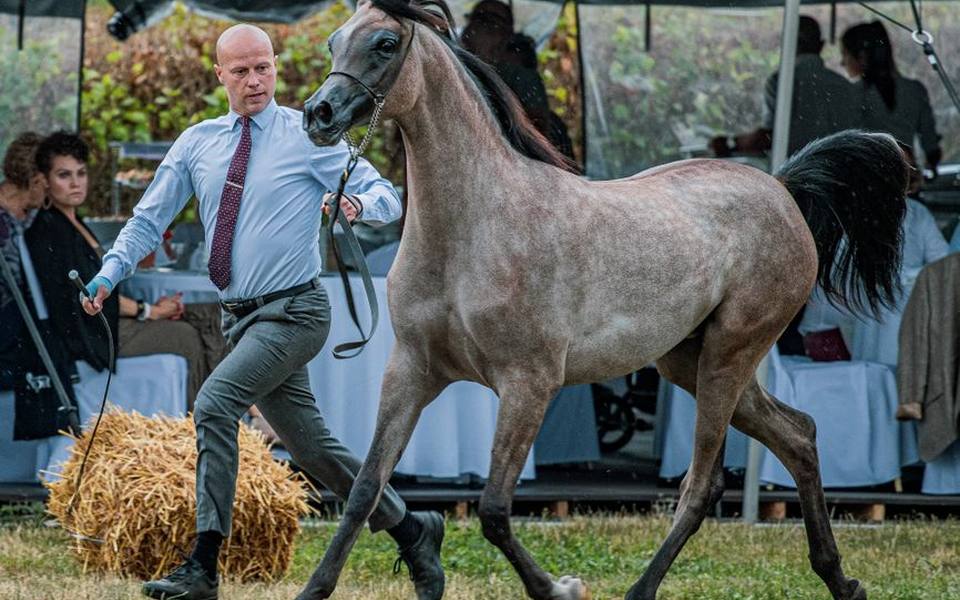
The auction ring moves at a rapid pace, frequently leaving buyers with only ninety seconds to watch an animal walk, trot, and turn under saddle. Consignors typically bring horses into preview pens before the sale begins, giving prospective bidders a brief window to inspect ground manners, pick up feet, and observe behavior in a bustling barn aisle. Savvy buyers arrive early in the morning to watch consignors saddle up and warm their horses in the outdoor pens.
Bidding at open auctions involves distinct risks because warranties are strictly limited by catalog conditions of sale. Unless a horse is sold with a specific guarantee of soundness for a particular purpose, sales are almost universally final once the gavel drops. For experienced horsemen who can assess conformation, lameness, and temperament on the fly, regional auctions present genuine bargains, but beginner riders should avoid bidding without an experienced professional at their side.
Ranch Production Events and Stock Sales
Ranch production sales offer a more controlled environment than open livestock yards because the animals usually share a single breeding program or proven foundation. Signature events such as an annual bull and gelding sale combine working beef cattle with trained stock horses, attracting working cattlemen, outfitters, and recreational trail riders. These sales showcase horses that have spent months pushing cattle across open terrain, making them exceptionally reliable in unpredictable trail conditions.
In this segment of the industry, sellers emphasize versatility, structural bone, and natural cow sense. Consignors often run their horses through formal dry-work patterns, steer-stopping demonstrations, or trail obstacle courses prior to auction time. Seeing a horse perform specific maneuvers on cattle provides clear evidence of its training level, which helps justify higher reserve prices compared to unvetted open consignment sales.
When attending a ranch production sale, look closely at the horse's willingness to stand quietly between maneuvers. A true working ranch gelding should settle easily after vigorous work, tolerate ropes touching its legs, and load into trailers without hesitation. Buyers who plan to keep their horses at pasture board facilities often prefer these ranch-raised horses, as they are well-acclimated to herd dynamics, natural terrain, and changing weather.
Performance Pedigrees and Bloodstock Auctions
High-performance disciplines operate on deep pedigree analysis, genetic testing, and proven show records. Premier sales operations, such as a Western bloodstock sale held during major cutting, reining, or snaffle bit futurities, feature horses commanding premium prices. Buyers at these elite events look for elite sires, proven produce records of dams, and clean digital radiographs stored in an official online repository for pre-sale veterinary inspection.
States with prominent western heritage, like horse boarding stables in Texas, frequently host these specialized auctions where horses are cataloged according to strict genetic and athletic standards. The repository system allows an independent veterinarian to evaluate spinal x-rays, stifle joints, and hock soundness before you place a bid. This institutional transparency reduces physical uncertainty, though the intense bidding atmosphere can drive prices well past five or six figures.
If you plan to bid on cataloged performance bloodstock, study the conditions of sale regarding genetic disorders like HYPP, HERDA, and PSSM. Reliable auctions require consignors to disclose genetic carrier status or provide verified lab panels directly in the catalog index. Never assume a royal pedigree guarantees physical soundness or amateur trainability; an athletic colt bred for top open competition may possess far more sensitivity than a recreational rider comfortably handles.
Direct Purchasing from a Breeding Farm
Buying directly from an established breeding farm provides an intimate look into a young horse's foundation, early handling, and genetic lineage. A quality farm dedicated to ethical livestock breeding will welcome prospective buyers to meet the dam, observe the sire if standing on-site, and inspect full or half siblings. This firsthand view of mature family members offers invaluable clues about an unstarted youngster's eventual height, temperament, and movement style.
Professional breeders typically maintain thorough health histories, including detailed vaccination logs, farrier schedules, deworming protocols, and foal registration papers. When negotiating with a private farm, buyers can often request custom training packages or arrange for the youngster to stay on the property through early weaning and ground training. This stable early environment significantly reduces weaning stress and sets a positive tone for future development.
Be sure to ask the breeder about live-foal guarantees and purchase contracts if you are acquiring unstarted stock or in-utero prospects. Contracts should explicitly identify registration transfer timelines, risk of loss provisions prior to pickup, and health guarantees regarding congenital defects. A responsible breeder will prioritize matching the right horse to the buyer's abilities rather than rushing an unsuitable sale.
Sourcing Heavy Draft Horses and Crosses
The market for draft breeds has expanded far beyond agricultural fieldwork into recreational driving, mounted patrol, foxhunting, and heavy pleasure riding. When browsing listings for a draft for sale, buyers encounter purebred Percherons, Belgians, Clydesdales, and Shires, as well as popular draft-cross sport horses. These massive animals are renowned for their calm demeanor and steady cadence, making them appealing to adult amateurs seeking confidence.
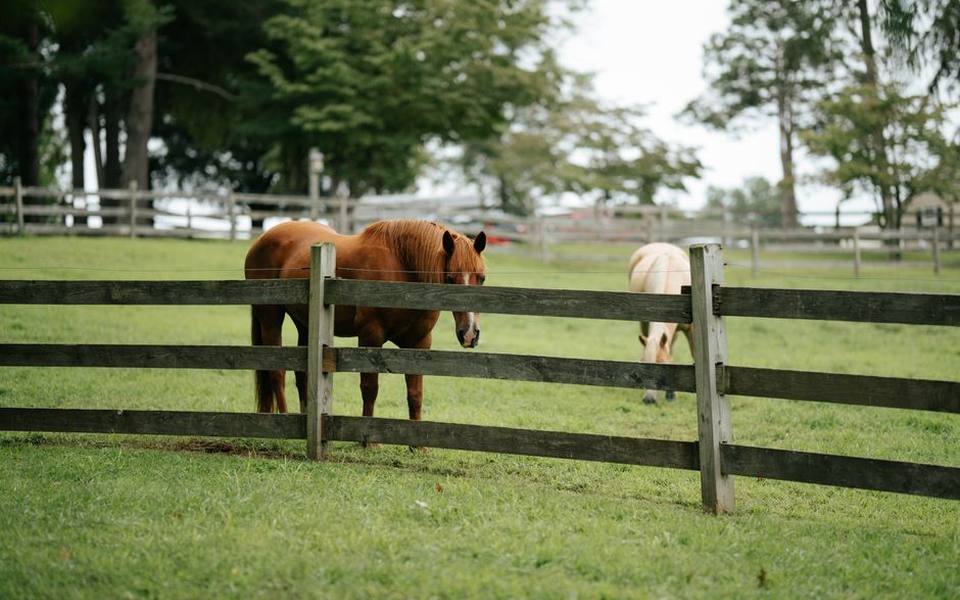
Evaluating a draft horse requires specific knowledge of heavy breed conformation and soundness challenges. Drafts carry immense weight on their limbs, making hoof health, pastern angles, and joint integrity paramount during an inspection. Chronic conditions such as lymphedema in feathered legs or polysaccharide storage myopathy (PSSM1) are prevalent in certain draft lines, so asking for genetic test results and performing careful limb palpation is essential.
Prospective buyers must also consider the practical logistics of housing and handling draft stock before committing to a sale. Heavy horses consume substantial forage, require oversized box stalls, and demand specialty harness or saddle gear that normal tack shops do not stock. Furthermore, finding an experienced draft farrier who maintains heavy cold-shoeing is crucial, as neglected draft hooves quickly lead to debilitating quarter cracks and chronic laminitis.
Color Registries and Coat Pattern Genetics
Striking coat patterns and rare dilutions draw significant attention in the horse market, often commanding price premiums over plain bays or chestnuts. Whether searching for a pinto horse for sale with crisp tobiano markings or an eye-catching overo, buyers must distinguish between color registries and true breed registries. An animal registered solely with color associations may possess unknown lineage, while double-registered horses carry both pedigree papers and color recognition.
Rare color variants within traditional athletic breeds continue to captivate buyers, such as the unusual and verified palomino Thoroughbred. The Jockey Club registers horses by parentage rather than color limitations, and while dilute coats in thoroughbred lineages are uncommon, proven bloodlines trace back through verified cremello and palomino sport ancestors. Buyers interested in these unique coats should verify that color claims rest on legitimate parentage testing rather than grade breeding marketed under a novelty label.
Color should never take precedence over conformation, athletic ability, and safe ground manners. An unbalanced horse with poor feet will remain a difficult partner regardless of how eye-catching its patches or golden coat look in the sun. Experienced horsemen adhere to the old adage that a good horse never comes in a bad color, advising novice riders to prioritize soundness and brainpower over flashy markings.
Specialty Breeds: Hypoallergenic and Spotted Stock
Riders with specific physical requirements or specialized aesthetic interests often turn to rare and heritage breeds. For equestrian enthusiasts who suffer from animal dander allergies, looking for a Bashkir Curly horse for sale can open doors to riding that traditional breeds close. These unique horses possess a distinct curly coat, crinkled mane, and hypoallergenic skin proteins that typically allow allergic individuals to groom, tack, and handle them without triggering respiratory distress.
Another distinct specialty market centers on spotted European warmbloods, particularly those browsing listings for a Knabstrupper horse for sale. Developed in Denmark, Knabstruppers are celebrated for their distinctive leopard-spotted coat patterns, warmblood temperament, and natural aptitude for dressage and show jumping. Unlike common stock horses with appaloosa patterns, authentic Knabstruppers bring European sport horse biomechanics and uphill balance to the arena.
When purchasing rare or specialty breeds, verify registry paperwork through recognized national or international parent associations. Because the breeding pool for breeds like Curlies and Knabstruppers is relatively small, verifying inbreeding coefficients and genetic health markers is critical. Sourcing these specialized animals often requires traveling across state lines or arranging long-distance haulers, making a comprehensive video evaluation and third-party pre-purchase exam vital.
Navigating Premier Catalog Sales and Select Auctions
Premier horse sales represent the top tier of catalog consignment auctions, operating under rigorous nomination, screening, and vetting standards. Unlike open sales barns where any healthy horse can walk through the ring, premier events require consignors to submit extensive video proofs, performance records, veterinary radiographs, and sound-in-wind guarantees. These events cater to discerning amateurs, professional trainers, and investors looking for finished horses with verified track records.
Catalog listings for premier sales provide comprehensive information, including sire and dam performance indexes, lifetime earnings, show circuit awards, and detailed height measurements. Many premier sales feature multi-day schedules with live demonstrations where horses navigate complex trail courses, handle heavy equipment, or work cattle in controlled environments. Consignors welcome private walkthroughs in the stalls, allowing prospective buyers to inspect horses and speak directly with their current trainers.
While premier sales offer higher transparency and quality control, bidding competition can be fierce. Bidders must register well ahead of the sale date, submitting credit verification or letters of guarantee from financial institutions. Establishing a firm maximum bid before the auctioneer starts chant will keep your emotions in check, preventing you from overextending your budget in the excitement of a bidding duel.
Executing a Thorough Pre-Purchase Examination
A rigorous pre-purchase examination (PPE) conducted by an independent equine veterinarian is your best insurance policy when buying any horse. Never use the seller's resident veterinarian for this evaluation, as doing so introduces a potential conflict of interest. Your chosen veterinarian works solely for you, examining the horse objectively to uncover underlying physical limitations, conformational faults, or chronic degenerative joint issues.
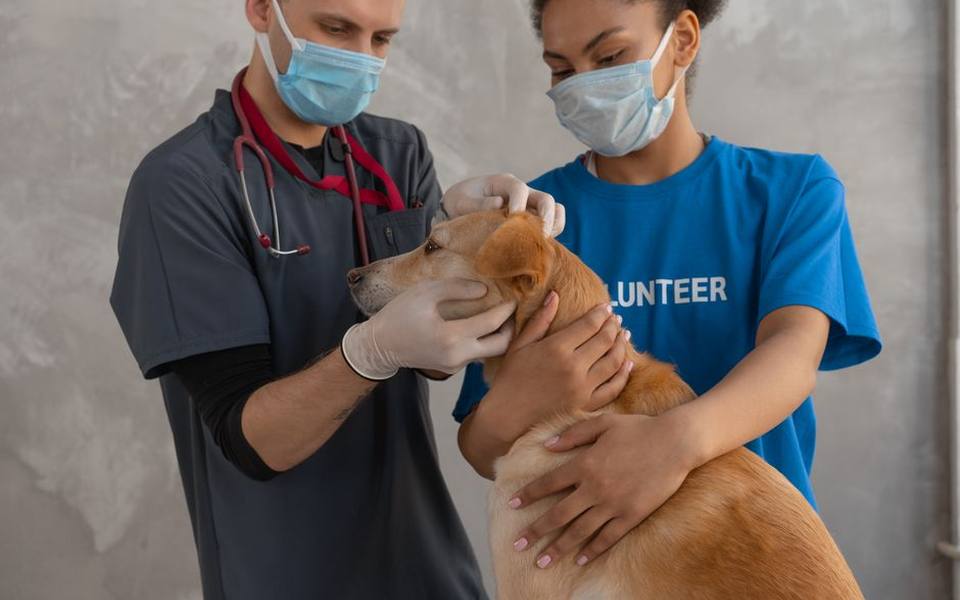
A standard PPE typically involves a thorough clinical exam: listening to heart and lungs at rest and after exercise, inspecting eyes with an ophthalmoscope, palpating limbs and tendons, and performing hoof-tester evaluations. The veterinarian then runs the horse through flexion tests on hard and soft footing, observing subtle gait irregularities, asymmetries, or hesitations. Depending on your intended discipline, you may also order digital radiographs of hocks, stifles, and front feet, as well as bloodwork to test for sedatives, pain relievers, or metabolic issues.
Remember that a PPE is not a pass-fail exam; it is a clinical risk assessment tailored to your goals and budget. A horse intended for light recreational trail riding can perform happily for years with mild bone changes that would derail an upper-level jumper prospect. If findings emerge, discuss them with your veterinarian and consider consulting experienced horse training barns to decide whether management protocols are practical.
Finalizing the Deal and Transitioning to Your Barn
Once price negotiations conclude or the auction hammer falls, execute a clear, signed bill of sale before releasing payment. The bill of sale should explicitly identify the horse by registered name, tattoo or microchip number, breed, age, and physical markings, while documenting the exact purchase price and payment terms. Ensure that original registration papers, signed transfer certificates, negative Coggins test results, and recent health records are handed over simultaneously with payment.
Arranging prompt, professional transportation protects your newly acquired horse from injury and respiratory illness like shipping fever. Long journeys through fluctuating temperatures demand frequent water stops, clean hay nets, and proper leg protection. Upon arrival, isolate the newcomer in a secure paddock or quarantine stall for typically ten to fourteen days to prevent introducing contagious respiratory bugs to the resident herd.
Transitioning to a new environment requires patience as the horse adjusts to different feeding routines, water sources, and turnout companions. Stables that feature stables with indoor arenas allow you to work quietly with your new partner during inclement weather without the stress of unfamiliar outdoor distractions. Give the horse several weeks of low-pressure handling and groundwork before expecting peak performance under saddle.
Published 2026-09-20 · reviewed with each rebuild, last September 2026.
Find boarding stables near you
The directory lists 16,945 boarding stables by state and city — pick your state or use the “Near me” button in the header.
More guides
-
 Money
MoneyUnderstanding Monthly Horse Boarding Expenses and Stable Fees
-
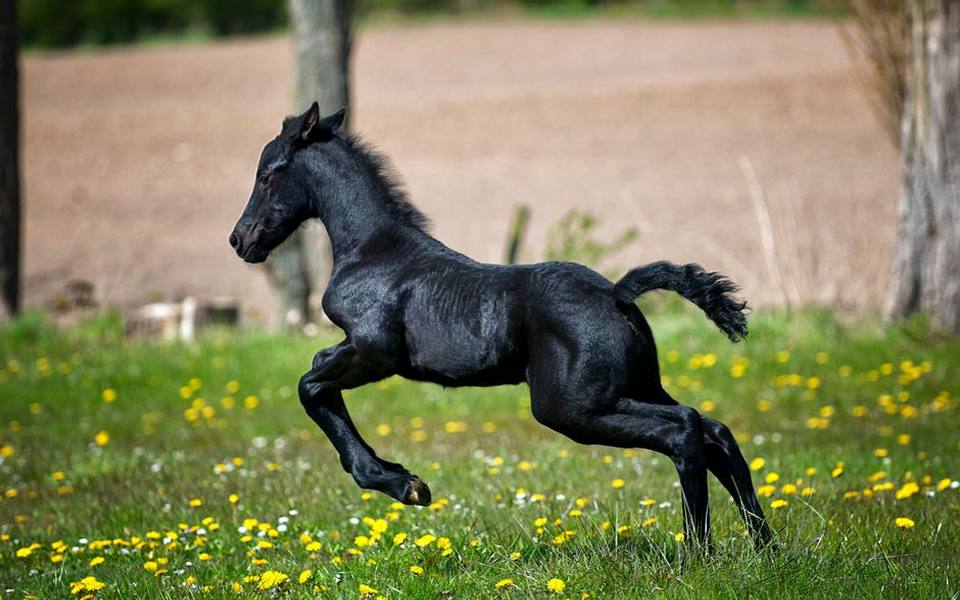 Owning
Understanding Friesian Horse Ownership: Traits, Costs, and Daily Care
-
 Owning
Understanding Riding Disciplines, Essential Tack, and the True Costs of Horse Ownership
-
 Money
MoneyUnderstanding the Costs of Getting Started in the Saddle
-
 Buying
Understanding Initial Horse Purchase Prices by Breed, Size, and Training
-
 Service
The Career Path of a Farrier: Education, Training, and Timeline
-
Owning
Choosing Between Alfalfa and Orchard Grass Hay for Horses
-
 Money
MoneyEssential Horse Ownership Expenses: Leasing, Insurance, and Maintenance
-
 Owning
Complete Guide to Cattle Breeds: Dairy vs Beef Cow Selection and Care
-
 Buying
Horse Buying Guide: Breed Selection, Market Prices, and Classifieds
-
 Owning
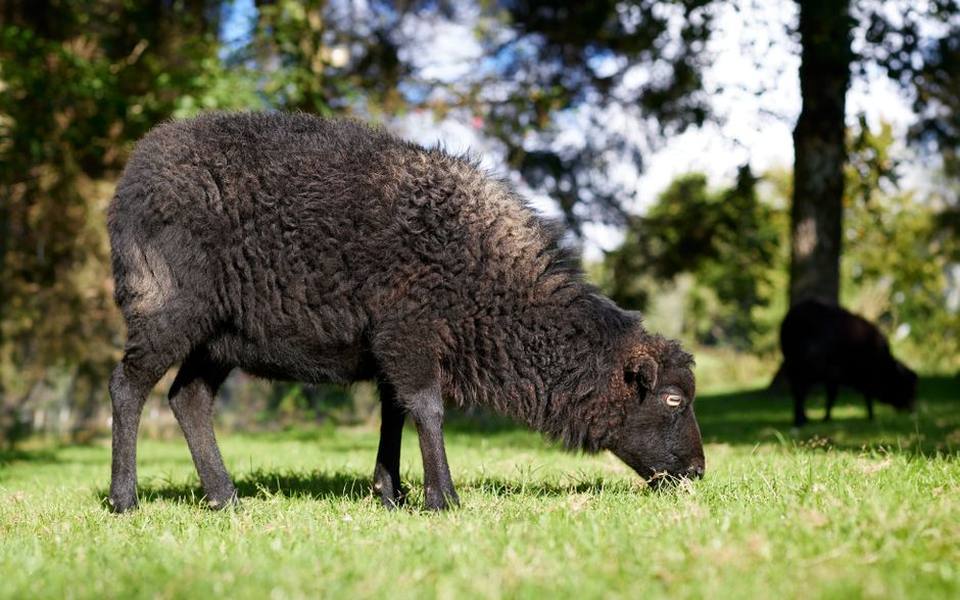
Small Farm Livestock Breeding: Goats, Sheep, Pigs, and Poultry
-
 Buying
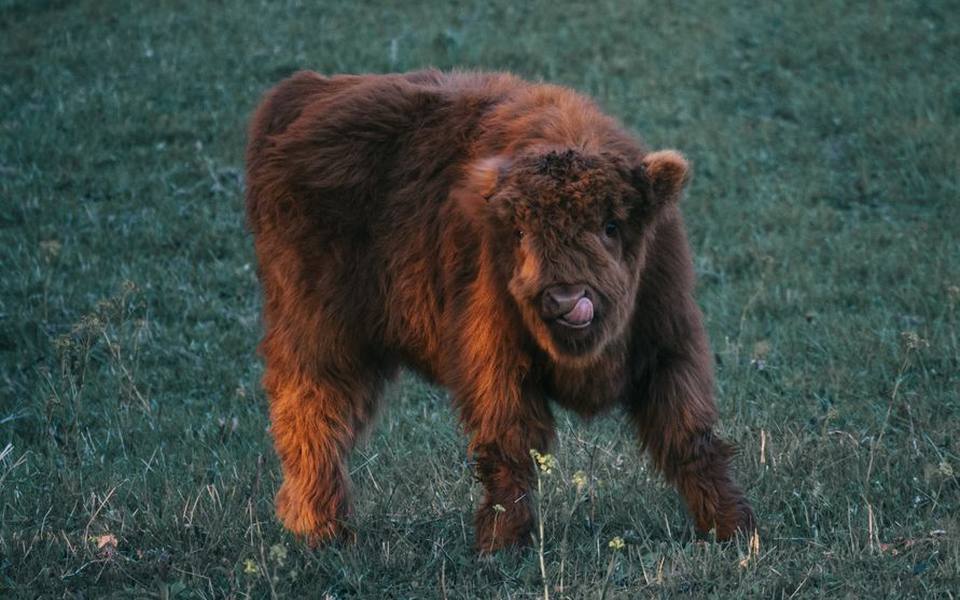
Miniature Livestock Guide: Mini Cattle, Ponies, and Pocket Equines
-
 Owning
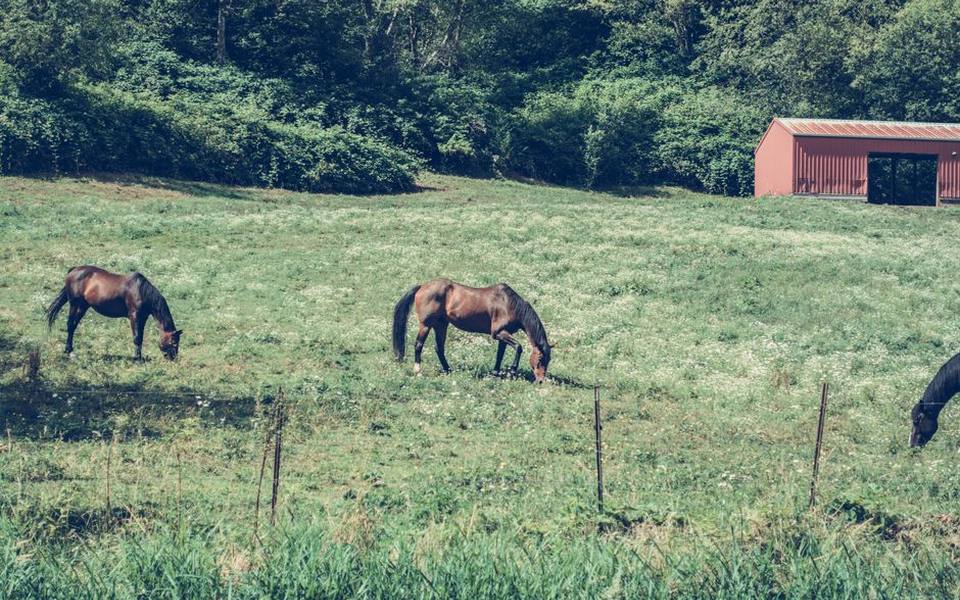
The Complete Guide to Horse Boarding, Stables, and Facilities
-
 Owning
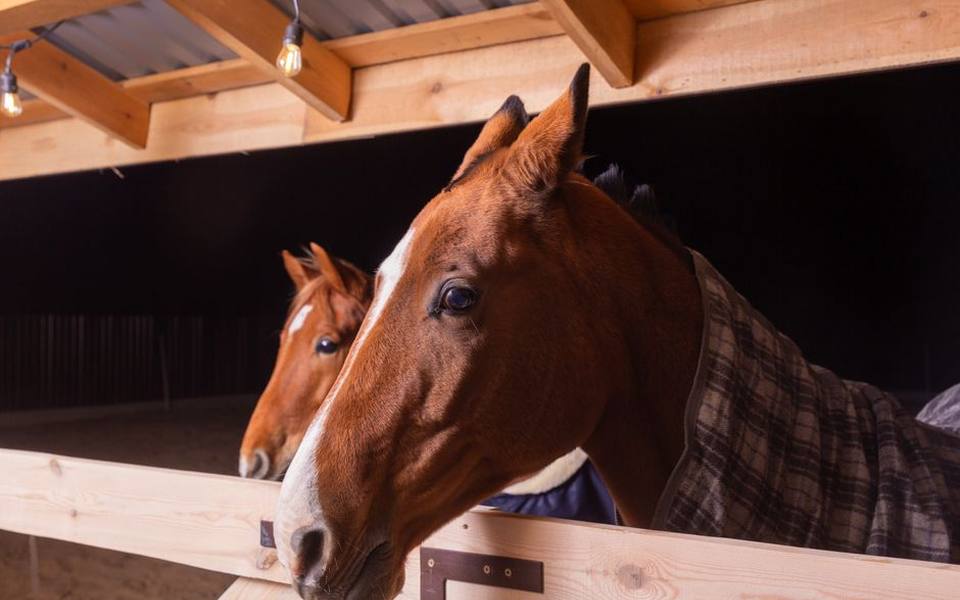
Rubber Stall Mats and Horse Stall Flooring: A Complete Guide
-
 Buying
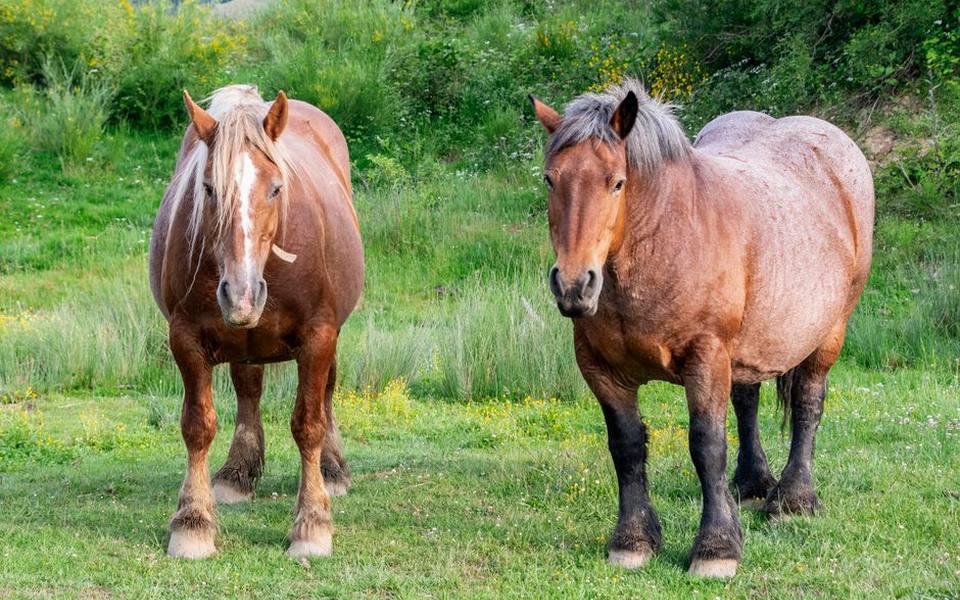
Guide to Horse Breeds, Breeders, and Equine Artificial Insemination
-
 Buying
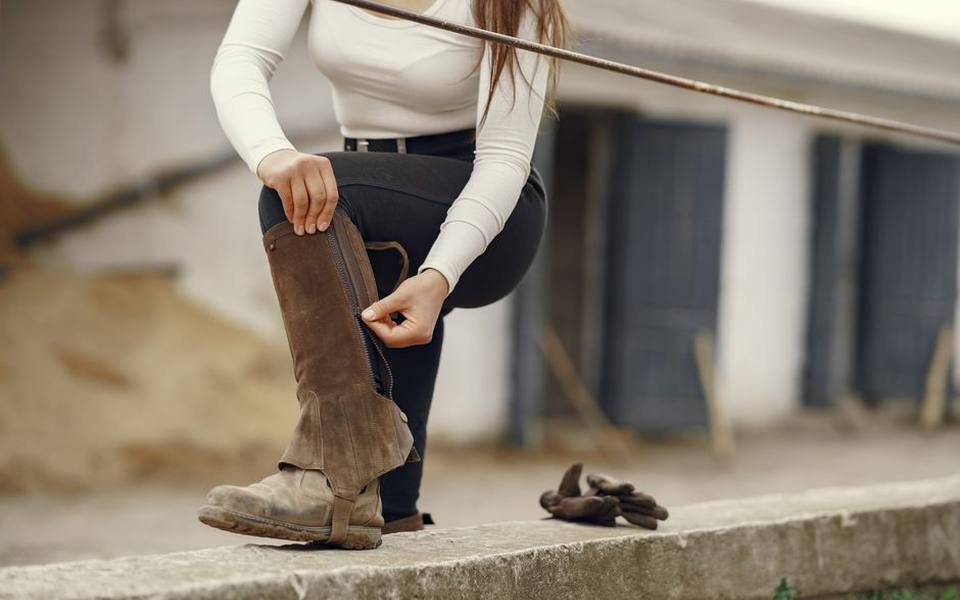
Equestrian Riding Boots Buyer's Guide: Western and English Footwear
-
 Owning
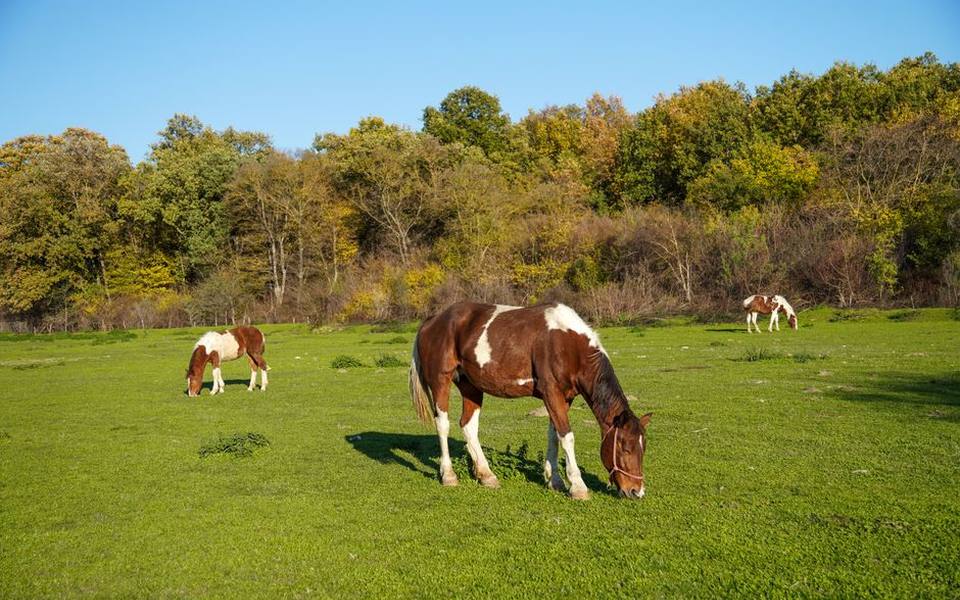
Equine Health Care: Colic Signs, Deworming Charts, and Joint Supplements
-
 Owning
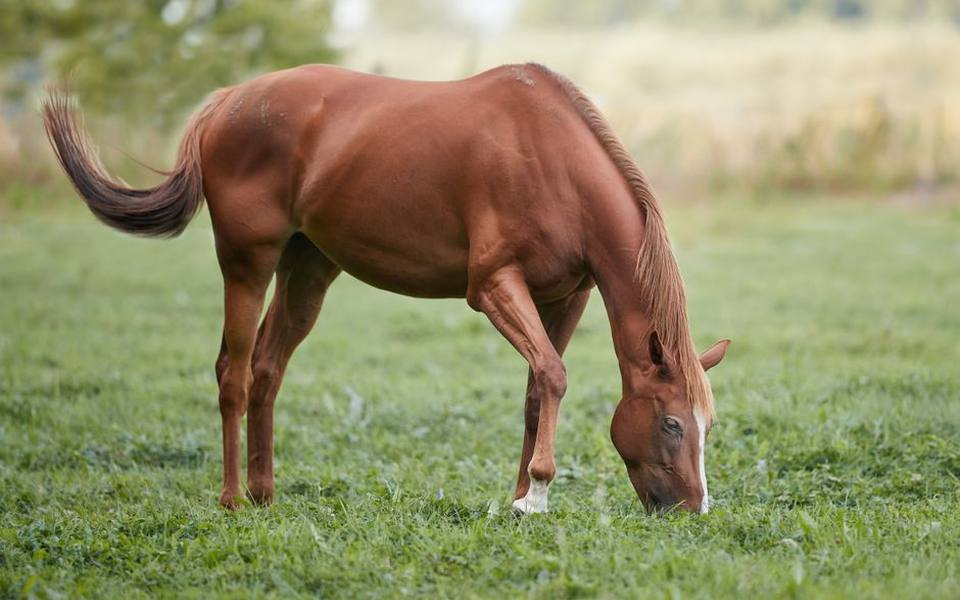
Complete Guide to Equine Fly Control: Sprays, Repellents, and Fly Sheets
-
 Safety
Equine Riding Helmets: Sizing, Safety Standards, and Selection Guide
-
 Service
Beach Horseback Riding and Trail Riding Tours Guide
-
 Service
Equine Training Fundamentals: Groundwork, Lunging Techniques, and Equestrian Vaulting
-
 Service
Equine-Assisted Therapy and Psychotherapy: A Practical Guide to Methods, Benefits, and Programs
-
 Buying
A Complete Guide to Buying a Horse: Breeds, Equine Sales, and Insurance
-
 Owning
Complete Guide to Horse Hoof Care, Farrier Services, and Hoof Boots
-
 Owning
A Complete Guide to Horse Grooming, Sheath Cleaning, Massage, and Routine Wellness
-
 Owning
Horse Barn Setup, Stall Infrastructure, Arenas, and Facility Equipment
-
 Buying
Beef and Dairy Cattle Breeds: Buyer's Guide, Traits, and Livestock Care
-
 Owning
Homestead Livestock Guide: Raising Sheep, Goats, Pigs, and Poultry
-
 Service
Equine Dentistry Guide: Floating Teeth, Routine Care, and Choosing a Practitioner
-
 Owning
Equine Saddles and Tack Care: Selection, Fit, Cleaning, and Room Setup
-
 Owning
Horse Blankets and Sheet Guide: Fit, Turnout Types, and Fly Protection
-
 Safety
Equestrian Riding Apparel and Gear: Helmets, Boots, and Show Attire
-
 Owning
Equestrian Gift Guide: Practical and Thoughtful Presents for Horse Lovers and Riders
-
 Service
Horse Transportation Guide: Hauling Services, Trailer Rentals, and Layover Stables
-
 Owning
Designing and Managing a Boarding Stable: Facility Planning, Barn Construction, and Daily Operations
-
 Owning
Horse Health Care, Fly Control, and Preventative Vet Schedules
-
 Service
Beginner Equestrian Camps and Riding Programs: How to Choose the Right Barn
-
 Safety
A Complete Guide to Western Riding Helmets, Barn Footwear, Halters, and Hoof Gear
-
 Service
Guided Horseback Riding Tours & Vacation Stables Guide