Assembling an Effective Grooming Kit and Tool Selection
Consistent horse care begins with a well-organized horse grooming kit tailored to your horse's coat type and daily activity level. Rather than purchasing random brushes that clutter your barn tote, selecting purposeful equine grooming tools ensures every minute spent in cross-ties actively supports skin health. At minimum, an everyday kit requires a sturdy rubber curry comb, a stiff dandy brush, a soft finishing brush, a hoof pick with an attached wire brush, and clean microfiber towels for sensitive areas around the face and muzzle.
A quality equine grooming kit balances durability with ergonomic design, allowing handlers to work through thick winter coats or dried arena clay without causing wrist strain. Rubber curries loosen mud and stimulate sebum production in the skin, while natural bristle brushes effectively lift pulverized dust away from the skin surface rather than spreading it across the hair shaft. Synthetic flick brushes excel at clearing heavy dirt from the lower legs, but softer goat-hair or horsehair brushes remain essential for clipping touch-ups and sensitive-skinned horses.
Keeping grooming tools sanitary is just as crucial as having the proper implements on hand. Dirt, fungus, and bacteria easily spread across an entire barn aisle when brushes are shared between horses without regular washing. Disinfecting your brushes once or twice a month in warm water mixed with mild veterinary soap prevents conditions like rain rot and ringworm from circulating. Thoroughly air-drying tools bristle-side down in sunlight keeps wooden handles from warping and eliminates trapped moisture before brushes return to the tackle box.
Daily Brushing Sequences and Coat Health Assessment
An effective grooming session should always follow a structured sequence starting with the feet and moving from coarse cleaning to fine polishing. Picking out hooves first allows you to identify loose shoes, trapped gravel, or early thrush before the horse stands in a grooming bay. Once the hooves are cleared, working a curry comb in circular patterns from the neck back toward the croup mobilizes natural oils, increases superficial blood circulation, and brings deep grit to the surface where outer brushes can sweep it away.
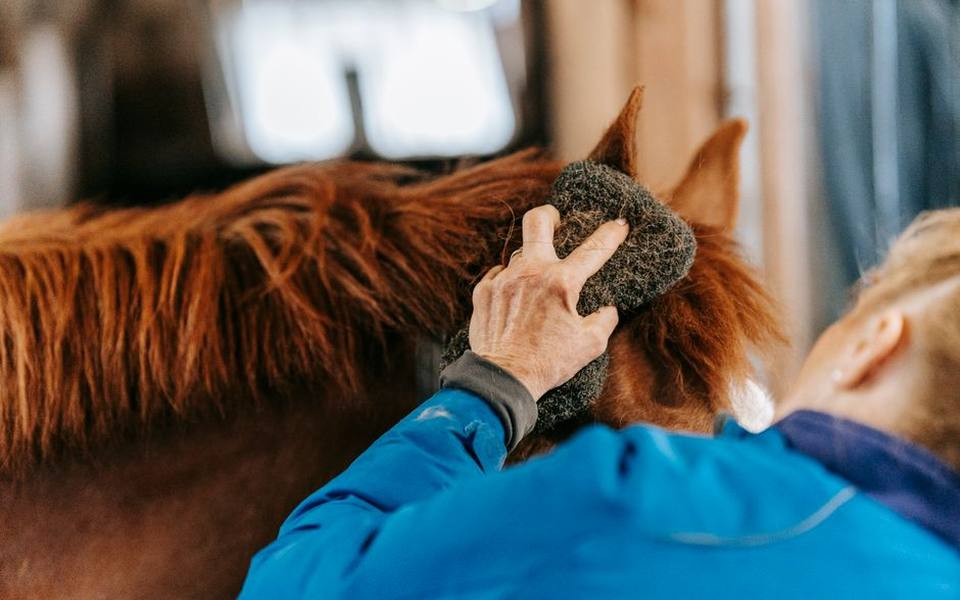
Following the curry comb, short, flicking strokes with a medium or stiff dandy brush lift loosened dirt off the body. This stage requires careful attention to sensitive points like the flank, belly, and spine, where a stiff brush can cause discomfort. Switching to a soft-bristled brush smooths the topcoat down and distributes the mobilized skin oils evenly. In active horse boarding facilities, completing this routine before and after riding prevents girth galls and saddle friction caused by grit trapped beneath tack.
Beyond cosmetic cleanliness, daily grooming serves as your primary physical examination of the horse. Running your bare hands along the legs, tendons, and back reveals heat, swelling, hives, or tick attachments that might remain hidden beneath a thick hair coat. Detecting small cuts, skin scabs, or sudden muscle soreness during regular grooming enables early intervention, preventing minor irritations from developing into lameness issues or secondary bacterial infections that disrupt your riding and training schedules.
Understanding the Horse Sheath and Smegma Accumulation
Caring for male horses requires routine maintenance of the horse sheath, also known anatomically as the prepuce. The sheath consists of a double fold of skin that encloses and protects the penis when it is retracted. Sebaceous glands inside the sheath produce natural oils that mix with sloughed epithelial cells, sweat, and external dust to form a waxy substance called smegma. Over time, this dark, greasy material accumulates in the folds and requires periodic attention to maintain comfort.
While smegma production is completely normal, excessive accumulation can form hardened flakes or hardened crusts that irritate the sensitive mucosal lining. In geldings, who do not drop or extend their penis as frequently as stallions, smegma often collects inside the urethral diverticulum—a small pocket located just above the urethral opening at the tip of the penis. When smegma packs tightly into this pocket, it forms a firm, round deposit commonly referred to as a bean.
A large or hardened bean can exert pressure on the urethra, leading to noticeable discomfort during urination. Common warning signs of significant buildup include spraying urine, tail swishing while attempting to urinate, frequent stretching out without passing water, or swelling along the ventral sheath. Understanding this anatomy ensures that owners recognize when standard maintenance is needed versus when severe inflammation calls for veterinary evaluation.
Step-by-Step Sheath Cleaning Procedures and Safety
Performing horse sheath cleaning requires patience, warm water, and strict attention to handler safety. Begin by gathering dedicated supplies: disposable latex or nitrile gloves, clean bucket sponges, warm water, and a specialized equine sheath cleaner formulated with neutral pH ingredients. Commercial cleaners help dissolve stubborn waxy residues without stripping the delicate mucous membranes of essential protective flora. Avoid standard dish soaps or harsh antibacterial cleansers, which can cause severe burning and long-term dermatological irritation.
Position yourself safely beside the horse's shoulder or flank, facing backward toward the hindquarters, rather than crouching directly underneath the abdomen. Slowly introduce your gloved, water-moistened hand into the prepuce, allowing the horse to adjust to the sensation before applying any product. Apply a small amount of diluted sheath cleaner gently across the internal folds to soften dried crusts. Let the solution sit for several minutes so the smegma loosens naturally without aggressive scrubbing.
Once the internal surfaces are lubricated, gently locate the head of the penis to check the urethral diverticulum. Using a lubricated fingertip, carefully explore the shallow pocket surrounding the urethra to feel for any hardened bean. If present, gently roll the bean outward without gouging the sensitive tissues. Conclude by rinsing the entire cavity thoroughly with multiple sponges of clean, warm water until no cleaner residue remains, as leftover product can create intense itching.
Frequency and Common Mistakes in Genital Care
A frequent mistake made by well-intentioned horse owners is over-cleaning the sheath. While hygiene is critical, washing too frequently strips the beneficial bacterial microbiome that protects the internal tissues from pathogens. In most cases, a gelding needs a thorough cleaning only once or twice a year, though individual production rates vary based on environment and conformation. Horses living in dusty paddocks or those prone to heavy buildup may require quarterly inspections.
Another common pitfall is peeling or scraping dry smegma flakes before they have been adequately softened with water and cleaner. Forcing hardened crusts away from raw tissue can cause micro-tears, bleeding, and significant defensive behavior from the horse in future sessions. If a horse resists handling or becomes defensive, attempting to force the process increases risk for both human and animal; in such situations, scheduling the procedure during routine veterinary visits allows for light sedation.
Mares also possess equivalent anatomical folds between their teats that accumulate waxy deposits and sweat crusts. While not technically a sheath, this udder pocket produces similar dark debris that can attract flies, cause tail rubbing, and create hindquarter stiffness when left unaddressed. Incorporating a gentle, warm-water wipe of the intermammary space into your routine prevents fly worry and keeps your mare comfortable throughout humid summer months.
Equine Massage Therapy Fundamentals and Recovery
Physical maintenance extends beyond coat care to musculoskeletal support, where equine massage therapy plays an integral role in keeping working horses sound and supple. Targeted bodywork addresses muscular compensation patterns caused by intense exercise, uneven footing, or subtle conformation flaws. Whether a horse is participating in regular horse riding lessons or competing in athletic disciplines, regular massage promotes lymphatic drainage, relieves focal trigger points, and enhances range of motion across major joint systems.
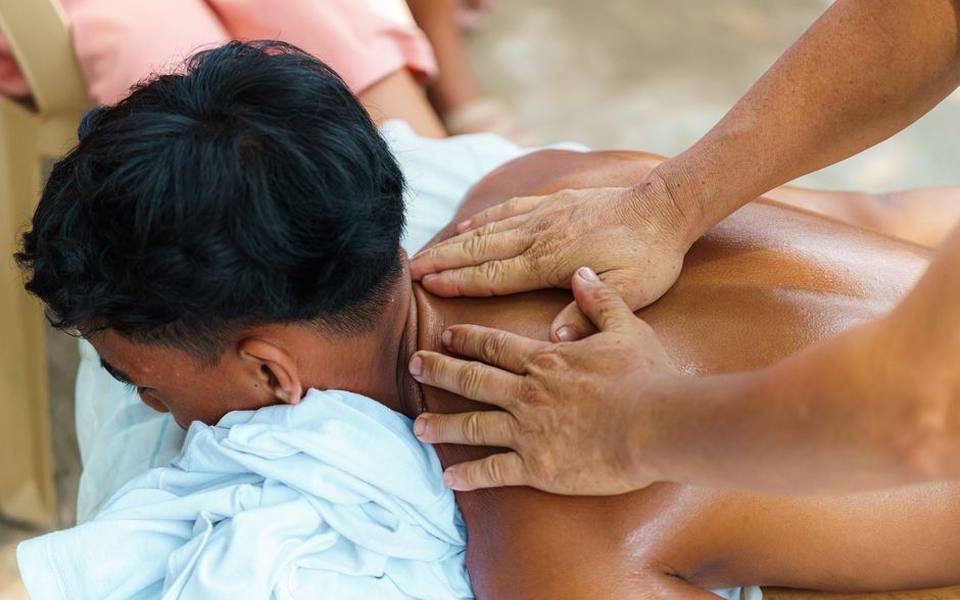
The primary objective of horse massage therapy is increasing localized blood circulation to accelerate muscle repair and reduce chronic fascial tension. When muscle fibers remain contracted following demanding workouts, lactic acid clearance slows and connective tissues become rigid. Applying controlled, rhythmic mechanical pressure helps realign collagen fibers within the fascia, breaking down mild adhesions before they translate into altered gait mechanics or shortened stride lengths.
Beyond structural recovery, bodywork significantly influences the equine nervous system by stimulating parasympathetic activation. As tension subsides, horses often display visible signs of relaxation such as rhythmic chewing, yawning, licking lips, and dropping their heads. This psychological decompression helps high-strung horses develop greater patience during cross-tie routines and improves their overall willingness to engage their core muscles under saddle during training sessions.
Hands-On Bodywork Techniques for Everyday Barn Routines
While certified practitioners handle advanced rehabilitation and structural realignment, owners can safely incorporate foundational massage strokes into daily grooming. Effleurage, which involves broad, gliding strokes with the flat palms along the direction of hair growth, serves as an excellent warm-up across the neck, shoulder, and loin. Applying light to moderate pressure warms the superficial muscle layers, signals your horse to relax, and helps you identify areas of hidden heat or muscular knotting.
Cross-fiber friction can be applied cautiously over broad muscle bellies, such as the pectoral muscles or the large gluteal grouping, using soft fingertips to loosen stubborn adhesions. Always monitor the horse's non-verbal responses closely: pinned ears, tail swishing, or hollowed backs indicate excessive pressure or localized pain that warrants lighter contact or professional assessment. For horses engaged in strenuous conditioning at stables with horse training, gentle post-ride cool-down strokes prevent stiffness the following morning.
Knowing when to withhold massage is just as important as knowing how to apply it. Bodywork should never be performed over acute injuries, open wounds, hot swellings, fractures, or areas of active infection. Furthermore, horses running an elevated body temperature or showing early symptoms of colic must not be massaged, as increasing blood circulation can complicate systemic inflammation. When deep postural imbalances persist despite regular owner maintenance, consulting a licensed equine bodyworker ensures safe, targeted resolution.
How to Accurately Weight Tape a Horse
Monitoring body mass provides critical data for calculating medication dosages, dewormer volumes, and daily feed rations. Because livestock platform scales are rarely accessible in standard barns, learning how to weight tape a horse offers a reliable, low-cost method for tracking physical condition. A standard equine weight tape translates heart-girth circumference into an estimated body weight based on broad statistical averages of horse proportions.
To achieve consistent measurements, place the horse square on flat, level concrete or firm ground. Wrap the tape around the heart girth, positioning it directly behind the withers and snug against the skin just behind the front elbows. Ensure the tape lies flat without twisting, and angle it slightly forward toward the wither peak as instructed on the specific tape model. Pull the tape snug enough to compress loose hair without indenting the skin, and take the reading immediately after the horse exhales.
While a single tape reading typically carries a small margin of error compared to a medical scale, the true value lies in monitoring trends over time. Logging measurements every two to four weeks helps you detect subtle weight loss or gain before it becomes visibly obvious under a blanket. Horses kept in outdoor herds or pasture board stables often experience seasonal fluctuations, making regular weight taping essential for adjusting winter hay rations or summer grazing muzzle schedules.
Foundational Nutrition and Targeted Daily Supplements
Topical grooming and physical therapy support external comfort, but true skin integrity and muscle recovery depend heavily on foundational nutrition. High-quality forage—pasture or tested grass hay—must form the basis of every equine diet, supplying digestible fiber to sustain hindgut fermentation. However, hay alone often lacks sufficient levels of trace minerals like copper, zinc, and selenium, which are vital for strong hoof walls, dense coat pigmentation, and healthy immune defenses.
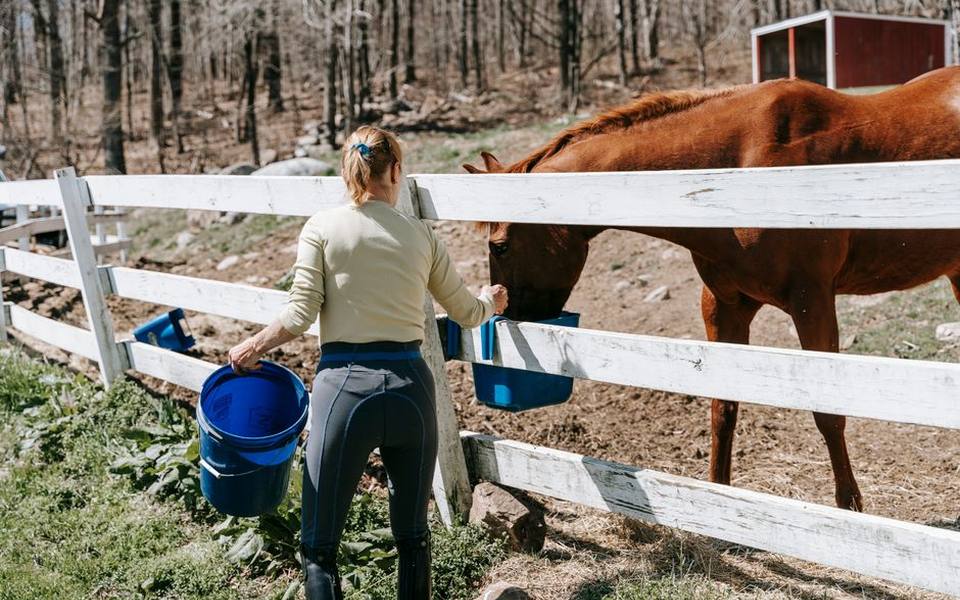
When forage does not supply complete nutritional profiles, adding a concentrated ration balancer or specialized health supplements fills critical gaps without contributing excess caloric energy. Essential fatty acids, particularly omega-3s derived from stabilized ground flaxseed or camelina oil, reduce systemic inflammation and produce a high-gloss coat that naturally repels mud. For horses recovering from heavy exertion, supplementing key electrolytes like sodium, potassium, and chloride ensures proper hydration and normal muscle firing.
Joint and hoof supplements also serve distinct roles in sustaining athletic longevity when selected thoughtfully. Ingredients such as glucosamine, chondroitin sulfate, and hyaluronic acid help protect synovial fluid viscosity in working joints, while biotin and methionine support the cellular matrix of the hoof horn. Working alongside an equine nutritionist or veterinarian ensures your supplement program directly addresses your horse's specific life stage, workload, and regional forage deficiencies.
Building a Practical Weekly and Monthly Barn Routine
Managing multiple maintenance tasks becomes seamless when organized into a structured calendar rather than attempted all at once. Daily routines should center on thorough picking of hooves, foundational grooming before and after exercise, and a quick whole-body health inspection. Dedicating fifteen minutes to these daily habits keeps minor skin scrapes, lost shoes, or localized muscle soreness from escalating into disruptions that sideline your horse.
Weekly milestones provide the ideal window for deeper maintenance, such as checking weight tape measurements, conditioning leather tack, and washing contaminated grooming tools. Incorporating brief sessions of owner-level massage therapy during weekly rest days reinforces muscle suppleness and strengthens the working bond between horse and handler. Consistent tracking in a stable logbook allows you to review historical trends regarding body condition and work tolerance across changing seasons.
Finally, lower-frequency responsibilities—including sheath cleaning, dental examinations, fecal egg count tests, and farrier visits—should be charted on a quarterly or bi-annual schedule. Communicating openly with barn managers and veterinary providers ensures that individual wellness tasks align with herd health protocols. By approaching grooming, bodywork, and basic hygiene as an integrated care system, you build an environment where your horse stays sound, comfortable, and ready to perform.
Published 2026-09-20 · reviewed with each rebuild, last September 2026.
Find boarding stables near you
The directory lists 16,945 boarding stables by state and city — pick your state or use the “Near me” button in the header.
More guides
-
 Money
MoneyUnderstanding Monthly Horse Boarding Expenses and Stable Fees
-
 Owning
Understanding Friesian Horse Ownership: Traits, Costs, and Daily Care
-
 Owning
Understanding Riding Disciplines, Essential Tack, and the True Costs of Horse Ownership
-
 Money
MoneyUnderstanding the Costs of Getting Started in the Saddle
-
 Buying
Understanding Initial Horse Purchase Prices by Breed, Size, and Training
-
 Service
The Career Path of a Farrier: Education, Training, and Timeline
-
Owning
Choosing Between Alfalfa and Orchard Grass Hay for Horses
-
 Money
MoneyEssential Horse Ownership Expenses: Leasing, Insurance, and Maintenance
-
 Owning
Complete Guide to Cattle Breeds: Dairy vs Beef Cow Selection and Care
-
 Buying
Horse Buying Guide: Breed Selection, Market Prices, and Classifieds
-
 Owning
Small Farm Livestock Breeding: Goats, Sheep, Pigs, and Poultry
-
 Buying
Miniature Livestock Guide: Mini Cattle, Ponies, and Pocket Equines
-
 Owning
The Complete Guide to Horse Boarding, Stables, and Facilities
-
 Owning
Rubber Stall Mats and Horse Stall Flooring: A Complete Guide
-
 Buying
Guide to Horse Breeds, Breeders, and Equine Artificial Insemination
-
 Buying
Equestrian Riding Boots Buyer's Guide: Western and English Footwear
-
 Owning
Equine Health Care: Colic Signs, Deworming Charts, and Joint Supplements
-
 Owning
Complete Guide to Equine Fly Control: Sprays, Repellents, and Fly Sheets
-
 Safety
Equine Riding Helmets: Sizing, Safety Standards, and Selection Guide
-
 Service
Beach Horseback Riding and Trail Riding Tours Guide
-
 Service
Equine Training Fundamentals: Groundwork, Lunging Techniques, and Equestrian Vaulting
-
 Service
Equine-Assisted Therapy and Psychotherapy: A Practical Guide to Methods, Benefits, and Programs
-
 Buying
A Complete Guide to Buying a Horse: Breeds, Equine Sales, and Insurance
-
 Owning
Complete Guide to Horse Hoof Care, Farrier Services, and Hoof Boots
-
 Owning
Horse Barn Setup, Stall Infrastructure, Arenas, and Facility Equipment
-
 Buying
Beef and Dairy Cattle Breeds: Buyer's Guide, Traits, and Livestock Care
-
 Owning
Homestead Livestock Guide: Raising Sheep, Goats, Pigs, and Poultry
-
 Service
Equine Dentistry Guide: Floating Teeth, Routine Care, and Choosing a Practitioner
-
 Owning
Equine Saddles and Tack Care: Selection, Fit, Cleaning, and Room Setup
-
 Owning
Horse Blankets and Sheet Guide: Fit, Turnout Types, and Fly Protection
-
 Safety
Equestrian Riding Apparel and Gear: Helmets, Boots, and Show Attire
-
 Owning
Equestrian Gift Guide: Practical and Thoughtful Presents for Horse Lovers and Riders
-
 Service
Horse Transportation Guide: Hauling Services, Trailer Rentals, and Layover Stables
-
 Owning
Designing and Managing a Boarding Stable: Facility Planning, Barn Construction, and Daily Operations
-
 Owning
Horse Health Care, Fly Control, and Preventative Vet Schedules
-
 Service
Beginner Equestrian Camps and Riding Programs: How to Choose the Right Barn
-
 Safety
A Complete Guide to Western Riding Helmets, Barn Footwear, Halters, and Hoof Gear
-
 Service
Guided Horseback Riding Tours & Vacation Stables Guide
-
 Buying
Buying and Selling Horses: Sales Auctions & Breed Marketplaces