What Defines the Modern Friesian Horse
A Friesian is a distinctive warmblood draft breed originating from Friesland in the northern Netherlands. Recognized immediately by their solid black coat, arched neck, expressive movement, and luxuriant mane and feathering, these animals combine the power of an agricultural workhorse with the grace demanded in modern dressage and driving. Unlike heavier draft breeds, a registered Friesian typically carries an upright headset and energetic knee action that feels powerful yet balanced under saddle.
Beyond their dramatic appearance, Friesians are celebrated for a calm, people-oriented temperament. They tend to be eager to please, forming strong bonds with their regular handlers. However, their size and physical presence mean they are not passive animals. While historically bred for carriage work and farm labor, selective breeding over recent decades has emphasized agility, making them popular mounts for classical dressage, pleasure driving, and exhibition rings across the country.
When prospective owners explore equestrian facilities and stables with horses for sale, understanding breed registry standards is critical. The official Dutch registry, the KFPS, enforces strict inspection criteria concerning height, conformation, movement, and parentage. Only purebred stock meeting rigorous standards earn full studbook status, which significantly influences both the horse's value and its long-term trainability.
How Much a Friesian Horse Typically Costs
Acquisition costs for a Friesian vary dramatically based on bloodlines, age, training level, and breeding approval status. In the current American market, an unregistered crossbred weanling might begin around $7,000 to $10,000, whereas an unbroken purebred papered youngster typically lists between $12,000 and $20,000. These baseline prices reflect the high cost of stud fees, import duties, and strict registry inspections required by European breed societies.
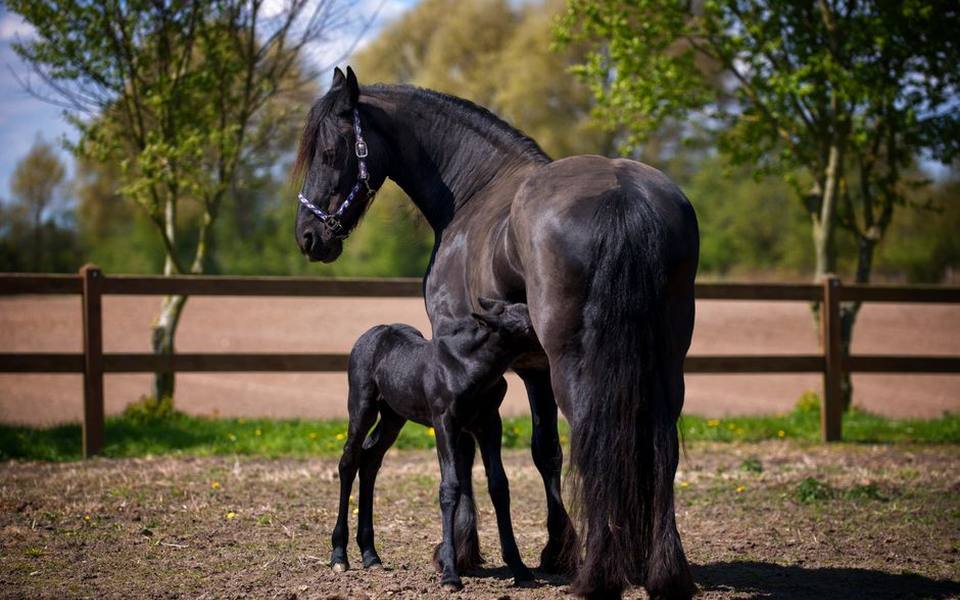
Fully trained Friesians ready for third level dressage or seasoned driving work command significantly higher figures. It is common to see reliable, sound adult horses priced between $25,000 and $50,000, with elite imported baroque stallions or high-scoring KFPS Star-designated mares exceeding $75,000. Prospective buyers should remember that purchase price is merely the entry fee; vetting, pre-purchase exams with extensive radiographs, and professional evaluations represent additional upfront investments.
For buyers seeking raw draft power without the baroque premium, examining alternative European draft breeds provides helpful context. For instance, an imported or domestic Ardennes horse price generally lands significantly lower than a high-end Friesian, often ranging from $6,000 to $15,000 for sound working or breeding stock. While Ardennes horses offer immense bone and gentle dispositions suited for heavy logging or leisure riding, they lack the high-stepping suspension that elevates Friesian pricing.
Evaluating Riding Lessons and Experience Before You Buy
Before investing in any baroque or draft-type partner, riders must assess whether their technical seat and balance match the horse's powerful gait. Friesians exhibit tremendous suspension and knee action, which can unseat intermediate riders accustomed to lower, flatter strides. Enrolling in structured horse riding lessons at an experienced dressage barn allows you to develop the deep core strength and independent hands needed to manage a large, expressive mount without relying on harsh bit pressure.
Finding local facilities that offer dedicated horseback riding classes and lessons on upper-level schoolmasters provides indispensable insight into warmblood mechanics. Spending time riding different body types helps you determine whether a horse with broad shoulders and an upright neck fits your physical frame, pelvis mobility, and personal riding goals long before you begin browsing sale listings.
For adult amateurs transitioning into horse ownership, regular sessions with certified instructors through reputable equestrian and horse riding lessons programs also expose you to day-to-day handling realities. Grooming heavy feathering, wrapping thick legs, and learning how to properly lunge a 1,400-pound animal build the handling confidence essential for safe ownership at home or in a boarding setting.
Managing Safe Transport and Bringing Your Horse Home
Bringing a newly purchased Friesian home requires specialized logistics. Because these horses average between 15.2 and 17 hands and weigh upward of 1,300 to 1,600 pounds, standard two-horse slant trailers often feel cramped and restrictive. Friesians have long necks and upright head carriage, meaning they need extra vertical clearance and wider stalls to travel without rubbing their crests or suffering travel stress.
Contracting reputable professional haulers is often the safest choice for long-distance transport across state lines. The best equine transport services utilize commercial air-ride vans configured into box stalls, allowing the horse to turn around, lower its head to clear its airway, and balance easily on interstate highways. Professional haulers also maintain mandatory interstate health certificates, negative Coggins paperwork, and rigid sanitation protocols between trips.
Before your hauler departs the seller's property, verify transit insurance coverage and agree on water breaks and rest stop intervals. Long journeys increase dehydration risks, particularly for black-coated horses traveling through warmer southern states. Having electrolytes administered in advance and ensuring your hauler provides soaked hay during transit keeps gut motility stable and minimizes post-arrival colic complications.
Selecting Boarding Stables and Turnout Options
Finding an appropriate boarding facility is critical to the mental and physical longevity of a heavy breed. Given their dark coats and thick manes, Friesians are notoriously prone to heat stress and sweat heavily in humid environments. A barn equipped with high-velocity stall fans, wide shed-row aisles, and accessible wash racks with chilled running water will make summer management far more tolerable for your horse.
Turnout requirements also differ from lighter light breeds. While many owners seek economical pasture board stables, purebred Friesians must be monitored carefully on rich grass. The breed has an efficient metabolism and can rapidly pack on crest fat, predisposing them to equine metabolic syndrome and laminitis. Well-drained sacrifice paddocks with controlled hay distribution are often preferable to unrestricted spring grazing.
Facilities that combine spacious paddocks with dedicated training spaces offer the ideal balance. Across the country, thousands of reputable horse boarding facilities and equestrian stables offer full-service boarding that includes daily stall cleaning, individualized feeding programs, and blanketing. Ensuring the property has proper shade trees or run-in shelters prevents the horse's black coat from bleaching to a brittle, sunburnt brown.
Stall Flooring and Stall Mat Selection for Heavy Breeds
A 1,500-pound animal places substantial concentrated downward force on barn stall floors. Subfloors made of bare dirt or crushed limestone quickly develop deep depressions around feeding corners and water buckets, leading to uneven footing that strains ligaments. Installing heavy-duty vulcanized rubber stall mats is non-negotiable for preserving joint soundness and keeping bedding clean.
When evaluating commercial stall flooring, density and interlock design matter considerably. Straight-edge rubber mats tend to shift under the twisting force of broad draft hooves, allowing urine and shavings to slip beneath the seams and create ammonia pockets. Interlocking heavy rubber mats with textured non-slip surfaces stay locked tightly in place, providing consistent cushion across the entire 12-by-12 or 14-by-14 stall footprint.
Quality rubber flooring also cuts your recurring monthly bedding expenses. Because high-density mats insulate against cold, damp subsoil, stable workers only need to bed deep enough to absorb urine and provide dry resting areas, rather than piling feet of shavings to cushion joints. This setup minimizes respiratory dust while protecting the horse's knees and hocks from pressure sores when getting up.
Barn Fly Control and Summer Skin Defense
Friesians possess sensitive skin hidden beneath dense feathering and heavy double manes, rendering them vulnerable to insect-borne dermatitis. Stable flies, horn flies, and biting midges (Culicoides) cause severe itching that leads horses to rub out their manes against stall rails and scratch their lower legs raw. An integrated pest defense program is essential from early spring through autumn frost.
The most effective barn pest control combines environmental sanitation with mechanical and chemical deterrents. Automated overhead barn misting systems running water-based pyrethrin sprays deliver consistent knockdown of flying insects at scheduled intervals throughout peak dawn and dusk hours. Pairing misting lines with predatory fly parasites released into compost piles stops fly larvae from maturing in manure paddocks.
On the horse itself, breathable mesh fly sheets with extended neck covers and belly bands shield dark coats from biting insects and UV bleaching. For stalls, spot-applied fly traps, commercial insect baits placed safely out of equine reach, and regular stall muck-outs twice daily interrupt the breeding cycle, ensuring your barn environment remains quiet, hygienic, and stress-free.
Managing Joint Soundness and Equine Arthritis
Due to their substantial body mass and expressive movement, Friesians place tremendous rotational strain on their lower limb joints, particularly the fetlocks, hocks, and stifles. As these horses age into their teens, developmental osteoarthritis can manifest as stiffness exiting the stall, shortened stride length, or reluctance to pick up the canter. Proactive joint support throughout their working life preserves cartilage and synovial fluid integrity.
Choosing high-grade oral joint supplements requires looking beyond marketing claims to clinically validated active ingredients. Formulas rich in glucosamine hydrochloride, chondroitin sulfate, hyaluronic acid, and methylsulfonylmethane (MSM) support structural cartilage matrix health and reduce low-grade inflammation. For horses already exhibiting visible radiographic changes or stiffness, products incorporating avocado-soybean unsaponifiables (ASU) or high-potency marine omega-3 fatty acids offer measurable comfort benefits.
Veterinary consultation remains indispensable when managing diagnosed joint disease. Oral joint supplements provide foundational support, but advanced arthritis often requires multimodal treatment, including systemic polysulfated glycosaminoglycans, targeted intra-articular injections, and tailored physical conditioning. Partnering with facilities that offer access to stables with indoor arenas guarantees consistent, level footing year-round, preventing the slips and deep footing injuries that exacerbate degenerative joint wear.
Tack Care and Preserving Leather Equipment
Fitting tack to a Friesian requires specialized leather goods, from extra-wide gullet dressage saddles to heavy harness bridles and extra-long girths. Because quality leatherwork represents a multi-thousand-dollar investment, maintaining leather suppleness and fiber strength through proper conditioning is a fundamental horsemanship skill. Baroque bridles and saddles endure heavy sweat, dust, and tension that rapidly degrade untreated hide.
The best approach to leather care involves regular cleaning paired with balanced conditioning. High-grade conditioners containing natural beeswax, lanolin, and pure neatsfoot oil nourish deep fibrous layers without softening structural leather to the point of stretching. Avoid formulas with excessive petroleum bases, mineral oils, or synthetic solvents, which clog the grain, attract arena dust, and rot nylon or linen stitching over time.
After intense riding sessions, wipe down all leather parts using a slightly damp sponge to lift away caustic salt crystals left by sweat. Once clean, massage conditioner into the leather with your bare hands, as natural body warmth aids oil penetration into the hide. Store tack in temperature-controlled tack rooms rather than damp barn alleys to prevent green mold spores from deteriorating expensive stitch lines and flocking.
Feather Care, Scratches, and Lower Leg Hygiene
The iconic long hair on a Friesian's lower legs, known as feathering, serves an ancestral purpose of shedding rainwater, but it presents distinctive management challenges in modern barns. The warm, damp environment created beneath thick hair makes the pasterns susceptible to pastern leukocytoclastic vasculitis, chorioptic mange mites, and bacterial infections commonly grouped as scratches or mud fever.
Maintaining lower leg health requires keeping hair clean and dry without aggressive scrubbing that damages fragile skin. Daily inspection involves parting the hair by hand to feel for heat, scabs, oozing fluid, or skin thickening around the heel bulbs. If scabs appear, avoid picking them off dry, which causes pain and introduces secondary bacteria; instead, soften crusted areas with mineral oil or targeted antimicrobial washes before gently wiping them away.
Preventative feather management hinges on footing control. Stabling horses on clean rubber mats bedded with dry wood shavings and avoiding deep, muddy paddocks protects the skin barrier. Dusting clean feathers with sulfur-based powders during wet months discourages mite infestation and absorbs residual moisture, keeping the horse sound and comfortable throughout winter and spring.
Ongoing Training and Long-Term Ownership Reality
Owning a Friesian is a rewarding lifelong journey, but maintaining their rideability demands consistent professional oversight. These horses mature slowly, both mentally and physically, typically reaching full bone density and balance around six or seven years of age. Rushing their early training can lead to chronic back soreness and evasive behavioral habits that require months of patient retraining to correct.
Working alongside experienced trainers at stables with horse training programs ensures your horse develops proper collection and self-carriage without over-taxing its joints. Professional trainers recognize how to engage the hindquarters so the horse pushes from behind rather than pulling itself forward on the forehand—a common trap for naturally heavy-fronted baroque breeds.
Ultimately, successful ownership comes down to commitment and realistic budgeting. Beyond feed, farrier care for large feet, and stall board, set aside an emergency medical fund for breed-specific veterinary concerns such as retained placenta in broodmares or dwarfism gene screening. When given knowledgeable care, safe barn infrastructure, and consistent riding, a Friesian becomes a majestic, dependable equine partner for decades.
Published 2026-09-20 · reviewed with each rebuild, last September 2026.
Find boarding stables near you
The directory lists 16,945 boarding stables by state and city — pick your state or use the “Near me” button in the header.
More guides
-
 Money
MoneyUnderstanding Monthly Horse Boarding Expenses and Stable Fees
-
 Owning
Understanding Riding Disciplines, Essential Tack, and the True Costs of Horse Ownership
-
 Money
MoneyUnderstanding the Costs of Getting Started in the Saddle
-
 Buying
Understanding Initial Horse Purchase Prices by Breed, Size, and Training
-
 Service
The Career Path of a Farrier: Education, Training, and Timeline
-
Owning
Choosing Between Alfalfa and Orchard Grass Hay for Horses
-
 Money
MoneyEssential Horse Ownership Expenses: Leasing, Insurance, and Maintenance
-
 Owning
Complete Guide to Cattle Breeds: Dairy vs Beef Cow Selection and Care
-
 Buying
Horse Buying Guide: Breed Selection, Market Prices, and Classifieds
-
 Owning
Small Farm Livestock Breeding: Goats, Sheep, Pigs, and Poultry
-
 Buying
Miniature Livestock Guide: Mini Cattle, Ponies, and Pocket Equines
-
 Owning
The Complete Guide to Horse Boarding, Stables, and Facilities
-
 Owning
Rubber Stall Mats and Horse Stall Flooring: A Complete Guide
-
 Buying
Guide to Horse Breeds, Breeders, and Equine Artificial Insemination
-
 Buying
Equestrian Riding Boots Buyer's Guide: Western and English Footwear
-
 Owning
Equine Health Care: Colic Signs, Deworming Charts, and Joint Supplements
-
 Owning
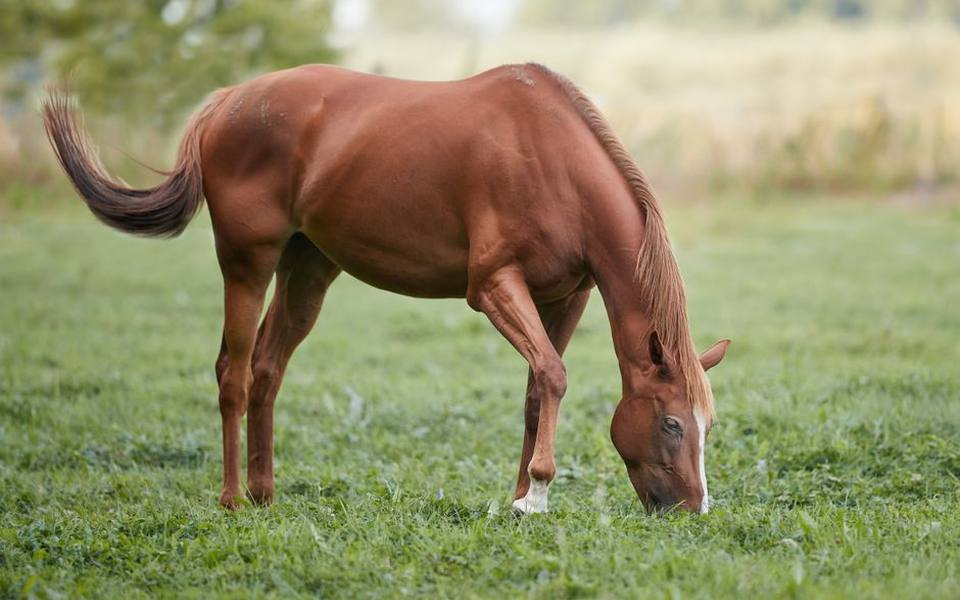
Complete Guide to Equine Fly Control: Sprays, Repellents, and Fly Sheets
-
 Safety
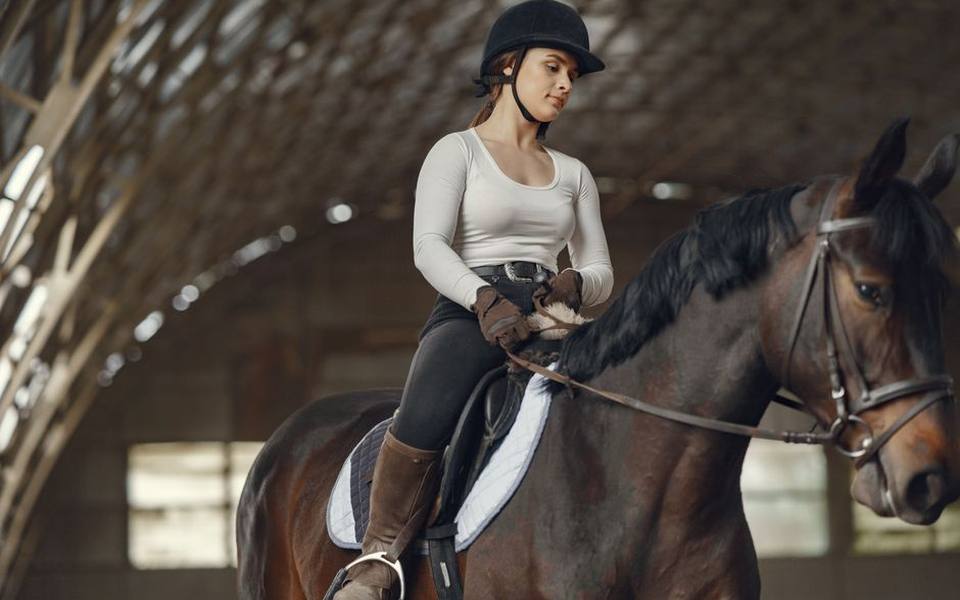
Equine Riding Helmets: Sizing, Safety Standards, and Selection Guide
-
 Service
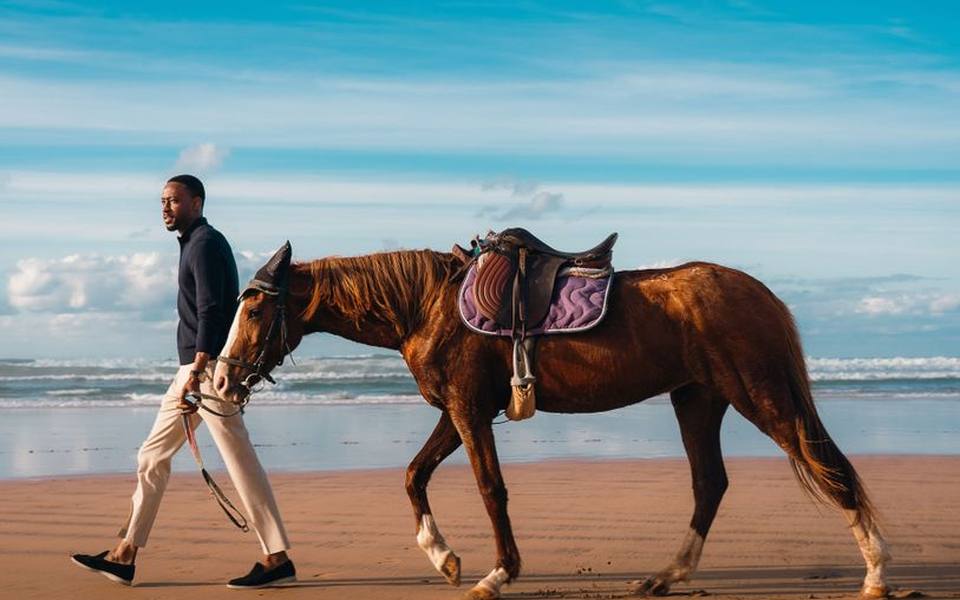
Beach Horseback Riding and Trail Riding Tours Guide
-
 Service
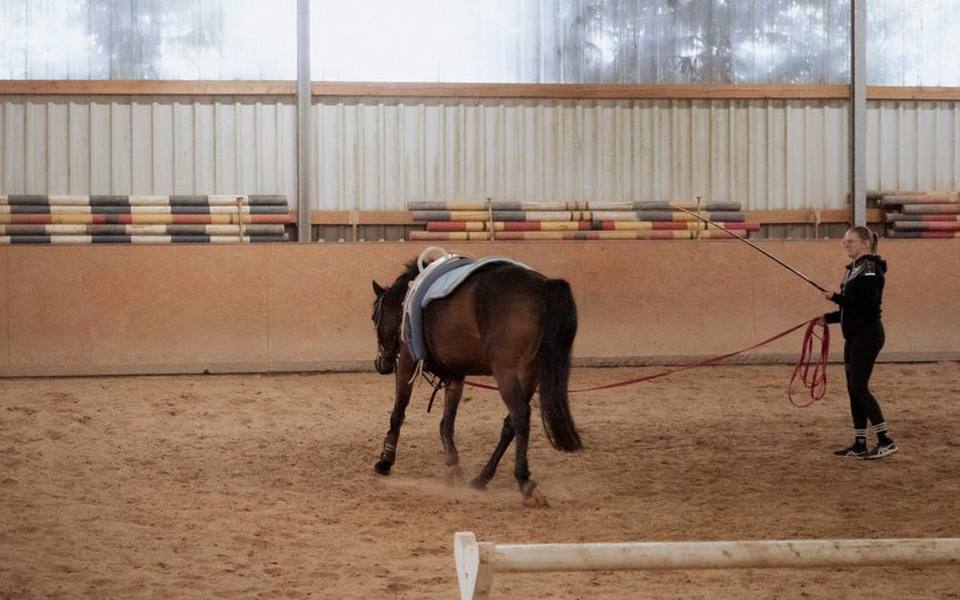
Equine Training Fundamentals: Groundwork, Lunging Techniques, and Equestrian Vaulting
-
 Service
Equine-Assisted Therapy and Psychotherapy: A Practical Guide to Methods, Benefits, and Programs
-
 Buying
A Complete Guide to Buying a Horse: Breeds, Equine Sales, and Insurance
-
 Owning
Complete Guide to Horse Hoof Care, Farrier Services, and Hoof Boots
-
 Owning
A Complete Guide to Horse Grooming, Sheath Cleaning, Massage, and Routine Wellness
-
 Owning
Horse Barn Setup, Stall Infrastructure, Arenas, and Facility Equipment
-
 Buying
Beef and Dairy Cattle Breeds: Buyer's Guide, Traits, and Livestock Care
-
 Owning
Homestead Livestock Guide: Raising Sheep, Goats, Pigs, and Poultry
-
 Service
Equine Dentistry Guide: Floating Teeth, Routine Care, and Choosing a Practitioner
-
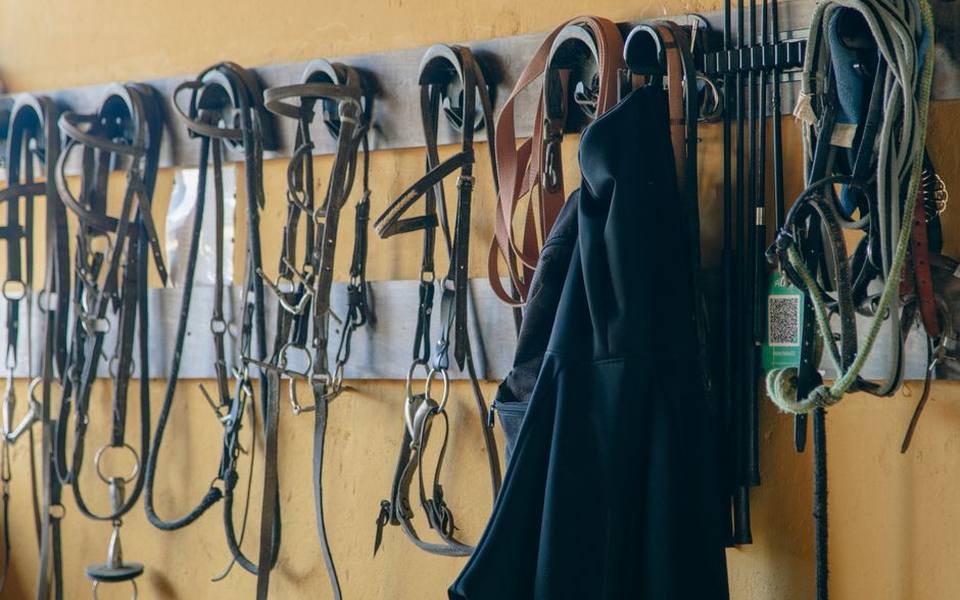 Owning
Equine Saddles and Tack Care: Selection, Fit, Cleaning, and Room Setup
-
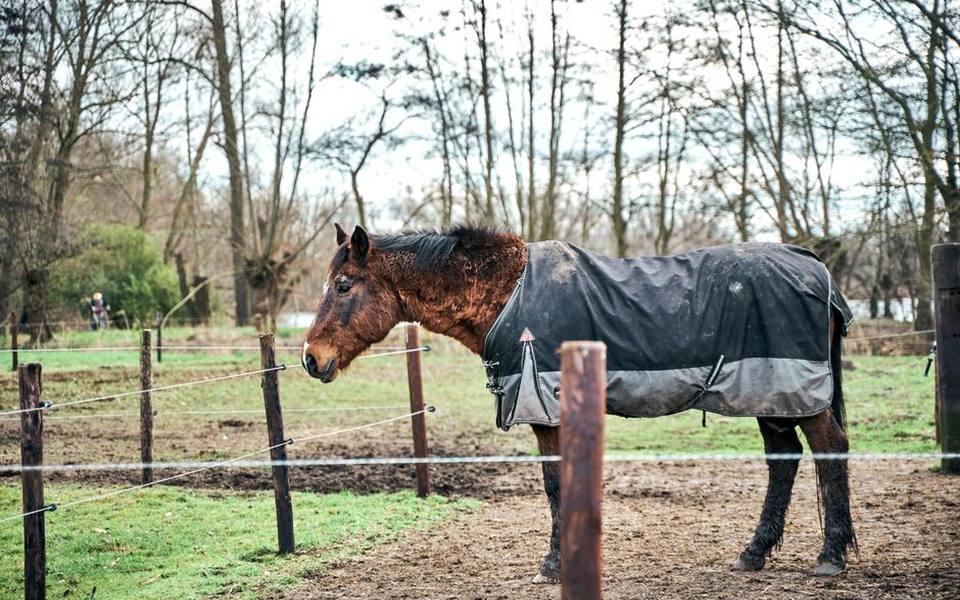 Owning
Horse Blankets and Sheet Guide: Fit, Turnout Types, and Fly Protection
-
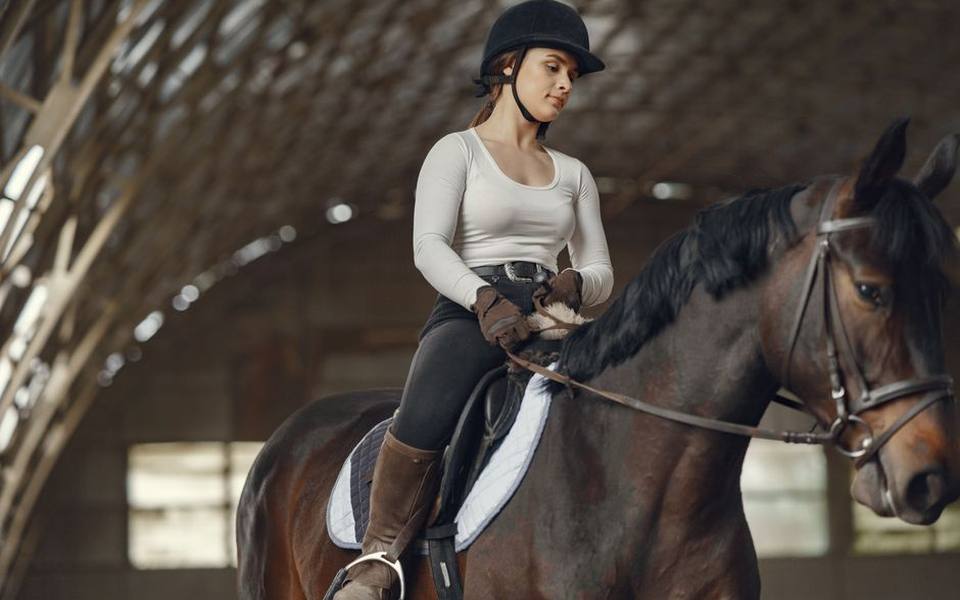 Safety
Equestrian Riding Apparel and Gear: Helmets, Boots, and Show Attire
-
 Owning
Equestrian Gift Guide: Practical and Thoughtful Presents for Horse Lovers and Riders
-
 Service
Horse Transportation Guide: Hauling Services, Trailer Rentals, and Layover Stables
-
 Owning
Designing and Managing a Boarding Stable: Facility Planning, Barn Construction, and Daily Operations
-
 Owning
Horse Health Care, Fly Control, and Preventative Vet Schedules
-
 Service
Beginner Equestrian Camps and Riding Programs: How to Choose the Right Barn
-
 Safety
A Complete Guide to Western Riding Helmets, Barn Footwear, Halters, and Hoof Gear
-
 Service
Guided Horseback Riding Tours & Vacation Stables Guide
-
 Buying
Buying and Selling Horses: Sales Auctions & Breed Marketplaces