Establishing Daily Baseline Vitals for Preventive Care
Recognizing illness or physical distress in a horse begins with knowing what is normal for that specific animal on an average morning. Vital signs can fluctuate based on ambient temperature, recent exercise, and age, but healthy adult horses typically maintain an internal body temperature between 99.0 and 101.5 degrees Fahrenheit. A resting heart rate typically hovers between 28 and 40 beats per minute, while normal respiratory rates range from 8 to 16 breaths per minute. Learning to measure these numbers at rest equips you to detect small disruptions before they become severe clinical emergencies.
Beyond numbers, physical demeanor and digestive indicators provide real-time updates on gastrointestinal health. Healthy horses produce moist, well-formed manure piles every few hours, and their gum tissue should appear pale pink and moist, bouncing back to color within two seconds when gently pressed. Listening for gut sounds by placing your ear against the flank behind the last rib should reveal regular gurgles, rumblings, and swooshing sounds on both sides. A completely silent abdomen is frequently an alarming red flag that gut motility has slowed down or halted.
Observing regular feeding patterns and herd interactions helps identify shifts in attitude long before obvious symptoms emerge. A horse that usually dives into morning rations but suddenly leaves grain untouched or turns its nose away from clean hay requires immediate closer inspection. Daily handling, grooming, and checking water intake create a reliable mental baseline, allowing you to catch early metabolic or digestive disruptions when intervention is simplest and most effective.
Recognizing Early and Subtle Indicators of Equine Colic
Colic is an umbrella term for abdominal pain rather than a single distinct disease, and its earliest manifestations can be strikingly quiet and easy to overlook. When a horse begins to experience mild gut discomfort, it often stops eating, separates itself from herd mates, or stands with a dull, distracted expression. You might see the animal repeatedly curl its upper lip in a prolonged flehmen response that is unrelated to smelling mares or novel scents, accompanied by slow, deliberate head lowering toward the floor.
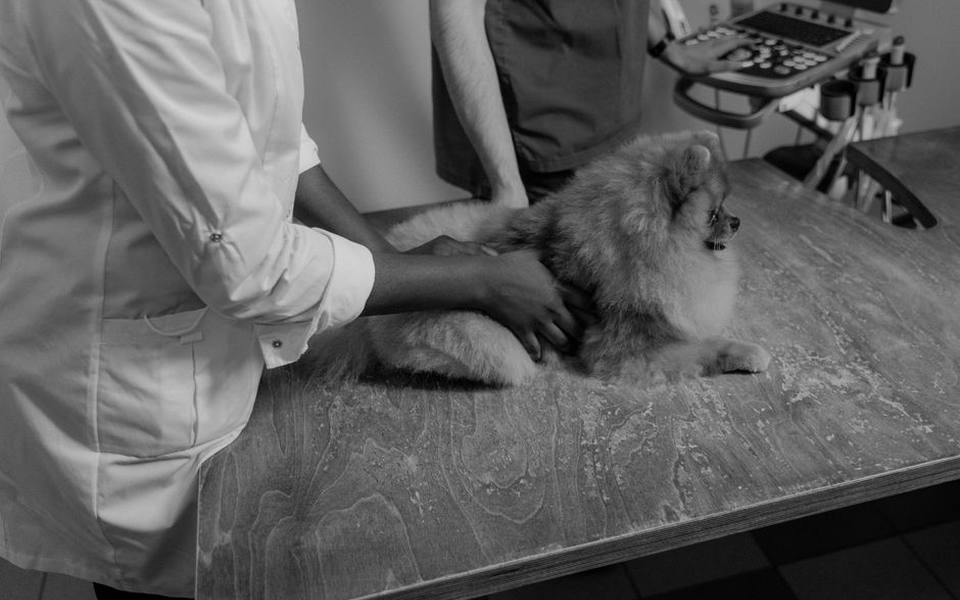
Restlessness is another classic early signal that gut pressure is building. A horse dealing with mild spasmodic or gas episodes will frequently shift weight between its hind legs, paw the ground intermittently, and repeatedly glance back at its flank. Some horses stretch their bodies out into an elongated posture that mimics the stance used to urinate, yet they produce no urine because the stance is actually an attempt to relieve abdominal tension.
Changes in excretion and hydration often precede noticeable pain behaviors. The horse may produce smaller, harder manure balls coated in mucus, or manure production may stop altogether over several hours. Watching for these nuanced shifts allows owners to start tracking heart rates and gut motility before the horse enters an acute, stressful stage of colic.
Managing Acute Colic Symptoms and Emergency Procedures
As abdominal discomfort intensifies, the behavior of an affected horse becomes dramatically more pronounced and distressing. Moderate to severe colic often involves repeated, forceful lying down and standing up, vigorous pawing, and sudden attempts to drop to the ground. The horse may bite aggressively at its barrel, kick at its own belly with hind feet, and break out into an unexplained patchy sweat across the neck, shoulders, and flanks even on a cool day.
In critical situations, such as strangulating obstructions or severe impactions, the horse may thrash violently, roll onto its back, and stay there in an effort to take pressure off internal organs. The heart rate frequently climbs past 50 to 60 beats per minute, the capillary refill time slows noticeably, and the gums may turn dark red, purple, or gray. A horse in this state poses a physical danger to both itself and human handlers, requiring rapid, decisive action rather than prolonged observation.
If you suspect acute colic, call your equine veterinarian immediately before administering any medications, such as flunixin meglumine, which can mask vital diagnostic indicators like fever and heart rate spikes. While awaiting the veterinarian, remove all feed and grain from the stall, leaving only clean water available. Walking the horse at a calm pace can be helpful if it prevents violent rolling and injury, but exhausting an already stressed horse with forced, continuous trotting or marching is counterproductive and discouraged.
Transitioning to Evidence-Based Parasite Control
Equine parasite management has evolved significantly from the rigid, calendar-based rotational paste protocols popularized decades ago. Administering chemical dewormers every eight weeks regardless of pasture condition or parasite burden has accelerated drug resistance across major parasite species, particularly small strongyles and ascarids. Modern veterinary consensus emphasizes targeted parasite control centered around quantitative Fecal Egg Count (FEC) tests rather than blind chemical treatments.
A fecal egg count determines the concentration of strongyle eggs per gram (EPG) of manure, categorizing horses within a herd into low, medium, or high egg shedders. In most adult herds, approximately twenty percent of the horses shed eighty percent of the parasite eggs onto grazing pastures, while the majority naturally maintain low shedding levels. Identifying these individual shedding profiles prevents over-treating resistant-prone horses while focusing anthelmintic treatments on the high shedders who actively contaminate shared turnout areas.
Routine testing typically occurs in spring and late summer, at least twelve weeks after the last deworming treatment depending on the drug used. Performing a Fecal Egg Count Reduction Test (FECRT)—which compares an egg count taken on the day of treatment with one taken ten to fourteen days later—allows barn managers and veterinarians to verify whether a specific chemical compound remains effective on that particular property.
Building a Strategic Seasonal Deworming Schedule
A responsible deworming chart aligns targeted chemical treatments with local climate conditions and known parasite life cycles. For adult horses in temperate regions, the foundation of any parasite schedule involves one to two treatments per year timed when environmental conditions favor parasite transmission. In many regions, this corresponds to the early spring green-up and the late autumn period following the first hard frost.
In early spring, horses classified as low shedders (under 200 EPG) often require only a single baseline treatment, frequently using ivermectin or moxidectin to manage emerging small strongyles. Medium shedders (200 to 500 EPG) and high shedders (above 500 EPG) may require an additional mid-season treatment during peak grazing months, selected carefully based on local veterinary guidance and prior fecal testing results to prevent resistance.
Late autumn is the critical window for targeting tapeworms and encysted cyathostomins. Tapeworm eggs do not reliably appear on standard fecal float tests, making an annual or bi-annual treatment with a combination product containing praziquantel (paired with ivermectin or moxidectin) standard protocol for horses with pasture access. In colder northern climates, winter freezing stops larval development on grass, allowing owners to pause unnecessary chemical treatments until spring warmth returns.
Managing Pastures to Break Parasite Transmission Cycles
Chemical dewormers represent only half of a sound parasite management system; the environment where horses live and graze dictates the overall parasite challenge. Horses housed on pasture board continuously encounter grass blades where infective larvae climb to be ingested during daily grazing. Implementing sound land stewardship significantly reduces environmental contamination and lowers the chemical burden required to keep horses healthy.
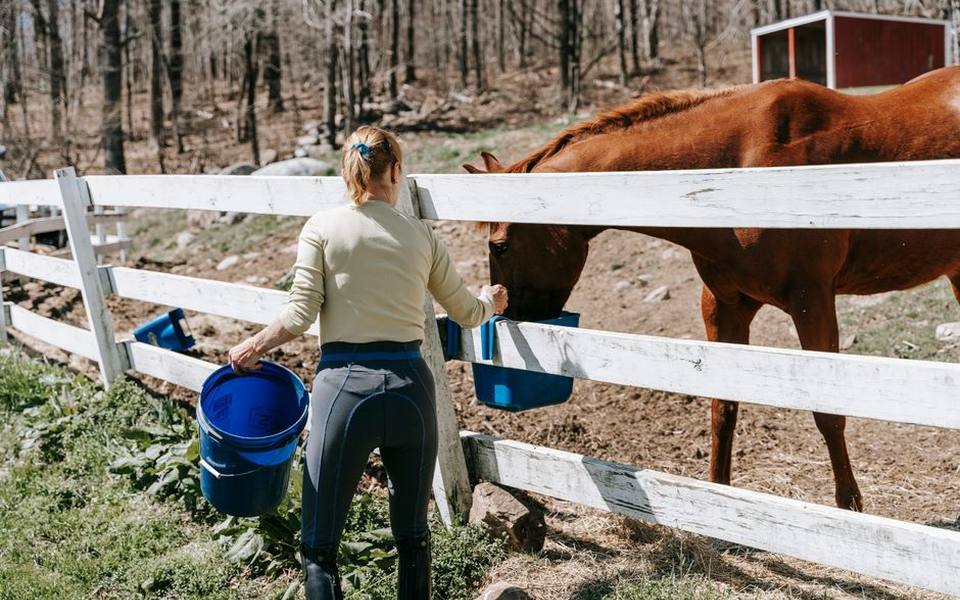
Regular removal of manure from paddocks, run-in sheds, and high-traffic grazing zones interrupts the life cycle of strongyles before larvae can hatch and migrate onto surrounding forage. In smaller paddocks, picking up manure twice weekly makes a dramatic difference. In larger acreage settings, cross-grazing pastures with cattle or sheep provides a natural biological vacuum, as ruminants consume equine parasite larvae without becoming infected, rendering the larvae harmless.
Pasture resting and rotational grazing also suppress parasite numbers naturally. Allowing grazed fields to rest for several weeks or months lets sunlight and fluctuating temperatures dry out and destroy delicate larvae on the soil surface. Harrowing or dragging pastures should be reserved for hot, dry summer periods when fields will remain vacant for several weeks, as dragging during damp, cool weather merely scatters viable larvae across previously clean grass.
Understanding Equine Joint Wear and Articular Health
Athletic performance, daily movement, and natural aging place continuous physical demands on a horse's musculoskeletal system. A synovial joint consists of articular cartilage covering the bone ends, a lubricating fluid called synovial fluid, and a fibrous joint capsule supported by surrounding ligaments. Over time, repetitive concussion, irregular footing, and rigorous horse training can cause microscopic cartilage damage, triggering low-grade inflammation within the joint capsule.
When joint inflammation persists, destructive enzymes break down the structural matrix of collagen and proteoglycans that give cartilage its shock-absorbing resilience. As cartilage thins and synovial fluid loses its viscous lubricating properties, friction between bone surfaces increases, leading to stiffness, shortened strides, and gradual onset of osteoarthritis. Conformation faults, such as upright pasterns or sickle hocks, concentrate impact stress on specific joints, accelerating wear.
Early recognition of joint discomfort allows owners to intervene with targeted management before structural changes become permanent. Horses experiencing early articular stiffness often show reluctance to step under themselves, resistance when picking up a specific lead, or a noticeable need for extended warm-up time before feeling supple. Monitoring these changes helps determine when dietary support, footing adjustments, or veterinary joint therapies are warranted.
Evaluating Active Ingredients in Joint Supplements
The market for equine joint supplements is vast, making an understanding of key active ingredients essential for making informed purchasing decisions. Glucosamine and chondroitin sulfate are standard building blocks of glycosaminoglycans, which form the structural framework of healthy articular cartilage. Supplementing these compounds aims to provide the nutritional precursors needed to support ongoing cartilage repair and maintain cellular elasticity under athletic strain.
Hyaluronic acid (HA) is another widely used ingredient that directly supports the viscosity of synovial fluid, enhancing internal lubrication and reducing friction inside the joint capsule. Meanwhile, Methylsulfonylmethane (MSM) serves as an organic source of bioavailable sulfur, valued primarily for its natural antioxidant and anti-inflammatory properties that help manage minor soreness and swelling following hard work or long sessions over varied terrain.
More recent nutritional developments include Avocado Soybean Unsaponifiables (ASU), marine-derived omega-3 fatty acids (EPA and DHA), and specific collagen peptides. ASU works synergistically with glucosamine and chondroitin to help inhibit inflammatory pathways that degrade joint tissues, while omega-3 fatty acids help shift the systemic inflammatory balance. Choosing a product with transparent ingredient labeling, standardized dosages, and third-party quality testing ensures your horse receives meaningful, consistent nutritional support.
Balancing Supplements with Daily Equine Diets
Adding oral supplements to a horse's feed ration requires a measured, holistic look at total daily nutrient intake. High-quality forage—whether fresh grass pasture or clean, tested hay—forms the foundation of any equine feeding program and provides substantial vitamins, minerals, and calories. Introducing joint products, digestive aids, or metabolic boosters should complement this foundation rather than create nutritional overlaps or imbalances in minerals like calcium and phosphorus.
Form and palatability dictate whether a supplement actually reaches the horse's digestive tract in therapeutic quantities. Pelleted formulas blend easily into balanced commercial concentrate feeds or ration balancers, making them ideal for horses that sift out loose powders. Powders and liquid formulations can be highly concentrated and cost-effective, but they often require mixing with damp beet pulp, soaked hay pellets, or a splash of water to prevent the horse from blowing the powder out of the feed pan.
Patience and careful observation are necessary when assessing whether a joint product is having a practical effect on your horse's mobility. Because cartilage and synovial tissues metabolize and rebuild slowly, noticeable improvements in stride length, fluid movement, and willingness to work typically take four to eight weeks of continuous daily administration. Keeping a simple written training log helps owners objectively track changes over time rather than relying on daily impressions.
Coordinating Health Protocols in Boarding Environments
Managing preventative health routines is especially critical when horses share facilities, turnout paddocks, and riding arenas. Professional horse boarding facilities typically maintain strict arrival requirements, such as negative Coggins tests and core vaccination certificates, to protect the resident herd from infectious disease. Integrating your horse into the barn's established parasite control and emergency management systems requires clear, consistent communication with the facility manager.
Many well-run barns coordinate property-wide fecal egg counts once or twice a year to streamline deworming schedules across the entire herd. Synchronizing seasonal parasite treatments prevents individually treated horses from immediately stepping onto pastures contaminated by untreated herd mates. If your barn follows an individualized, test-based approach, providing prompt stool samples and updating your horse's health records ensures the overall herd management strategy remains cohesive and effective.
Establishing clear emergency protocols with barn management is equally vital for handling acute issues like colic. Ensure barn staff have current contact information for your primary veterinarian, permission to initiate professional emergency care if you are unreachable, and precise notes regarding your horse's baseline vitals and feeding habits. Knowing that overnight barn checks and daily turnout observations are conducted by knowledgeable caretakers offers invaluable peace of mind for every boarder.
Building a Complete Annual Preventive Care Calendar
A truly proactive horse care plan unites colic prevention, parasite testing, and joint preservation into a manageable annual routine. Dental care plays a direct role in gastrointestinal health; horses with sharp enamel points, hooks, or missing teeth cannot thoroughly chew long-stem forage, dramatically elevating the risk of impaction colic. Scheduling professional dental examinations at least once annually ensures efficient mechanical digestion and reduces feed waste.
Routine veterinary wellness visits offer an opportunity to review immunization schedules alongside ongoing supplement protocols and physical conditioning goals. Core vaccines recommended by veterinary associations—such as tetanus, Eastern and Western equine encephalomyelitis, West Nile virus, and rabies—provide essential defense against life-threatening diseases regardless of travel frequency. Risk-based vaccines, such as equine influenza, rhinopneumonitis, and strangles, can be tailored to show schedules or regional disease patterns.
Maintaining a comprehensive digital or paper health binder creates an accessible history of your horse's medical timeline. Recording fecal egg count results, dewormer administrations, dental floats, joint supplement trials, and farrier visits gives veterinarians immediate diagnostic context whenever unexpected soundness or health challenges arise. This organized, long-term perspective is the bedrock of keeping horses sound, comfortable, and thriving through every stage of life.
Published 2026-09-20 · reviewed with each rebuild, last September 2026.
Find boarding stables near you
The directory lists 16,945 boarding stables by state and city — pick your state or use the “Near me” button in the header.
More guides
-
 Money
MoneyUnderstanding Monthly Horse Boarding Expenses and Stable Fees
-
 Owning
Understanding Friesian Horse Ownership: Traits, Costs, and Daily Care
-
 Owning
Understanding Riding Disciplines, Essential Tack, and the True Costs of Horse Ownership
-
 Money
MoneyUnderstanding the Costs of Getting Started in the Saddle
-
 Buying
Understanding Initial Horse Purchase Prices by Breed, Size, and Training
-
 Service
The Career Path of a Farrier: Education, Training, and Timeline
-
Owning
Choosing Between Alfalfa and Orchard Grass Hay for Horses
-
 Money
MoneyEssential Horse Ownership Expenses: Leasing, Insurance, and Maintenance
-
 Owning
Complete Guide to Cattle Breeds: Dairy vs Beef Cow Selection and Care
-
 Buying
Horse Buying Guide: Breed Selection, Market Prices, and Classifieds
-
 Owning
Small Farm Livestock Breeding: Goats, Sheep, Pigs, and Poultry
-
 Buying
Miniature Livestock Guide: Mini Cattle, Ponies, and Pocket Equines
-
 Owning
The Complete Guide to Horse Boarding, Stables, and Facilities
-
 Owning
Rubber Stall Mats and Horse Stall Flooring: A Complete Guide
-
 Buying
Guide to Horse Breeds, Breeders, and Equine Artificial Insemination
-
 Buying
Equestrian Riding Boots Buyer's Guide: Western and English Footwear
-
 Owning
Complete Guide to Equine Fly Control: Sprays, Repellents, and Fly Sheets
-
 Safety
Equine Riding Helmets: Sizing, Safety Standards, and Selection Guide
-
 Service
Beach Horseback Riding and Trail Riding Tours Guide
-
 Service
Equine Training Fundamentals: Groundwork, Lunging Techniques, and Equestrian Vaulting
-
 Service
Equine-Assisted Therapy and Psychotherapy: A Practical Guide to Methods, Benefits, and Programs
-
 Buying
A Complete Guide to Buying a Horse: Breeds, Equine Sales, and Insurance
-
 Owning
Complete Guide to Horse Hoof Care, Farrier Services, and Hoof Boots
-
 Owning
A Complete Guide to Horse Grooming, Sheath Cleaning, Massage, and Routine Wellness
-
 Owning
Horse Barn Setup, Stall Infrastructure, Arenas, and Facility Equipment
-
 Buying
Beef and Dairy Cattle Breeds: Buyer's Guide, Traits, and Livestock Care
-
 Owning
Homestead Livestock Guide: Raising Sheep, Goats, Pigs, and Poultry
-
 Service
Equine Dentistry Guide: Floating Teeth, Routine Care, and Choosing a Practitioner
-
 Owning
Equine Saddles and Tack Care: Selection, Fit, Cleaning, and Room Setup
-
 Owning
Horse Blankets and Sheet Guide: Fit, Turnout Types, and Fly Protection
-
 Safety
Equestrian Riding Apparel and Gear: Helmets, Boots, and Show Attire
-
 Owning
Equestrian Gift Guide: Practical and Thoughtful Presents for Horse Lovers and Riders
-
 Service
Horse Transportation Guide: Hauling Services, Trailer Rentals, and Layover Stables
-
 Owning
Designing and Managing a Boarding Stable: Facility Planning, Barn Construction, and Daily Operations
-
 Owning
Horse Health Care, Fly Control, and Preventative Vet Schedules
-
 Service
Beginner Equestrian Camps and Riding Programs: How to Choose the Right Barn
-
 Safety
A Complete Guide to Western Riding Helmets, Barn Footwear, Halters, and Hoof Gear
-
 Service
Guided Horseback Riding Tours & Vacation Stables Guide
-
 Buying
Buying and Selling Horses: Sales Auctions & Breed Marketplaces