Starting with the Essential Riding Wardrobe
Every rider needs a solid foundation of functional gear before stepping into the stirrup, regardless of whether they plan to hack out on trails or train for the hunter ring. The core equestrian kit consists of an approved safety helmet, supportive footwear with an adequate heel, form-fitting breeches or tights, and comfortable upper layers that permit full freedom of shoulder movement. Choosing the right apparel is not merely a matter of traditional style; it plays an immediate role in rider balance, communication through leg contact, and physical safety around powerful animals.
Beginners often wonder how much specialized clothing is necessary before booking their first series of riding lesson programs. While you do not need an entire trunk of formal show clothing right away, cutting corners on functional equipment leads to blisters, slippery reins, and unnecessary hazards. Dedicated riding garments feature flat inner-leg seams to prevent severe rubbing against the saddle leather, reinforced seat panels, and fabrics designed to withstand abrasive barn dust, sweat, and unpredictable outdoor weather.
Quality riding attire also reflects the practical etiquette shared across schooling barns and training centers. Clothes that flap in the wind can easily startle a green horse, while overly slick street pants make it difficult to maintain a steady, deep seat in the saddle. By understanding how each piece of equipment interacts with the saddle and the horse, riders can make sensible purchasing decisions that last through years of hard barn chores and arena practice.
Certified Equestrian Helmets and Impact Safety Standards
Head protection is the single most critical investment in your riding locker. A standard bicycle or skate helmet is entirely inadequate for riding because equestrian models undergo rigorous testing specifically designed for falls from height onto hard packed arena footing, fence rails, or horse hooves. In the United States, look for safety certification labels from ASTM/SEI, which guarantee the shell and internal liner have met independent performance standards under blunt trauma and sharp penetration tests.
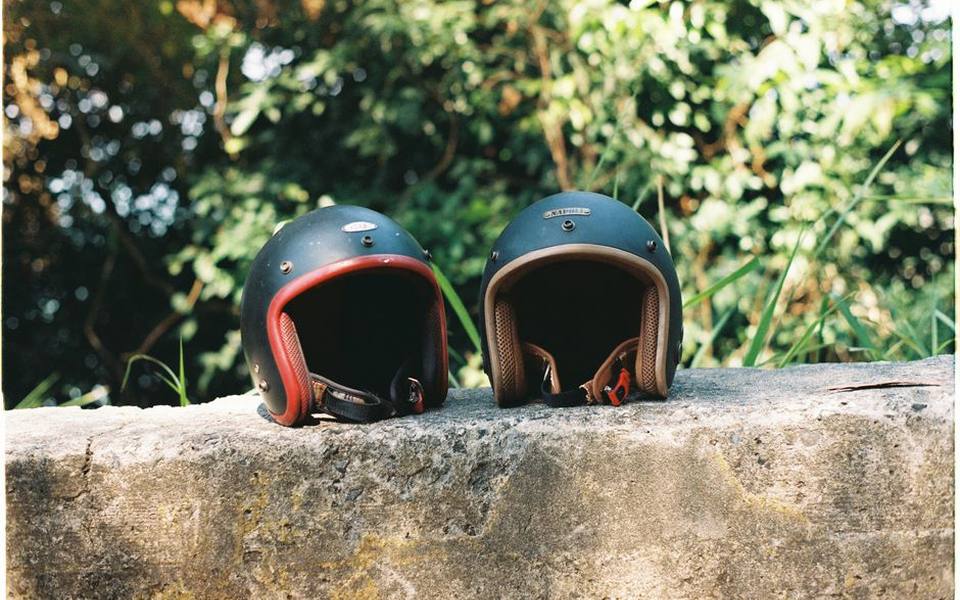
Modern riding headgear incorporates lightweight polycarbonate shells, high-density polystyrene shock absorbers, and multi-directional impact protection systems designed to disperse rotational forces during a fall. Well-known everyday protective headwear, such as reliable dial-fit schooling models like classic Troxel horse riding helmets, provide excellent ventilation, washable headliners, and easy adjustment dials at the back of the neck. These features make them popular choices for growing children, casual schooling, and long trail hacks where airflow and comfort matter tremendously.
Proper fit requires measuring the circumference of your head just above the eyebrows and around the widest point at the back of your skull. A well-adjusted helmet should sit level, roughly one inch above your brow line, feeling snug without pinching your temples. When you shake your head gently from side to side with the chin strap unbuckled, the helmet should move your scalp rather than sliding independently over your hair.
Keep in mind that helmets have a limited operational lifespan. Manufacturers typically recommend retiring any helmet after five years of routine exposure to heat, sweat, and UV light, which steadily degrade the protective foam core. Furthermore, any helmet that sustains a direct impact during a fall must be replaced immediately, even if the exterior shell appears completely intact and scratch-free.
Understanding Paddock Boots for Daily Schooling and Chores
Footwear in the barn serves a dual purpose: it must support your foot during active riding while remaining sturdy enough for walking on concrete aisleways, mucking stalls, and leading horses across muddy paddocks. Ankle-high paddock boots, sometimes called jodhpur boots, represent the workhorse footwear of the English riding world. Built with a supportive shank and a defined heel of about one inch, they prevent the rider's foot from sliding forward through the stirrup iron.
Shoppers exploring ladies paddock boots will encounter two primary closure designs: classic lace-up fronts and center-zip styles. Laced paddock boots offer a fully customized fit over high insteps and narrow ankles, making them ideal for riders who need precise arch support and firm ankle stabilization. Zip-front models, by contrast, allow for swift on-and-off convenience before and after a busy schooling session, often featuring elastic side gussets that stretch smoothly as your ankle flexes.
Material choices for paddock boots riding options generally come down to full-grain cowhide versus modern synthetic leathers. Genuine leather molds naturally to the unique contours of your foot over time, breathes well in warm conditions, and offers superior longevity when cleaned and conditioned regularly. High-grade synthetics require far less maintenance, resist water and barnyard acids effectively, and serve as an economical everyday option for riders navigating wet weather in outdoor turnouts.
Half Chaps and Full Chaps for Leg Stability
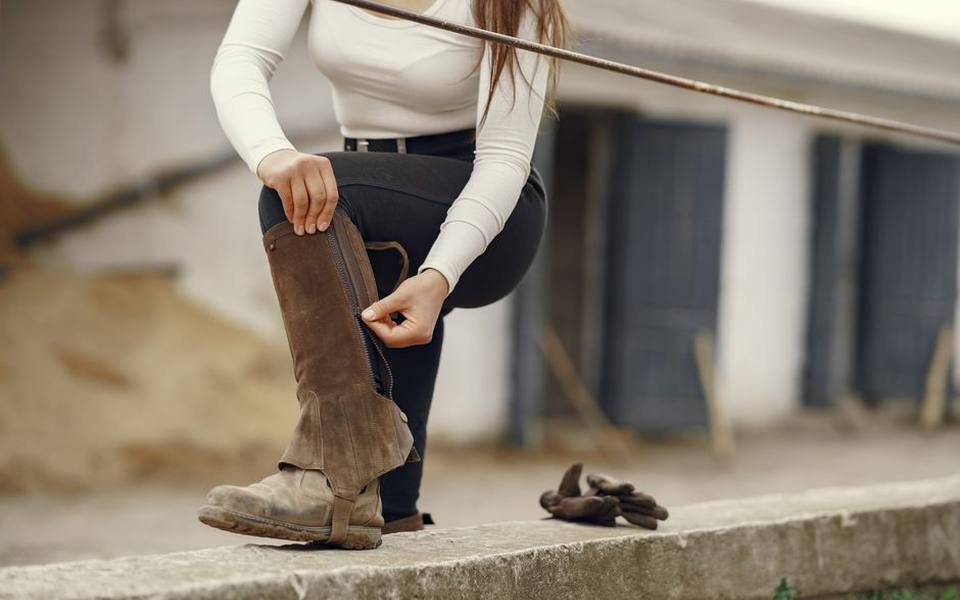
Paddock boots are rarely ridden alone; without lower leg coverage, the stirrup leathers will pinch your calf against the saddle flap with every stride. Pairing an ankle boot with leather or synthetic half chaps creates a practical, two-piece schooling system that mimics the security and contact of a traditional tall boot at a fraction of the cost. Half chaps wrap firmly from just beneath the kneecap down over the top of the boot, shielding your shins and inner calves.
When measuring for half chaps, wear the breeches and socks you plan to ride in most frequently. Take two key measurements using a flexible tailor's tape: the widest point around your calf muscle and the height from the back of your heel to the bend behind your knee. A new half chap should feel quite snug initially, as genuine suede and soft calfskin stretch noticeably after several rides, whereas synthetic materials retain their original factory dimensions.
Full chaps, which extend from the waist down to the boots, remain a staple among trainers and western riders who spend long hours in the saddle. In English disciplines, full suede chaps provide exceptional grip and cold-weather insulation during winter schooling in an indoor arena. They protect breeches from heavy barn grime and sweat, allowing professional riders to school half a dozen horses back-to-back without wearing through expensive schooling pants.
Tall Dress Boots and Field Boots for Serious Riders
While half chaps handle daily groundwork and training, tall riding boots remain the benchmark for formal presentation and refined leg communication. Tall boots fall into two primary categories: dress boots and field boots. Dress boots feature an uninterrupted, clean leather front and a stiffened outer shaft, creating a sleek, elegant silhouette that is universally favored in dressage arenas and formal foxhunting.
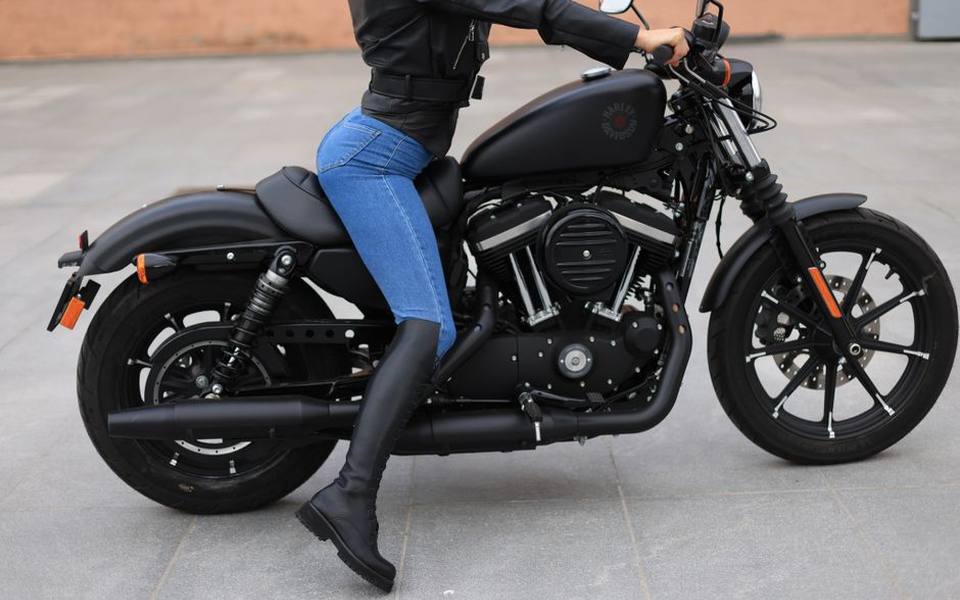
Field boots, easily recognized by their laced instep, were originally developed to allow riders more flex through the ankle when jumping over fences. The laces allow the leather to bend comfortably without bunching painfully over the bridge of the foot when riding in a shortened stirrup length. For riders who train across multiple jumping disciplines or take advanced riding lessons available in hunter-jumper barns, field boots provide the ideal blend of flexion and visual tradition.
Premium options, including popular ladies Ariat riding boots and specialized European custom boots, incorporate advanced footbed technologies, moisture-wicking linings, and contoured ankle profiles. When fitting tall boots, expect the top of the shaft to sit slightly high behind the knee initially. As the ankle softens and forms natural accordion creases during the breaking-in period, the shaft will drop roughly one-half to three-quarters of an inch to its permanent working height.
Breeches, Jodhpurs, and Riding Tights Explained
The evolution of equestrian textiles has transformed riding pants from heavy wool cavalry breeches into high-performance athletic apparel. Modern riders choose between three core styles: traditional breeches, children's jodhpurs, and contemporary pull-on riding tights. All three share seamless inner-leg construction to eliminate chafing, but they differ substantially in cut, grip placement, and fabric weight.
Knee-patch breeches feature reinforced patches on the inside of the knees made from suede, leather, or patterned silicone. These are the traditional choice for hunter and jumper rings, giving the rider secure contact on the saddle flap without restricting their ability to post or get into a two-point position. Full-seat breeches, on the other hand, extend grip panels from the lower thigh across the entire seat, providing the heavy friction and glued-in security demanded by dressage riders sitting deep lateral movements.
Pull-on riding tights have gained immense popularity for everyday summer schooling and pleasure hacking. Made from lightweight, four-way stretch compression fabrics, tights offer breathable comfort and convenient thigh pockets for cell phones. However, they lack the structured waistband, belt loops, and tailored finish expected during clinics or judged horse shows, where structured front-zip breeches remain mandatory.
Body Protectors and Safety Air Vests
Rider torso protection has seen extraordinary technological advancements over the past decade. Traditional body protectors rely on segmented, high-density foam panels that absorb impact energy and shield ribs and internal organs during a fall onto solid ground, cross-country logs, or arena obstacles. These vests are rated by safety bodies like BETA or ASTM to certify their blunt-force puncture and compression resistance.
In recent years, equestrian air vests have become widespread across eventing, show jumping, and casual schooling. Connected to the saddle via a coiled lanyard and mechanical trigger, an air vest inflates in milliseconds if the rider is unseated, providing pressurized cushioning around the neck, spine, coccyx, and chest before impact occurs. Many riders pairing up with greener horses or exploring trail access routes wear air vests as an added layer of psychological confidence and physical defense.
Proper fitting of protective vests is critical to avoid compromising rider balance. A body protector must cover the entire circumference of the ribcage, with the bottom front reaching just above the hip bone so it does not strike the pommel. At the back, the vest must stop approximately two inches above the cantle when seated in your normal riding position, ensuring the lower edge does not catch against the saddle as you post.
Formal Show Attire Across Hunter, Jumper, and Dressage Rings
Entering the judged show ring requires strict adherence to discipline-specific dress codes outlined by governing bodies like the United States Equestrian Federation (USEF). While everyday schooling welcomes colorful shirts and casual boots, formal competition honors centuries of tradition, precision, and visual uniformity designed to keep the judge's focus entirely on the horse's performance.

In the hunter and equitation rings, riders favor understated, conservative presentation. A classic tailored show coat in navy, dark green, charcoal, or black is worn over a crisp white or pastel wrap-collar show shirt. Ladies paddock boots paired with garters are permitted for younger competitors on ponies, but junior and adult riders are expected to present spotless tall field boots, beige breeches, gloves, and neat hair secured entirely inside an ASTM-approved helmet with a hairnet.
Dressage rings reflect European classical military origins, shifting toward white breeches, dark formal jackets, and tall dress boots. At lower levels, short riding jackets are standard, while upper-level FEI riders don formal tailcoats. Show jumping arenas allow the greatest latitude in modern apparel, where technical stretch softshell jackets in brighter colors and contrast collars frequently appear without penalty.
Caring for Riding Apparel and Leather Gear
Equestrian gear represents a meaningful financial investment, and basic preventive care will dramatically extend the working life of leather and technical apparel. Barn environments subject boots and chaps to sweat salts, abrasive sand, manure, and urine, all of which strip natural moisture from hide fibers, leading to stiffened seams and premature leather cracking.
Establish a routine after each ride: wipe dust and sweat off your tall boots and half chaps with a slightly damp microfiber sponge. Never use harsh household detergents or submerge leather boots in water. Apply a dedicated leather balm or cream monthly to replenish oils, paying close attention to high-flex areas around the ankle and zipper tracks. Keep zips clean using a small stiff brush, as trapped dirt is the leading cause of broken zipper teeth on expensive riding boots.
Technical show coats, breeches, and silicone-grip tights require gentle laundering to protect their elasticity and stickiness. Wash apparel inside out in cold water using mild liquid detergent, avoiding fabric softeners that coat breathable membrane pores. Air dry all riding clothes away from direct sunlight or electric heat sources, which degrade Lycra fibers and warp leather knee patches.
Published 2026-09-20 · reviewed with each rebuild, last September 2026.
Find boarding stables near you
The directory lists 16,945 boarding stables by state and city — pick your state or use the “Near me” button in the header.
More guides
-
 Money
MoneyUnderstanding Monthly Horse Boarding Expenses and Stable Fees
-
 Owning
Understanding Friesian Horse Ownership: Traits, Costs, and Daily Care
-
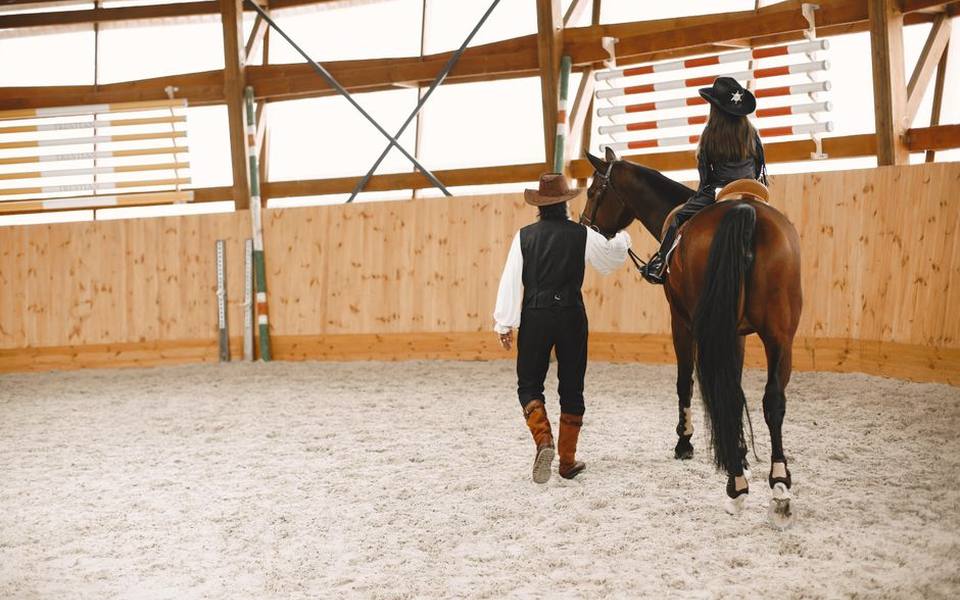 Owning
Understanding Riding Disciplines, Essential Tack, and the True Costs of Horse Ownership
-
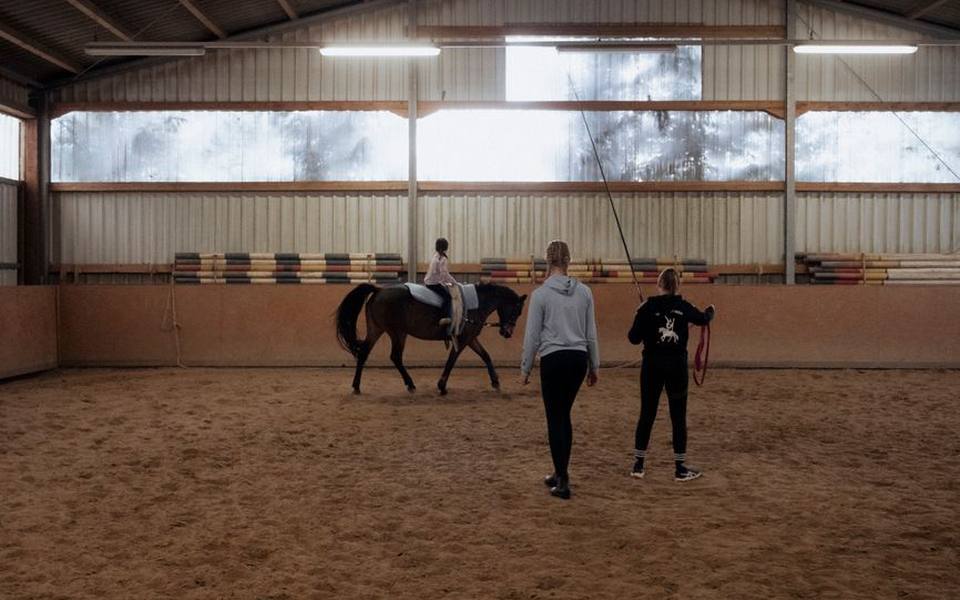 Money
MoneyUnderstanding the Costs of Getting Started in the Saddle
-
 Buying
Understanding Initial Horse Purchase Prices by Breed, Size, and Training
-
 Service
The Career Path of a Farrier: Education, Training, and Timeline
-
Owning
Choosing Between Alfalfa and Orchard Grass Hay for Horses
-
 Money
MoneyEssential Horse Ownership Expenses: Leasing, Insurance, and Maintenance
-
 Owning
Complete Guide to Cattle Breeds: Dairy vs Beef Cow Selection and Care
-
 Buying
Horse Buying Guide: Breed Selection, Market Prices, and Classifieds
-
 Owning
Small Farm Livestock Breeding: Goats, Sheep, Pigs, and Poultry
-
 Buying
Miniature Livestock Guide: Mini Cattle, Ponies, and Pocket Equines
-
 Owning
The Complete Guide to Horse Boarding, Stables, and Facilities
-
 Owning
Rubber Stall Mats and Horse Stall Flooring: A Complete Guide
-
 Buying
Guide to Horse Breeds, Breeders, and Equine Artificial Insemination
-
 Buying
Equestrian Riding Boots Buyer's Guide: Western and English Footwear
-
 Owning
Equine Health Care: Colic Signs, Deworming Charts, and Joint Supplements
-
 Owning
Complete Guide to Equine Fly Control: Sprays, Repellents, and Fly Sheets
-
 Safety
Equine Riding Helmets: Sizing, Safety Standards, and Selection Guide
-
 Service
Beach Horseback Riding and Trail Riding Tours Guide
-
 Service
Equine Training Fundamentals: Groundwork, Lunging Techniques, and Equestrian Vaulting
-
 Service
Equine-Assisted Therapy and Psychotherapy: A Practical Guide to Methods, Benefits, and Programs
-
 Buying
A Complete Guide to Buying a Horse: Breeds, Equine Sales, and Insurance
-
 Owning
Complete Guide to Horse Hoof Care, Farrier Services, and Hoof Boots
-
 Owning
A Complete Guide to Horse Grooming, Sheath Cleaning, Massage, and Routine Wellness
-
 Owning
Horse Barn Setup, Stall Infrastructure, Arenas, and Facility Equipment
-
 Buying
Beef and Dairy Cattle Breeds: Buyer's Guide, Traits, and Livestock Care
-
 Owning
Homestead Livestock Guide: Raising Sheep, Goats, Pigs, and Poultry
-
 Service
Equine Dentistry Guide: Floating Teeth, Routine Care, and Choosing a Practitioner
-
 Owning
Equine Saddles and Tack Care: Selection, Fit, Cleaning, and Room Setup
-
 Owning
Horse Blankets and Sheet Guide: Fit, Turnout Types, and Fly Protection
-
 Owning
Equestrian Gift Guide: Practical and Thoughtful Presents for Horse Lovers and Riders
-
 Service
Horse Transportation Guide: Hauling Services, Trailer Rentals, and Layover Stables
-
 Owning
Designing and Managing a Boarding Stable: Facility Planning, Barn Construction, and Daily Operations
-
 Owning
Horse Health Care, Fly Control, and Preventative Vet Schedules
-
 Service
Beginner Equestrian Camps and Riding Programs: How to Choose the Right Barn
-
 Safety
A Complete Guide to Western Riding Helmets, Barn Footwear, Halters, and Hoof Gear
-
 Service
Guided Horseback Riding Tours & Vacation Stables Guide
-
 Buying
Buying and Selling Horses: Sales Auctions & Breed Marketplaces