The Baseline Price of Horseback Riding Lessons
Learning to ride typically costs between $45 and $120 per session across the United States, depending on regional overhead, instructor credentials, and lesson duration. In smaller rural towns, a standard 45-minute lesson might hover on the lower end of that spectrum, while premier training facilities near major metropolitan hubs often charge toward the higher end. Most programs structure their time in 30-, 45-, or 60-minute blocks, with beginners spending a portion of their early sessions learning ground manners, grooming, and tacking up alongside mounted instruction.
Weekly lessons are standard practice for beginners building muscle memory, balance, and communication skills with the animal. When planning an initial budget, prospective riders should prepare for a monthly baseline of roughly $200 to $450 simply for weekly saddle time. These introductory fees almost universally cover the use of a trained school horse, tack, and grooming supplies, meaning you do not need to lease or own an animal to get started in formal equestrian training.
Regional cost variations reflect commercial land values, insurance premiums, and the price of regional feed. Barns in cold northern states often carry higher operating overhead for heating and footing maintenance, whereas southern stables might spend more on intensive summer insect control and hydration systems. Knowing what your local area commands helps you identify fair pricing when contacting local stables for your introductory evaluation.
Private Versus Group Sessions and Billing Formats
Instructors generally offer both one-on-one instruction and small group clinics, and each format directly influences your out-of-pocket costs. Private sessions are the most expensive option, often commanding $75 to $130 per hour, but they provide undivided attention, which accelerates progress during early steering and balance development. Group classes, typically featuring three to six students, generally run $45 to $75 per rider and offer the added benefit of peer observation and ring etiquette practice.
Many training barns bundle rides into monthly packages or multi-lesson punch cards that reduce the per-ride rate by roughly ten to fifteen percent compared to a single drop-in fee. Some stables require clients to commit to a monthly tuition schedule, where you pay a fixed amount on the first of each month to hold your reserved horse and time slot, regardless of whether you attend every session.
Cancellation policies are strict across the equestrian trade because school horses can only safely work a limited number of hours per day. Most barns require a minimum of 24 to 48 hours notice to reschedule a missed booking without forfeiting the fee. Understanding the stable's payment agreement beforehand prevents unexpected charges and protects your investment as you build a consistent weekly riding habit.
Finding Beginner-Friendly Barns in Your Area
Finding suitable instruction close to home begins with filtering facilities by their teaching focus, as some barns cater exclusively to competitive show circuits while others welcome recreational beginners. When browsing local horse riding lessons, look for operations that explicitly maintain an active string of seasoned school horses. A reliable schoolmaster allows a nervous beginner to focus on seat posture and hands without managing an unpredictable or green equine partner.
Visiting a barn in person before signing a contract or paying for a block of lessons is always advisable. Observe whether the horses appear calm, well-fed, and sound on their feet, and take note of how the instructors speak to younger or hesitant riders. A high-quality learning environment prioritizes safe horse handling on the ground just as much as balance in the saddle, ensuring you learn to lead, cross-tie, and untack safely.
Commute distance also plays a practical role in long-term cost and consistency. A facility that looks inexpensive online might drain your gas budget and free time if it requires an hour-long drive each direction through heavy commuter traffic. Choosing an accessible barn located along your regular weekly route makes it much easier to sustain the hobby throughout unpredictable seasonal weather changes.
Facility Features That Influence What You Pay
The infrastructure of a facility significantly impacts its pricing structure. Stables equipped with a covered or indoor arena typically charge higher lesson fees than barns that rely entirely on outdoor open pens. An indoor space guarantees that your paid lesson will run regardless of driving rain, heavy snow, deep mud, or intense midday sun, offering reliable consistency for beginner riders.
Footing quality in those riding arenas is another major overhead cost passed along in the lesson rate. Premium footing blends consisting of treated sand, textiles, and rubber fibers cushion equine joints, reduce concussion, and minimize dust, which protects the respiratory health of both horse and rider. Facilities maintaining high-grade ground spend significant labor hours dragging, watering, and leveling the arena surface every day.
Barns that offer broad recreational trail networks, round pens, and climate-controlled viewing lounges often command higher rates to offset their substantial property maintenance costs. While luxury amenities are pleasant for spectators, beginners should balance their actual educational needs against unnecessary bells and whistles during their first six months in the sport.
Beginner Rider Gear and Footwear Essentials
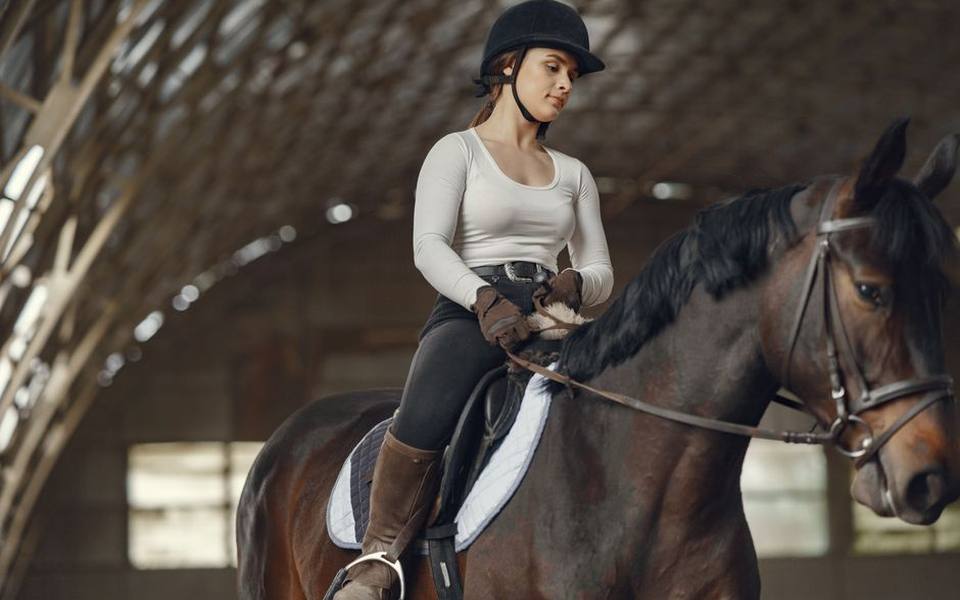
Before your first mounted session, outfitting yourself safely requires a modest upfront purchase of appropriate personal gear. First-time riders do not need custom show coats or specialized equestrian outfits, but proper footwear and a certified riding helmet are non-negotiable safety requirements. A beginner can typically assemble a functional, safe riding wardrobe for somewhere between $150 and $350 by purchasing dependable starter gear.
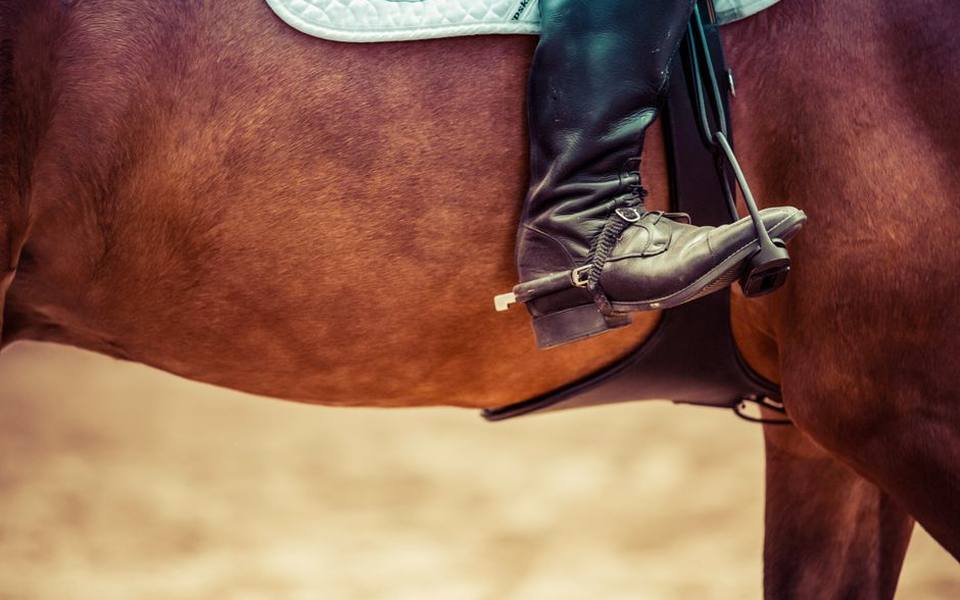
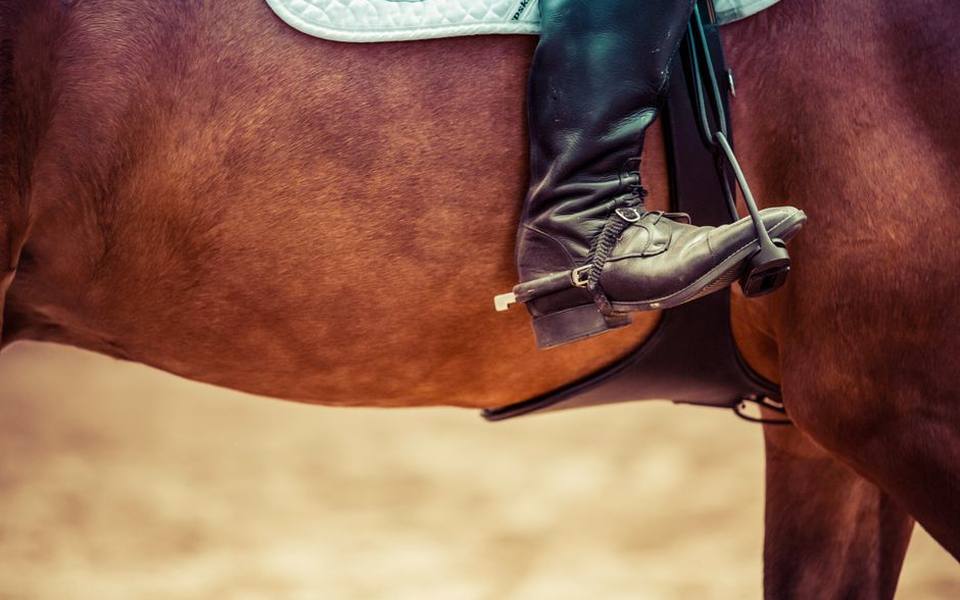
Footwear must have a smooth, hard sole and a distinct heel measuring approximately one to one-and-a-half inches. This heel prevents your foot from slipping forward through the stirrup iron, which could cause a dangerous dragging scenario if you were to lose your balance and fall. Running shoes, canvas sneakers, and heavy hiking boots with deep, aggressive treads should never be worn in the stirrup.
Pants should be durable, stretchy, and constructed without thick, raised inner seams that cause painful friction rubs against the saddle leather. While dedicated riding breeches or tights provide silicone knee grips and reinforced seats, a plain pair of form-fitting leggings or smooth bootcut denim jeans works well for your initial months of recreational instruction.
Choosing Functional Cowboy Boots for the Stirrup
Riders pursuing a western discipline often gravitate toward traditional western footwear, but picking the right pair requires evaluating technical function rather than ornamental leather tooling. The most effective boots for riding horses feature a tapered, rounded, or square toe profile that slides smoothly into western stirrups without wedging along the sides. They must also have a defined walking or underslung heel designed to catch the stirrup tread naturally.
Sole construction is just as critical as the heel profile. Heavy rubber lug soles intended for outdoor construction or muddy pasture work can stick fast in a stirrup during an emergency dismount, creating a serious hazard. Instead, look for western boots with smooth leather outsoles or low-profile, flexible rubber compounds specifically designed for equestrian riding, which release cleanly when your foot changes angle.
Ensure the boots fit snugly across your instep while allowing modest heel slippage when the leather is brand new. Over several weeks of riding, quality full-grain cowhide will mold to the unique contours of your foot and ankle, creating a stable, comfortable platform that aids your lower leg position and overall balance in the saddle.
Safety Gear and Helmet Certification
Head protection is the single most vital piece of equestrian gear, and every beginner must prioritize a properly fitted riding helmet. A standard bicycle, skateboard, or ski helmet is not engineered to withstand a fall from equine height or an impact from a shod hoof. Equestrian helmets must carry official safety certification, such as ASTM/SEI compliance, which guarantees they have passed strict standardized testing for crush resistance and drop deceleration.
Introductory certified schooling helmets typically cost between $50 and $120, offering lightweight ventilation and adjustable dial-fit systems at the nape of the neck. While many lesson barns maintain a shelf of communal helmets for first-time visitors, purchasing your own ensures an exact fit and eliminates hygiene concerns. Helmets should sit level across your forehead, roughly one inch above your eyebrows, without rocking or pinching.
Any helmet subjected to a hard fall or impact must be retired immediately, even if the exterior shell appears completely undamaged. The internal protective foam is designed to compress once during an impact to absorb energy, rendering it ineffective for future falls. Treating your helmet gently and replacing it every three to five years protects you against hidden material breakdown caused by heat and sweat.
Managing Barn Environments and Seasonal Stabling Gear
As beginners spend more time around their training barn, they quickly discover the operational complexities and seasonal equipment required to keep horses comfortable. In warm climates, stable management depends heavily on proper air circulation to mitigate heat stress and humidity inside boarding rows. Equine caretakers evaluate stall fans based on agricultural safety ratings rather than standard residential hardware store specifications.
The best fans for horse stalls feature sealed-motor designs that prevent flammable barn dust, dry bedding particles, and cobwebs from penetrating the electrical components. Standard box fans intended for living rooms pose a verified fire risk in agricultural settings because their unsealed motors can overheat when clogged with barn grit. Heavy-duty, industrial-grade oscillating or direct-drive circulation fans provide powerful airflow that keeps horses cool while discouraging biting gnats from settling.
Proper electrical wiring and fan placement are equally important details in stable infrastructure. Cords must be secured safely outside the horse's reach to prevent playful chewing, and fans should be angled to provide gentle, steady air movement across the stall without blowing directly into the horse's eyes or hay feeder. High-quality ventilation reduces respiratory irritation and creates a pleasant training atmosphere for riders and animals alike.
Protecting Horses from Insects During Summer Work
Pest management is another substantial seasonal effort that directly influences horse behavior and rider comfort during lessons. When summer temperatures climb, flies, mosquitoes, and biting midges can irritate horses into stomping, swishing, and shaking their heads during instruction. Barn staff rely on topical treatments, physical barriers, and environmental sanitation to manage insect populations around the arena.
Effective topical repellents generally feature synthetic pyrethroids like permethrin and cypermethrin, or natural pyrethrins suspended in water or light oil bases. Water-based formulas dry quickly and do not collect arena dirt, making them popular for daily schooling, while oil-based sprays tend to bond longer to hair coats against heavy sweating. Many riders also use botanical formulas containing essential oils like citronella and eucalyptus for light relief between primary applications.
In addition to liquid sprays, horse owners use physical gear such as breathable mesh fly masks, neck covers, and lightweight fly sheets to shield sensitive skin during turnout. Barns that eliminate standing water, compost manure piles away from the main aisles, and hang sticky traps keep biting insects under control, ensuring horses remain focused and calm when carrying beginner riders through their practice routines.
Progressing from Lessons to Leases or Boarding
Once a rider gains balanced control at the walk, trot, and canter, the desire to ride more frequently often leads toward leasing an equine partner. A partial lease typically involves paying a flat monthly fee to ride a specific horse two to three days per week, without bearing full ownership costs. This arrangement usually costs between $200 and $600 monthly, providing intermediate riders with extra saddle time before they commit to purchasing an animal.
If you eventually choose to purchase, your monthly expenses will increase substantially to cover professional care at local horse boarding facilities. Boarding packages range from basic pasture turnouts, where horses live in outdoor herds, to full-service stalls with daily stall cleaning, feeding, and blanket changes. Monthly boarding rates across the country frequently fall between $300 and $1,500 depending on location, facility amenities, and feed inclusion.
Beyond base board, routine veterinary care, farrier shoeing appointments every six weeks, annual dental floating, and emergency medical reserves become the owner's responsibility. Sticking to a structured lesson program for at least one full year gives you the practical horse sense, hands-on barn experience, and financial clarity required to navigate ownership with confidence.
Total First-Year Budgeting for New Equestrians
Calculating a realistic annual budget for a beginner equestrian requires combining lesson tuition, personal apparel, and incidental barn expenses. If you ride once weekly at an average rate of $65 per session, annual lesson expenses will total approximately $3,380. Factoring in an initial $250 for a certified helmet, boots, and riding pants brings your estimated baseline first-year commitment to roughly $3,600 to $4,000.
Stepping up to twice-weekly sessions or participating in informal barn schooling shows will increase those totals accordingly. Additional small costs may include tips for stable grooms during the holidays, barn membership dues, or modest equipment upgrades like winter riding gloves and grooming totes. Planning for these figures ahead of time prevents financial surprises and keeps the sport enjoyable rather than stressful.
Starting slowly and mastering foundational ground skills pays high dividends throughout your equestrian journey. By focusing your budget on solid professional instruction and basic safety attire, you build genuine horsemanship without overspending on advanced gear you do not yet need. Horseback riding is a rewarding, lifelong discipline that remains accessible when approached with practical expectations and clear financial planning.
Published 2026-09-20 · reviewed with each rebuild, last September 2026.
Find boarding stables near you
The directory lists 16,945 boarding stables by state and city — pick your state or use the “Near me” button in the header.
More guides
-
 Money
MoneyUnderstanding Monthly Horse Boarding Expenses and Stable Fees
-
 Owning
Understanding Friesian Horse Ownership: Traits, Costs, and Daily Care
-
 Owning
Understanding Riding Disciplines, Essential Tack, and the True Costs of Horse Ownership
-
 Buying
Understanding Initial Horse Purchase Prices by Breed, Size, and Training
-
 Service
The Career Path of a Farrier: Education, Training, and Timeline
-
Owning
Choosing Between Alfalfa and Orchard Grass Hay for Horses
-
 Money
MoneyEssential Horse Ownership Expenses: Leasing, Insurance, and Maintenance
-
 Owning
Complete Guide to Cattle Breeds: Dairy vs Beef Cow Selection and Care
-
 Buying
Horse Buying Guide: Breed Selection, Market Prices, and Classifieds
-
 Owning
Small Farm Livestock Breeding: Goats, Sheep, Pigs, and Poultry
-
 Buying
Miniature Livestock Guide: Mini Cattle, Ponies, and Pocket Equines
-
 Owning
The Complete Guide to Horse Boarding, Stables, and Facilities
-
 Owning
Rubber Stall Mats and Horse Stall Flooring: A Complete Guide
-
 Buying
Guide to Horse Breeds, Breeders, and Equine Artificial Insemination
-
 Buying
Equestrian Riding Boots Buyer's Guide: Western and English Footwear
-
 Owning
Equine Health Care: Colic Signs, Deworming Charts, and Joint Supplements
-
 Owning
Complete Guide to Equine Fly Control: Sprays, Repellents, and Fly Sheets
-
 Safety
Equine Riding Helmets: Sizing, Safety Standards, and Selection Guide
-
 Service
Beach Horseback Riding and Trail Riding Tours Guide
-
 Service
Equine Training Fundamentals: Groundwork, Lunging Techniques, and Equestrian Vaulting
-
 Service
Equine-Assisted Therapy and Psychotherapy: A Practical Guide to Methods, Benefits, and Programs
-
 Buying
A Complete Guide to Buying a Horse: Breeds, Equine Sales, and Insurance
-
 Owning
Complete Guide to Horse Hoof Care, Farrier Services, and Hoof Boots
-
 Owning
A Complete Guide to Horse Grooming, Sheath Cleaning, Massage, and Routine Wellness
-
 Owning
Horse Barn Setup, Stall Infrastructure, Arenas, and Facility Equipment
-
 Buying
Beef and Dairy Cattle Breeds: Buyer's Guide, Traits, and Livestock Care
-
 Owning
Homestead Livestock Guide: Raising Sheep, Goats, Pigs, and Poultry
-
 Service
Equine Dentistry Guide: Floating Teeth, Routine Care, and Choosing a Practitioner
-
 Owning
Equine Saddles and Tack Care: Selection, Fit, Cleaning, and Room Setup
-
 Owning
Horse Blankets and Sheet Guide: Fit, Turnout Types, and Fly Protection
-
 Safety
Equestrian Riding Apparel and Gear: Helmets, Boots, and Show Attire
-
 Owning
Equestrian Gift Guide: Practical and Thoughtful Presents for Horse Lovers and Riders
-
 Service
Horse Transportation Guide: Hauling Services, Trailer Rentals, and Layover Stables
-
 Owning
Designing and Managing a Boarding Stable: Facility Planning, Barn Construction, and Daily Operations
-
 Owning
Horse Health Care, Fly Control, and Preventative Vet Schedules
-
 Service
Beginner Equestrian Camps and Riding Programs: How to Choose the Right Barn
-
 Safety
A Complete Guide to Western Riding Helmets, Barn Footwear, Halters, and Hoof Gear
-
 Service
Guided Horseback Riding Tours & Vacation Stables Guide
-
 Buying
Buying and Selling Horses: Sales Auctions & Breed Marketplaces