What Monthly Horse Boarding Actually Costs Across Care Tiers
Monthly horse boarding rates typically range anywhere from $200 to well over $1,500 per month, largely determined by the level of daily labor, shelter quality, and feed included in the agreement. At the most basic level, pasture board generally costs between $200 and $450 per month, where horses live outdoors with access to a run-in shed, automatic waterers, and rotational forage. In this setup, the facility owner ensures water is running and fences are sound, but owners often handle their own supplemental graining and blanket changes.
Full-care stall board typically falls between $600 and $1,200 per month at standard private barns, climbing higher in metropolitan suburbs or at elite competition venues. Full board commonly covers a dedicated stall, daily mucking, hay, commercial grain rations, turnout services, and routine water bucket scrubbing. Between these extremes lies partial board or self-care, which can cost anywhere from $300 to $600 monthly, where the facility provides the physical stall and turnout paddocks while the owner supplies all feed, bedding, and daily manual labor.
When comparing stable agreements, it is crucial to recognize that base prices rarely capture every monthly expense. Feed allocations often have strict caps, meaning heavy keepers or performance horses requiring additional alfalfa or specialized nutrition may incur surcharges. Examining the standard board contract line by line prevents unexpected billing adjustments when seasonal hay prices fluctuate or your horse requires customized care routines.
Regional Differences in Local Boarding Rates
Finding practical boarding rates close to home often reveals dramatic geographic disparities across different states and counties. In dense coastal regions like New York, California, and the greater Washington, D.C. area, land values and commercial property taxes drive standard stall board well past $1,000 to $2,000 each month. Conversely, rural regions across the Midwest, Appalachia, and parts of the South offer full board in comfortable community barns starting around $400 to $650 per month.
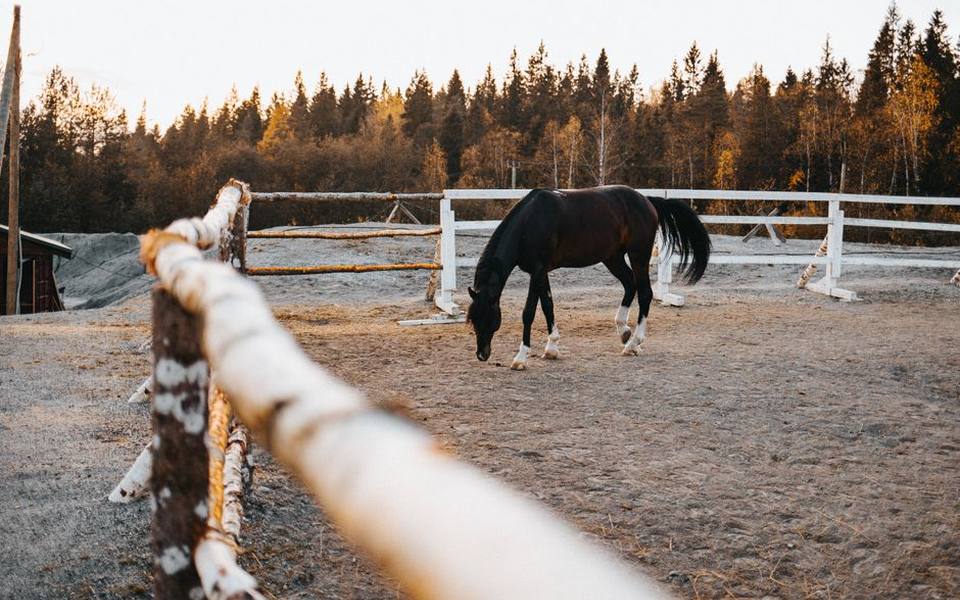
Proximity to major metropolitan centers heavily influences pricing because real estate costs and zoning restrictions make large equestrian parcels scarce. A boarding barn located twenty minutes outside a major city will almost certainly charge several hundred dollars more per month than an equivalent stable situated an hour farther out in agricultural territory. For horse owners managing strict budgets, extending the driving radius by fifteen or twenty miles often yields substantial monthly savings on stall fees.
Regional climate also plays an undeniable role in operational expenses that facility managers must pass along to boarders. Stables operating in colder northern climates face high winter heating bills, heated water trough electricity costs, and prolonged periods of feeding high-priced stored forage. Meanwhile, southern properties in states like Texas or Florida balance pasture irrigation and high summer cooling demands against year-round grazing availability across local pasture board stables.
What Defines an Equestrian Center Versus a Traditional Barn
Many riders wonder what separates a standard private barn from a formal equestrian center when researching local facilities. In general, an equestrian center refers to a comprehensive, multi-disciplinary boarding and training complex engineered to accommodate high volumes of horses, riders, and formal events. While a traditional boarding barn may house eight to twenty horses with an outdoor sand arena and basic turnout fields, a dedicated equestrian center typically supports several dozen stalls, multiple arenas, and specialized equestrian infrastructure.
These larger facilities commonly feature premium amenities such as regulation-sized outdoor rings, dedicated warm-up areas, round pens, and climate-controlled client viewing lounges. Most distinctively, many offer a full-sized indoor arena, allowing riders to train consistently through heavy winter snow, driving rain, or intense midday summer heat without interrupting their training schedules.
Because of the extensive square footage, heavy commercial liability policies, and full-time maintenance crews required to maintain an equestrian center, boarding rates at these venues typically sit at the top end of the market. Boarders at comprehensive horse boarding facilities pay not just for their horse's individual box stall, but for the unfettered access to elite footing, jump courses, wash racks with radiant heaters, and professional on-site staff.
Hidden Barn Fees and Incidental Add-On Services
A base boarding rate quoted over the phone rarely reflects your final monthly invoice once practical care needs enter the picture. Barn managers frequently maintain an itemized fee sheet for services that fall outside standard stall cleaning and feeding. Routine tasks like changing turnout blankets in fluctuating weather, applying fly masks, putting on bell boots, and administering daily supplements or oral medications frequently carry individual fees ranging from $20 to $75 per month each.
Turnout policies can also introduce unexpected charges depending on barn layout and staffing levels. While standard group turnout is commonly included in full board, horses requiring private individual turnout due to behavioral quirks or rehabilitation needs may incur surcharges of $50 to $150 monthly to offset paddock wear and labor. Similarly, holding a horse for the barn's scheduled farrier or veterinarian during standard working hours usually incurs a handler fee between $15 and $30 per appointment.
Trailer parking is another standard operational fee that varies wildly between properties. While some facilities provide complimentary outdoor trailer storage on gravel pads for active boarders, others charge a monthly parking fee between $25 and $100 per rig. Clarifying these incidental service rates before signing a boarding contract ensures that your realistic monthly outlay aligns with your total horse-care budget.
Daily Hoof Care Expenses and Managing Common Wet-Stall Conditions
Keeping a boarded horse sound requires active daily hoof maintenance, particularly during muddy spring thaws or damp winter boarding conditions. Standing in damp bedding or muddy paddocks creates an ideal anaerobic environment for bacterial infections like thrush, which attacks the soft tissue of the frog and creates a distinct black discharge and foul odor. Boarders should budget for basic topical hoof remedies and daily hoof picks as essential components of their monthly grooming kit.
When dealing with persistent moisture, identifying the most effective thrush remedy for horses depends on the depth and sensitivity of the infection. Mild surface cases generally respond well to routine applications of over-the-counter drying agents containing gentian violet or copper naphthenate solutions applied two to three times per week. For deeper sulcus infections where the frog is sensitive to the touch, non-caustic antibacterial formulas, iodine scrubs, or veterinary-prescribed antibiotic mastitis infusions provide gentle, deep-tissue relief without burning newly forming tissue.
Preventing hoof complications also relies heavily on stable cleanliness, making reliable stall mucking a critical factor when choosing a boarding facility. Stables that skim wet spots rather than stripping urine-soaked bedding daily expose horses to elevated ammonia levels that weaken the hoof wall and frog. Regular communication with your farrier, whose trim fees typically range between $45 and $90 every six weeks, helps ensure topical treatments and bedding protocols remain effective.
Seasonal Pest Control and Daily Fly Management Costs
Fly and insect management represents a substantial seasonal operating expense for both boarding barn managers and individual horse owners between late spring and autumn. Barns generally deploy multi-layered defensive strategies, including automatic overhead pyrethrin misting systems in barn aisles, predatory fly wasps released in manure piles, and physical fly traps along perimeter fences. Maintaining these farm-wide systems requires ongoing fluid refills and seasonal maintenance that barns absorb into their operational overhead.
Individual boarders must still supply their own protective gear and topicals to keep horses comfortable during daily paddock turnout. Choosing the most effective fly spray involves balancing active ingredients against your horse's skin sensitivity and local insect pressure. Sprays containing synthetic pyrethroids such as permethrin or cypermethrin generally provide the longest-lasting residual barrier against biting stable flies, horn flies, and ticks, often remaining effective through light sweat.
Natural or essential-oil formulations featuring citronella, cedar, peppermint, or eucalyptus offer a milder alternative for horses prone to skin hives, though they require much more frequent reapplication throughout the day. With standard insect repellent costing anywhere from $15 to $30 per quart bottle, a horse requiring daily turnout spraying will easily consume two to three bottles per month during peak insect season, adding a noticeable recurring line item to summer ownership costs.
Planning and Budgeting to Build a Barn on Private Property
Many horse owners eventually crunch the numbers to determine whether building a private barn on their own land is more cost-effective than paying perpetual commercial boarding fees. The overall cost to construct a dedicated horse barn depends heavily on construction style, ranging from simple three-sided run-in sheds at $3,000 to $7,000 up to custom wooden or steel pole barns costing between $25,000 and $100,000 or more for a functional three-to-four stall layout. Site excavation, driveway grading, and bringing utility hookups to the building site routinely add thousands before framing even begins.
A practical horse stable requires careful architectural planning centered around equine safety, ventilation, and daily labor efficiency. Stalls should measure at least 10x10 feet for smaller breeds or 12x12 feet for standard horses, featuring heavy-duty sliding doors, durable chew guards, and rubber stall mats over compacted gravel or stone dust subfloors. Wide barn aisles measuring twelve to fourteen feet allow tractors, wheelbarrows, and veterinary trucks to pass through safely while maintaining ample clearance during cross-tying.
Ventilation is arguably the single most critical structural element in equine construction to preserve respiratory health. Enclosed barns must incorporate open ridge vents, vented soffits, and sliding Dutch doors or barred stall windows to ensure continuous natural air exchange without creating direct, cold drafts. Cutting corners on air movement leads to condensation, moldy hay storage, and persistent respiratory inflammation that quickly creates hefty veterinary bills.
Integrating Cattle on Horse Acreage: Co-Grazing and Livestock Costs
Equestrian landowners managing multi-acre farmsteads frequently consider integrating small groups of beef cattle to optimize pasture utilization and control parasitic burdens. Horses are notoriously selective grazers, creating patchy fields of overgrazed turf alongside tall, weed-choked roughs. Cattle graze differently, wrapping their tongues around taller, coarser grasses that horses refuse, which promotes more uniform pasture regeneration and helps break equine internal parasite cycles.
When purchasing commercial livestock for mixed-pasture management, market prices for beef animals fluctuate based on auction volume, weight, and regional feed prices. For prospective buyers evaluating beef stocker calves or breeding stock, the purchase cost of a commercial Black Angus cow or feeder calf typically ranges from $1,200 to $2,500 depending on age, overall condition, and whether a cow is bred or sold with an active calf at side. Purebred or registered breeding animals naturally command higher premiums at regional auctions.
Managing cattle alongside horses requires appropriate infrastructure investments, particularly regarding fencing and watering setups. Standard equine board fences or high-tensile horse mesh often require an interior strand of hot electric wire to prevent heavy cattle from leaning against boards or scratching against posts. Ensure that cattle have equal access to freshwater stock tanks that cannot easily be tipped over, and establish separate mineral feeding stations to ensure each species receives appropriate nutritional supplements.
Factoring in Professional Training, Lessons, and Exercising Fees
For owners working toward competition goals or working with young, green mounts, professional training fees represent another major component of monthly barn spending. Full-training board packages—which bundle standard full-care stall board with four to five professional rides or training sessions per week—typically range from $1,200 to $2,500 per month depending on the trainer's reputation and competitive discipline. Many reputable facilities offering horse training mandate that boarded horses participate in at least a partial professional program.
Riders taking weekly instruction should also budget between $45 and $120 per session for private or small-group riding lessons, which barn trainers often bill separately from base board fees. Even if you do not actively show, paying for occasional professional tune-ups helps maintain ground manners, correct minor behavioral vices, and ensure your horse remains safe and balanced under saddle. Consistent instruction also protects your investment by advancing your own horsemanship skills alongside your animal's development.
If work commitments or travel keep you away from the barn for extended stretches, exercising and turnout fees may apply to keep your horse fit. Facilities frequently offer unmounted lungeing, hand-walking, or exercise-turnout packages for an additional $20 to $40 per session. Establishing clear expectations regarding who handles your horse and how often they receive structured exercise ensures transparent billing and steady athletic conditioning.
Evaluating Barn Contracts and Choosing the Right Setup
Selecting the right boarding facility requires balancing your financial budget against the safety, daily welfare, and mental happiness of your horse. Before committing to a security deposit, spend time observing a normal feeding routine and stall-cleaning cycle at the barn during morning or afternoon chores. Check that horses have free-choice access to clean water, hay appears sweet-smelling and free of mold or dust, and perimeter fencing consists of sturdy, well-maintained wood, mesh, or horse-safe PVC.
Thoroughly review the written boarding contract to ensure every expectation, responsibility, and emergency procedure is explicitly documented. The agreement should define notice periods for vacating (typically thirty days), payment due dates, late fees, required vaccination and negative Coggins schedules, and emergency veterinary authorization limits if you cannot be reached immediately. A clear, comprehensive contract protects both the barn operator and the horse owner from misunderstandings.
Ultimately, the least expensive boarding stable is rarely the best financial bargain if poor care, neglected fencing, or insufficient hay quality leads to repeated veterinary emergencies or colic episodes. Paying a fair, realistic monthly rate for competent staff, safe paddocks, and abundant quality forage provides peace of mind that your horse remains healthy, secure, and well-managed every single day.
Published 2026-09-20 · reviewed with each rebuild, last September 2026.
Find boarding stables near you
The directory lists 16,945 boarding stables by state and city — pick your state or use the “Near me” button in the header.
More guides
-
 Owning
Understanding Friesian Horse Ownership: Traits, Costs, and Daily Care
-
 Owning
Understanding Riding Disciplines, Essential Tack, and the True Costs of Horse Ownership
-
 Money
MoneyUnderstanding the Costs of Getting Started in the Saddle
-
 Buying
Understanding Initial Horse Purchase Prices by Breed, Size, and Training
-
 Service
The Career Path of a Farrier: Education, Training, and Timeline
-
Owning
Choosing Between Alfalfa and Orchard Grass Hay for Horses
-
 Money
MoneyEssential Horse Ownership Expenses: Leasing, Insurance, and Maintenance
-
 Owning
Complete Guide to Cattle Breeds: Dairy vs Beef Cow Selection and Care
-
 Buying
Horse Buying Guide: Breed Selection, Market Prices, and Classifieds
-
 Owning
Small Farm Livestock Breeding: Goats, Sheep, Pigs, and Poultry
-
 Buying
Miniature Livestock Guide: Mini Cattle, Ponies, and Pocket Equines
-
 Owning
The Complete Guide to Horse Boarding, Stables, and Facilities
-
 Owning
Rubber Stall Mats and Horse Stall Flooring: A Complete Guide
-
 Buying
Guide to Horse Breeds, Breeders, and Equine Artificial Insemination
-
 Buying
Equestrian Riding Boots Buyer's Guide: Western and English Footwear
-
 Owning
Equine Health Care: Colic Signs, Deworming Charts, and Joint Supplements
-
 Owning
Complete Guide to Equine Fly Control: Sprays, Repellents, and Fly Sheets
-
 Safety
Equine Riding Helmets: Sizing, Safety Standards, and Selection Guide
-
 Service
Beach Horseback Riding and Trail Riding Tours Guide
-
 Service
Equine Training Fundamentals: Groundwork, Lunging Techniques, and Equestrian Vaulting
-
 Service
Equine-Assisted Therapy and Psychotherapy: A Practical Guide to Methods, Benefits, and Programs
-
 Buying
A Complete Guide to Buying a Horse: Breeds, Equine Sales, and Insurance
-
 Owning
Complete Guide to Horse Hoof Care, Farrier Services, and Hoof Boots
-
 Owning
A Complete Guide to Horse Grooming, Sheath Cleaning, Massage, and Routine Wellness
-
 Owning
Horse Barn Setup, Stall Infrastructure, Arenas, and Facility Equipment
-
 Buying
Beef and Dairy Cattle Breeds: Buyer's Guide, Traits, and Livestock Care
-
 Owning
Homestead Livestock Guide: Raising Sheep, Goats, Pigs, and Poultry
-
 Service
Equine Dentistry Guide: Floating Teeth, Routine Care, and Choosing a Practitioner
-
 Owning
Equine Saddles and Tack Care: Selection, Fit, Cleaning, and Room Setup
-
 Owning
Horse Blankets and Sheet Guide: Fit, Turnout Types, and Fly Protection
-
 Safety
Equestrian Riding Apparel and Gear: Helmets, Boots, and Show Attire
-
 Owning
Equestrian Gift Guide: Practical and Thoughtful Presents for Horse Lovers and Riders
-
 Service
Horse Transportation Guide: Hauling Services, Trailer Rentals, and Layover Stables
-
 Owning
Designing and Managing a Boarding Stable: Facility Planning, Barn Construction, and Daily Operations
-
 Owning
Horse Health Care, Fly Control, and Preventative Vet Schedules
-
 Service
Beginner Equestrian Camps and Riding Programs: How to Choose the Right Barn
-
 Safety
A Complete Guide to Western Riding Helmets, Barn Footwear, Halters, and Hoof Gear
-
 Service
Guided Horseback Riding Tours & Vacation Stables Guide
-
 Buying
Buying and Selling Horses: Sales Auctions & Breed Marketplaces