Establishing an Annual Preventative Veterinary Schedule
Preventative veterinary medicine forms the foundation of long-term equine wellness, protecting horses from debilitating infectious diseases and sudden metabolic downturns. In most regions, a veterinarian visits twice a year to conduct physical assessments, administer core vaccines, evaluate baseline body condition, and tailor parasite management protocols. Scheduling regular wellness appointments allows your veterinarian to track subtle physiological changes before minor imbalances evolve into complex clinical problems.
Core vaccinations are universally recommended across the United States regardless of a horse's discipline or travel schedule. The American Association of Equine Practitioners designates rabies, tetanus, Eastern and Western equine encephalomyelitis, and West Nile virus as essential protections due to their high mortality rates and pervasive vectors. Depending on regional transmission risks in states like Horse Boarding Stables in Florida or along humid river valleys, your practitioner may recommend spring boosters to ensure peak immunity during active mosquito seasons.
Risk-based vaccines safeguard against contagions that spread primarily through animal-to-animal contact or shared environments. Equine influenza, equine herpesvirus (rhinopneumonitis), strangles, and Potomac horse fever fall into this elective category. If your horse travels for competitions, attends clinics, or resides in high-turnover horse boarding facilities, your vet will likely prescribe semi-annual boosters to prevent respiratory outbreaks from sweeping through communal barns.
Routine Dental Floating and Oral Health Maintenance
Equine teeth erupt continuously throughout an animal's adult life, wearing down as the horse grinds fibrous forage between the upper and lower arcades. Because the equine upper jaw is roughly thirty percent wider than the lower jaw, this natural grinding action creates sharp enamel points along the outside of the upper molars and the inside of the lower teeth. Left unmanaged, these sharp edges cause painful buccal lacerations, tongue sores, and restricted jaw movement.
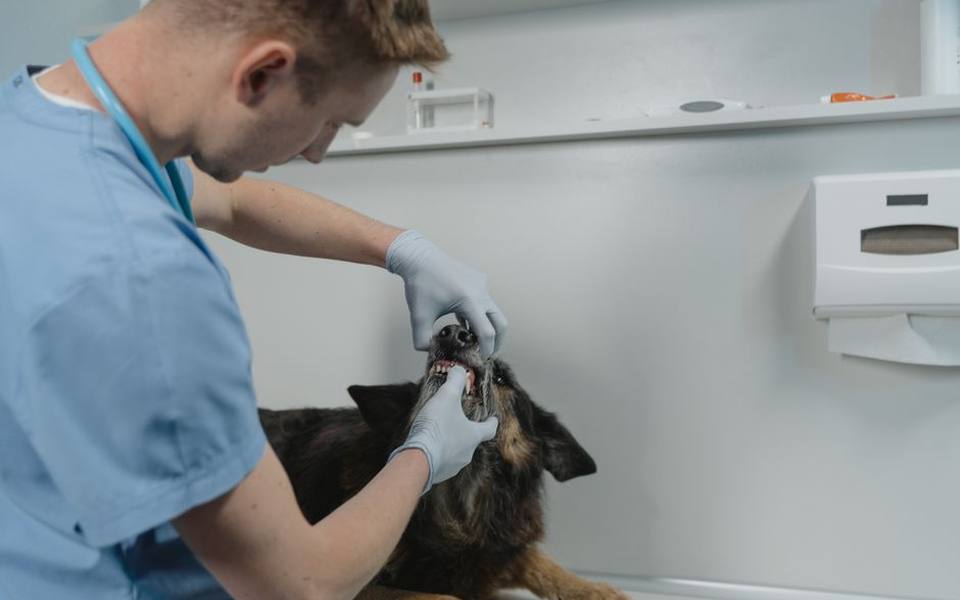
Dental floating is the mechanical smoothing and balancing of these sharp enamel ridges using hand rasps or motorized dental equipment. Most adult horses benefit from a thorough oral examination and routine float once every twelve months, though senior horses and juvenile horses shedding caps typically require biannual checkups. Sedation administered by a licensed veterinarian ensures the horse remains calm and still, allowing for a comprehensive view of the entire mouth using a full-mouth speculum.
Recognizing early signs of oral discomfort prevents secondary nutritional deficits and behavioral resistance under saddle. Horses suffering from dental abnormalities often drop partially chewed wads of hay (a behavior known as quidding), tilt their heads while eating grain, exhibit foul breath, or fight the contact of the bit. Incorporating regular oral checks into your annual healthcare routine preserves mastication efficiency and prevents weight loss, particularly as horses age.
Assembling Essential Grooming Supplies and Storage Gear
Daily grooming serves as an indispensable diagnostic window, allowing handlers to detect swelling, skin lesions, heat, or subtle tick bites before they worsen. A comprehensive collection of equine grooming supplies should include a flexible rubber curry comb for loosening deep dirt, a stiff-bristled dandy brush for sweeping away dander, and a soft body brush for delicate facial areas. A sturdy hoof pick with an attached stiff brush is mandatory for cleaning collateral grooves and inspecting the frog twice daily.
Keeping tools organized and hygienic prevents cross-contamination between stalls and ensures emergency items are readily accessible. Investing in a structured horse grooming bag or a durable multi-compartment equine grooming bag makes transporting brushes from the tack room to the cross-ties straightforward. High-denier nylon totes, such as a Horze grooming bag with breathable mesh bottoms, allow accumulated dust and hair to fall through rather than settling inside the pockets where bacteria and fungal spores thrive.
Routine maintenance of your grooming kit is just as important as the grooming ritual itself. Washing brushes every few weeks in warm water with a mild antibacterial soap removes accumulated skin oils, dirt, and shed coat hair. Never share brushes between unfamiliar horses without sanitizing them first, as communal grooming tools serve as primary vectors for spreading ringworm, rain rot, and parasitic skin mites throughout a stable.
Managing Coat Health, Conditioning, and Mane Tangles
A glossy, resilient coat reflects both internal systemic health and consistent topical management. Using quality equine grooming products helps maintain the horse's natural sebum, a protective lipid layer that shields the epidermis against environmental moisture and bacterial invasion. Excessive bathing with harsh, detergent-based shampoos strips this lipid shield, resulting in brittle hair follicles, dry flaking skin, and an increased susceptibility to topical infections.
Long manes and thick tails require specialized handling to prevent premature thinning and breakage. Applying a high-grade silicone or natural oil horse detangler lubricates the hair shaft, allowing fingers or a wide-toothed comb to separate stubborn burrs and knots without pulling strands out by the roots. Working from the bottom of the tail upward in small sections prevents friction damage and keeps tails full and functional for natural insect swatting.
Seasonal coat transitions also demand increased attention to promote shedding and prevent clogged sweat glands. During the spring shed, shedding blades, pumice stones, and specialized rubber mitts help lift dense undercoats without abrading sensitive skin. Ensuring the coat breathes easily is especially crucial for horses working in humid climates, where retained winter hair can lead to exercise-induced overheating.
Identifying and Treating Rain Rot on Horses
Rain rot, clinically known as dermatophilosis, is a common bacterial infection caused by the organism Dermatophilus congolensis. This organism behaves like both a bacterium and a fungus, lying dormant in the skin until prolonged moisture and tiny skin micro-traumas compromise the epidermal barrier. The condition manifests as raised, paint-brush-like scabs where clusters of hair clump together, leaving raw, sensitive, and occasionally weeping skin underneath when dislodged.
Treating rain rot on horses successfully requires a combination of gentle topical therapy and strict environmental control. The affected areas should be bathed with an antimicrobial or chlorhexidine wash, allowing the medicated lather to soak into the crusts for ten to fifteen minutes before rinsing. Never pick dry, stubborn scabs forcefully, as doing so causes intense pain and invites secondary staphylococcal infections; instead, allow the antibacterial wash to soften the scabs so they slide off naturally.
Environmental management is critical to permanently resolving the infection and preventing recurring bouts. Horses should be moved out of soggy pastures into dry paddocks or sheltered stalls during prolonged rainy periods. In pasture board stables, providing three-sided run-in sheds ensures grazing animals have access to dry ground. Never blanket a wet horse or place a contaminated turnout sheet over an active rain rot breakout, as moisture trapped beneath fabric creates an ideal bacterial incubator.
Chemical Fly Sprays and Seasonal Insect Defense
Warm weather brings an onslaught of stable flies, horn flies, deer flies, and biting midges (Culicoides), all of which cause intense physiological stress and transmit systemic pathogens. Insect bites can trigger severe hypersensitivity reactions, commonly known as sweet itch, leading horses to rub their manes, tails, and bellies raw against fence posts. Establishing a multi-layered defense strategy early in the spring protects horses from chronic discomfort and secondary skin trauma.
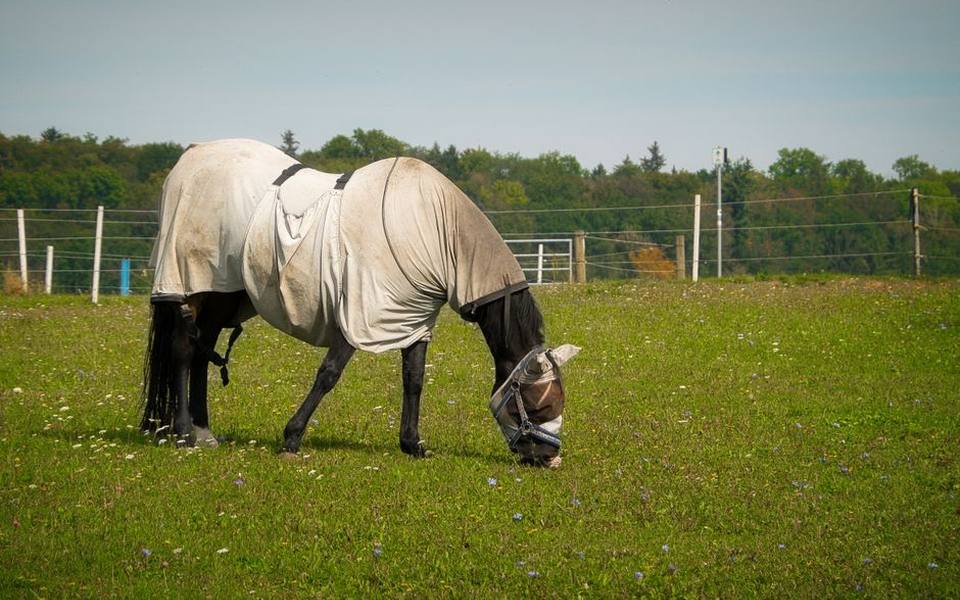
Conventional chemical repellents utilize synthetic pyrethroids, permethrin, and piperonyl butoxide to knock down and repel insects on contact. Heavy-duty commercial formulations, such as Ultra Shield fly spray and related weather-resistant sprays, are formulated to bond to the hair shaft and resist breakdown caused by sweat and rainfall. Applying these products to clean, dry coats before turnout helps establish an invisible shield against aggressive biting flies.
Chemical sprays perform best when combined with physical barriers like fine-mesh fly sheets, fly masks, and breathable leg boots. Fly masks protect sensitive eyes and ears from nuisance flies that feed on tear secretions and spread conjunctivitis. For horses stabled indoors during peak insect hours, overhead automated barn misting systems and perimeter premise sprays provide additional containment against stable flies resting on stall walls.
Natural Fly Control and Barn Sanitation Strategies
For horses with sensitive skin or owners seeking eco-friendly alternatives, natural fly spray for horses offers a gentle way to deter nuisance insects without synthetic chemicals. These formulations typically harness essential oils such as citronella, eucalyptus, cedarwood, lemongrass, clove, and peppermint suspended in a light mineral oil or water-based carrier. While effective, a natural equine fly spray generally requires more frequent application than chemical sprays because plant oils evaporate more rapidly under summer heat.
Relying solely on topical sprays rarely solves an insect infestation; comprehensive fly management begins with aggressive stable hygiene. Stable flies breed almost exclusively in decaying organic matter, wet straw, and spilled feed, while mosquitoes require standing water to complete their life cycle. Removing manure from stalls daily, cleaning up wet paddock corners, and stocking manure piles well away from living quarters disrupts the pest breeding cycle at its source.
Introducing biological controls, such as fly parasites (tiny non-stinging beneficial wasps that target fly pupae), significantly suppresses fly populations around barns. Releasing these micro-wasps monthly from early spring through autumn prevents larvae from developing into adult pests. Additionally, maintaining circulating barn fans inside aisles and stalls creates air currents that weak-flying insects like midges and mosquitoes cannot navigate.
Newborn Foal Care and Early Medical Milestones
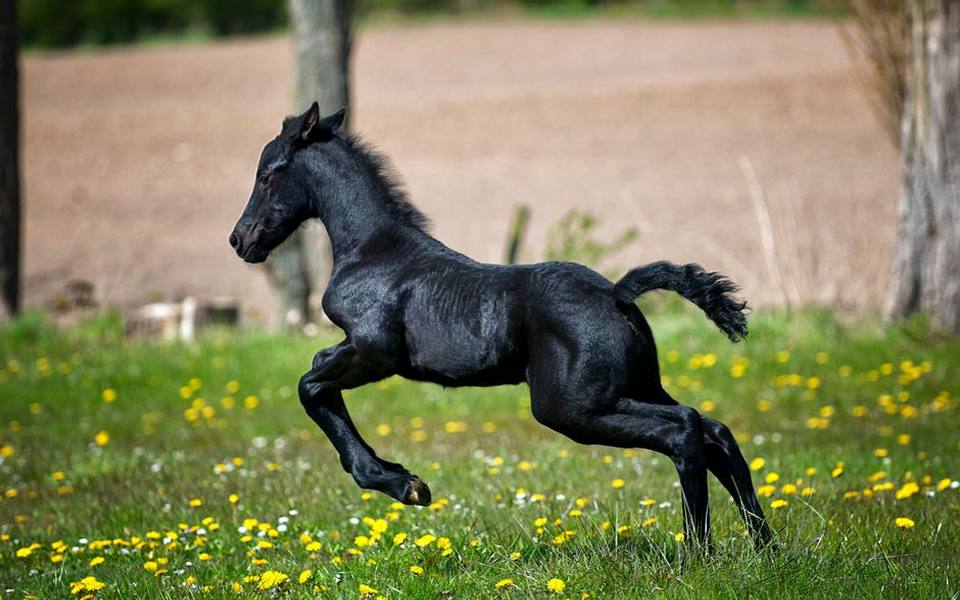
The first twenty-four hours of an equine life require vigilant monitoring to ensure the foal transitions safely to independent survival. Horsemen rely on the standard 1-2-3 rule: the foal should stand within one hour of birth, initiate active nursing within two hours, and the mare should pass the entire placenta within three hours. Retained placental tissue poses a life-threatening risk of uterine infection and endotoxemia for the broodmare, requiring prompt veterinary intervention if delayed.
Foals are born with virtually no circulating antibodies and depend entirely on consuming antibody-rich colostrum during the first twelve to twenty-four hours of life. A veterinarian should draw blood between eight and twenty-four hours post-foaling to perform an IgG antibody test, verifying adequate passive transfer of maternal immunity. If the IgG level falls below safe parameters, administering donor colostrum or intravenous equine plasma is vital to protect the newborn against life-threatening neonatal sepsis.
Routine foal care during the first week includes treating the umbilical stump with a dilute chlorhexidine solution several times daily until it dries down completely to prevent joint ill and systemic bacterial ingress. Administering an enema helps alleviate meconium impaction if the foal strains while attempting to pass its initial dark stool. Establishing early veterinary oversight ensures developmental orthopedic evaluations occur on schedule, addressing limb deviations while bones remain pliable.
Desensitizing Horses to Veterinary and Grooming Tools
A horse that stands quietly for physical exams, injections, and routine maintenance is safer to handle and experiences far less stress during medical procedures. Desensitizing horse behavior involves systematic desensitization and counter-conditioning, gradually pairing novel objects and sensations with relaxation and positive reinforcement. Rushing the process or forcing an anxious animal to endure overwhelming pressure often creates defensive reactions, such as rearing, kicking, or bolting.
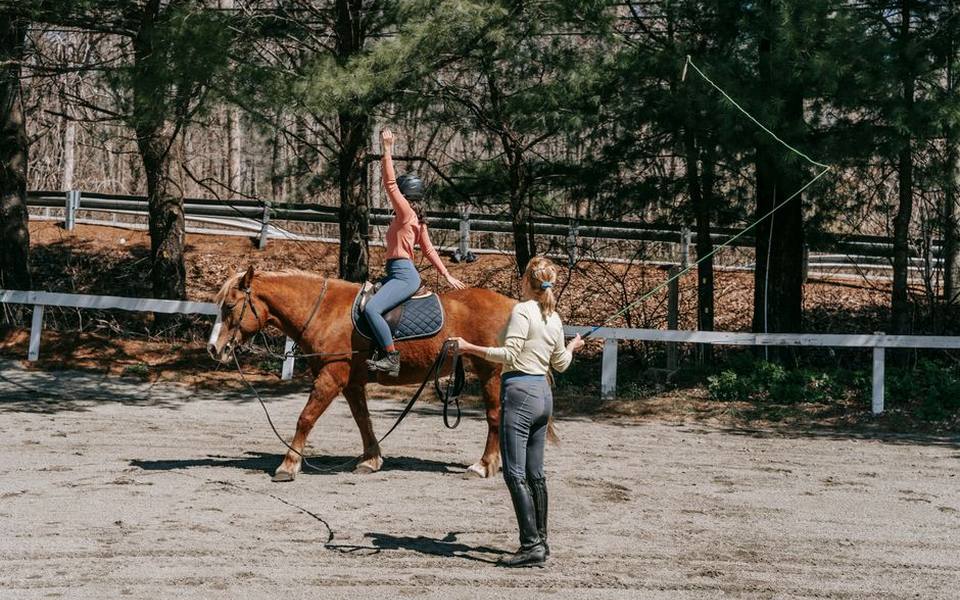
Begin acclimating young or sensitive horses to common healthcare sensations early in their groundwork education. Practice touching the animal all over its body, running fingers inside the lips, gently handling ears, lifting tails, and holding hooves securely. Simulating veterinary procedures—like pressing a blunt plastic syringe against the gum line or tapping the jugular groove—prepares the horse for oral dewormers and routine intravenous injections without triggering panic.
Introducing vibrating clippers, aerosol spray bottles, and crinkling medication wrappers should occur in calm, controlled environments like an indoor arena before high-stress situations arise. Spraying water onto legs from a distance or letting a horse investigate noisy clippers before placing them against the skin builds mental confidence. Working with professional trainers at reputable facilities specializing in horse training can resolve deep-rooted veterinary phobias safely.
Recognizing Emergencies and Equine First-Aid Readiness
Every equestrian must recognize baseline vital signs to quickly distinguish minor ailments from true veterinary emergencies. A normal adult horse at rest displays a temperature between 99.0 and 101.5 degrees Fahrenheit, a resting heart rate between 28 and 44 beats per minute, and a respiration rate of 8 to 16 breaths per minute. Mucous membranes along the gums should remain moist and healthy pink, with a capillary refill time under two seconds.
Colic, acute laminitis, esophageal obstruction (choke), and deep full-thickness lacerations represent true medical emergencies requiring immediate veterinary intervention. Colic signs range from pawing, flank-watching, and curling the upper lip to violent rolling and thrashing. If colic is suspected, remove all access to feed, monitor vital signs, and contact your veterinarian immediately rather than administering banamine or walking the horse to exhaustion without medical guidance.
A well-stocked barn first-aid kit should always remain accessible, clean, and stored in a temperature-stable tack room. Crucial supplies include non-adherent wound dressings, cohesive elastic bandages, roll cotton, antiseptic wound flushes, digital thermometers, a stethoscope, and clean utility scissors. Maintaining an organized kit and displaying your primary veterinarian's and local referral hospital's emergency contacts ensures decisive action during urgent situations.
Published 2026-09-20 · reviewed with each rebuild, last September 2026.
Find boarding stables near you
The directory lists 16,945 boarding stables by state and city — pick your state or use the “Near me” button in the header.
More guides
-
 Money
MoneyUnderstanding Monthly Horse Boarding Expenses and Stable Fees
-
 Owning
Understanding Friesian Horse Ownership: Traits, Costs, and Daily Care
-
 Owning
Understanding Riding Disciplines, Essential Tack, and the True Costs of Horse Ownership
-
 Money
MoneyUnderstanding the Costs of Getting Started in the Saddle
-
 Buying
Understanding Initial Horse Purchase Prices by Breed, Size, and Training
-
 Service
The Career Path of a Farrier: Education, Training, and Timeline
-
Owning
Choosing Between Alfalfa and Orchard Grass Hay for Horses
-
 Money
MoneyEssential Horse Ownership Expenses: Leasing, Insurance, and Maintenance
-
 Owning
Complete Guide to Cattle Breeds: Dairy vs Beef Cow Selection and Care
-
 Buying
Horse Buying Guide: Breed Selection, Market Prices, and Classifieds
-
 Owning
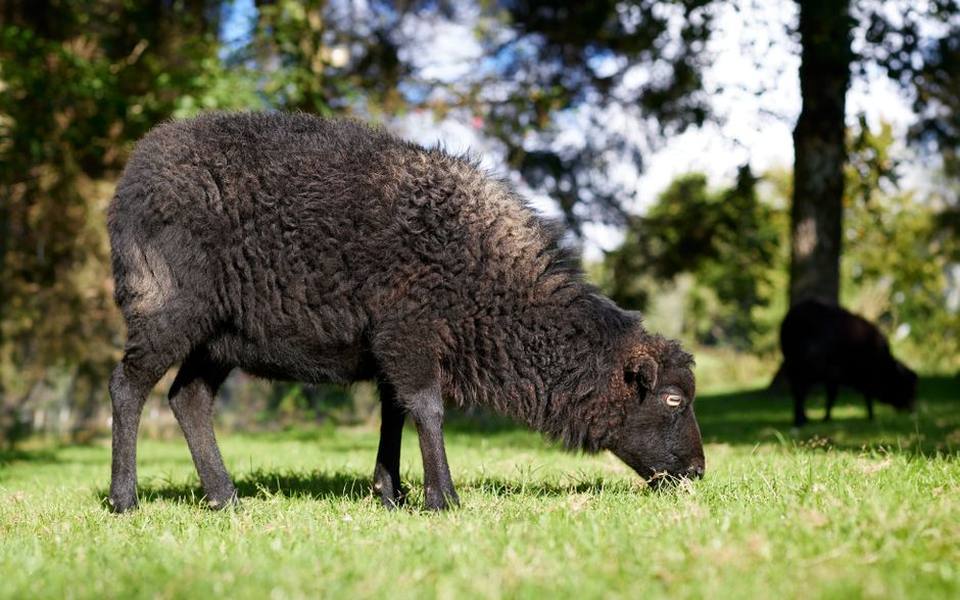
Small Farm Livestock Breeding: Goats, Sheep, Pigs, and Poultry
-
 Buying
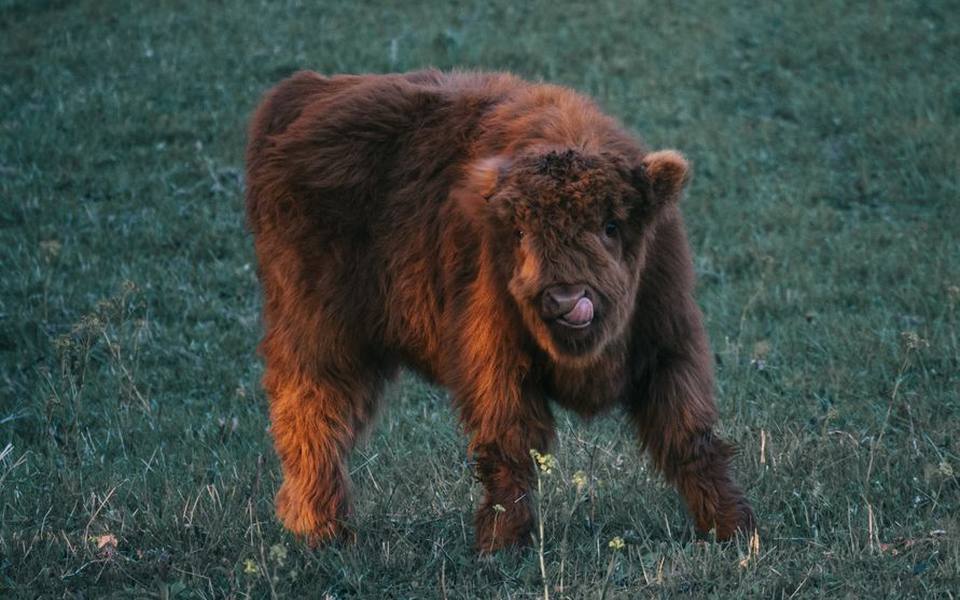
Miniature Livestock Guide: Mini Cattle, Ponies, and Pocket Equines
-
 Owning
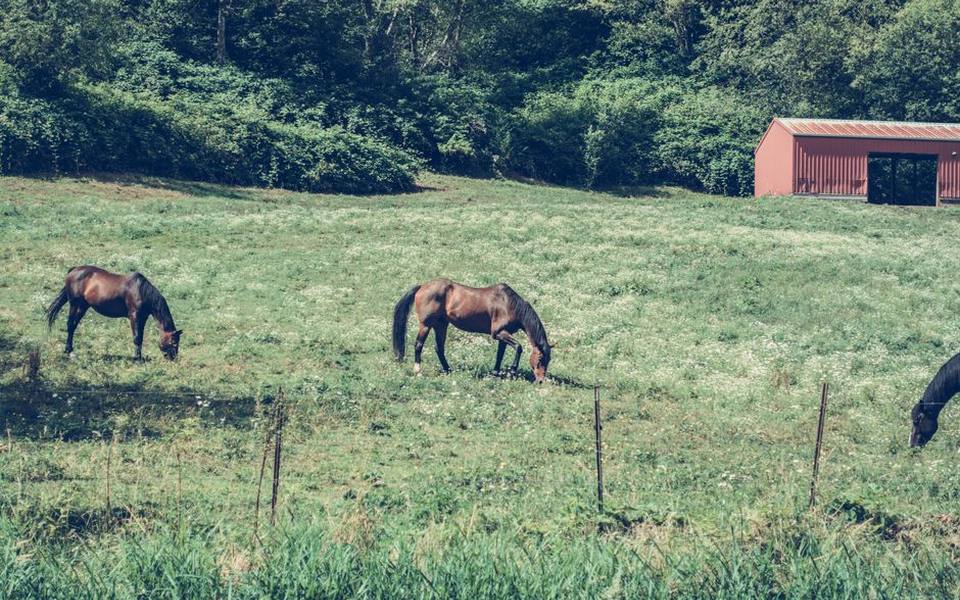
The Complete Guide to Horse Boarding, Stables, and Facilities
-
 Owning
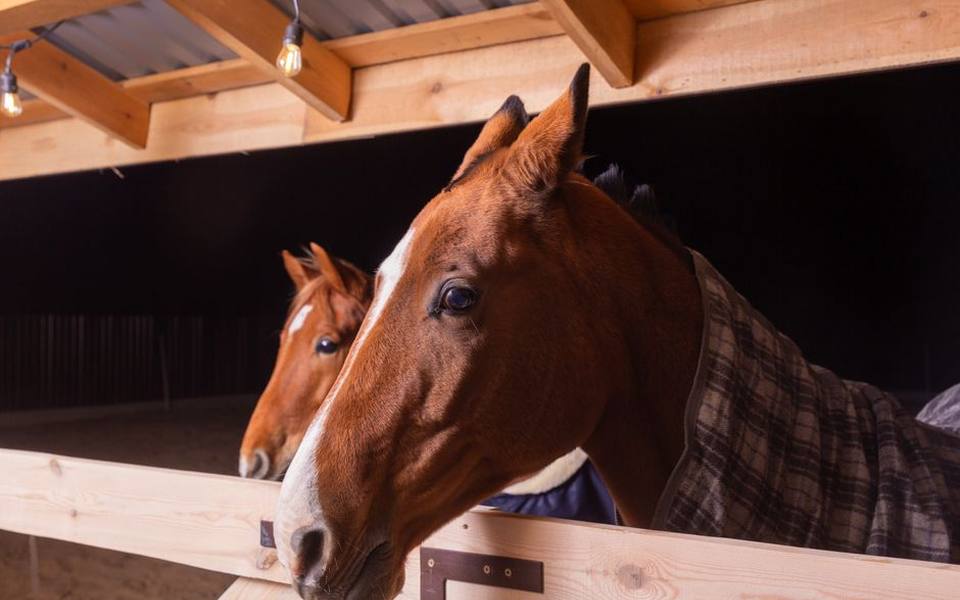
Rubber Stall Mats and Horse Stall Flooring: A Complete Guide
-
 Buying
Guide to Horse Breeds, Breeders, and Equine Artificial Insemination
-
 Buying
Equestrian Riding Boots Buyer's Guide: Western and English Footwear
-
 Owning
Equine Health Care: Colic Signs, Deworming Charts, and Joint Supplements
-
 Owning
Complete Guide to Equine Fly Control: Sprays, Repellents, and Fly Sheets
-
 Safety
Equine Riding Helmets: Sizing, Safety Standards, and Selection Guide
-
 Service
Beach Horseback Riding and Trail Riding Tours Guide
-
 Service
Equine Training Fundamentals: Groundwork, Lunging Techniques, and Equestrian Vaulting
-
 Service
Equine-Assisted Therapy and Psychotherapy: A Practical Guide to Methods, Benefits, and Programs
-
 Buying
A Complete Guide to Buying a Horse: Breeds, Equine Sales, and Insurance
-
 Owning
Complete Guide to Horse Hoof Care, Farrier Services, and Hoof Boots
-
 Owning
A Complete Guide to Horse Grooming, Sheath Cleaning, Massage, and Routine Wellness
-
 Owning
Horse Barn Setup, Stall Infrastructure, Arenas, and Facility Equipment
-
 Buying
Beef and Dairy Cattle Breeds: Buyer's Guide, Traits, and Livestock Care
-
 Owning
Homestead Livestock Guide: Raising Sheep, Goats, Pigs, and Poultry
-
 Service
Equine Dentistry Guide: Floating Teeth, Routine Care, and Choosing a Practitioner
-
 Owning
Equine Saddles and Tack Care: Selection, Fit, Cleaning, and Room Setup
-
 Owning
Horse Blankets and Sheet Guide: Fit, Turnout Types, and Fly Protection
-
 Safety
Equestrian Riding Apparel and Gear: Helmets, Boots, and Show Attire
-
 Owning
Equestrian Gift Guide: Practical and Thoughtful Presents for Horse Lovers and Riders
-
 Service
Horse Transportation Guide: Hauling Services, Trailer Rentals, and Layover Stables
-
 Owning
Designing and Managing a Boarding Stable: Facility Planning, Barn Construction, and Daily Operations
-
 Service
Beginner Equestrian Camps and Riding Programs: How to Choose the Right Barn
-
 Safety
A Complete Guide to Western Riding Helmets, Barn Footwear, Halters, and Hoof Gear
-
 Service
Guided Horseback Riding Tours & Vacation Stables Guide
-
 Buying
Buying and Selling Horses: Sales Auctions & Breed Marketplaces