The Unique Biology of the Equine Mouth
A horse possesses hypsodont teeth, meaning the teeth have tall crowns that continuously erupt from the jawline throughout the animal's lifetime. Unlike human teeth, which remain a fixed size once mature, equine molars and incisors slowly emerge at a rate of approximately two to three millimeters per year. This gradual eruption balances the relentless abrasive action of grinding coarse forage, stems, and grains. In a natural environment, constant grazing on silica-rich grasses wears the occlusal surfaces down at roughly the same pace as they emerge.
Domestic management and specialized feeding routines inevitably alter this natural balance. Modern horses consume softer harvested hays, pelleted feeds, and concentrates that require less chewing effort than wild forage. Because the horse's upper jaw is naturally wider than the lower jaw—a physiological condition known as anisognathism—the chewing stroke forms an angled grinding arc rather than a flat, vertical bite. Over time, the outer edges of the upper molars and the inner edges of the lower molars receive less abrasive contact.
When certain sections of the teeth miss contact with opposing dental structures, sharp enamel ridges quickly develop. Without systematic intervention, these microscopic ridges turn into razor-sharp enamel points that dig into the delicate buccal mucosa of the cheeks and the sides of the tongue. Maintaining proper alignment through balanced rasping is not simply a cosmetic matter; it protects the horse from persistent soft tissue ulceration, chronic pain, and systemic nutritional deficits.
Understanding this biological reality helps owners appreciate that dental care is an ongoing medical necessity rather than an occasional emergency fix. As long as a horse eats, its teeth will wear, and because the grinding surface is inherently uneven, regular professional assessment remains the only reliable way to catch structural imbalances before they create serious oral pathology.
Why Horses Require Routine Tooth Floating
The primary procedure in equine oral maintenance is known as floating, a term derived from masonry and carpentry that refers to smoothing, leveling, or finishing a surface. In the context of horse management, floating describes the mechanical filing down of sharp enamel points, smoothing uneven hooks and ramps, and restoring a comfortable chewing plane across the cheek teeth. Without periodic smoothing, enamel projections can easily slice into cheek tissues during basic chewing or under the pressure of a bridle.
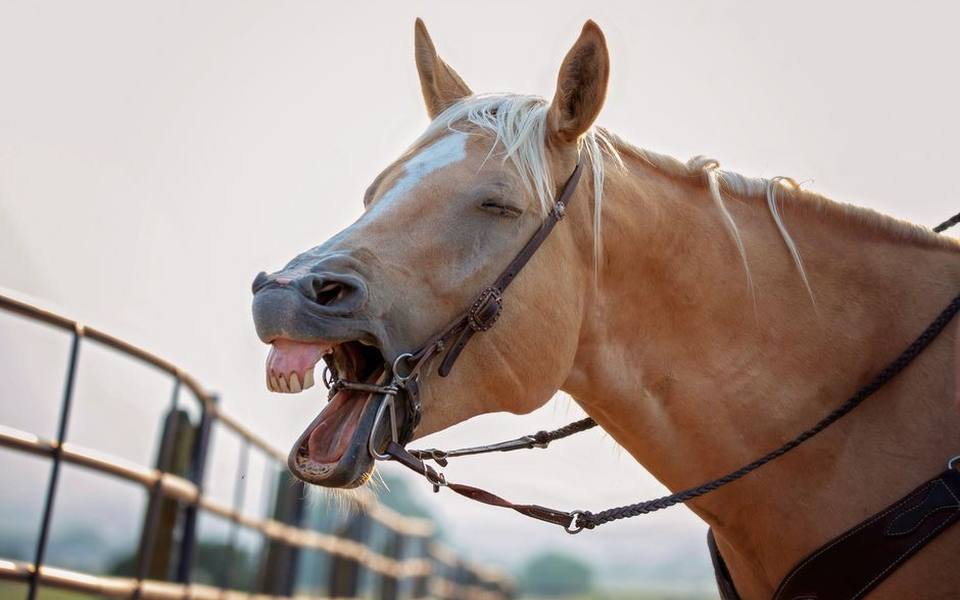
When enamel points remain unchecked, a horse instinctively adjusts its jaw movement to avoid striking the painful ulcers inside its cheeks. This altered chewing motion prevents the horse from fully crushing fiber into manageable particle sizes, leading to poor digestion and an increased risk of impaction colic. In severe cases, large hooks on the first upper cheek teeth or the last lower molars can lock the jaw, severely restricting natural lateral movement and putting immense pressure on the temporomandibular joint.
Routine smoothing also preserves the longevity of the teeth themselves. If tall teeth meet shorter opposing teeth, uneven pressures can crack the dental crown or force the opposing tooth below the gumline. Regular maintenance prevents premature loss of dentition, which is especially critical as horses enter their senior years and face finite reserves of reserve crown within the jaw bone.
Owners assessing a prospect through listings for horses for sale should always request complete dental records, as neglected oral maintenance can take months or years of corrective sessions to resolve and may hide underlying chronic weight problems or behavioral resistance.
Manual Hand Rasps Versus Motorized Instruments
Equine dental procedures typically utilize either traditional hand rasps or motorized rotary instruments, often referred to as power floats. Hand rasps consist of solid steel shafts equipped with interchangeable tungsten carbide blades of varying angles and shapes. Experienced practitioners use these manual instruments to work through the mouth using physical leverage, allowing for subtle tactile feedback as the blade glides over ridges, hooks, and smooth dentin surfaces.
Motorized instruments rely on battery or electrical power to drive rotating discs or carbide burrs at high speeds. These tools allow the operator to reduce large hooks, smooth sharp caudal molars, and shape teeth in tight anatomical quarters without exerting exhausting physical force. In skilled hands, power tools dramatically shorten the duration of the procedure, reducing the time a horse must stand with its mouth held open under mechanical restraint.
However, motorized instruments carry distinct operational risks if handled without rigorous formal training. Power equipment can generate excessive thermal friction, which can overheat the internal pulp chamber of the tooth in a matter of seconds, leading to pulp necrosis and eventual tooth death. Furthermore, aggressive use of power equipment can inadvertently remove excessive amounts of occlusal surface, destroying the rough masticatory ridges that the horse desperately needs to grind fibrous hay effectively.
Many seasoned professionals use a hybrid approach, applying power tools to address substantial structural abnormalities or hard-to-reach rear molars, while finishing delicate balance work with hand rasps. The choice of equipment matters far less than the practitioner's understanding of dental anatomy and their conservative approach to preserving healthy tooth structure.
Signs Your Horse Needs an Immediate Dental Evaluation
Horses are prey animals wired to mask pain, which means severe oral discomfort often manifests in subtle behavioral shifts before gross physical deterioration becomes obvious. One classic symptom is quidding, where the horse chews mouthfuls of hay or grass into wet, cigar-shaped wads and spits them onto the stall floor instead of swallowing. This behavior occurs because the horse cannot grind the tough fiber between its molars without driving sharp points into sensitive cheek tissue.
Ridden behavior often deteriorates rapidly when dental problems emerge. A horse coping with oral pain may toss its head, lean heavily against one side of the bit, refuse contact, open its mouth excessively while being reined, or rear when asked to collect. Riders frequently misinterpret these reactions as training resistance or sourness, when the horse is simply trying to escape the pressure of a metal bit pressing soft tissue into sharp enamel points.
Physical indicators outside of riding sessions provide additional clues. Chronic weight loss despite an adequate feed ration, whole undigested grain kernels appearing consistently in manure, and slow, hesitant eating patterns all suggest chewing inefficiency. Foul breath, unilateral nasal discharge containing mucus or feed matter, or swelling along the lower jawbone can signal deep-seated infections, fractured molars, or sinus involvement that requires urgent veterinary care.
If your horse begins showing resistance during groundwork or under saddle, consult with your instructor or review your program at horse training facilities before assuming the issue is strictly behavioral, as a routine dental exam frequently uncovers the physical root of the problem.
Understanding Professional Credentials and Regulations
The legal and regulatory framework governing equine dental care varies dramatically across the United States. In most states, the practice of equine dentistry is legally classified as veterinary medicine. Under these strict veterinary practice acts, only a licensed veterinarian may legally diagnose oral disease, extract teeth, prescribe sedatives, or perform floating procedures, though some jurisdictions allow non-veterinary technicians to float teeth under direct or indirect veterinary supervision.
A few states permit independent non-veterinary dental technicians, commonly called lay dentists, to operate without a veterinarian present, provided they hold recognized private certifications or meet state-mandated apprentice requirements. However, lay practitioners cannot legally purchase, administer, or carry prescription sedatives, pain relievers, or antibiotics. When a horse requires sedation to safely tolerate an examination or procedure, a non-vet practitioner must arrange for an attending veterinarian to administer the drugs.
When choosing who to trust with your horse's mouth, understanding these legal distinctions is critical for both safety and liability. Licensed veterinarians carry professional malpractice insurance and possess extensive medical education covering total systemic physiology, pharmacology, and cranial anatomy. Veterinary specialists certified by the American Veterinary Dental College represent the highest tier of training, possessing deep clinical expertise in complex extractions, periodontics, and maxillofacial surgery.
Before scheduling an appointment, ask prospective providers about their formal education, state licensure, and how emergencies or complications will be handled. A reputable practitioner will willingly explain their credentials and verify that their operating practices fully comply with the veterinary medical board regulations in your state.
The Reality of Equine Dentistry Schools and Training
Prospective equine dental technicians often attend private vocational institutions dedicated solely to horse oral anatomy and floating techniques. These private equine dentistry schools offer programs ranging from several weeks of intensive hands-on clinical work to multi-month modular certifications. Students in these programs study cranial morphology, dental anatomy, pathology identification, balance theory, and the safe handling of both manual and power instruments.
While reputable private institutions provide rigorous practical instruction on large numbers of cadaver skulls and live horses, their certificates do not grant a veterinary medical license. Graduates must navigate the specific laws of the state where they plan to practice. In regions with strict practice acts, non-veterinary graduates typically work as employed staff members within established equine veterinary clinics, providing skilled technical labor under the direct oversight of a licensed veterinarian.
Conversely, veterinarians receive fundamental dental education during their core four-year veterinary school curriculum, but the depth of hands-on dental training can vary significantly between universities. Dedicated equine veterinarians pursue voluntary continuing education seminars, wet labs, and specialized internships through organizations such as the American Association of Equine Practitioners to hone their floating and surgical skills.
Whether you hire a general equine veterinarian who prioritizes dental continuing education or an independent technician working alongside a local vet, ensure that the individual understands conservative dentistry. The goal of floating is never to create a perfectly flat, human-like tooth surface, but rather to remove painful points while leaving the rough enamel intact for functional grinding.
Dental Care Timelines Across the Horse's Life
Dental care requirements evolve continuously as a horse transitions from a foal into old age. Young horses between birth and five years old experience dramatic structural changes in the mouth, shedding twenty-four deciduous teeth (often called caps) while thirty-six to forty-four permanent teeth erupt into position. During this high-turnover phase, young horses should undergo thorough oral exams every six months to detect retained caps, misalignments, or painful eruption cysts.
Between the ages of five and fifteen, the adult mouth generally stabilizes, though the teeth continue their steady eruption and daily wear. For the typical adult horse, an annual dental examination and maintenance float is standard practice. If the horse has conformational anomalies, such as an overbite (parrot mouth) or underbite (sow mouth), semi-annual checkups may be required to prevent extreme hook formation on the terminal ends of the arcades.
As horses enter their late teens and twenties, dental management shifts focus entirely from routine floating to careful maintenance, comfort, and periodontal disease prevention. Older horses possess shorter reserve crowns, and excessive rasping can prematurely exhaust whatever usable tooth structure remains. In geriatric horses, practitioners concentrate on identifying loose teeth, treating infected gingival pockets where feed packs into widening interdental spaces, and gently smoothing sharp edges without lowering crowns.
Geriatric horses housed at pasture board facilities require watchful oversight, as an older horse with failing dentition may slowly starve while surrounded by green grass if it can no longer grind tough plant stems into digestible particles.
What to Expect During a Professional Dental Visit
A proper equine dental appointment involves much more than quickly inserting a rasp into the corner of a horse's mouth. The visit should begin with a thorough external physical assessment. The practitioner will palpate the horse's temporomandibular joint, feel along the external borders of the jaw for bony asymmetry or sensitivity, inspect the incisors for proper bite alignment, and check the breath for signs of deep tissue infection.
In nearly all modern clinical situations, light intravenous sedation is administered by a veterinarian to ensure safety, calm the horse, and thoroughly relax the strong masseter jaw muscles. Sedation allows the practitioner to perform a comprehensive, stress-free evaluation without fighting the horse's natural defensive reflexes. Once sedated, a full-mouth speculum is positioned between the incisors to hold the jaws safely apart.
The practitioner uses a strong specialized headlamp, dental mirrors, or an oral endoscope along with water flushes to inspect every single tooth, the gingival margins, the hard palate, and the tongue. Only after a comprehensive visual and tactile assessment is complete will the practitioner begin using rasps or power instruments to correct points, hooks, or balance discrepancies.
The procedure typically concludes with a thorough rinse of the oral cavity and another detailed tactile check. After the speculum is removed, the horse must remain in a quiet, hazard-free stall with all hay and feed removed until the sedation has completely worn off to avoid the danger of choke or injury.
Typical Costs and Budgeting for Dental Procedures
Budgeting for equine dental care requires accounting for several distinct service components rather than a single flat fee. A standard routine dental float typically ranges between one hundred and two hundred and fifty dollars, depending on the region, the complexity of the case, and the practitioner's credentials. However, the procedure almost always incurs additional charges that must be factored into your total expense.
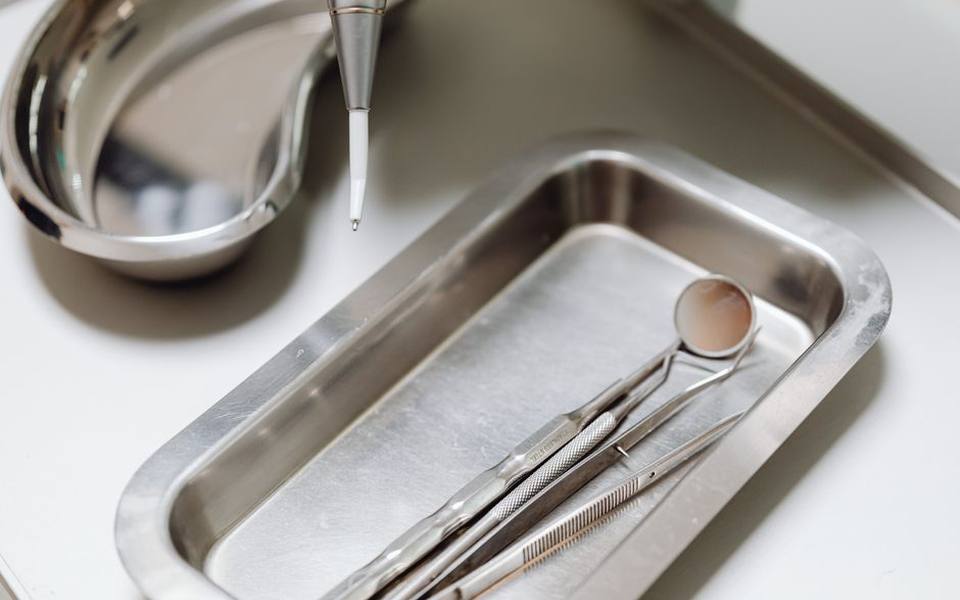
Sedation costs generally add an additional forty to eighty dollars, depending on the horse's size and temperament, as larger or more nervous animals require higher dosages to remain safely relaxed. Most mobile practitioners also charge a trip or farm call fee, which is often split among several horse owners if an entire barn coordinates appointments on the same day.
Advanced corrective procedures or minor surgeries will elevate total costs. For example, extracting wolf teeth—small, vestigial premolars that often interfere with the bit in young horses—typically adds fifty to one hundred and fifty dollars per tooth, plus local nerve blocks. Complex molar extractions, radiographic imaging of the skull, or treatments for deep periodontal pockets can easily escalate an appointment into several hundred or even thousands of dollars.
Because routine oral health directly protects your horse from expensive emergency interventions like choke, colic, and systemic wasting, allocating funds for an annual dental checkup is one of the most cost-effective investments an owner can make within their overall horse care budget.
Managing Nutrition for Horses with Dental Limitations
When horses experience significant dental wear, missing molars, or advanced age-related changes (such as wave mouth or smooth mouth), their standard diet must be altered to match their mechanical chewing capacity. Horses that can no longer grind long-stem fiber cannot safely consume standard baled hay, as swallowed coarse stems can easily obstruct the esophagus or trigger severe impaction colic.
The cornerstone of feeding a horse with compromised dentition is chopped, processed, or soaked forage. Chopped forage (chaff), hay cubes, and hay pellets can be soaked in warm water to form a soft, palatable slurry that requires minimal chewing. High-fat, high-fiber commercial senior feeds are specifically formulated to melt into a fine mash within minutes of adding water, delivering complete nutrition and digestible roughage without relying on functional molars.
Pasture access must also be managed carefully. A horse with poor dentition may graze happily for hours, but a close examination of its manure will reveal long, unchewed blades of grass that pass through the digestive tract undigested, robbing the horse of essential calories. Providing dedicated feeding times where the horse can slowly consume its soaked mashes without competition from herdmates is essential for maintaining body condition.
High-quality horse boarding facilities frequently offer customized senior feeding programs tailored to horses requiring multiple daily soaked mashes, providing a safe and supportive environment for animals whose chewing days are behind them.
Published 2026-09-20 · reviewed with each rebuild, last September 2026.
Find boarding stables near you
The directory lists 16,945 boarding stables by state and city — pick your state or use the “Near me” button in the header.
More guides
-
 Money
MoneyUnderstanding Monthly Horse Boarding Expenses and Stable Fees
-
 Owning
Understanding Friesian Horse Ownership: Traits, Costs, and Daily Care
-
 Owning
Understanding Riding Disciplines, Essential Tack, and the True Costs of Horse Ownership
-
 Money
MoneyUnderstanding the Costs of Getting Started in the Saddle
-
 Buying
Understanding Initial Horse Purchase Prices by Breed, Size, and Training
-
 Service
The Career Path of a Farrier: Education, Training, and Timeline
-
Owning
Choosing Between Alfalfa and Orchard Grass Hay for Horses
-
 Money
MoneyEssential Horse Ownership Expenses: Leasing, Insurance, and Maintenance
-
 Owning
Complete Guide to Cattle Breeds: Dairy vs Beef Cow Selection and Care
-
 Buying
Horse Buying Guide: Breed Selection, Market Prices, and Classifieds
-
 Owning
Small Farm Livestock Breeding: Goats, Sheep, Pigs, and Poultry
-
 Buying
Miniature Livestock Guide: Mini Cattle, Ponies, and Pocket Equines
-
 Owning
The Complete Guide to Horse Boarding, Stables, and Facilities
-
 Owning
Rubber Stall Mats and Horse Stall Flooring: A Complete Guide
-
 Buying
Guide to Horse Breeds, Breeders, and Equine Artificial Insemination
-
 Buying
Equestrian Riding Boots Buyer's Guide: Western and English Footwear
-
 Owning
Equine Health Care: Colic Signs, Deworming Charts, and Joint Supplements
-
 Owning
Complete Guide to Equine Fly Control: Sprays, Repellents, and Fly Sheets
-
 Safety
Equine Riding Helmets: Sizing, Safety Standards, and Selection Guide
-
 Service
Beach Horseback Riding and Trail Riding Tours Guide
-
 Service
Equine Training Fundamentals: Groundwork, Lunging Techniques, and Equestrian Vaulting
-
 Service
Equine-Assisted Therapy and Psychotherapy: A Practical Guide to Methods, Benefits, and Programs
-
 Buying
A Complete Guide to Buying a Horse: Breeds, Equine Sales, and Insurance
-
 Owning
Complete Guide to Horse Hoof Care, Farrier Services, and Hoof Boots
-
 Owning
A Complete Guide to Horse Grooming, Sheath Cleaning, Massage, and Routine Wellness
-
 Owning
Horse Barn Setup, Stall Infrastructure, Arenas, and Facility Equipment
-
 Buying
Beef and Dairy Cattle Breeds: Buyer's Guide, Traits, and Livestock Care
-
 Owning
Homestead Livestock Guide: Raising Sheep, Goats, Pigs, and Poultry
-
 Owning
Equine Saddles and Tack Care: Selection, Fit, Cleaning, and Room Setup
-
 Owning
Horse Blankets and Sheet Guide: Fit, Turnout Types, and Fly Protection
-
 Safety
Equestrian Riding Apparel and Gear: Helmets, Boots, and Show Attire
-
 Owning
Equestrian Gift Guide: Practical and Thoughtful Presents for Horse Lovers and Riders
-
 Service
Horse Transportation Guide: Hauling Services, Trailer Rentals, and Layover Stables
-
 Owning
Designing and Managing a Boarding Stable: Facility Planning, Barn Construction, and Daily Operations
-
 Owning
Horse Health Care, Fly Control, and Preventative Vet Schedules
-
 Service
Beginner Equestrian Camps and Riding Programs: How to Choose the Right Barn
-
 Safety
A Complete Guide to Western Riding Helmets, Barn Footwear, Halters, and Hoof Gear
-
 Service
Guided Horseback Riding Tours & Vacation Stables Guide
-
 Buying
Buying and Selling Horses: Sales Auctions & Breed Marketplaces