What to Expect When Booking a Coastal Horseback Outing
Booking an excursion to ride down a coastline is one of the most memorable equestrian adventures, but it operates under very different conditions than a standard arena or farm ride. Coastal environments introduce unique elements such as crashing waves, unpredictable ocean winds, shorebirds, and shifting footing. Commercial operations carefully match horses to riders based on weight, height, and declared riding experience. First-time participants are typically briefed on basic steering and stopping cues before heading onto the sand in a guided line.
Most coastal trail rides operate primarily at a walk, particularly when accommodating mixed-skill groups. Sand places distinct physical demands on equine muscles and tendons. Trotting or cantering on unfamiliar sand can cause an animal to slip if the footing transitions abruptly from hard-packed tidal flats to loose, powdery dunes. Outfits catering to vacationers emphasize safety and coastal scenery over speed. If you hope for a faster ride through the surf, you will typically need to seek out specialized private bookings that evaluate rider competency in advance.
The duration of these ocean rides typically ranges between one and two hours, which is ideal for casual riders who may not spend regular time in the saddle. Extended saddle time on unfamiliar tack can quickly cause muscle fatigue or stiffness for novices. Before finalizing any booking, reputable stables will ask for your approximate weight and physical mobility level. Adhering to these guidelines ensures both rider comfort and the long-term musculoskeletal health of the herd.
How Horses Handle the Ocean Surf and Shifting Sand
A dependable beach horse requires a very specific temperament and patient desensitization training. To a flight animal, the ocean represents an unusual sensory puzzle: the shoreline moves continuously, breaking waves generate rhythmic noise, and sea foam washing over hooves can feel unfamiliar. Well-trained coastal mounts have spent months getting accustomed to these marine sights and sounds. They learn to trust their guides, remaining calm even when an unexpected wave surges around their fetlocks or gulls take flight nearby.
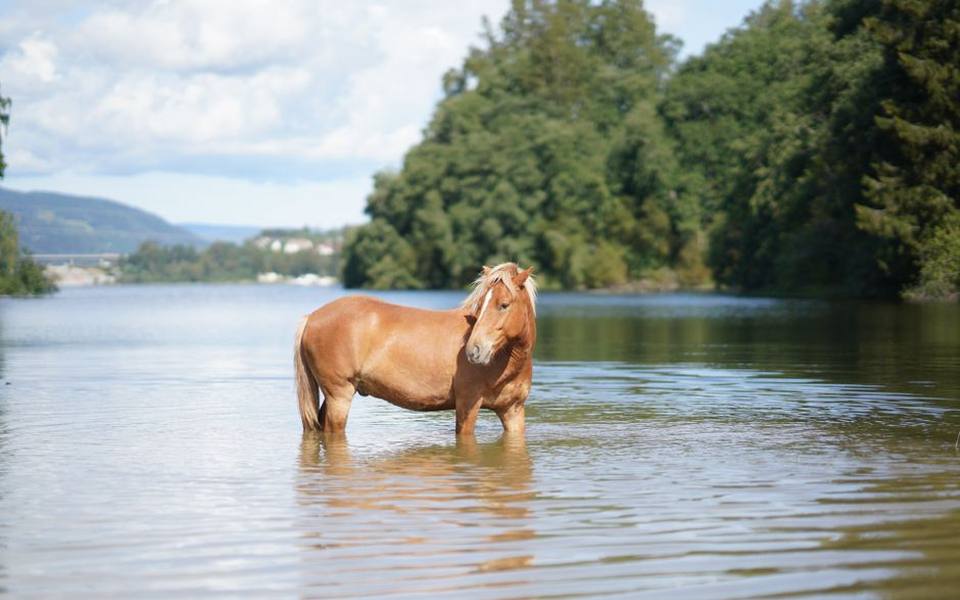
Footing along the coastline changes dramatically within just a few yards. Hard-packed sand near the low-tide line offers firm support, allowing horses to walk with a confident, rhythmic stride. Conversely, the deep, dry sand found further up near coastal dunes requires substantial effort, working the horse's hindquarters and hocks far harder than flat pasture soil. Many outfitters keep their strings in conditioning programs or connect with boarding stables with trail access so the animals maintain balanced fitness across varied terrain.
Saltwater exposure also requires attentive post-ride care from barn staff. Dried salt can quickly irritate sensitive skin, especially beneath the saddle pad, girth, and lower legs where sand rubs against the coat. Reputable trail operations thoroughly hose down every animal after each coastal tour, rinsing out the legs, belly, and hooves before turning the horses out to rest. Without careful grooming and hoof care, coastal sand and salty humidity can cause skin chafing or brittle hooves over extended periods.
Gulf Coast Riding and Padre Island Routes Near Corpus Christi
The Gulf Coast offers some of the most expansive and accessible stretches of shoreline for equestrian tourism in the country. Barrier island beaches around Corpus Christi and North Padre Island are known for broad, flat sandy shores that stretch for miles without rocky bluffs or sharp drop-offs. These wide stretches provide gentle surf conditions and consistent onshore breezes, making them an approachable introduction for riders who want to experience the shoreline without navigating steep topography.
If you plan a trip to ride horses on the beach around Corpus Christi, timing your visit according to seasonal temperatures is essential. Midsummer in South Texas brings intense heat, high humidity, and direct solar exposure with virtually no shade along coastal dunes. Many local operators schedule their trail excursions exclusively during early mornings or late afternoons near dusk to protect both riders and horses from heat stress. Visiting during shoulder months, from October through April, typically provides comfortable coastal riding conditions.
Travelers who haul their own mounts to the Gulf Coast often seek overnight boarding stables in Texas that offer layover stalls and trailer parking near public access corridors. While public beaches along Padre Island often permit private horses, riders must follow strict local regulations, including designated parking for horse trailers, mandatory cleanup rules, and staying off protected sea turtle nesting areas and fragile dune systems. Checking county ordinances ahead of time prevents unexpected issues during your coastal trip.
Atlantic Coast Outings and Scenic Spots Near Myrtle Beach
The Atlantic coast presents a diverse landscape of tidal flats, maritime forests, and popular resort towns where horseback riding is closely regulated. In hubs like Myrtle Beach, South Carolina, beach horseback riding is a cherished seasonal activity shaped by municipal ordinances. During the peak summer tourist season, horses are generally barred from public resort beaches to prevent conflicts with sunbathers and protect crowded shorelines. Instead, the riding window along the open shore typically runs through the cooler winter and early spring months.
During the summer months, outfitters operating near Myrtle Beach and neighboring coastal communities often redirect their tours to nearby maritime nature preserves, cypress swamps, and woodland trails. These inland pathways feature sandy soil under dense oak canopies draped in moss, providing shelter from the blistering summer sun. Riders still enjoy the coastal environment and local ecology, but without the heat stress and tight regulatory restrictions found right at the water's edge during peak vacation weeks.
For those planning a winter beach ride along the Grand Strand, booking well in advance is recommended. Because the window for beach access is limited to specific dates and daily low-tide cycles, outfitters fill their tour rosters quickly with visitors escaping colder northern climates. Outfits along the Atlantic coast maintain strict horse-to-rider ratios to navigate recreational beach traffic safely, ensuring that even hesitant riders feel secure as they traverse the shoreline against the backdrop of the winter ocean.
Multi-Day Equestrian Tours and Wilderness Trail Packages
Beyond simple one-hour beach outings, comprehensive horseback riding trips and guided equestrian tours offer an immersive way to explore backcountry landscapes. These multi-day excursions take riders deep into national forests, mountain ranges, and desert canyons that remain inaccessible to standard vehicles. Rather than returning to a barn at the end of the afternoon, guests travel from camp to camp or follow hub-and-spoke routes originating from a central wilderness lodge, experiencing traditional horsemanship and quiet natural surroundings away from modern distractions.
Booking a multi-day horse riding tour requires an honest assessment of your physical stamina and riding proficiency. Spending five to seven consecutive hours in the saddle over rocky, uneven, or steeply graded mountain trails tests core muscles that average gym workouts rarely target. If you are out of practice, taking a series of structured horse riding lessons before embarking on a weeklong trek will build seat stability, leg strength, and rein awareness, dramatically improving your endurance and overall comfort during long days on the trail.
Outfitted riding tours typically supply the horses, western or endurance saddles, meal preparation, and pack stock to transport heavy gear. The outfitter's string consists of seasoned trail horses selected for surefootedness, calm demeanor, and social harmony within a working herd. Guides handle the complex logistical chores, including setting up portable corrals, monitoring horse hydration at mountain creeks, and managing campsite safety, allowing participants to focus entirely on the scenery, horsemanship, and connection with their assigned mount.
Planning an Overnight Horse Camping Vacation
Horse camping offers an extraordinary bridge between wilderness hiking and equestrian recreation, whether you trailer your own animals or participate in an organized outfitter camp. Dedicated equestrian campgrounds feature specialized amenities such as tie stalls, pipe corrals, hitching rails, and fresh water hookups designed specifically for livestock trailers. In more remote backcountry areas, riders rely on traditional highlines rigged between stout trees using tree-saver straps to secure mounts overnight without damaging sensitive bark or ground cover around the camp clearing.
Successful horse camping revolves around meticulous preparation and emergency contingency planning. You must calculate feed and clean water needs precisely, especially when camping in arid regions or coastal zones where natural water sources contain high salinity or dangerous minerals. Horses working over rough trails require calorie-dense forage and balanced electrolytes to prevent dehydration and impaction colic. Seasoned horse campers always carry a well-stocked equine first aid kit containing wound dressing, vet wrap, hoof boots for thrown shoes, and basic veterinary medications.
Managing camp hygiene is vital for maintaining good relations with park authorities and keeping public equestrian trails open. Outfits and private riders alike must practice Leave No Trace principles, which includes scattering manure piles away from campsites and water bodies, packing out all refuse, and avoiding overgrazing small tethering areas. Many trail organizations collaborate directly with state parks in timbered regions like North Carolina to maintain multi-use bridle paths and designated primitive horse camps for responsible riders.
Evaluating Rider Skill Levels and Guided Tour Formats
Guided trail operations cater to an incredibly wide spectrum of guests, ranging from absolute beginners who have never touched a horse to lifelong equestrians. Because safety is paramount, commercial trail rides generally follow a strict nose-to-tail formation. In this setup, horses naturally follow the trail leader at a steady walk, relying on the herd instinct to keep everyone moving at a calm, predictable tempo. For families with children or anxious adults, this structured format provides a tranquil experience with minimal risk of sudden equine acceleration.
More advanced equestrian tours offer open-trail riding where guests can split from single-file formations to trot across grassy meadows or lope through sandy washes. These excursions require proven riding proficiency, as you must be capable of controlling your horse's speed, maintaining safe spacing between herd members, and executing emergency stops independently. Before admitting riders into an advanced group, reputable outfitters often conduct a brief arena evaluation or require references from verified riding instructors to ensure everyone's safety on challenging trails.
Weight limits are another standard industry parameter that tour operators enforce rigorously. Most commercial stables enforce a maximum rider weight typically between 200 and 240 pounds, depending on the size and bone density of their draft crosses and stock horses. Carrying a rider, plus 30 to 45 pounds of western tack, represents a significant biomechanical load on an animal's back and legs. Respecting these limits protects the horses from soft-tissue injuries, soreness, and behavioral burnout over years of commercial service.
Gear Essentials, Footwear, and Trail Etiquette
Dressing correctly for a trail ride or coastal tour can make the difference between an enjoyable outing and an uncomfortable ordeal. Long pants, such as durable denim jeans or riding tights, are mandatory to prevent painful chafing from saddle leathers and to protect legs against coastal briars or trail brush. For beach rides, lightweight, breathable fabrics that dry quickly are preferable to heavy, stiff canvas. Avoid wearing loose jewelry, dangling scarves, or loose caps that can flap in the wind and startle a nervous horse.
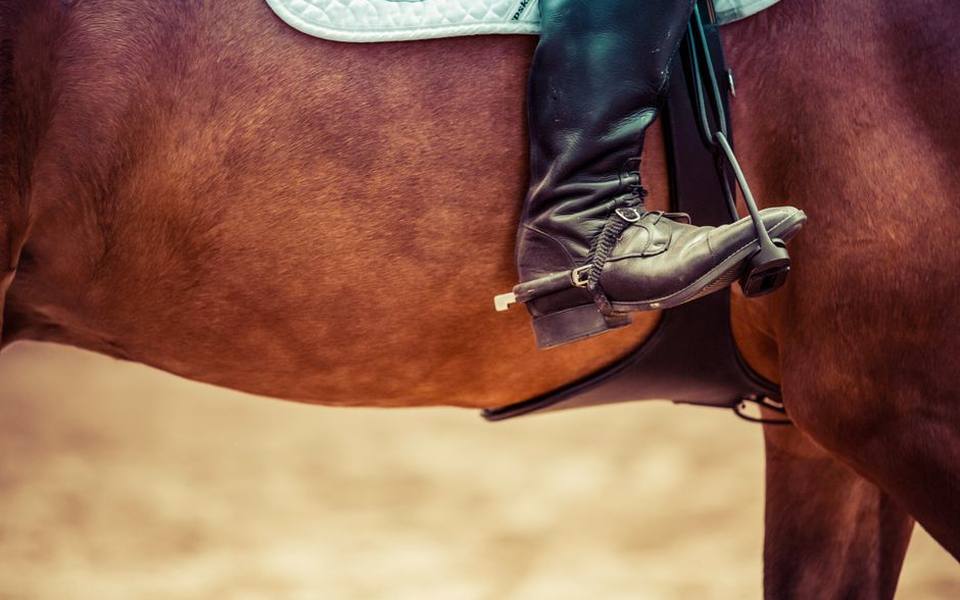
Footwear requires close attention. You must wear closed-toe boots with a smooth sole and a distinct heel of at least one to one-and-a-half inches. The heel prevents your foot from accidentally sliding forward through the stirrup iron, a dangerous scenario that could lead to being dragged in the event of an unplanned dismount. Athletic sneakers, sandals, and slip-on shoes are completely inappropriate for horseback riding and are routinely forbidden by professional guides before riders are permitted to mount.
Helmet policies vary depending on state regulations and individual stable insurance requirements, but wearing an ASTM/SEI-certified equestrian helmet is always the safest choice for every rider, regardless of experience level. Helmets engineered specifically for horseback riding are designed to withstand falls from height and direct impacts against hard or rocky terrain. Professional outfitters provide sanitized loaner helmets on site, and choosing to wear one sets a responsible safety standard for younger riders and group companions alike.
Weather Windows, Tide Tables, and Seasonal Booking Tips
Nature dictates the schedule of coastal and mountain trail tours far more than conventional calendar bookings. On the coastline, rides must be timed around daily tide cycles. Low tide reveals a wide swath of hard-packed wet sand, creating safe, comfortable footing for horses while giving riders ample room to navigate away from crashing waves. At high tide, however, the ocean can press right up against coastal dunes, sea walls, or rocky outcroppings, completely submerging the path and making riding dangerous or legally prohibited.
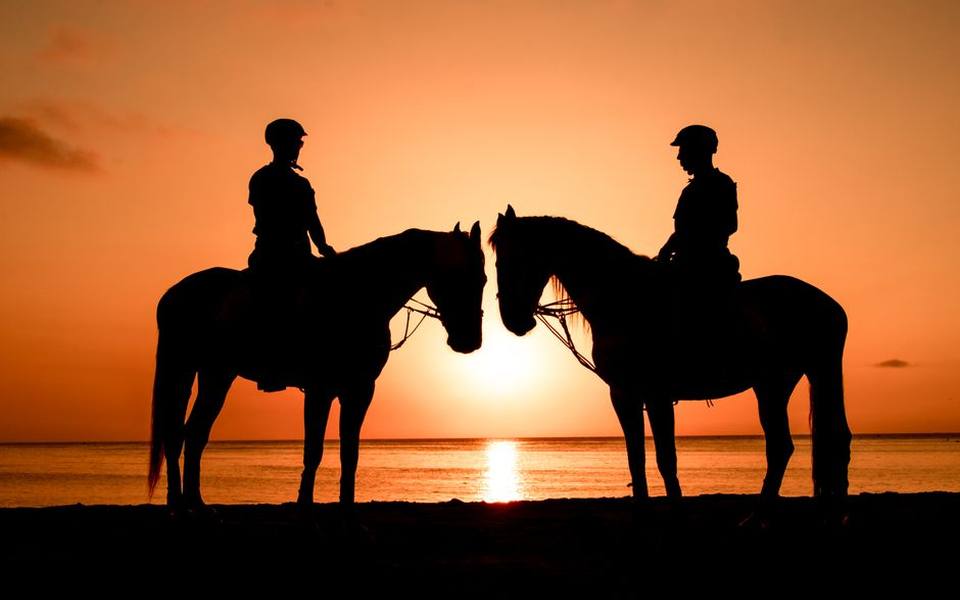
Seasonal weather patterns dramatically influence the comfort and safety of equestrian trips. Coastal regions across states like Florida and the southern shores experience intense summer heat, sudden tropical downpours, and high insect activity during mid-year afternoons. High heat index values can place working horses at risk of heat exhaustion. Consequently, the best coastal riding experiences are typically booked during mild autumn, winter, and spring months, when clear skies, cool sea breezes, and reduced bug pressures make long rides pleasurable for everyone.
When booking mountain or wilderness trail tours, snowpack melt and river crossing levels dictate the open season. High-altitude passes in western states may remain impassable under heavy snow well into late June, opening only for a brief window between July and early September before autumn freezes return. Always check with outfitters regarding their specific weather refund and rescheduling policies, as responsible guides will readily postpone a ride if severe thunderstorms, lightning, or dangerous surf conditions develop.
Bringing Your Own Horse Versus Booking a Guided Outfitter
For horse owners, trailering your own mount to the beach or into a national wilderness park is a deeply rewarding milestone, but it demands substantial advance planning. You cannot simply pull up to any coastal parking lot and unload your trailer. Many municipalities require advance permits, equine health papers including a current negative Coggins test, and adherence to designated loading zones. In contrast, hiring a local outfitter eliminates the logistical headaches of hauling, parking, permitting, and knowing safe trail routes through unfamiliar coastal tides or wilderness terrain.
If you decide to haul your own horse for a multi-day trip, locating reliable overnight stabling near your riding destination is essential. Searching through local equestrian directories can help you find full-service facilities or self-care barns with secure turnout and trailer parking. Many owners prefer resting their mounts overnight in safe barn stalls rather than tying them to a trailer in an unfamiliar public campground. This ensures the horse stays rested, fed, and hydrated before tackling physically demanding sand dunes or mountain paths the next morning.
Ultimately, both self-guided adventures and professional outfitter tours offer exceptional ways to experience America's scenic landscapes from the saddle. While experienced horse owners enjoy the freedom of riding their personal mounts on permitted beaches, guided commercial tours make this breathtaking experience accessible to travelers of all backgrounds. By choosing reputable operations that prioritize equine welfare, respecting local environmental regulations, and dressing for the elements, you can ensure a memorable and safe journey along the surf or deep into the backcountry.
Published 2026-09-20 · reviewed with each rebuild, last September 2026.
Find boarding stables near you
The directory lists 16,945 boarding stables by state and city — pick your state or use the “Near me” button in the header.
More guides
-
 Money
MoneyUnderstanding Monthly Horse Boarding Expenses and Stable Fees
-
 Owning
Understanding Friesian Horse Ownership: Traits, Costs, and Daily Care
-
 Owning
Understanding Riding Disciplines, Essential Tack, and the True Costs of Horse Ownership
-
 Money
MoneyUnderstanding the Costs of Getting Started in the Saddle
-
 Buying
Understanding Initial Horse Purchase Prices by Breed, Size, and Training
-
 Service
The Career Path of a Farrier: Education, Training, and Timeline
-
Owning
Choosing Between Alfalfa and Orchard Grass Hay for Horses
-
 Money
MoneyEssential Horse Ownership Expenses: Leasing, Insurance, and Maintenance
-
 Owning
Complete Guide to Cattle Breeds: Dairy vs Beef Cow Selection and Care
-
 Buying
Horse Buying Guide: Breed Selection, Market Prices, and Classifieds
-
 Owning
Small Farm Livestock Breeding: Goats, Sheep, Pigs, and Poultry
-
 Buying
Miniature Livestock Guide: Mini Cattle, Ponies, and Pocket Equines
-
 Owning
The Complete Guide to Horse Boarding, Stables, and Facilities
-
 Owning
Rubber Stall Mats and Horse Stall Flooring: A Complete Guide
-
 Buying
Guide to Horse Breeds, Breeders, and Equine Artificial Insemination
-
 Buying
Equestrian Riding Boots Buyer's Guide: Western and English Footwear
-
 Owning
Equine Health Care: Colic Signs, Deworming Charts, and Joint Supplements
-
 Owning
Complete Guide to Equine Fly Control: Sprays, Repellents, and Fly Sheets
-
 Safety
Equine Riding Helmets: Sizing, Safety Standards, and Selection Guide
-
 Service
Equine Training Fundamentals: Groundwork, Lunging Techniques, and Equestrian Vaulting
-
 Service
Equine-Assisted Therapy and Psychotherapy: A Practical Guide to Methods, Benefits, and Programs
-
 Buying
A Complete Guide to Buying a Horse: Breeds, Equine Sales, and Insurance
-
 Owning
Complete Guide to Horse Hoof Care, Farrier Services, and Hoof Boots
-
 Owning
A Complete Guide to Horse Grooming, Sheath Cleaning, Massage, and Routine Wellness
-
 Owning
Horse Barn Setup, Stall Infrastructure, Arenas, and Facility Equipment
-
 Buying
Beef and Dairy Cattle Breeds: Buyer's Guide, Traits, and Livestock Care
-
 Owning
Homestead Livestock Guide: Raising Sheep, Goats, Pigs, and Poultry
-
 Service
Equine Dentistry Guide: Floating Teeth, Routine Care, and Choosing a Practitioner
-
 Owning
Equine Saddles and Tack Care: Selection, Fit, Cleaning, and Room Setup
-
 Owning
Horse Blankets and Sheet Guide: Fit, Turnout Types, and Fly Protection
-
 Safety
Equestrian Riding Apparel and Gear: Helmets, Boots, and Show Attire
-
 Owning
Equestrian Gift Guide: Practical and Thoughtful Presents for Horse Lovers and Riders
-
 Service
Horse Transportation Guide: Hauling Services, Trailer Rentals, and Layover Stables
-
 Owning
Designing and Managing a Boarding Stable: Facility Planning, Barn Construction, and Daily Operations
-
 Owning
Horse Health Care, Fly Control, and Preventative Vet Schedules
-
 Service
Beginner Equestrian Camps and Riding Programs: How to Choose the Right Barn
-
 Safety
A Complete Guide to Western Riding Helmets, Barn Footwear, Halters, and Hoof Gear
-
 Service
Guided Horseback Riding Tours & Vacation Stables Guide
-
 Buying
Buying and Selling Horses: Sales Auctions & Breed Marketplaces