Planning Multi-Species Pastures and Acreage Needs
Starting a diverse homestead requires evaluating land carrying capacity long before purchasing livestock. Grazing animals have distinct forage habits, digestive systems, and parasite loads. Sheep clip grasses close to the soil line, while goats browse brush, brambles, and woody stems above shoulder height. Pigs disturb the topsoil through rooting unless managed on dedicated rotational paddocks, and poultry scratch through manure piles to consume fly larvae and scatter organic matter. Balancing these habits prevents pasture degradation and creates a symbiotic rotation.
Carrying capacity depends heavily on soil fertility, annual rainfall, and seasonal forage growth. In temperate climates with regular rain, one acre might support four to six small ruminants, whereas arid regions require significantly more land per head. Overstocking causes bare dirt patches, weed infestations, and elevated internal parasite levels. Many homesteaders choose to establish dry lots or sacrifice paddocks where animals stay during wet seasons or winter months to avoid tearing up root structures.
Infrastructure planning should mirror the standards seen at well-run agricultural properties. Reviewing layout designs used for pasture board operations often provides clear guidance on sturdy perimeter fencing, frost-free water spigots, and vehicle-accessible gates. Multi-species layouts also require internal division fences that hold both agile jumpers like young goats and low-profile foragers like young piglets.
Bio-security and quarantine pens represent another critical piece of initial layout planning. Every new animal introduced to the farm needs at least thirty days of physical isolation to monitor for infectious respiratory ailments, external parasites, and foot rot. Building a secure pen near the barn entrance simplifies daily feeding and health monitoring without tracking pathogens into established paddocks.
Selecting Meat and Wool Sheep for Small Acreages
Homesteaders seeking low-maintenance meat production frequently gravitate toward hair sheep breeds rather than traditional wool varieties. Animals like Dorpers shed their winter coats naturally in early summer, eliminating the cost and physical labor of annual shearing. When evaluating stock listings for dorper sheep for sale, look for strong toplines, clear eyes, solid feet, and clean shedding traits. Dorpers breed outside traditional seasonal cycles, tolerate heat well, and produce butcher-ready lambs on forage-forward feeding regimens.
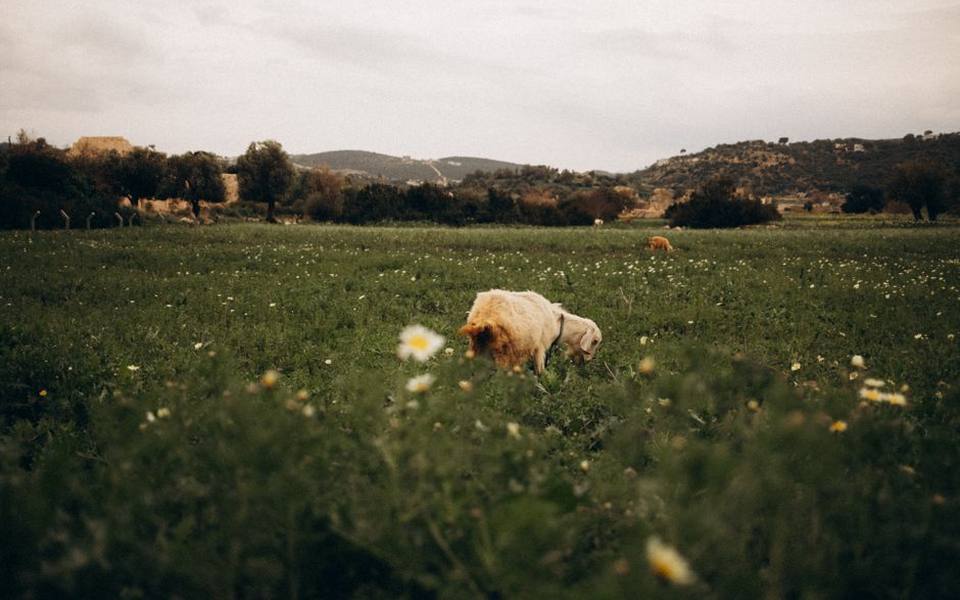
In contrast, fiber enthusiasts often seek heritage wool sheep with gentle dispositions and distinctive aesthetics. The Swiss Valais Blacknose sheep has captured significant interest for its spiral horns, black facial markings, and soft, crimped fleece. Prospective buyers searching for Swiss Valais Blacknose sheep for sale in the domestic market will find both registered foundation stock and grading-up crosses. Because purebred imports remain limited, pricing varies widely based on bloodline percentages and parentage certifications.
Wool sheep require a strict management calendar compared to hair breeds. Their fleeces collect burrs, thistles, and dirt, requiring annual shearing every spring prior to hot weather. Shearing demands proper restraining tables or experienced hands to avoid skin nicks, followed by external parasite checks for keds or lice. Wool breeds also need dry shelter during sustained cold downpours, as waterlogged fleece chills animals quickly and predisposes them to pneumonia.
Regardless of the breed chosen, flock structure matters for sheep behavior. Sheep possess intense flocking instincts and become chronically stressed when kept singly or in tiny pairs. Maintaining a minimum group of three to four sheep creates a relaxed hierarchy. Ensure prospective breeding stock carries negative tests for scrapie susceptibility genotypes and progressive pneumonia to safeguard your long-term flock health.
Evaluating Small Dairy and Companion Goat Breeds
Goats bring unmatched personality and functional productivity to small farms, but breed selection must align with production goals. Miniature Nubian goats represent a cross between full-sized Nubians and standard Nigerian Dwarfs, bred to capture high butterfat milk production within a mid-sized, manageable frame. They typically stand between twenty-two and twenty-six inches at the withers, producing rich, sweet milk well-suited for homestead cheesemaking and soap crafting while consuming noticeably less hay than standard dairy does.
Homesteaders looking strictly for brush management, companion stock, or show animals often select Pygmy goats. Prospective owners frequently ask about physical expectations for a full grown pygmy goat before bringing kids home. An adult pygmy measures between sixteen and twenty-three inches tall and exhibits a heavy-boned, barrel-shaped body weighing roughly fifty to eighty pounds. Despite their compact stature, their broad chests and dense muscular frames require substantial handling experience during basic routine care.
Both miniature breeds demand robust fencing that far exceeds sheep requirements. Goats climb, jump, and lean heavily against fence lines, readily finding weak points in welded wire or sagging woven wire fences. Using four-foot woven wire with four-inch square openings prevents horned kids from getting their heads trapped while stopping adults from walking the fence flat. Corner braces must be constructed securely so goats cannot use diagonal wooden posts as ramps.
Feeding small dairy goats requires careful dietary balance to avoid metabolic disorders. While they relish brush, blackberry canes, and hardwood leaves, their primary daily diet must consist of clean, mold-free grass hay. Lactating does need balanced grain rations during milking, while non-producing companions or wethers should receive minimal starches to prevent life-threatening urinary calculi caused by improper calcium-to-phosphorus ratios.
Routine Hoof Trimming and Lameness Prevention for Goats
Proper foot care remains one of the most critical maintenance duties for any goat keeper. Unlike wild caprines roaming rocky, abrasive mountain peaks, pasture-kept domestic goats do not wear down their hoof walls naturally. Hoof trimming for goats should occur every four to eight weeks, depending on ground hardness, soil moisture, individual hoof growth rates, and dietary protein levels. Allowing hooves to overgrow causes rot, joint strain, and chronic walking discomfort.
The trimming process requires clean bypass pruning shears or specialized livestock hoof shears, a hoof pick, and styptic powder or cornstarch to address accidental bleeding. Restraining the animal on an elevated milking stand or securing them firmly against a fence panel makes foot inspection manageable. Clean all packed manure and dirt from the sole and central frog before cutting away any curling outer hoof wall.
Trim the outer and inner walls flush with the central sole pad, taking shallow, deliberate cuts. The goal is a flat, level weight-bearing surface parallel to the coronary hairline at the top of the hoof. Never slice deeply into pink tissue, which indicates blood vessels. Regular maintenance prevents organic matter from packing under curled hoof edges, which serves as the primary breeding ground for anaerobic bacteria causing foot rot and scald.
If you notice foul odors, moist grayish discharge, or sudden hobbling, isolate the affected animal immediately. Treat hoof scald with topical antiseptic sprays containing zinc sulfate or copper solutions, and keep the goat on clean, dry bedding until the foot heals completely. Managing standing water around barn entrances and paddock gates dramatically cuts down herd-wide foot rot occurrences.
Hoof Care and Foot Health Management for Small Cattle Herds
Homesteaders who keep a family milk cow or a small beef herd must monitor foot structure just as closely as small ruminant owners do. Hoof trimming cattle demands different equipment and structural restraint due to the enormous weight and strength of bovines. While goats can be held by hand, cattle require a sturdy squeeze chute or specialized tilt table operated by an experienced livestock handler or mobile hoof trimmer.
Cows walking on soft pastures without rocky footing often develop overgrown claws, corkscrew claws, or uneven toe lengths. An overgrown toe shifts weight unevenly onto the heel, straining the deep flexor tendon and predisposing the cow to sole ulcers. Professional hoof trimmers typically visit farms once or twice annually to pare down excess horn, balance inner and outer claws, and relieve pressure points before deep bruising develops.
Pasture sanitation directly dictates bovine foot longevity. Constant exposure to mud, uncollected manure slurry, and standing water softens the hoof horn, inviting infectious foot rot and digital dermatitis. Installing gravel aprons, concrete feeding pads, or geotextile fabric around hay rings prevents the mud wallows where bacteria flourish. Maintaining dry, clean footing reduces lameness calls significantly throughout wet spring and fall seasons.
When integrating cattle onto land previously set up for horses, observe how shared infrastructure holds up under heavier livestock. Many homesteaders evaluate the robust fencing and alley designs found at horse boarding facilities to construct lanes that handle both equine and bovine movement safely without damaging equipment or fence posts.
Pastured Pig Breeds for Homestead Meat and Soil Building
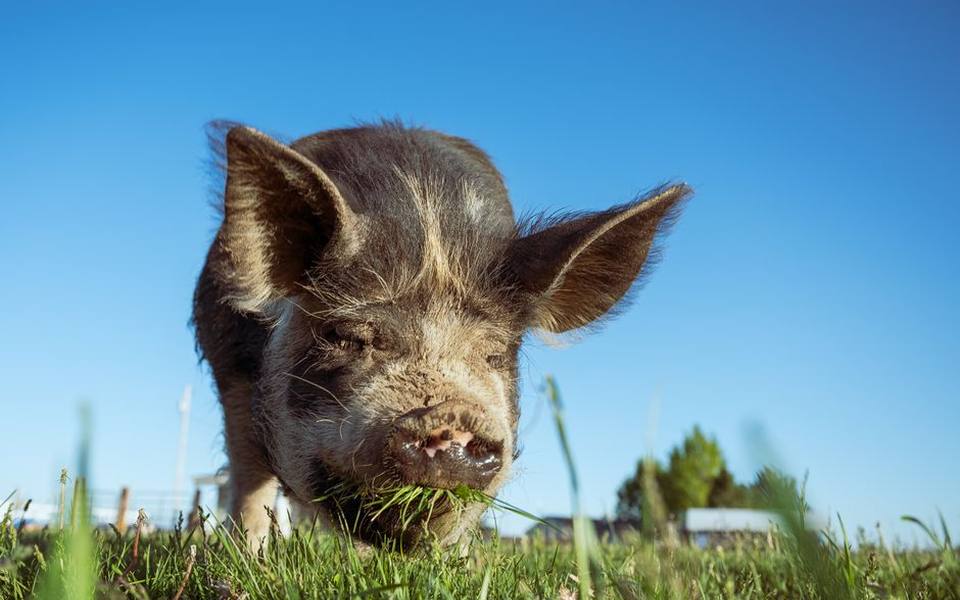
Pigs serve as phenomenal homestead utility animals, converting surplus milk, garden waste, and pasture forage into high-grade pork. Choosing the right breed dictates how much disturbance occurs across your acreage. Buyers looking at kunekune pigs for sale will discover a smaller, round breed developed by the Maori people of New Zealand. Their short, upturned snouts make them exceptional natural grazers that eat grass willingly with minimal destructive rooting, making kune kune for sale a perennial favorite for rotational grass farms.
For homesteaders desiring larger, faster-growing market hogs with rich, well-marbled red pork, Red Wattle pigs offer an outstanding heritage alternative. Originating in North America and recognizable by the fleshy wattles hanging below their jowls, Red Wattles are gentle, active foragers that adapt well to woodlot clearing. They grow efficiently on rough pasture, brushy browse, and supplemental grain rations, reaching market weights within seven to nine months depending on diet quality.
Pork operations require specialized fencing compared to sheep and goats. While high fences are unnecessary, low-level electric wire remains essential. Pigs respect electric fencing well once trained in a small, secure training corral. Installing one charged wire at four to six inches off the ground and a second wire at knee height prevents pigs from rooting underneath field fence lines or nudging gates open.
Pigs also lack functional sweat glands, demanding adequate shade, ventilation, and a clean wallow during hot summer afternoons. While mud wallows help pigs regulate body temperature and deter biting flies, they should be located in controlled paddock corners away from sensitive water runoff channels. Providing fresh, cool drinking water via automatic nipple drinkers keeps their water supply free of mud and manure contamination.
Selecting Heritage Poultry and Pastured Meat Chickens
A productive flock forms the foundation of almost every homestead, offering steady eggs, meat, and pest control. Homesteaders balancing meat and egg needs often begin with a heritage chicken breed such as the Plymouth Rock, Orpington, Delaware, or Australorp. Standard heritage birds grow steadily over sixteen to twenty weeks, forage vigorously across pastures, tolerate seasonal temperature swings, and continue laying dependable brown eggs for several consecutive years.
For homesteaders seeking dedicated pasture-raised broilers without the health vulnerabilities of commercial industrial birds, Freedom Rangers chickens provide an exceptional middle ground. These colored broiler crosses feature strong legs, active foraging instincts, and proportional breast development. Freedom Rangers reach harvestable table weight in roughly nine to eleven weeks on pasture, foraging actively for seeds and insects while withstanding outdoor temperatures far better than fast-growing white broilers.
Flock housing must provide secure predator protection from dusk until dawn. Raccoons, weasels, foxes, and aerial raptors consistently target small poultry flocks. Coops need half-inch hardware cloth covering all windows and ventilation openings, as standard chicken wire can be torn apart by determined raccoons or chewed through by rodents. Automatic coop doors connected to light sensors offer reliable protection against missed lock-ups at sundown.
Coop bedding management plays a substantial role in bird respiratory health and garden fertility. The deep litter method, where fresh pine shavings or dry straw are added over existing litter while chickens turn the bedding, allows beneficial microbes to break down manure over several months. In spring, this composted bedding can be cleared out directly into garden beds as nutrient-dense organic fertilizer.
Livestock Guardian Animals and Miniature Donkeys
Predation remains the single largest threat to pastured poultry and small ruminants on open homesteads. Coyotes, bobcats, loose neighborhood dogs, and foxes can devastate a herd in a single night. Integrating guardian animals creates an around-the-clock biological shield. While Great Pyrenees and Anatolian Shepherds are common guardian dogs, equines also play a notable role on small acreages.
Homesteaders frequently consult miniature donkey breeders to find pastured sentinels for sheep and goat paddocks. Donkeys possess an innate territorial hostility toward canines, often braying loudly, charging, stomping, and kicking at invading coyotes or stray dogs. Miniature donkeys integrate well into smaller spaces, require minimal supplemental concentrates beyond clean grass hay, and develop strong bonds with their pasture mates over time.
However, donkeys require careful individual temperament evaluation before trusting them with vulnerable newborns. Some intact jacks or overly aggressive geldings may chase, harass, or injure young lambs and goat kids during playtime or feeding pan squabbles. Female jennets and calm geldings make the safest guardian candidates. Sourcing companion animals through reputable farms or operations with horses for sale often connects homesteaders with gentle, well-socialized equines experienced around mixed livestock.
Equine management rules apply strictly to miniature donkeys regarding nutrition and veterinary care. They must never be allowed on lush, clover-heavy spring pastures without grazing muzzles, as excess sugars trigger life-threatening laminitis or hyperlipemia. Their hooves require balanced trims every six to eight weeks, and their teeth should be floated regularly by an equine dentist to prevent weight loss from poor mastication.
Designing Rotational Grazing and Multi-Species Fencing
Managing multiple livestock species on limited acreage demands a structured rotational grazing schedule. Parasite biology provides one of the strongest arguments for mixed-species rotation. Most internal parasites are species-specific; the barber pole worm that sickens sheep and goats cannot survive in the digestive tract of pigs, cattle, or horses. Grazing cattle or horses through a paddock after sheep clean up worm larvae, effectively breaking parasite cycles naturally.
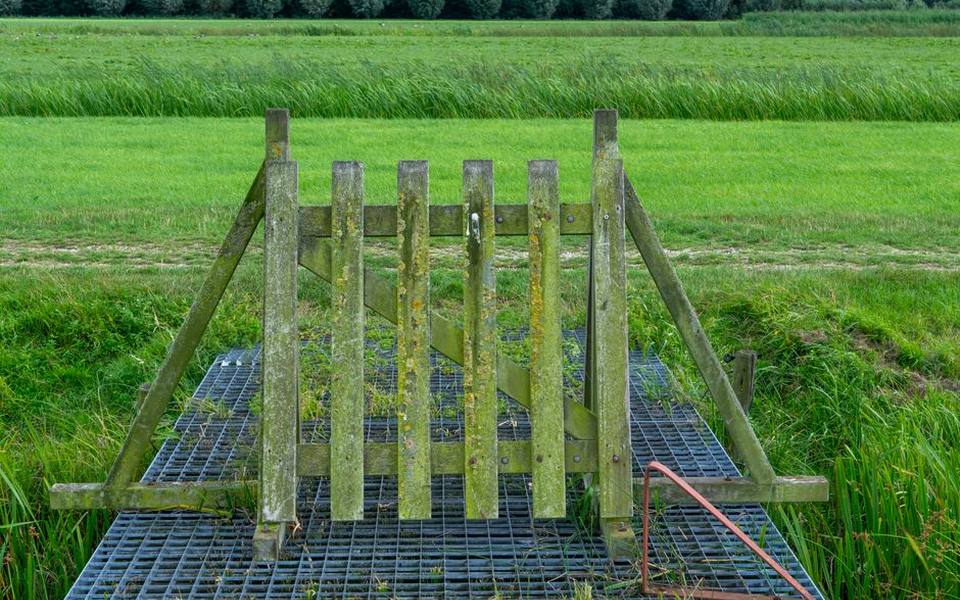
Paddock division works best when combining permanent perimeter fences with flexible interior electric tape or netting. High-tensile woven wire around the farm perimeter acts as the unyielding physical barrier. Inside that boundary, portable electric netting allows homesteaders to strip-graze poultry, pigs, or small ruminants across specific zones based on grass growth rates, moving shelters every few days to distribute manure evenly.
Water delivery systems must be planned carefully so that livestock do not trample paddock lanes walking back to central barns. Running buried black poly-pipe lines with quick-connect hydrants allows you to position portable water tubs directly inside active grazing cells. Ensuring clean, unsoiled water increases daily forage consumption and reduces animal stress during sweltering midsummer heat waves.
Rotational systems also mirror the paddock management protocols utilized across professional equine boarding facilities, where rotating pastures protects grass root reserves from overgrazing. Allowing paddocks to rest until grasses reach six to eight inches before re-introducing livestock maintains healthy root mass, reduces soil erosion, and suppresses opportunistic pasture weeds without synthetic chemical sprays.
Regulatory Steps, Veterinary Care, and Safe Sourcing
Before purchasing your initial livestock group, check local municipal zoning codes and agricultural property tax requirements. Even in rural areas, local covenants may restrict the number of animal units per acre, place restrictions on keeping roosters or intact male swine, or mandate specific setback distances for barns and manure storage piles from adjacent property lines and freshwater streams.
Establish a working relationship with a local large-animal or mixed-practice veterinarian before animals arrive at the property. Rural large-animal veterinarians are increasingly busy, and establishing an active veterinary-client-patient relationship ensures you have access to emergency calls, prescription parasite treatments, and veterinary feed directives when unexpected illnesses or complicated births arise.
When purchasing livestock, insist on verifiable health paperwork from reputable breeders. Sheep and goats should arrive with official scrapie identification ear tags as required by federal disease eradication programs. Poultry should originate from hatcheries or breeding farms certified clean under the National Poultry Improvement Plan, confirming freedom from pullorum-typhoid and avian influenza.
Transporting animals back to the homestead requires safe livestock trailers with non-slip rubber mats and adequate ventilation slats. Keep different species separated during transport to minimize stress, and make sure arrival pens have deep dry bedding, fresh water, and clean grass hay ready before unloading. Giving new arrivals a calm, low-stress first week sets the stage for a thriving, productive homestead ecosystem.
Published 2026-09-20 · reviewed with each rebuild, last September 2026.
Find boarding stables near you
The directory lists 16,945 boarding stables by state and city — pick your state or use the “Near me” button in the header.
More guides
-
 Money
MoneyUnderstanding Monthly Horse Boarding Expenses and Stable Fees
-
 Owning
Understanding Friesian Horse Ownership: Traits, Costs, and Daily Care
-
 Owning
Understanding Riding Disciplines, Essential Tack, and the True Costs of Horse Ownership
-
 Money
MoneyUnderstanding the Costs of Getting Started in the Saddle
-
 Buying
Understanding Initial Horse Purchase Prices by Breed, Size, and Training
-
 Service
The Career Path of a Farrier: Education, Training, and Timeline
-
Owning
Choosing Between Alfalfa and Orchard Grass Hay for Horses
-
 Money
MoneyEssential Horse Ownership Expenses: Leasing, Insurance, and Maintenance
-
 Owning
Complete Guide to Cattle Breeds: Dairy vs Beef Cow Selection and Care
-
 Buying
Horse Buying Guide: Breed Selection, Market Prices, and Classifieds
-
 Owning
Small Farm Livestock Breeding: Goats, Sheep, Pigs, and Poultry
-
 Buying
Miniature Livestock Guide: Mini Cattle, Ponies, and Pocket Equines
-
 Owning
The Complete Guide to Horse Boarding, Stables, and Facilities
-
 Owning
Rubber Stall Mats and Horse Stall Flooring: A Complete Guide
-
 Buying
Guide to Horse Breeds, Breeders, and Equine Artificial Insemination
-
 Buying
Equestrian Riding Boots Buyer's Guide: Western and English Footwear
-
 Owning
Equine Health Care: Colic Signs, Deworming Charts, and Joint Supplements
-
 Owning
Complete Guide to Equine Fly Control: Sprays, Repellents, and Fly Sheets
-
 Safety
Equine Riding Helmets: Sizing, Safety Standards, and Selection Guide
-
 Service
Beach Horseback Riding and Trail Riding Tours Guide
-
 Service
Equine Training Fundamentals: Groundwork, Lunging Techniques, and Equestrian Vaulting
-
 Service
Equine-Assisted Therapy and Psychotherapy: A Practical Guide to Methods, Benefits, and Programs
-
 Buying
A Complete Guide to Buying a Horse: Breeds, Equine Sales, and Insurance
-
 Owning
Complete Guide to Horse Hoof Care, Farrier Services, and Hoof Boots
-
 Owning
A Complete Guide to Horse Grooming, Sheath Cleaning, Massage, and Routine Wellness
-
 Owning
Horse Barn Setup, Stall Infrastructure, Arenas, and Facility Equipment
-
 Buying
Beef and Dairy Cattle Breeds: Buyer's Guide, Traits, and Livestock Care
-
 Service
Equine Dentistry Guide: Floating Teeth, Routine Care, and Choosing a Practitioner
-
 Owning
Equine Saddles and Tack Care: Selection, Fit, Cleaning, and Room Setup
-
 Owning
Horse Blankets and Sheet Guide: Fit, Turnout Types, and Fly Protection
-
 Safety
Equestrian Riding Apparel and Gear: Helmets, Boots, and Show Attire
-
 Owning
Equestrian Gift Guide: Practical and Thoughtful Presents for Horse Lovers and Riders
-
 Service
Horse Transportation Guide: Hauling Services, Trailer Rentals, and Layover Stables
-
 Owning
Designing and Managing a Boarding Stable: Facility Planning, Barn Construction, and Daily Operations
-
 Owning
Horse Health Care, Fly Control, and Preventative Vet Schedules
-
 Service
Beginner Equestrian Camps and Riding Programs: How to Choose the Right Barn
-
 Safety
A Complete Guide to Western Riding Helmets, Barn Footwear, Halters, and Hoof Gear
-
 Service
Guided Horseback Riding Tours & Vacation Stables Guide
-
 Buying
Buying and Selling Horses: Sales Auctions & Breed Marketplaces