Choosing the Right Trail Riding Outfitter for Your Trip
Selecting a guided trail ride or equestrian getaway starts with matching your actual riding ability to the specific terrain and mount. Reputable outfitters never treat horses as motorized equipment; they evaluate your height, weight, balance, and previous saddle time before assigning a horse. Whether you want a ninety-minute walk through shady parkland or a weeklong pack trip, asking the right questions about guide ratios, pre-ride assessments, and saddle fitting makes the difference between an unforgettable journey and an exhausting, uncomfortable afternoon.
Beginners often assume that every commercial livery offers the same experience, but riding styles vary dramatically by region. Western trail operations dominate mountain resorts and guest ranches, offering deep-seated saddles with horns that provide extra security across uneven footing. English-style trail hacks, while less common for public day rides, appear near established hunt country and lesson facilities. When planning horseback tours, look for outfitters who take the time to explain how their horses are trained to follow, yield, and navigate obstacles.
Honest self-assessment is essential before paying a deposit. If you ride once every five years on beach vacations, you are an inexperienced rider, regardless of how comfortable you feel around animals. Livery horses work within an established herd hierarchy, and guides need to pair confident horses with steady riders while putting nervous beginners on quiet, bombproof mounts. Stables that ask detailed questions about your recent saddle hours generally operate safer and more enjoyable programs than outfits that simply take payment and hand over reins.
Coastal Riding and Beach Excursions Along the Coast
Trotting along the surf is one of the most sought-after horseback experiences in the country. Coastal rides, such as horseback riding on the Outer Banks or along tidal flats in the Southeast, require specialized stable management. Sand can be taxing on equine tendons, and salt spray requires rigorous tack cleaning to prevent chafing. Exploring options through horse boarding stables in North Carolina can give you a clear sense of how local barns manage coastal footing, herd turnouts, and shifting maritime weather.
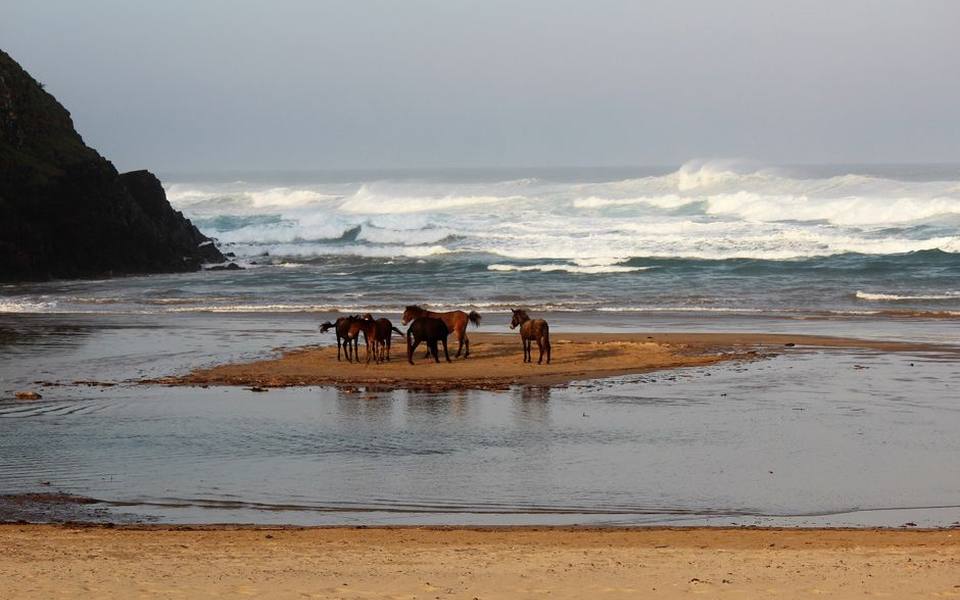
Tides dictate coastal trail schedules far more than the clock. Outfits operating on public barrier islands must plan rides around low tide, when the wet sand near the water line packs firmly beneath hooves. Walking on deep, loose dunes tires horses quickly and increases the risk of pulled ligaments. Because municipal and state park rules govern shoreline access, commercial operators typically limit group sizes and restrict rides to dedicated bridle corridors to protect sensitive sea oats, nesting birds, and dune ecosystems.
Wind and surf also create unique sensory challenges for horses. Crashing waves, flapping kites, and sudden sea breezes can test the nerve of an inexperienced mount. Reliable coastal outfitters utilize seasoned horses that have spent years acclimating to the ocean environment. When booking a beach excursion, inquire about whether rides stay at a relaxed walk or allow controlled trots in designated zones, as loose footing and public beachgoers typically make sustained cantering unsafe.
Historic Guest Ranches and Canyon Getaways
For riders who want multi-day immersion, guest ranches offer all-inclusive equestrian vacations that combine rustic hospitality with rigorous trail riding. Historic properties, such as a traditional Circle Bar B guest ranch style retreat tucked into coastal foothills, allow visitors to disconnect from suburban noise while spending multiple hours a day in the saddle. Guests wake to the sound of wrangler bells, groom their assigned horses, and explore technical canyon trails lined with sycamores, dry riverbeds, and steep ridge climbs.
These operations usually manage larger herds that rotate between working days and pasture turnouts to keep mounts mentally fresh. In regions with dramatic elevation changes, like the mountain ranges found near horse boarding stables in California, outfitters utilize sturdy stock horses with strong bone structure and surefooted mountain training. Daily excursions are often split between gentle morning loops for novice riders and steep, technical afternoon ridges reserved for guests with verified balance and trail confidence.
Lodging packages at guest ranches typically include meals, horse care demonstrations, and optional horsemanship clinics alongside trail hours. When choosing an equestrian vacation ranch, check whether trail groups are organized by skill level or lumped together. High-end ranches keep trail groups small, typically four to six riders per guide, ensuring that advanced equestrians are not held to a dead walk behind timid first-time riders who require constant attention from the lead wrangler.
State Park Liveries and Community Trail Centers
Public park liveries provide some of the most accessible entry points for family outings and casual weekend rides. Concession operations like Maybury riding stable in county or state parks operate under strict municipal guidelines that govern herd size, veterinary care, and trail maintenance. These stables generally maintain wide, graded bridle paths free of sudden drop-offs, making them ideal for young children, nervous adults, and multi-generational family groups looking for an afternoon nature tour.
Because park liveries serve thousands of casual riders throughout the season, their horses are exceptionally patient and trail-wise. These geldings and mares understand trail spacing, follow the guide horse calmly, and rarely react to bicycles, leashed dogs, or passing trail runners. Barns located near horse boarding stables in Michigan often coordinate with local trail associations to keep seasonal mud down through gravel grading and timber boardwalks, ensuring trails remain open through wet spring conditions.
Park-based trail barns typically offer one-hour to two-hour excursions along forested loops, meadow borders, and scenic ponds. Before booking, check age and height minimums, as public parks frequently enforce strict insurance rules that prohibit double-riding with small children. Instead, many community stables maintain small pony tracks or hand-led arena walks so younger family members can experience horse contact safely while older siblings and parents head out onto the wooded main trails.
Timberland Trails and Pacific Northwest Riding
Riding under towering canopies of fir, cedar, and hemlock requires horses and riders prepared for cool, damp wilderness environments. Operators functioning in the style of northwest stables navigate dense evergreen forests where moss-covered roots, river stones, and wet soil demand deliberate, balanced footwork. These trail networks often feature sudden elevation gains, narrow switchbacks, and low-hanging branches that require riders to stay mentally present rather than zoning out on an automated nose-to-tail string.
Tack selection in rain-heavy mountain timber reflects the rugged working conditions. Synthetic saddles, oil-tanned leather, and water-resistant saddle pads are standard to handle daily mist and damp foliage. Professional guides in these regions carry trail saws and axes in their saddle scabbards to clear deadfall after mountain windstorms. Riders heading into deep timber should dress in moisture-wicking layers, durable waterproof outerwear, and smooth-soled riding boots with an adequate heel that prevents feet from slipping through stirrup irons.
These forested riding routes provide an extraordinary wilderness perspective, crossing rushing snowmelt creeks and climbing to rocky overlooks with panoramic valley views. Guided horse tours in deep mountain timber often incorporate elements of wilderness horsemanship, where guides teach participants how to balance weight over the horse's shoulders during steep ascents and keep weight back in the saddle to support the horse's hocks on downward slopes.
River Canyons, Riparian Corridors, and Valley Bluffs
Canyon and riverbank riding introduces technical terrain features that highlight the natural agility of trail horses. Stable operations reminiscent of the classic Shadow Glen riding stables model follow winding bluffs above moving water, winding down rocky switchbacks to cross shallow gravel shoals. These routes offer rich wildlife viewings, including herons, deer, and hawks, while exposing riders to shifting soil conditions that range from hardpack clay on bluffs to loose river rock along the banks.
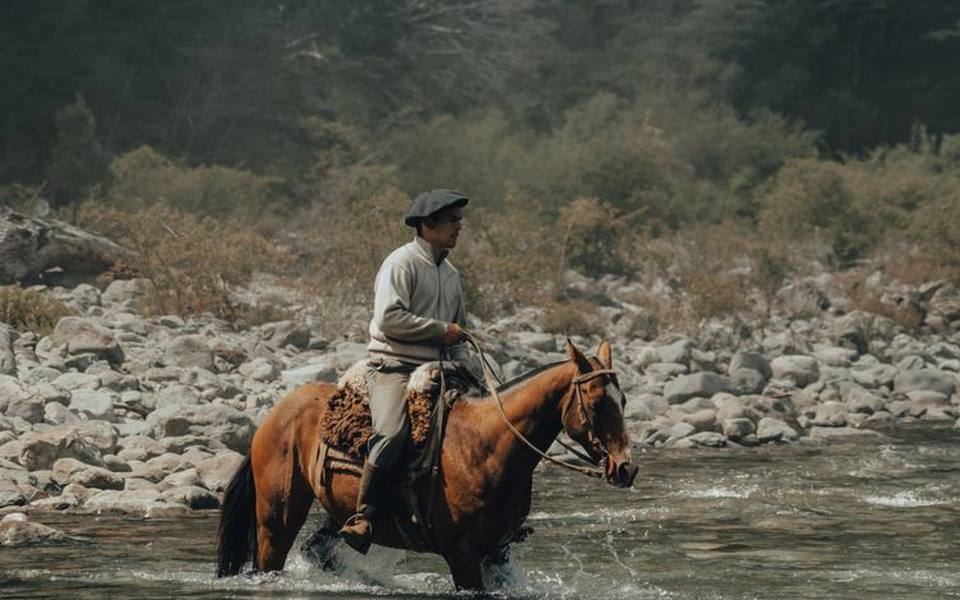
Water crossings are often the highlight of a canyon ride, but they require trust and calm direction from the rider. Seasoned trail horses will step into the current without hesitation, pausing occasionally to splash water or take a quick drink. Outfitters running river routes take special care to train their herd against sudden drops in the riverbed, keeping riders on safe, surveyed underwater paths where footing remains firm and water depth stays below the horse's knee.
Canyon trails also teach riders the importance of maintaining safe intervals. On steep ascents and narrow bank cuts, horses need room to maneuver without feeling crowded by the animal behind them. A responsible trail guide will instruct the group to maintain at least one horse-length of open space between mounts, reminding riders that crowding a trailing horse can lead to defensive kicking or rushed steps on narrow ledge trails.
Lesson Barns and Foundation Horsemanship on the Trail
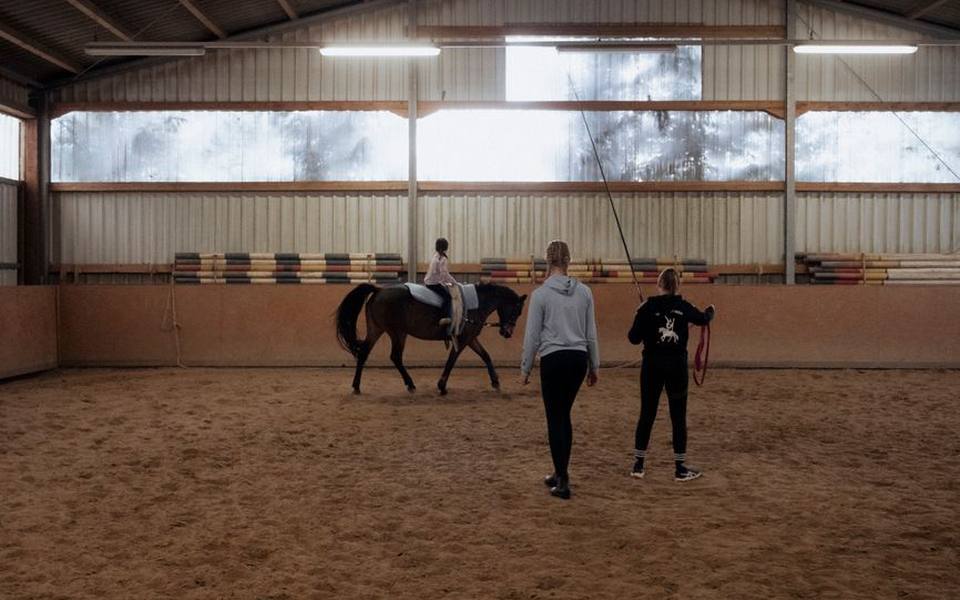
Many riders discover that taking structured lessons before embarking on long horse tours dramatically improves their comfort and balance. Barns modeled after Academy riding stable or Magic Moments stables often bridge the gap between indoor arena instruction and open country riding. These facilities offer introductory horse riding lessons that teach proper posture, leg cues, rein tension, and emergency stopping procedures before leading students out onto open pasture loops or bridle lanes.
Learning basic equitation in an enclosed arena builds muscle memory that prevents sore hips and aching lower backs after an afternoon on the trail. Riders learn how to rise with the horse's movement at the trot, keep heels downward to anchor their balance, and steer with gentle neck-rein or direct-rein contact rather than yanking on the bit. This foundational preparation makes guided equestrian riding vacations far more enjoyable, as you spend less energy fighting your stirrups and more energy enjoying the scenery.
Furthermore, lesson-focused trail operators often offer progressive riding packages. A beginner might spend forty minutes practicing transitions and steering inside a secure arena before joining a wrangler on a relaxed, thirty-minute perimeter hack around the farm. This gradual transition eases anxious riders into open spaces, building self-assurance while ensuring the barn staff can observe the student's physical control and balance in an enclosed setting first.
Farmland Hacks, Country Lanes, and Pastoral Treks
Riding across rolling pastureland, agricultural lanes, and historic country easements offers a serene, unhurried equestrian experience. Traditional liveries styled like Smokey Lane stables guide visitors along stone walls, hedgerows, and oak-shaded field borders. These pastoral rides emphasize relaxation and fresh air, serving as an ideal introduction for casual riders who feel intimidated by rocky mountain ledges or rushing river currents.
Pasture hacking also demonstrates the value of well-maintained access corridors. Many properties feature direct access to shared bridle networks, similar to facilities listed under boarding stables with trail access. These connected networks allow outfitters to design diverse loops that change with the seasons, from blooming spring meadows to rich autumn foliage tours, without forcing riders to walk along paved highways or suburban roadways.
On pastoral farm hacks, footing is typically gentle on the horses, consisting of soft turf, dirt field edges, and crushed limestone farm lanes. However, open fields present their own unique temptations for trail mounts, primarily fresh grass. Reliable livery horses are trained to ignore knee-high clover and stay focused on the track ahead, and wranglers will show beginners how to lift their reins firmly to prevent the horse from dropping its head to graze while in motion.
Evaluating Horse Welfare, Safety Standards, and Tackle
Before booking any horseback tour or equestrian vacation, take time to evaluate the stable's husbandry standards and overall animal welfare. Healthy trail horses should have alert expressions, bright eyes, clean coats, and ribs that are lightly covered rather than sharply protruding. Look at the hooves; shoes should be tight and well-shaped, or bare hooves should be cleanly trimmed without severe chipping or cracks. A stable with limping horses or visible saddle sores should be avoided immediately.
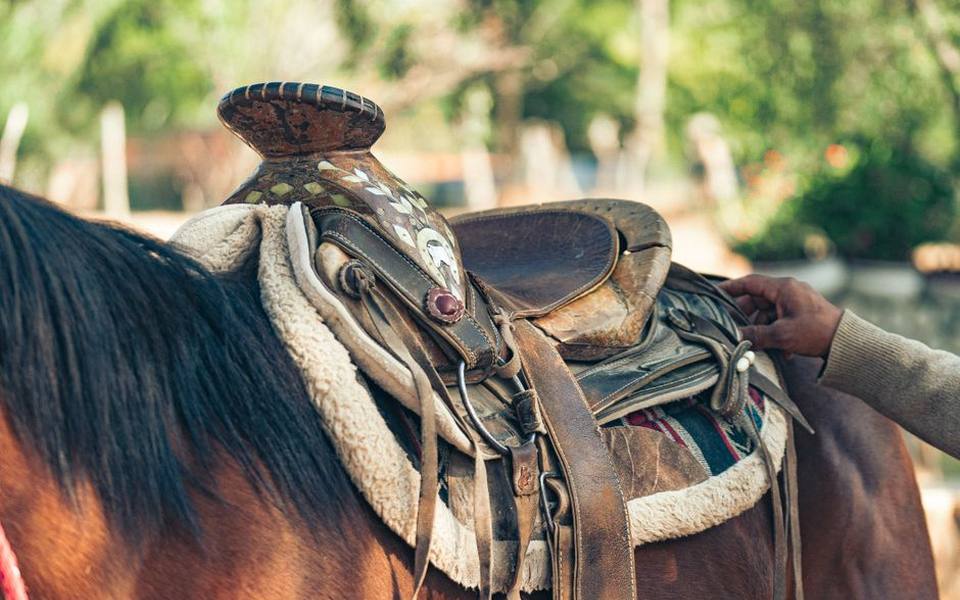
Tack condition offers another clear indicator of professional management. Saddles should be clean, supple, and fitted with thick, clean pads that cushion the animal's spine. Bridles and cinches must show no signs of dry rot, cracking leather, or frayed nylon that could break unexpectedly under pressure. A quality outfitter takes time before every departure to adjust stirrup lengths correctly for each individual rider, ensuring proper knee flexion and weight distribution across the saddle.
Guide credentials and stable safety protocols matter just as much as equine health. Ask whether guides carry first-aid kits, two-way communication radios, and hoof picks on their saddles. Reliable stables mandate protective riding helmets for all minors and strongly encourage them for adults, providing sanitized, ASTM/SEI-certified headwear on-site. When trail guides display calm authority, patience with beginners, and deep affection for their herd, riders can relax and fully enjoy their wilderness excursion.
Logistics, Weight Limits, and Booking Your Vacation
Planning a multi-day horseback vacation or a single-day guided excursion requires careful attention to logistical details well ahead of arrival. Most trail stables enforce rider weight limits, typically ranging between 220 and 250 pounds, depending on the size of their horses and saddle stock. These limits are not discriminatory; they represent biological safety thresholds designed to prevent spine damage, muscle tearing, and joint strain in working trail horses carrying heavy deadweight over miles of trail.
Proper clothing is mandatory for comfort and safety during any trail ride. Full-length pants, such as durable denim jeans or riding breeches, prevent inner-knee chafing against saddle leathers. Footwear must feature a closed toe, stiff sole, and a distinct heel of at least one inch to keep the boot securely positioned inside the stirrup iron. Running shoes, sandals, and heavy hiking boots with wide tread lugs can become dangerously wedged inside stirrups during a fall and are banned by reputable barns.
Finally, review the outfitter's weather cancellation and refund policies before submitting a non-refundable deposit. Mountain storms, severe heat indexes, and lightning will rightfully cause responsible stables to postpone or cancel trail departures for human and equine safety. Knowing how the facility handles weather rescheduling, booking lead times, and tipping customs for wranglers ensures your equestrian getaway remains stress-free from the moment you step into the stable yard.
Published 2026-09-20 · reviewed with each rebuild, last September 2026.
Find boarding stables near you
The directory lists 16,945 boarding stables by state and city — pick your state or use the “Near me” button in the header.
More guides
-
 Money
MoneyUnderstanding Monthly Horse Boarding Expenses and Stable Fees
-
 Owning
Understanding Friesian Horse Ownership: Traits, Costs, and Daily Care
-
 Owning
Understanding Riding Disciplines, Essential Tack, and the True Costs of Horse Ownership
-
 Money
MoneyUnderstanding the Costs of Getting Started in the Saddle
-
 Buying
Understanding Initial Horse Purchase Prices by Breed, Size, and Training
-
 Service
The Career Path of a Farrier: Education, Training, and Timeline
-
Owning
Choosing Between Alfalfa and Orchard Grass Hay for Horses
-
 Money
MoneyEssential Horse Ownership Expenses: Leasing, Insurance, and Maintenance
-
 Owning
Complete Guide to Cattle Breeds: Dairy vs Beef Cow Selection and Care
-
 Buying
Horse Buying Guide: Breed Selection, Market Prices, and Classifieds
-
 Owning
Small Farm Livestock Breeding: Goats, Sheep, Pigs, and Poultry
-
 Buying
Miniature Livestock Guide: Mini Cattle, Ponies, and Pocket Equines
-
 Owning
The Complete Guide to Horse Boarding, Stables, and Facilities
-
 Owning
Rubber Stall Mats and Horse Stall Flooring: A Complete Guide
-
 Buying
Guide to Horse Breeds, Breeders, and Equine Artificial Insemination
-
 Buying
Equestrian Riding Boots Buyer's Guide: Western and English Footwear
-
 Owning
Equine Health Care: Colic Signs, Deworming Charts, and Joint Supplements
-
 Owning
Complete Guide to Equine Fly Control: Sprays, Repellents, and Fly Sheets
-
 Safety
Equine Riding Helmets: Sizing, Safety Standards, and Selection Guide
-
 Service
Beach Horseback Riding and Trail Riding Tours Guide
-
 Service
Equine Training Fundamentals: Groundwork, Lunging Techniques, and Equestrian Vaulting
-
 Service
Equine-Assisted Therapy and Psychotherapy: A Practical Guide to Methods, Benefits, and Programs
-
 Buying
A Complete Guide to Buying a Horse: Breeds, Equine Sales, and Insurance
-
 Owning
Complete Guide to Horse Hoof Care, Farrier Services, and Hoof Boots
-
 Owning
A Complete Guide to Horse Grooming, Sheath Cleaning, Massage, and Routine Wellness
-
 Owning
Horse Barn Setup, Stall Infrastructure, Arenas, and Facility Equipment
-
 Buying
Beef and Dairy Cattle Breeds: Buyer's Guide, Traits, and Livestock Care
-
 Owning
Homestead Livestock Guide: Raising Sheep, Goats, Pigs, and Poultry
-
 Service
Equine Dentistry Guide: Floating Teeth, Routine Care, and Choosing a Practitioner
-
 Owning
Equine Saddles and Tack Care: Selection, Fit, Cleaning, and Room Setup
-
 Owning
Horse Blankets and Sheet Guide: Fit, Turnout Types, and Fly Protection
-
 Safety
Equestrian Riding Apparel and Gear: Helmets, Boots, and Show Attire
-
 Owning
Equestrian Gift Guide: Practical and Thoughtful Presents for Horse Lovers and Riders
-
 Service
Horse Transportation Guide: Hauling Services, Trailer Rentals, and Layover Stables
-
 Owning
Designing and Managing a Boarding Stable: Facility Planning, Barn Construction, and Daily Operations
-
 Owning
Horse Health Care, Fly Control, and Preventative Vet Schedules
-
 Service
Beginner Equestrian Camps and Riding Programs: How to Choose the Right Barn
-
 Safety
A Complete Guide to Western Riding Helmets, Barn Footwear, Halters, and Hoof Gear
-
 Buying
Buying and Selling Horses: Sales Auctions & Breed Marketplaces