Balancing Tradition and Modern Protection in Western Riding
Choosing equestrian gear requires balancing personal comfort, long-standing western traditions, and modern impact safety standards. Riders stepping into the saddle often face competing advice regarding classic felt headwear, certified equestrian headgear, traditional leather boots, and modern hoof wear. Understanding the mechanical differences between purpose-built barn equipment and decorative accessories protects both horse and rider from preventable injuries.
Whether you are scheduling your first horse riding lessons or maintaining your own mount at a local barn, your personal gear must function reliably under pressure. A boot that hangs up in an iron or a halter that refuses to snap open when caught on a fence post introduces severe risks into an otherwise routine session. Everyday barn apparel should always be assessed for its structural durability, proper breakaway thresholds, and secure footing.
Equipping yourself properly does not mean abandoning western heritage or aesthetic pride. Manufacturers today craft certified headgear and rugged boots that preserve the earth tones, profile lines, and leather textures synonymous with ranch riding. By learning how specific safety features operate, riders can make informed purchasing decisions that keep them safe in the arena, on the ranch, and down the trail.
Traditional Headwear Versus Certified Riding Helmets
For generations, traditional wide-brimmed felt and straw hats have served working ranch hands by shielding eyes from sun glare, shedding sudden rain, and warding off brush. While a classic cowboy hat remains a staple of western heritage and breed show presentation, it provides zero structural impact absorption against falls or collisions. In high-speed events, sudden spooks, or rough terrain, a standard hat will simply dislodge and leave the rider vulnerable to traumatic head trauma.
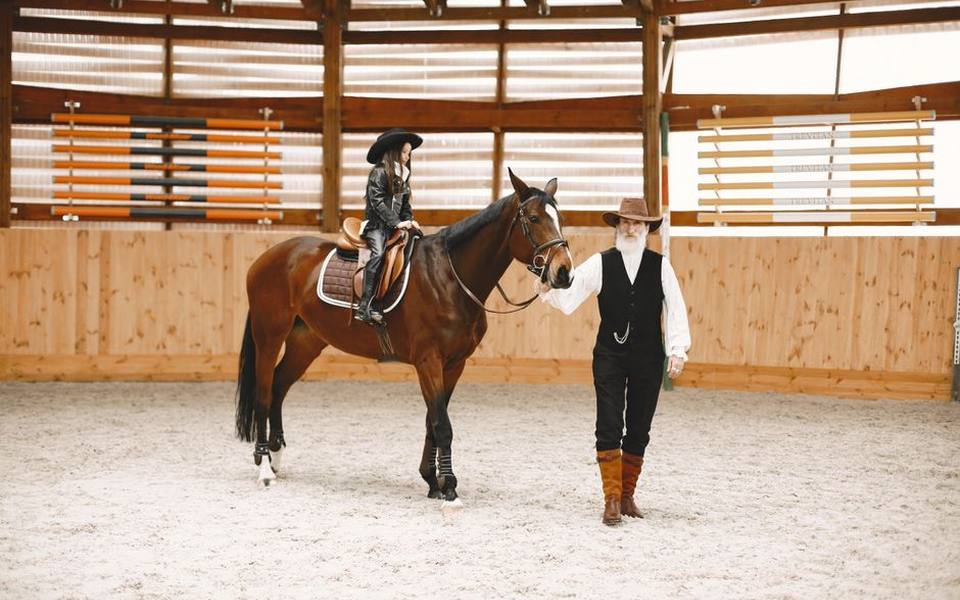
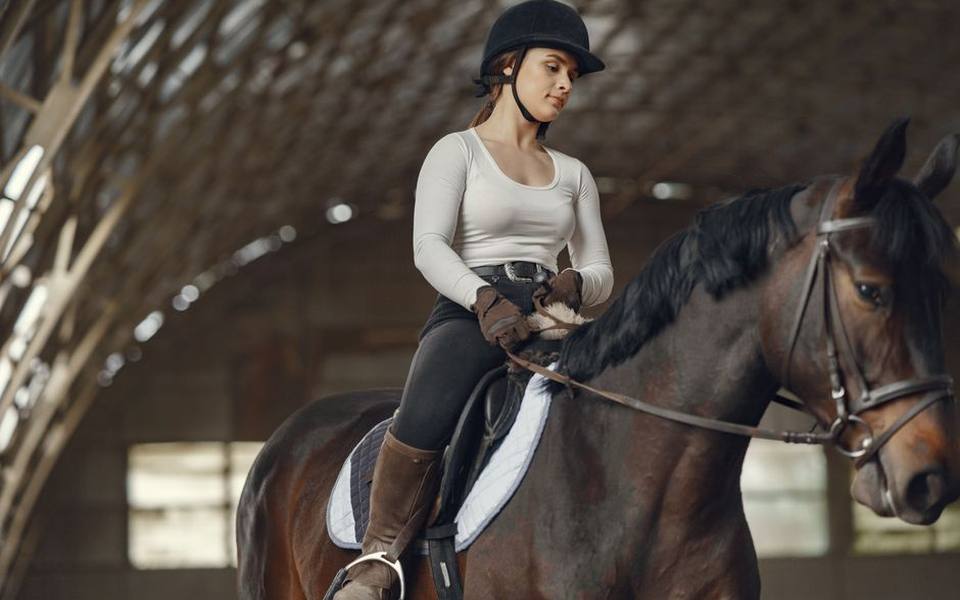
Modern equestrian safety standards require headgear tested and certified by independent testing bodies like ASTM and SEI. These certified helmets incorporate crushable expanded polystyrene liners designed to dissipate rotational and direct concussive forces before they reach the skull. Unlike a standard hat held on merely by sweatband tension, a riding helmet stays firmly positioned on the head via an adjustable three-point or four-point retention harness.
Instructors and facility managers increasingly mandate certified headwear for riders of all ages, especially during jumping, green horse handling, and trail outings. Riders seeking fresh equestrian options can search the directory of boarding stables across the country to find trainers who prioritize modern safety while respecting western traditions. Transitioning from a soft crown hat to an engineered helmet is one of the most effective safety upgrades any rider can make.
Design Features of Dedicated Western Style Riding Helmets
Riders accustomed to traditional western attire often resist wearing standard equestrian helmets because typical black velvet or glossy English jumping designs clash with stock saddles and denim chaps. In response, gear makers developed dedicated western style horse riding helmets that merge certified protective shells with western silhouettes. These models incorporate earth-toned finishes, subtle leather or suede overlays, antiqued metal accents, and discreet brim shapes that harmonize with ranch apparel.
A true western horse riding helmet is engineered to sit lower on the occipital bone, offering comprehensive rear-head coverage that accommodates the varied body positions seen in reining, cutting, and trail riding. Many western riding helmets feature integrated, slightly extended front visors designed to deflect low-hanging tree branches and block intense sunlight without obstructing upward visibility. These specialized brims typically include built-in breakaway mechanisms so they collapse cleanly under impact rather than forcing the helmet backward.
Ventilation is another crucial consideration built into high-performance western horse helmets. Ranch work and summer trail rides demand high airflow, so these helmets use strategically channeled air vents framed by durable mesh to keep hornets and debris out while drawing hot air away from the scalp. The result is a piece of protective gear that feels natural in a western saddle while meeting the rigorous impact criteria necessary for peace of mind.
Finding the Correct Fit and Retention for Equestrian Headgear
Even the most advanced western helmets for horseback riding fail to deliver proper protection if the shell does not match the rider's specific skull shape. Helmets generally fall into round-oval or long-oval interior profiles, and selecting the wrong profile creates uncomfortable pressure points across the forehead or leaves dangerous gaps near the temples. A properly fitted helmet should feel snug all the way around without pinching, sitting level roughly one inch above the eyebrows.
Most contemporary western designs utilize micro-adjustable dial retention systems at the back of the neck, enabling riders to fine-tune the internal cradle over different hairstyles or lightweight bandanas. When testing the fit, shake your head gently from side to side with the chin strap unbuckled; the helmet should stay securely in place and gently move the skin of your brow rather than sliding across your hair. If the helmet rocks backward to expose the forehead, the cradle is too loose or the shell is too large.
The harness straps must form a clean 'V' directly beneath each earlobe, with the chinstrap snapped comfortably against the jawbone. You should be able to swallow and talk normally, but you should feel the strap pull tight if you open your mouth wide. Replace any helmet immediately after a fall or hard blow, because the internal foam crushes internally to absorb energy and will not protect you a second time, even if the exterior shell appears undamaged.
Evaluating Cowboy Boots for Stirrup Safety in the Saddle
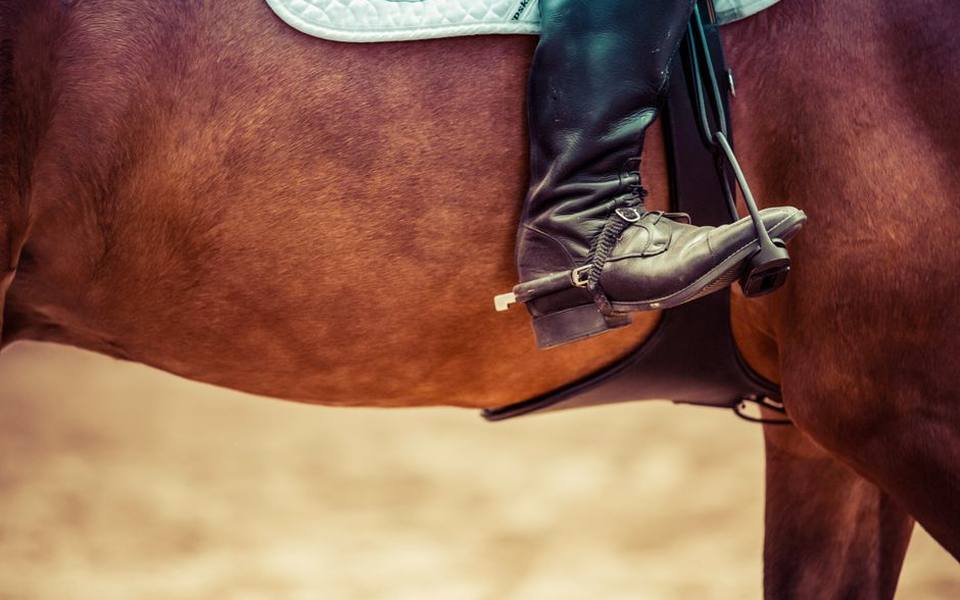
Footwear in the barn serves two distinct and critical roles: providing traction and ankle stability on uneven ground, and releasing instantly from a stirrup during an emergency dismount. Real cowboy boots for horse riding are engineered around specific anatomical and mechanical criteria. The most essential element is a pronounced heel, typically measuring between one and two inches, which acts as a physical barrier preventing the foot from sliding forward through the stirrup iron.
Beyond heel height, the sole composition plays a massive role in rider safety. Work boots made with deeply lugged, heavy rubber treads are outstanding for cleaning muddy stalls, but they can easily hang up inside the stirrup during a fall, dragging the rider alongside the horse. Riding-specific boots feature relatively smooth leather or lightly textured composite soles that glide freely across the tread of the stirrup, allowing your foot to slip clear effortlessly.
Structural rigidity inside the arch is another hallmark of a genuine riding boot. Quality western riding footwear integrates a tempered steel or heavy composite shank embedded inside the midsole, which supports the rider's arch across hours of standing in stirrups. Without this stiff shank, the continuous downward pressure of your body weight against the narrow stirrup bar leads to rapid foot fatigue, calf cramps, and unstable leg positioning.
Distinguishing Fashion Footwear from Functional Barn Boots
In recent years, western-inspired fashion boots have become widely popular in mainstream retail, leading some beginner riders to wear lifestyle boots to the stable. Brand collections like Sam Edelman western boots and similar boutique fashion labels produce stylish, pointed-toe ankle boots intended exclusively for sidewalks, social events, and casual wear. Bringing high-fashion western boots into a working barn environment creates genuine safety risks and quickly ruins expensive footwear.
Fashion footwear lacks the internal reinforcements and leather thicknesses required around large animals. Most fashion boots feature lightweight cosmetic stitching, thin soles, decorative plastic zippers on the inner calf, and tapered heels lacking a defined stirrup shelf. When used in the saddle, an inner zipper can rub painfully against the saddle leather, the thin soles flex excessively over the iron, and the slick, unsupported construction provides zero ankle support when walking on rocky ground.
True equestrian boots use heavy oiled leather capable of repelling acidic barnyard moisture, barn chemicals, and wet arena footing. They feature reinforced toe boxes that offer light crush protection if an eight-hundred-pound animal accidentally steps on your toes. Before booking sessions at stables with indoor arenas, ensure your boots are certified equestrian equipment rather than street-level fashion pieces.
Halter Selection and the Crucial Role of Breakaway Mechanisms
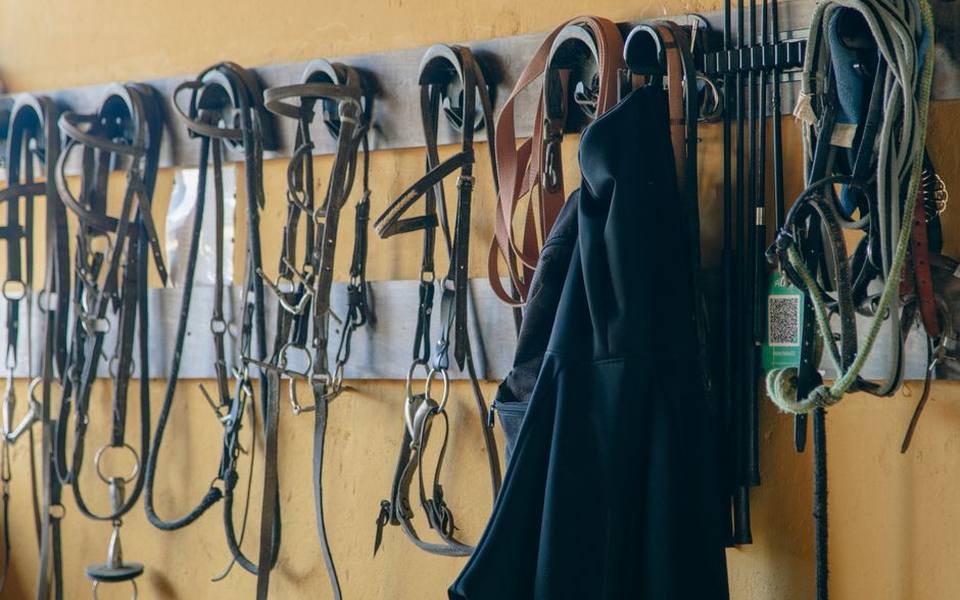
A halter is the most common piece of horse gear in any barn, yet improper halter selection causes numerous equine pasture accidents every year. Standard nylon halters are remarkably strong, built from industrial webbing that will withstand thousands of pounds of pressure without tearing. While this extreme tensile strength is wonderful when leading a horse or hauling in a trailer, it becomes deadly if a horse turned out in a paddock catches the halter on a gate latch, fence post, or water trough.
A horse that feels trapped by its head will instinctively panic and pull back violently, which can result in broken neck vertebrae, severe facial lacerations, or panic-induced asphyxiation. A breakaway horse halter eliminates this hazard by incorporating an intentional weak point. In most designs, this weak point is a replaceable, thin leather crownpiece or a specialized leather fuse tab connecting the cheek ring to the crown strap.
When subjected to excessive panic pressure, the leather crown breaks cleanly, freeing the animal before catastrophic skeletal injury occurs. Barn managers offering pasture board stables frequently require breakaway halters for all turned-out horses, or insist that horses remain turned out completely bare-headed. Replacing an inexpensive leather fuse strap is a minor chore compared to treating a life-threatening halter-trap injury.
Customizing a Personalised Horse Halter for Safety and Identification
Having equipment clearly identified is a necessity in busy equestrian centers where dozens of horses share cross-ties, tack rooms, and turnout gates. Ordering a personalised horse halter with an engraved brass nameplate or embroidered cheek strap ensures the animal receives its own correctly fitted gear every time. Sharing improperly adjusted halters between horses causes chafing behind the poll, rubbed hair along the bridge of the nose, and dangerous slippage over the ears.
Beyond daily barn convenience, an identified halter serves as a vital emergency tool during natural disasters, barn fires, or sudden paddock escapes. Having the horse's registered name, the owner's primary contact number, and vital medical notes directly stamped into an indelible brass plate fastened to the halter cheek ensures first responders can instantly identify the animal. Unlike paper barn tags that tear off in wet weather, riveted metal plates stay attached through heavy scrub.
When designing a customized halter, pair personalization with breakaway safety. The ideal arrangement features an engraved brass plate mounted to the durable nylon cheek piece, combined with an easily replaceable leather breakaway crown. If the horse ever breaks the crown strap during turnout, your identification remains intact on the cheek piece, and you can restore the halter to full working order simply by bolting on a fresh leather crown.
Using Slip-On Hoof Boots for Trail Comfort and Hoof Protection
For barefoot horses or equines transitioning out of traditional steel shoes, rough terrain can cause significant sole bruising and heel discomfort. Slip-on hoof boots, colloquially called easy boots for horses, offer a removable, flexible barrier between the delicate sensitive structures of the hoof and sharp gravel or granite ledges. These protective boots buckle, clamp, or strap directly around the hoof capsule, providing dependable shock absorption during long rides.
Hoof boots are particularly prized by riders frequenting boarding stables with trail access where footing ranges from soft dirt to abrasive shale and rock. Unlike metal shoes that must be nailed on by a professional farrier every six weeks, protective hoof boots are slipped on right before mounting and removed as soon as the ride concludes. This preserves the natural expansion and contraction of the barefoot hoof while in the stall or pasture, while guarding the sole over harsh paths.
Proper fitting is essential for slip-on hoof boots to stay secure at a trot or canter without rubbing the delicate skin of the pastern. Measurements must be taken immediately after a fresh, balanced trim, recording the exact length from toe to heel buttress and the widest point across the sole. A boot that is too loose will twist on the foot or pull off in deep mud, while one that is too tight can cause friction rubs along the coronary band and bulb of the heel.
Maintaining Gear Integrity and Managing Everyday Barn Equipment
Equine gear represents an ongoing financial investment that requires regular cleaning and safety inspections to perform reliably. Leather components—including helmet retention harnesses, riding boot uppers, saddle stirrup leathers, and breakaway halter crowns—must be conditioned regularly with quality leather balms. Allowing leather to dry out in hot tack rooms leads to premature cracking, which can cause straps to snap under ordinary riding tension rather than during true emergencies.
Synthetic items such as nylon halters, helmet liners, and rubber hoof boots should be cleaned regularly of sweat, grit, and mud buildup. Gritty soil trapped inside a hoof boot acts like sandpaper against the horse's heels, creating painful abrasions after just a few miles on the trail. Removable helmet liners should be hand-washed in mild soap and air-dried to eliminate sweat salts that degrade the foam cradle and cause unpleasant odors.
Before every ride, take thirty seconds to inspect key structural points across your gear: look for loose screws on hoof boot gaiters, fraying stitching on stirrup leathers, and hairline cracks in helmet shells. Storing gear in temperature-controlled tack rooms rather than in hot horse trailers or damp barn aisles extends material lifespans considerably. By pairing careful maintenance with the right protective gear, you ensure every hour spent with your horse is both safe and enjoyable.
Published 2026-09-20 · reviewed with each rebuild, last September 2026.
Find boarding stables near you
The directory lists 16,945 boarding stables by state and city — pick your state or use the “Near me” button in the header.
More guides
-
 Money
MoneyUnderstanding Monthly Horse Boarding Expenses and Stable Fees
-
 Owning
Understanding Friesian Horse Ownership: Traits, Costs, and Daily Care
-
 Owning
Understanding Riding Disciplines, Essential Tack, and the True Costs of Horse Ownership
-
 Money
MoneyUnderstanding the Costs of Getting Started in the Saddle
-
 Buying
Understanding Initial Horse Purchase Prices by Breed, Size, and Training
-
 Service
The Career Path of a Farrier: Education, Training, and Timeline
-
Owning
Choosing Between Alfalfa and Orchard Grass Hay for Horses
-
 Money
MoneyEssential Horse Ownership Expenses: Leasing, Insurance, and Maintenance
-
 Owning
Complete Guide to Cattle Breeds: Dairy vs Beef Cow Selection and Care
-
 Buying
Horse Buying Guide: Breed Selection, Market Prices, and Classifieds
-
 Owning
Small Farm Livestock Breeding: Goats, Sheep, Pigs, and Poultry
-
 Buying
Miniature Livestock Guide: Mini Cattle, Ponies, and Pocket Equines
-
 Owning
The Complete Guide to Horse Boarding, Stables, and Facilities
-
 Owning
Rubber Stall Mats and Horse Stall Flooring: A Complete Guide
-
 Buying
Guide to Horse Breeds, Breeders, and Equine Artificial Insemination
-
 Buying
Equestrian Riding Boots Buyer's Guide: Western and English Footwear
-
 Owning
Equine Health Care: Colic Signs, Deworming Charts, and Joint Supplements
-
 Owning
Complete Guide to Equine Fly Control: Sprays, Repellents, and Fly Sheets
-
 Safety
Equine Riding Helmets: Sizing, Safety Standards, and Selection Guide
-
 Service
Beach Horseback Riding and Trail Riding Tours Guide
-
 Service
Equine Training Fundamentals: Groundwork, Lunging Techniques, and Equestrian Vaulting
-
 Service
Equine-Assisted Therapy and Psychotherapy: A Practical Guide to Methods, Benefits, and Programs
-
 Buying
A Complete Guide to Buying a Horse: Breeds, Equine Sales, and Insurance
-
 Owning
Complete Guide to Horse Hoof Care, Farrier Services, and Hoof Boots
-
 Owning
A Complete Guide to Horse Grooming, Sheath Cleaning, Massage, and Routine Wellness
-
 Owning
Horse Barn Setup, Stall Infrastructure, Arenas, and Facility Equipment
-
 Buying
Beef and Dairy Cattle Breeds: Buyer's Guide, Traits, and Livestock Care
-
 Owning
Homestead Livestock Guide: Raising Sheep, Goats, Pigs, and Poultry
-
 Service
Equine Dentistry Guide: Floating Teeth, Routine Care, and Choosing a Practitioner
-
 Owning
Equine Saddles and Tack Care: Selection, Fit, Cleaning, and Room Setup
-
 Owning
Horse Blankets and Sheet Guide: Fit, Turnout Types, and Fly Protection
-
 Safety
Equestrian Riding Apparel and Gear: Helmets, Boots, and Show Attire
-
 Owning
Equestrian Gift Guide: Practical and Thoughtful Presents for Horse Lovers and Riders
-
 Service
Horse Transportation Guide: Hauling Services, Trailer Rentals, and Layover Stables
-
 Owning
Designing and Managing a Boarding Stable: Facility Planning, Barn Construction, and Daily Operations
-
 Owning
Horse Health Care, Fly Control, and Preventative Vet Schedules
-
 Service
Beginner Equestrian Camps and Riding Programs: How to Choose the Right Barn
-
 Service
Guided Horseback Riding Tours & Vacation Stables Guide
-
 Buying
Buying and Selling Horses: Sales Auctions & Breed Marketplaces