Understanding How Modern Boarding Stables Operate
Finding a suitable home for your equine partner starts with understanding how modern horse stables organize their property, staff, and daily management. At its core, boarding involves paying a property owner or equestrian business to house, feed, and manage your horse on a month-to-month or contracted basis. While every stable with horses has its own daily rhythm, professional operations typically combine shelter, turnouts, feeding programs, and training facilities under a single operational structure.
Equine stables across the country vary from modest backyard properties to sprawling commercial equestrian centers. The core purpose, however, remains consistent: keeping horses healthy, calm, and safe while providing owners with clean, functional spaces to ride and groom. When you begin searching through horse boarding facilities, you will discover that differences in pricing and quality largely reflect staffing levels, pasture acreage, stall dimensions, and structural amenities.
Choosing a barn is rarely just about proximity or aesthetic appeal. It is about aligning your horse's unique medical, behavioral, and nutritional needs with the physical infrastructure of the property. A senior gelding requires different turnouts and fencing than an energetic show jumper in active training. Knowing how barns for horses structure their services enables you to ask direct, intelligent questions before you load your trailer.
The Structure and Layout of a Well-Designed Horse Barn
A well-built horse barn does far more than keep rain off an animal's back; it directs airflow, controls temperature spikes, and minimizes respiratory irritation. In any professional equine barn, high ceilings and cupolas pull warm, stale air upward while drawing fresh air through eaves and open aisle doors. Without consistent ventilation, ammonia dust from urine breakdown settles directly at breathing height, which can trigger chronic airway inflammation over time.
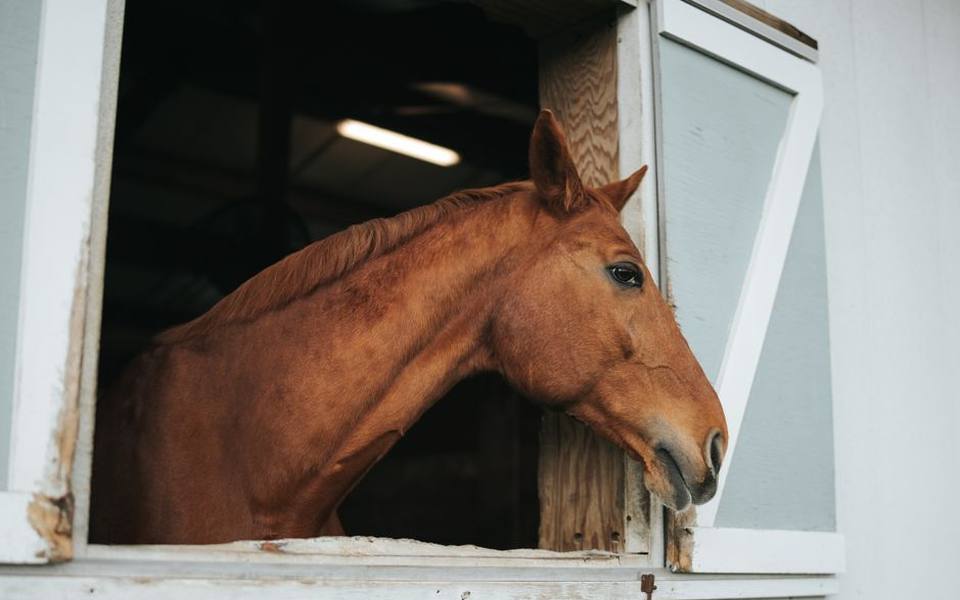
Aisle width is another critical metric when assessing equine barns. Narrow aisles under ten feet create dangerous pinch points where cross-tied horses can kick out or crowd passing handlers. Quality facilities typically offer wide, concrete or asphalt center aisles surfaced with non-slip rubber pavers, giving horses secure footing while leaving ample room for wheelbarrows, veterinary equipment, and tack trunks without creating bottlenecks.
Lighting, drainage, and utility placement also reveal how thoughtfully a barn was constructed. Reliable facilities protect electrical conduits with metal casing to prevent curious horses and rodents from chewing exposed wiring. Frost-free hydrants, wash stalls with warm water plumbing, and graded concrete floors with integrated floor drains make daily maintenance efficient and prevent standing water from creating slip hazards during cold winter mornings.
Evaluating Stall Design, Dimensions, and Bedding
A stall for a horse must provide enough clear square footage for the animal to turn around freely, stretch out flat on its side to achieve deep sleep, and stand comfortably without brushing against the walls. For average-sized riding horses, a twelve-by-twelve-foot stall is the standard baseline across the country. Larger warmbloods or draft crosses generally need a fourteen-by-fourteen-foot enclosure, whereas small ponies might manage well in a ten-by-ten space.
Construction materials directly influence safety inside horse stalls. Solid tongue-and-groove hardwood, reinforced steel mesh, or heavy interlocking composite lumber should line the lower four to five feet of wall to withstand direct kicks. Upper partitions should feature heavy-gauge metal bars spaced no more than three inches apart. This spacing prevents hooves from catching while still allowing horses to see their barn mates, which significantly reduces confinement anxiety.
Floor construction under the bedding dramatically affects equine joint health and respiratory wellness. Packed dirt over crushed limestone drains well but tends to develop deep, uneven hollows where horses paw. Solid concrete floors require seamless, heavy-duty vulcanized rubber mats topped with clean pine shavings, kiln-dried pellets, or chopped straw. A generous bedding layer absorbs urine completely, cushions hocks and knees, and prevents damp chill from radiating upward through the concrete.
Stall hardware also demands close scrutiny before moving a horse in. Sliding doors with recessed drop latches prevent horses from undoing their own locks or catching blanket straps when led in and out. Corner hay feeders and automatic water bowls must be bolted firmly at shoulder level without sharp edges. If a barn uses water buckets, double-ended snaps should hook securely to welded wall rings rather than flimsy baling twine.
Comparing Boarding Arrangements and Care Packages
Boarding horses can take several distinct contractual forms depending on how much hands-on labor you wish to handle yourself. Full care board is the most hands-off and predictable option for busy owners. Under full board, stable staff feed twice or thrice daily, turn horses out to pasture, muck stalls daily, provide clean bedding, and often handle basic fly spray or blanketing tasks as the weather shifts throughout the year.
Partial care board, sometimes called co-op boarding, offers an intermediate compromise between cost and labor. The barn owner typically supplies the physical stall, water, and paddock space, while boarders share shifts or split duties like morning feeding and evening turnout. While this arrangement lowers monthly board, it requires reliable communication among boarders and a dependable personal schedule to ensure no animal gets skipped during bad weather.
Self-care board requires the horse owner to handle every element of daily husbandry, from sourcing hay and feed to mucking daily and arranging manure disposal. While the monthly stall rental fee is lower, you bear full responsibility for twice-daily barn visits 365 days a year. For horses that thrive outdoors, pasture board provides round-the-clock turnout in large grass fields, usually with run-in sheds, fresh water troughs, and supplemental round bales during winter.
Regardless of the tier you choose, written boarding agreements must clearly outline what is included. A standard contract details feeding schedules, medication administration policies, turnout duration, and emergency veterinary authorization. Unclear verbal agreements often lead to disagreements over who is responsible for buying extra bedding, blanketing during unexpected cold snaps, or wrapping an injured limb when the owner is stuck at work.
Nutrition, Turnout Schedules, and Daily Equine Care
A healthy equine stable runs on steady predictability. Equine digestive systems are built for near-constant grazing, which means rigid feeding intervals and consistent forage quality are paramount. Dependable barns feed horses hay and concentrated feeds at the exact same hours every day. Sudden shifts in grain brands, late morning hay feedings, or moldy round bales represent common triggers for digestive upset and life-threatening colic episodes.
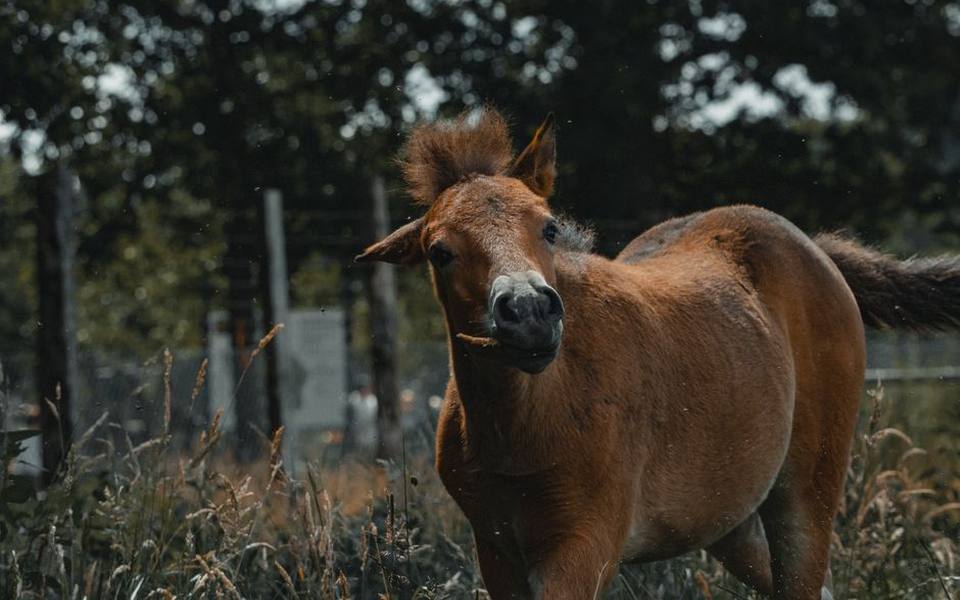
Pasture turnout is equally critical for physical soundness and mental stability. Horses turned out in herds or compatible pairs burn off excess energy, naturally wear down hooves on variable terrain, and maintain regular intestinal motility through continuous walking. Well-managed properties rotate paddocks to prevent overgrazing, seed pastures seasonally, and maintain safe sacrifice paddocks where horses can exercise without chewing up waterlogged turf during wet spring thaws.
Turnout safety requires ongoing pasture maintenance and dependable fencing. Barbed wire has no place on modern horse properties due to the catastrophic lacerations it can inflict. Professional facilities rely on four-board wood, flexible polymer rail, or high-tensile coated wire paired with visible top ribbons and electric strands. Gate latches should open smoothly from horseback or foot while remaining childproof and secure against clever horses that nudge pins open with their lips.
Evaluating Riding Arenas, Grounding, and Training Facilities
Beyond basic shelter and turnout, the quality of a facility's riding spaces dictates how effectively you can train and enjoy your horse. Boarders who ride year-round in northern or humid climates heavily favor stables with an indoor arena because they provide reliable protection against frozen mud, heavy snowfall, and blazing summer sun. A standard indoor arena measures roughly sixty by one hundred twenty feet, though dressage and jumping barns typically require seventy by two hundred feet.
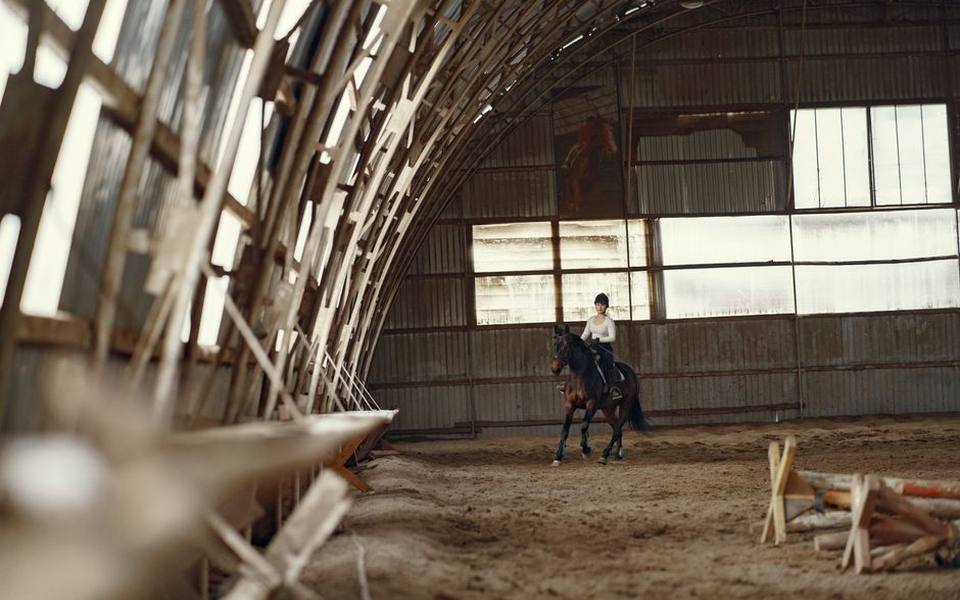
Arena footing is far more significant than roof cover alone. Poor footing—whether too deep, slick, dusty, or packed hard like concrete—places massive strain on soft tissues, suspensory ligaments, and deep digital flexor tendons. Premium equestrian arenas incorporate washed angular sand mixed with geotextile felt or rubber crumb over a laser-graded, compacted limestone base. This combination absorbs concussive shock while providing firm rebound during work.
For owners focused on performance, working with dedicated training stables provides access to specialized equipment like round pens, European hot walkers, cross-country fields, and competition-height jumps. If your primary goal is recreational pleasure riding, direct trail access connected to regional parks or private perimeter paths may matter far more than a mirrored indoor arena with overhead sprinkler systems.
Barn maintenance equipment gives subtle insight into riding surface care. Ask how often the arena footing is dragged, watered, and leveled. Footing that is dragged once a week will develop deep ruts on the rail and dangerous hard spots around jump landings. A barn that maintains dedicated water trucks, overhead misting lines, and specialized arena harrows clearly prioritizes equine soundness over cosmetic shortcuts.
Farm Safety, Biosecurity, and Disaster Preparedness
A professional horse stable must maintain rigorous safety and biosecurity protocols to protect its resident herd from communicable diseases. Whenever a new horse moves onto the property, reputable managers enforce a mandatory isolation period of two to three weeks away from the main barn. During this quarantine window, temperature checks and health monitoring ensure equine influenza, strangles, or herpesvirus do not spread across communal water sources.
Vaccination and deworming compliance should be non-negotiable for every resident on the property. Stables typically mandate annual or biannual core vaccinations, including tetanus, rabies, West Nile virus, and Eastern/Western equine encephalomyelitis, alongside negative Coggins test results for equine infectious anemia. Regular fecal egg counts should dictate targeted deworming protocols rather than blind rotational paste schedules that breed chemical resistance.
Fire safety is another critical pillar of responsible barn ownership. Straw, wood shavings, and dry grass hay create extraordinary fire loads inside enclosed structures. Top-tier barns store bulk hay bales in detached pole barns away from horse stalls to keep combustible dust away from electrical lines. Functional fire extinguishers should hang at every entrance, hose nozzles should remain unblocked, and emergency evacuation halters with lead ropes must hang beside every stall door.
Understanding the Real Costs of Boarding a Horse
Boarding costs vary dramatically across the United States, shaped primarily by local land values, feed prices, and labor markets. In rural counties or Midwestern farming communities, pasture board typically starts at several hundred dollars per month, while basic stall board might run moderately higher. In metropolitan suburbs or major equestrian hubs, full-service show board regularly climbs into multiple thousands per month.
When planning your monthly budget, base board is merely the starting point. Most horseback stables charge supplemental fees for routine operational care. You will often encounter separate line items for unblanketing, applying fly sheets, soaking hay for metabolic horses, administering oral supplements, holding your horse for the farrier, and storing horse trailers on the property grounds.
Routine healthcare expenses remain your responsibility regardless of board level. Routine farrier visits every six to eight weeks, annual dental floating, seasonal parasite management, and emergency medical reserves must all be budgeted alongside monthly barn invoices. Reviewing a stable's fee schedule beforehand ensures you will not face unexpected charges for services you assumed were folded into the standard board fee.
Touring Stables and Asking the Right Questions
Before signing any boarding contract, visiting the facility in person during active barn hours is essential. Arrive unannounced or during late afternoon feeding time when horses are active and chores are underway. Observe the overall atmosphere: are horses relaxed with heads down chewing hay, or are multiple animals weaving, cribbing on stall doors, and pacing fence lines out of stress and confinement boredom?
Pay careful attention to the cleanliness and air quality inside the barn aisles. An overpowering smell of ammonia indicates infrequent mucking, wet bedding accumulation, or severely inadequate natural ventilation. Check communal water troughs in paddocks—they should feature clean, clear water free from thick green algae, submerged rotting leaves, or mosquito larvae. Healthy facilities clean water buckets and troughs on a strict, rotating basis.
Do not hesitate to interview the barn manager directly regarding staff retention, horse turnout policies in bad weather, and after-hours presence. Ask who lives on-site to handle night checks and emergency colics. A facility where property owners or experienced barn managers live within eyesight of the stalls offers immense peace of mind compared to unmonitored properties that lock their gates at sundown.
Transitioning Your Horse into a New Boarding Facility
Moving to a new barn is an inherently stressful event for any horse, involving changes in herd hierarchy, water taste, forage chemistry, and daily routines. When trailering your horse to its new home, bring a two-week supply of your horse's current hay and grain. Abruptly switching from coastal Bermuda to rich alfalfa, or changing grain formulas overnight, severely disrupts gut microflora and spikes colic risks.
Introduce your horse to its new stall calmly. Give it plenty of familiar hay and fresh water, and allow several hours to explore the smells and sounds of the aisle before attempting any formal riding or schooling. If your horse seems hesitant to drink barn water due to unfamiliar mineral tastes or chlorination, mixing in a small splash of apple juice or electrolyte powder can encourage steady hydration over the first couple of days.
Turnout introductions must proceed with extreme caution. Never toss a new arrival directly into an established herd inside a tight pasture. Allow neighboring horses to touch noses across a secure, double-fenced paddock line for several days first. Once the animals have worked through initial squealing and posturing safely across the fence, turn them out together in a large, open field during daylight hours when staff can supervise closely.
Published 2026-09-20 · reviewed with each rebuild, last September 2026.
Find boarding stables near you
The directory lists 16,945 boarding stables by state and city — pick your state or use the “Near me” button in the header.
More guides
-
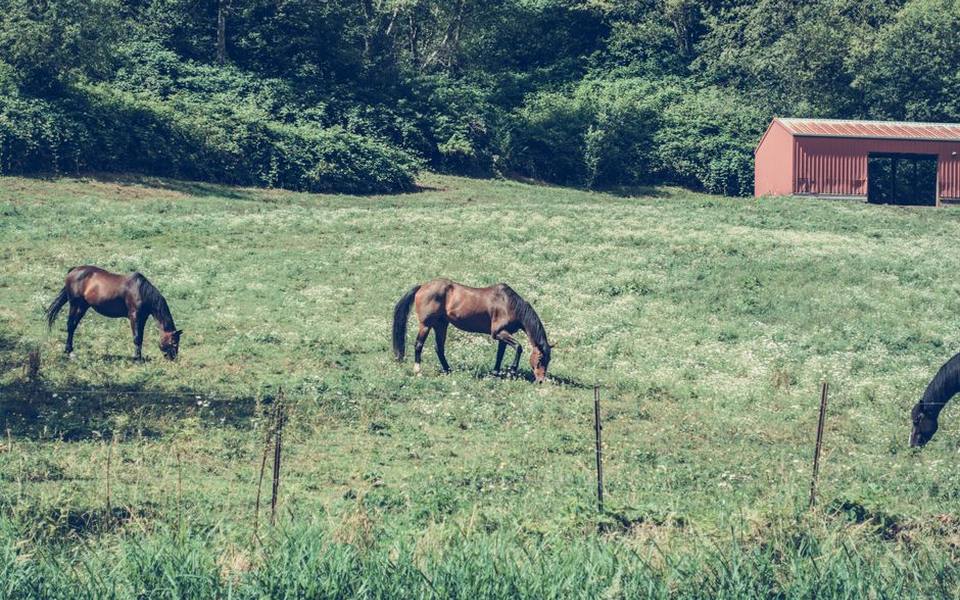 Money
MoneyUnderstanding Monthly Horse Boarding Expenses and Stable Fees
-
 Owning
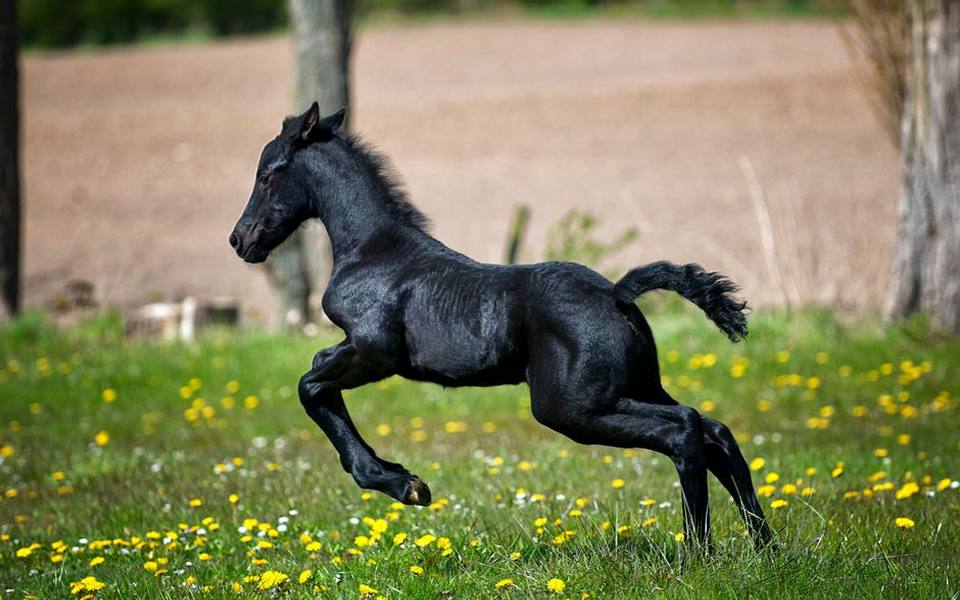
Understanding Friesian Horse Ownership: Traits, Costs, and Daily Care
-
 Owning
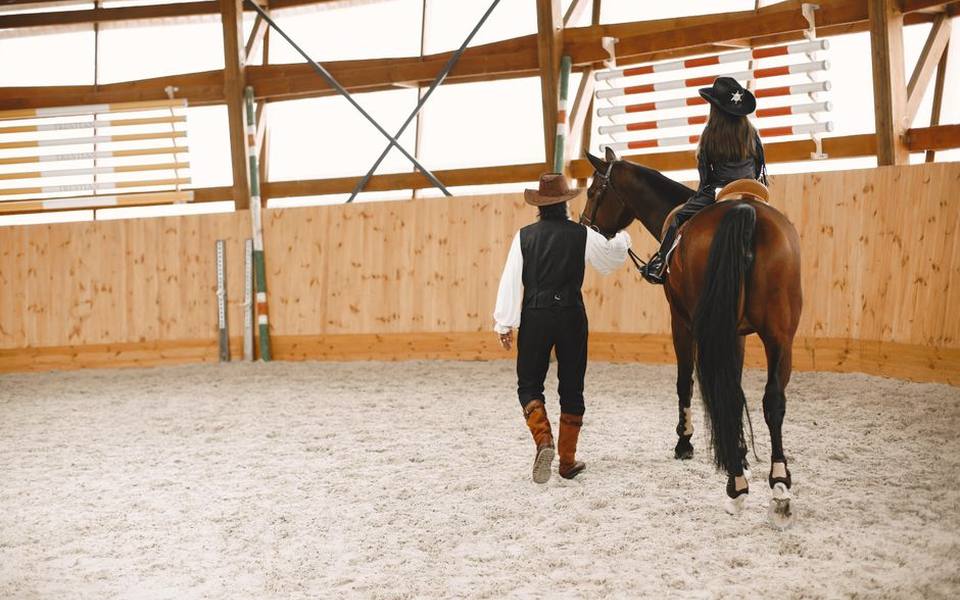
Understanding Riding Disciplines, Essential Tack, and the True Costs of Horse Ownership
-
 Money
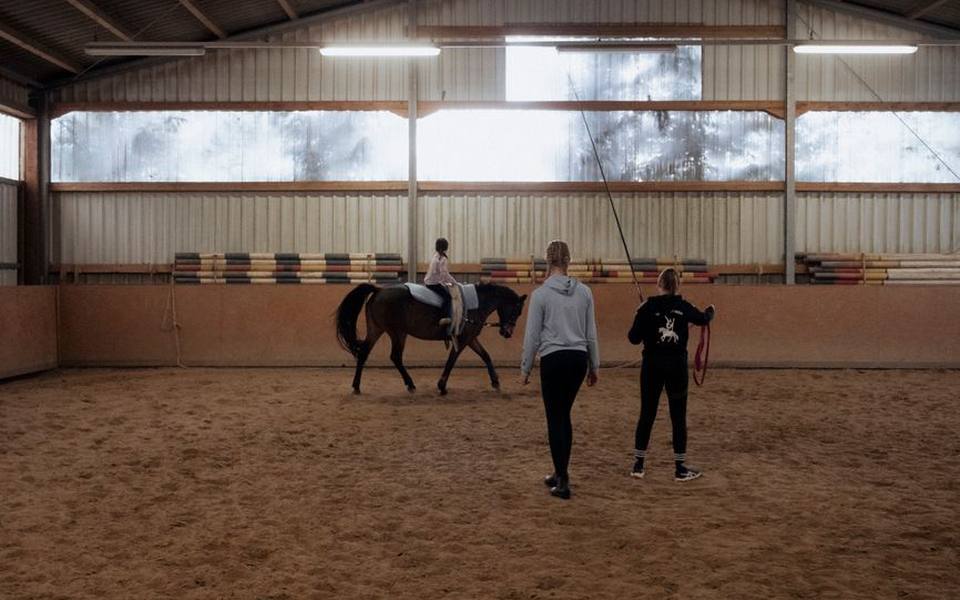
MoneyUnderstanding the Costs of Getting Started in the Saddle
-
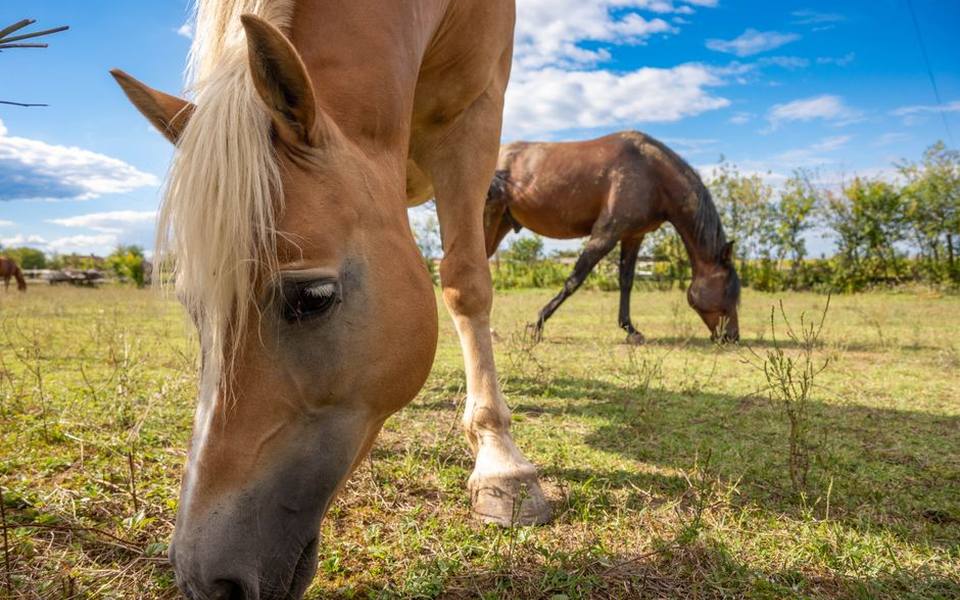 Buying
Understanding Initial Horse Purchase Prices by Breed, Size, and Training
-
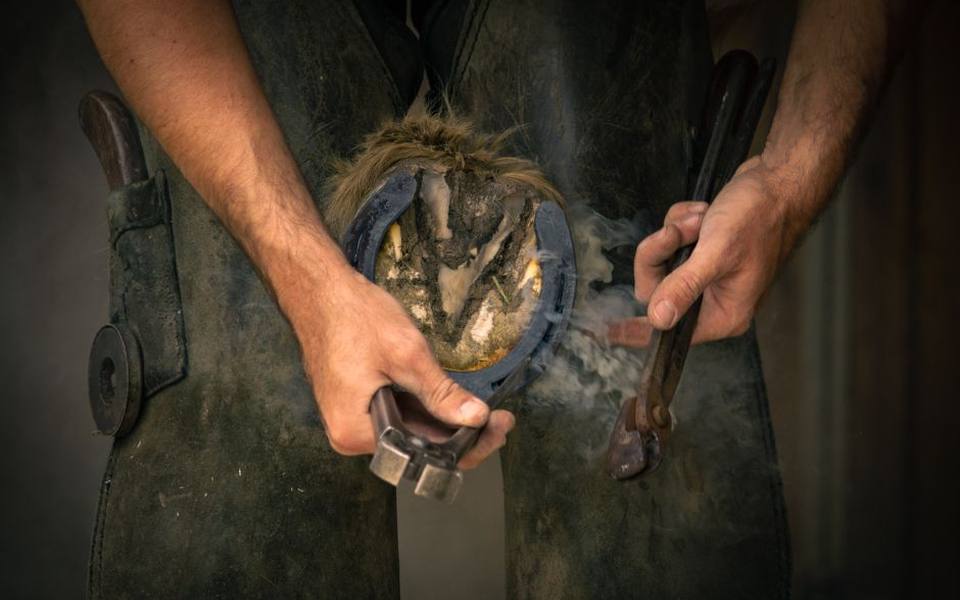 Service
The Career Path of a Farrier: Education, Training, and Timeline
-
Owning
Choosing Between Alfalfa and Orchard Grass Hay for Horses
-
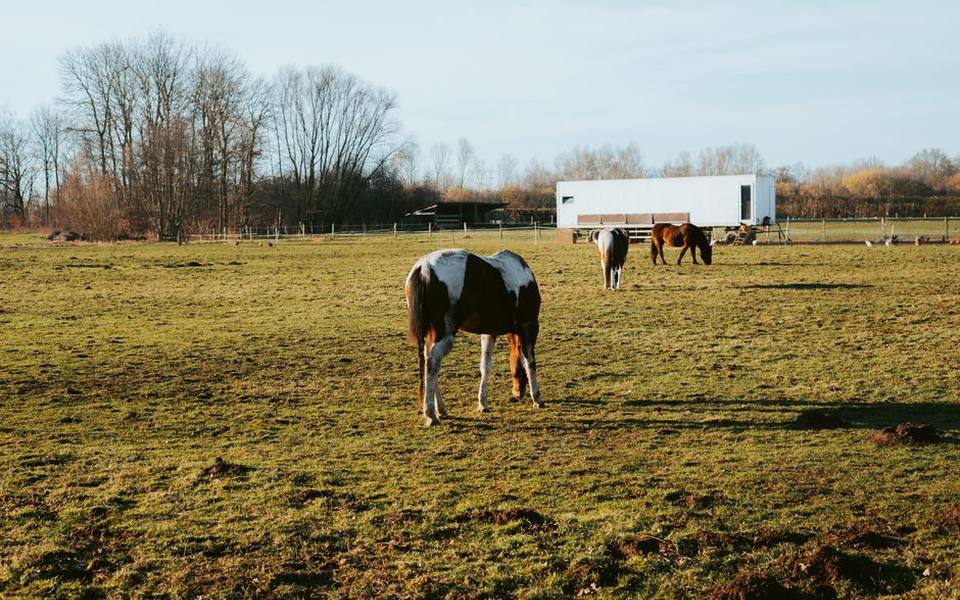 Money
MoneyEssential Horse Ownership Expenses: Leasing, Insurance, and Maintenance
-
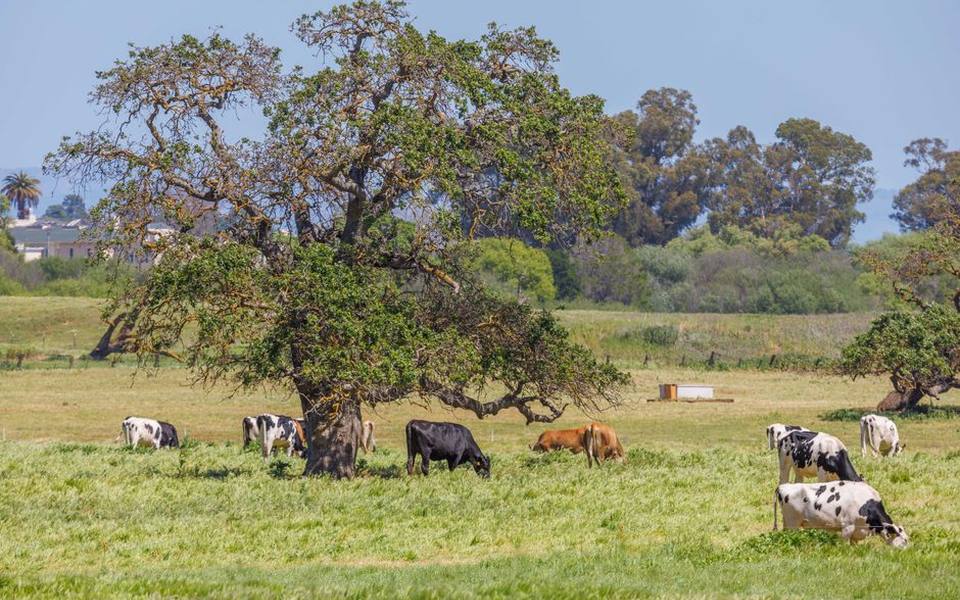 Owning
Complete Guide to Cattle Breeds: Dairy vs Beef Cow Selection and Care
-
 Buying
Horse Buying Guide: Breed Selection, Market Prices, and Classifieds
-
 Owning
Small Farm Livestock Breeding: Goats, Sheep, Pigs, and Poultry
-
 Buying
Miniature Livestock Guide: Mini Cattle, Ponies, and Pocket Equines
-
 Owning
Rubber Stall Mats and Horse Stall Flooring: A Complete Guide
-
 Buying
Guide to Horse Breeds, Breeders, and Equine Artificial Insemination
-
 Buying
Equestrian Riding Boots Buyer's Guide: Western and English Footwear
-
 Owning
Equine Health Care: Colic Signs, Deworming Charts, and Joint Supplements
-
 Owning
Complete Guide to Equine Fly Control: Sprays, Repellents, and Fly Sheets
-
 Safety
Equine Riding Helmets: Sizing, Safety Standards, and Selection Guide
-
 Service
Beach Horseback Riding and Trail Riding Tours Guide
-
 Service
Equine Training Fundamentals: Groundwork, Lunging Techniques, and Equestrian Vaulting
-
 Service
Equine-Assisted Therapy and Psychotherapy: A Practical Guide to Methods, Benefits, and Programs
-
 Buying
A Complete Guide to Buying a Horse: Breeds, Equine Sales, and Insurance
-
 Owning
Complete Guide to Horse Hoof Care, Farrier Services, and Hoof Boots
-
 Owning
A Complete Guide to Horse Grooming, Sheath Cleaning, Massage, and Routine Wellness
-
 Owning
Horse Barn Setup, Stall Infrastructure, Arenas, and Facility Equipment
-
 Buying
Beef and Dairy Cattle Breeds: Buyer's Guide, Traits, and Livestock Care
-
 Owning
Homestead Livestock Guide: Raising Sheep, Goats, Pigs, and Poultry
-
 Service
Equine Dentistry Guide: Floating Teeth, Routine Care, and Choosing a Practitioner
-
 Owning
Equine Saddles and Tack Care: Selection, Fit, Cleaning, and Room Setup
-
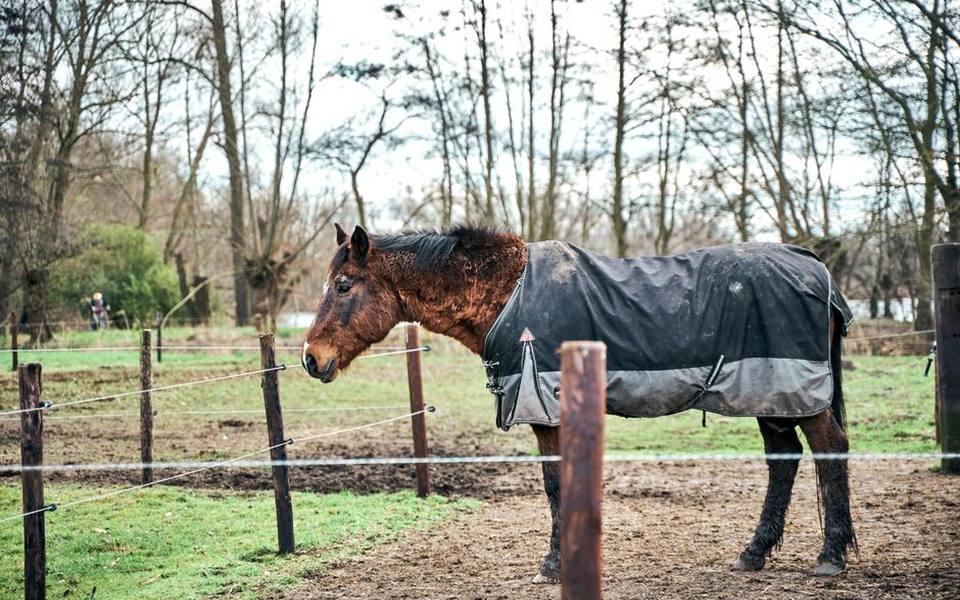 Owning
Horse Blankets and Sheet Guide: Fit, Turnout Types, and Fly Protection
-
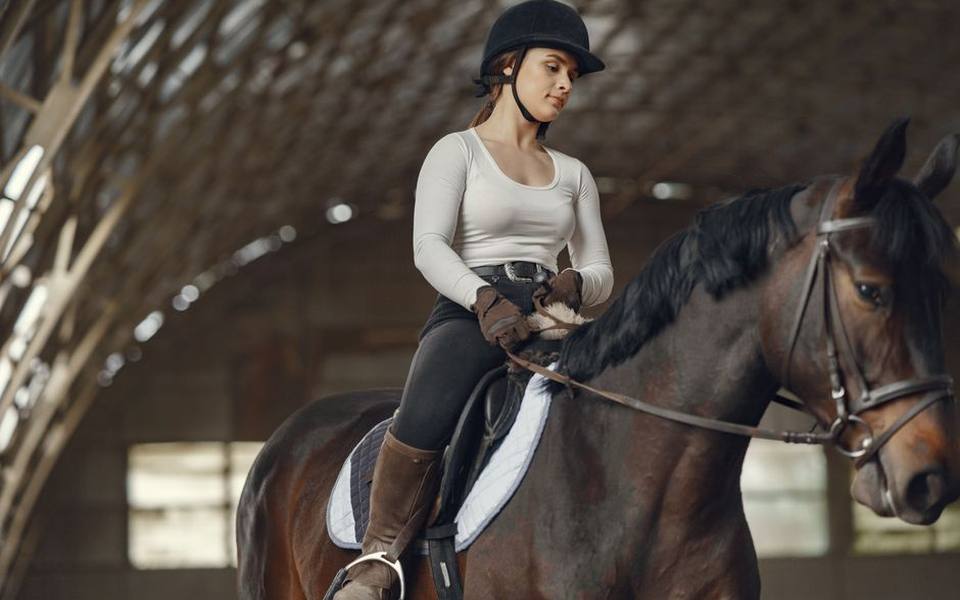 Safety
Equestrian Riding Apparel and Gear: Helmets, Boots, and Show Attire
-
 Owning
Equestrian Gift Guide: Practical and Thoughtful Presents for Horse Lovers and Riders
-
 Service
Horse Transportation Guide: Hauling Services, Trailer Rentals, and Layover Stables
-
 Owning
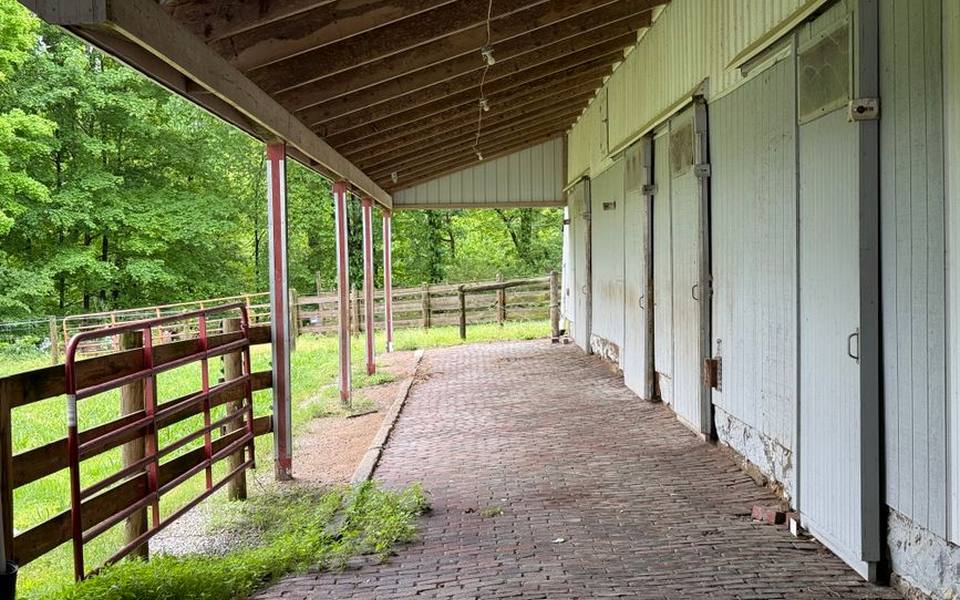
Designing and Managing a Boarding Stable: Facility Planning, Barn Construction, and Daily Operations
-
 Owning
Horse Health Care, Fly Control, and Preventative Vet Schedules
-
 Service
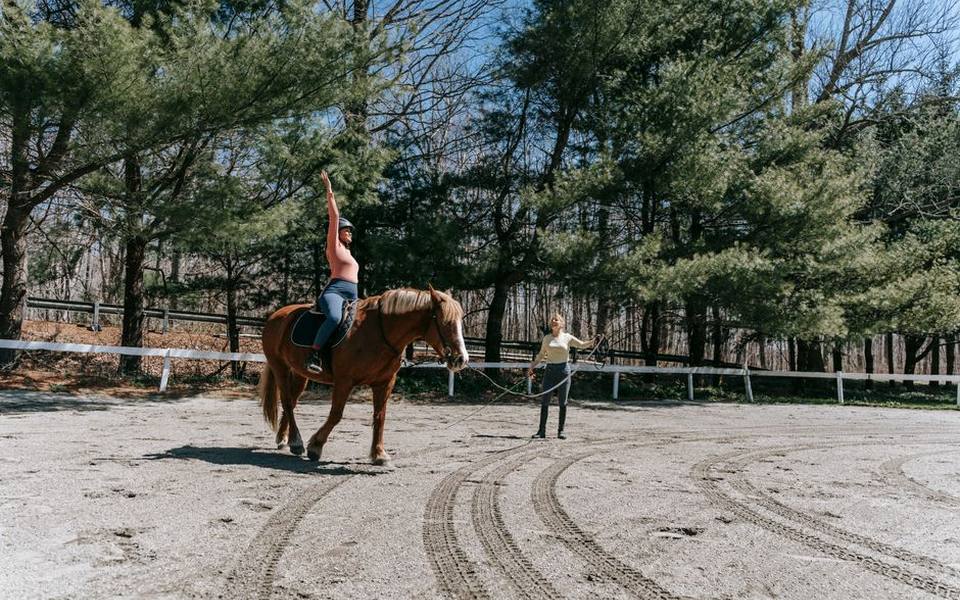
Beginner Equestrian Camps and Riding Programs: How to Choose the Right Barn
-
 Safety
A Complete Guide to Western Riding Helmets, Barn Footwear, Halters, and Hoof Gear
-
 Service
Guided Horseback Riding Tours & Vacation Stables Guide
-
 Buying
Buying and Selling Horses: Sales Auctions & Breed Marketplaces