Evaluating Miniature Livestock Before Bringing One Home
Miniature cattle and small equines offer acreage owners the livestock experience without the sheer mass of standard farm stock. A full-sized draft horse or beef cow can easily weigh well over a thousand pounds, requiring heavy-duty handling facilities and serious pasture acreage. In contrast, smaller breeds allow hobby farmers and rural property owners to maintain grazing animals on modest parcels. However, downsized livestock are still true farm animals with herd instincts, digestive vulnerabilities, and specific structural requirements that companion dog owners rarely anticipate.
Prospective buyers frequently underestimate the daily commitment these smaller species demand. Just because a miniature heifer or pony stands under three feet tall does not mean it functions like an oversized house pet. They still produce substantial manure, churn wet turf into deep mud during winter storms, and require routine professional care from veterinarians and farriers. Treating them like novelty yard ornaments often leads directly to behavioral rebellion, escaped stock, and severe dietary complications.
Before browsing classified ads or visiting breeding farms, you need a clear assessment of your property, your physical handling ability, and your regional climate. While a pair of pocket grazers can thrive on small acreage with proper rotational systems, poor planning quickly results in dirt-lot paddocks and neglected hooves. Understanding the anatomical, nutritional, and social differences between mini cattle and diminutive equines is the first step toward building a safe, sustainable homestead setup.
Miniature Highland Cattle Types and Registry Standards
The surging interest in shaggy, small-scale cattle has made miniature Highland cows some of the most sought-after homestead stock in North America. Traditional Scottish Highlands are a medium-to-large heritage breed renowned for cold hardiness, wide horns, and thick double coats. Miniature versions are typically developed either by selectively breeding down small purebred stock or through crossbreeding with established smaller breeds like Dexter or Lowline Angus cattle to reduce frame score without losing the signature long coat.
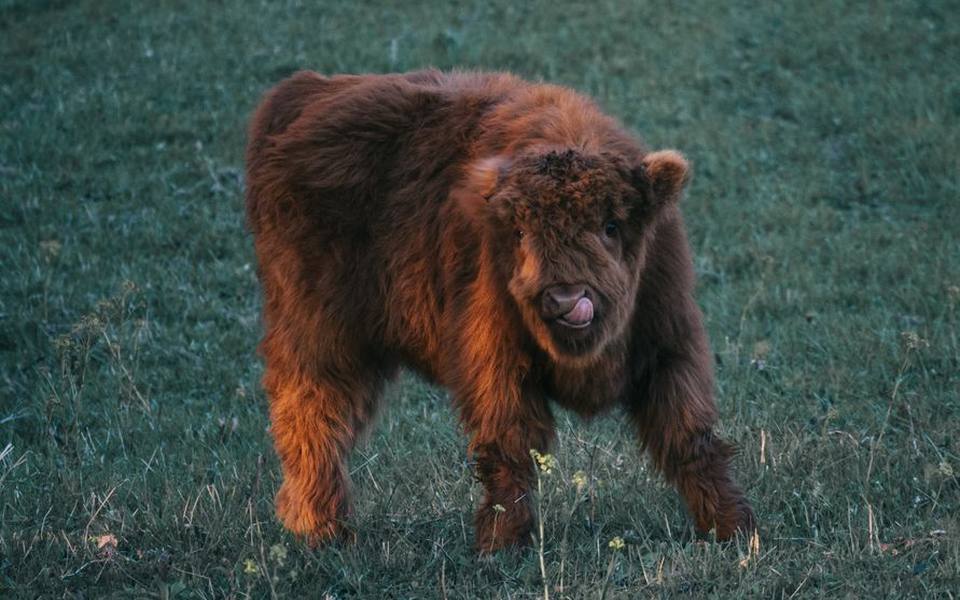
In most registries, cattle are classified by hip height measurements taken at three years of age rather than overall body weight. Standard miniature cattle typically measure between thirty-six and forty-two inches at the hip, while mid-miniatures fall into the forty-two to forty-eight inch range. Animals marketed under thirty-six inches are often called micro-minis, though prospective buyers should approach extreme dwarfing with caution. Extremely downsized cattle can suffer from disproportionate skeletal structure, joint deformities, and difficult calving presentations.
When evaluating Scottish-type cattle for sale, verify whether the seller offers registered purebred Highlands, percentage crosses, or unregistered commercial stock. Horns are standard for the breed and serve critical thermoregulation and defensive roles, but they also require careful consideration if you have children or narrow handling chutes. A polled or dehorned animal may be safer for standard barn doors and basic corral panels, depending on your experience level.
These cattle thrive in cold, damp climates where their dense coats shed moisture and insulate them against deep freezes. Conversely, keeping long-haired cattle in high-heat southern zones demands shaded run-ins, fans, and sometimes supplemental fly relief to prevent heat exhaustion during peak summer months.
Miniature Horses and Ponies: Frame, Type, and Conformation
While casual observers often blur the terminology, miniature horses and ponies represent distinct categories under equine breed registries. True miniature horses are bred to mirror the refined proportions of a full-sized light horse, featuring balanced necks, level toplines, and clean legs scaled down to thirty-four or thirty-eight inches at the withers. Ponies, such as traditional Shetlands, display heavier bone structure, deeper barrels, thicker winter coats, and sturdier frames capable of carrying small youth riders.
When looking at a miniature pony or downsized horse for sale, conformation matters just as much as it does on a thoroughbred. Because these animals carry substantial weight relative to their short limbs, structural flaws like severe cow-hocks, bench knees, or roach backs cause premature arthritis. Look for clean, straight legs, balanced angles in the shoulders and pasterns, and an alert eye. Be wary of individuals with shortened, curved lower legs, bulging foreheads, or severe underbites, which often point to underlying dwarfism genes.
Miniature stallions, mares, and geldings serve diverse roles, ranging from companion animals and driven carts to in-hand agility. If you intend to train your animal for cart pulling, look for broader bone density and a willing disposition. For those whose facilities are still in progress, researching dedicated horse boarding facilities can offer secure temporary stabling with safe paddocks and experienced equine staff while you finalize fencing at home.
Acreage Requirements and Pasture Stocking Realities
A common misconception is that a tiny grazer can live entirely off a quarter-acre suburban backyard. While smaller animals do consume fewer pounds of forage per day than standard cattle or horses, their grazing habits still rapidly degrade limited acreage. A single miniature horse or cow typically requires at least a half-acre to an full acre of quality pasture to maintain vegetative cover, depending on soil productivity, irrigation, and seasonal rainfall in your region.
Both species possess distinct digestive styles that dictate how they interact with pasture turf. Miniature cattle are ruminants with four-chambered stomachs, grasping grass with their tongues and fermenting fibrous forage over time. Equines are hindgut fermenters that bite plants close to the root with their incisors, meaning a tiny horse or pony can scalp a pasture down to bare dirt in a matter of weeks if stocking density is too high.
Implementing a sacrifice dry lot combined with cross-fenced rotational paddocks is essential on small properties. This system allows you to remove animals from wet, fragile pastures during mud season and feed tested grass hay instead. Homesteaders who lack sufficient grazing room often turn to private pasture board at established farms, which provides managed turnout space without tearing up home lawns.
Fencing, Barns, and Enclosure Security
Standard farm fencing designed for full-sized cattle and warmbloods is notoriously ineffective for pocket-sized livestock. A miniature calf or yearling pony can walk directly underneath a standard three-rail wooden paddock fence or slip easily through wide wire strand spacing. Enclosures must be built lower to the ground, with bottom rails or wire mesh sitting no more than a few inches above the soil line to prevent escapes or entrapment.
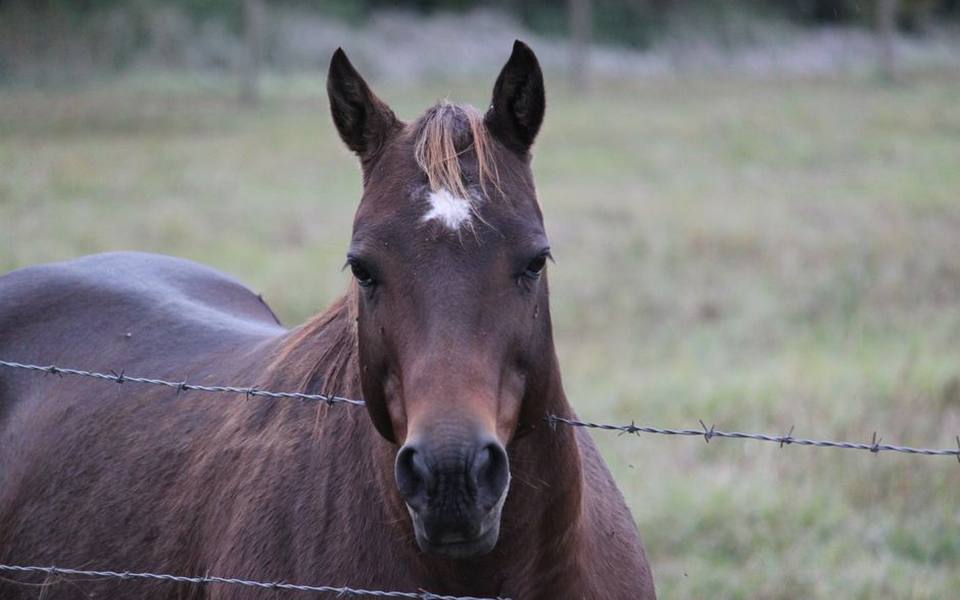
Woven wire mesh, commonly called no-climb horse fence with two-by-four-inch openings, represents the gold standard for small livestock. This layout prevents small hooves from catching in the wire and keeps predators, such as coyotes and free-roaming domestic dogs, from entering the paddock. Loose dogs pose an existential threat to mini stock; their small stature triggers canine prey drive, and miniatures lack the bulk to defend themselves like thousand-pound animals can.
Shelter needs are straightforward but non-negotiable. A three-sided run-in shed facing away from prevailing winds provides adequate winter cover in most regions. Ensure internal feed bunks and automatic water troughs are installed at appropriate heights so small animals can drink comfortably without stretching or risking submersion. If you live in regions known for humid summers like Texas, adequate shade structures and open cross-ventilation in your barn are vital to prevent respiratory distress in heavy-coated stock.
Nutritional Pitfalls, Metabolic Risks, and Feeding Routines
Managing the diet of downsized livestock is often an exercise in restriction rather than supplementation. Because their metabolic rates are remarkably efficient, miniature equines are extraordinarily prone to obesity, equine metabolic syndrome, and laminitis. Allowing a mini horse or pony unrestricted access to lush spring pasture can trigger a catastrophic founder episode within hours, causing irreversible damage to the sensitive laminae inside their tiny hooves.
For small equines, the daily ration should consist primarily of weighed, low-sugar grass hay fed at approximately one and a half to two percent of their ideal body weight. Grains, sweet feeds, and high-starch concentrates should generally be avoided unless specifically directed by a veterinarian for a hard-working driving horse or lactating mare. Grazing muzzles and slow-feed hay nets with tiny openings are indispensable tools for slowing intake and extending chewing time throughout the day.
Miniature cattle also face distinct metabolic hazards, including pasture bloat from rich legumes like alfalfa and clover. While their ruminant digestive systems handle coarse roughage better than equines, sudden dietary shifts can disrupt the delicate bacterial balance in their rumen. Both species require continuous access to clean, fresh water and species-specific mineral supplements, as sheep or cattle mineral mixes containing high copper levels can be toxic to horses.
Hoof Care, Dental Maintenance, and Preventative Healthcare
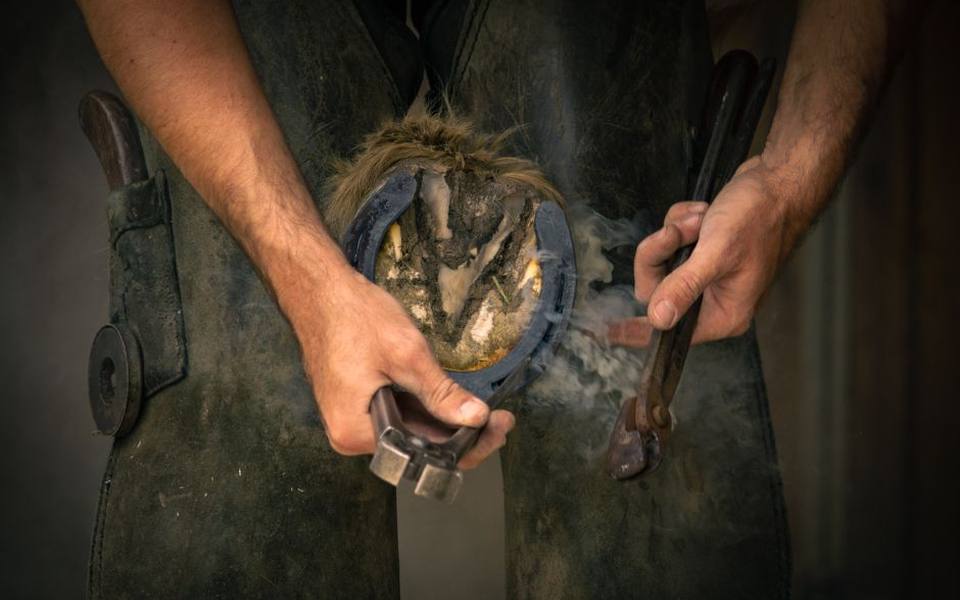
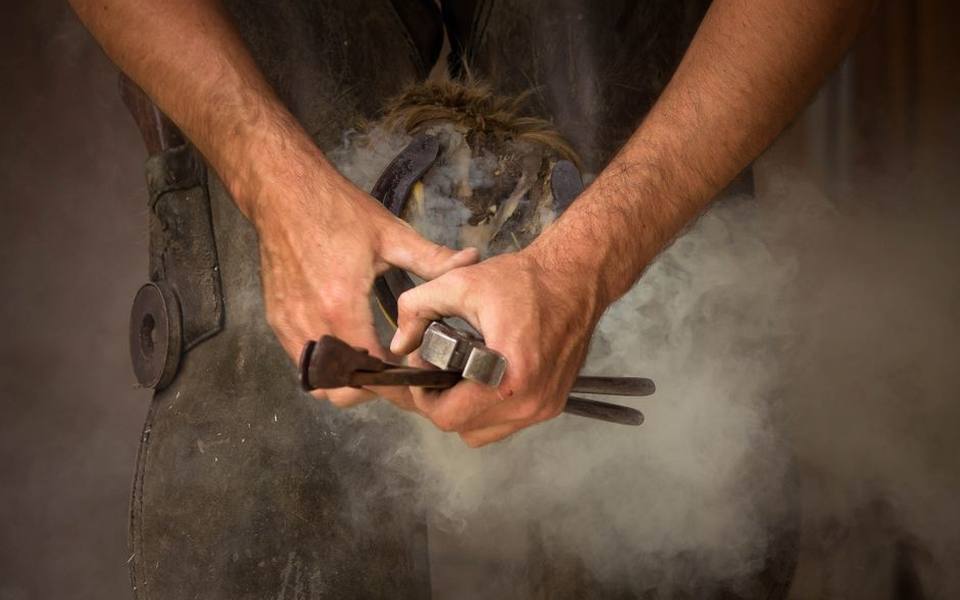
Small stature does not mean reduced maintenance costs when it comes to routine veterinary and farrier support. Miniature horses and ponies need their hooves trimmed by a skilled farrier every six to eight weeks without exception. Their small foot capsule can flare or develop contracted heels quickly if neglected, leading to skeletal strain. Finding a professional willing to work close to the ground can sometimes require calling multiple local barns to secure reliable service.
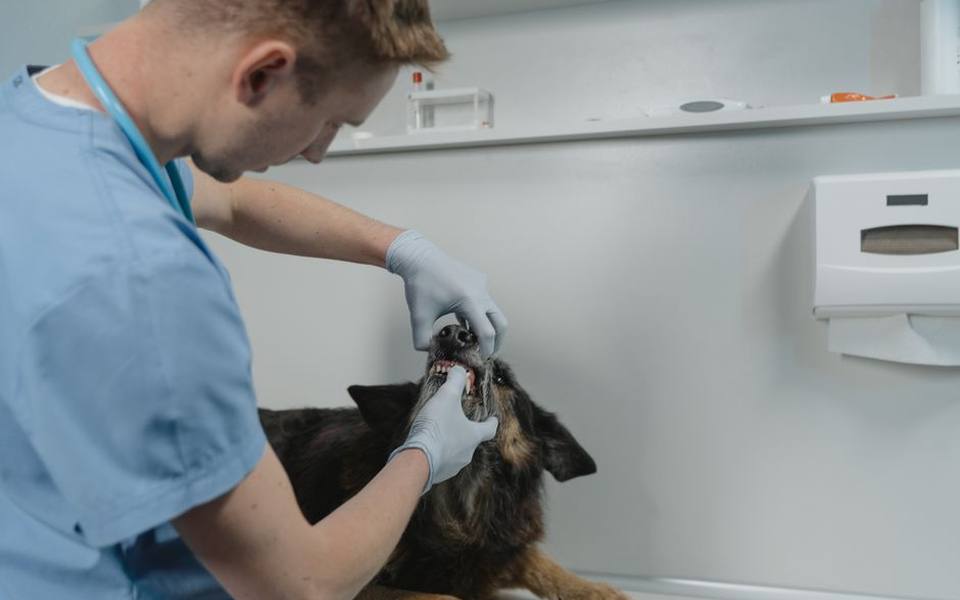
Dental care is another critical vulnerability for tiny equines. Because their skulls have been selectively bred down while their tooth size has remained relatively large, crowding, malocclusions, and retained caps are widespread. An equine dentist should examine their mouths annually to float sharp enamel points and resolve bite abnormalities that could otherwise prevent proper chewing and cause choke or weight loss.
Miniature cattle demand a distinct medical schedule, including core vaccinations for clostridial diseases, bovine respiratory viruses, and annual deworming protocols tailored to fecal egg counts. While mini cattle can live fifteen to twenty years, miniature horses routinely live well past thirty years. Buyers must view them as long-term animal commitments that require steady financial budgeting for veterinary emergencies, seasonal booster shots, and biosecurity.
Handling Intact Males: Stallions, Bulls, and Hormonal Behavior
A common pitfall for inexperienced buyers is purchasing an ungelded male because the purchase price appears lower or the seller markets breeding potential. Intact miniature stallions and young bulls retain every ounce of wild hormonal instinct found in their full-sized counterparts. Despite their compact size, an aggressive mini stallion can rear, strike, bite viciously, and easily knock down an adult handler, making them completely unsuitable as family companions or children's pets.
Managing breeding males requires specialized facilities, double fencing, and advanced handling experience. Small bulls can destroy fence lines to reach neighboring females, and miniature stallions will readily attempt to breed standard mares, risking severe injury from defensive kicks. Furthermore, unmonitored breeding among backyard stock perpetuates severe genetic defects, such as disproportionate dwarfism genes that cause life-threatening skeletal deformities and airway obstructions.
Unless you are an experienced breeder with strict genetic registries and dedicated bachelor paddocks, always choose a gelding or steer. Castrated males are noticeably calmer, more predictable, and far more consistent herd mates. If you are developing handling skills, working with trainers experienced in ground manners through professional horse training programs provides the solid foundation necessary to handle even small equines safely.
Price Expectations, Transport Costs, and Hidden Expenses
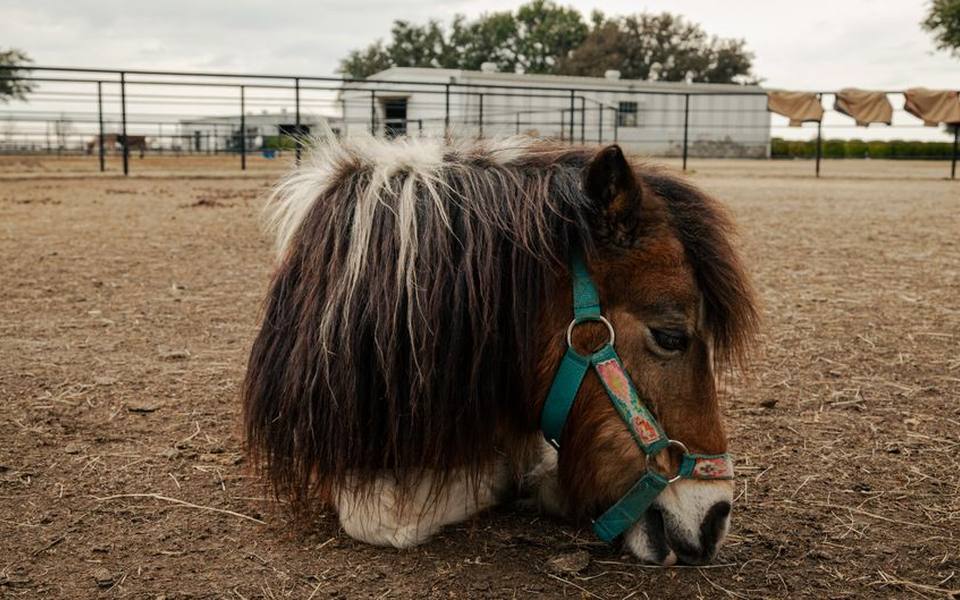
Market pricing for miniature livestock varies widely depending on pedigree, registry status, conformation, and cosmetic traits. A pet-quality miniature horse or pony typically costs anywhere from eight hundred to twenty-five hundred dollars, whereas registered driving prospects or show-quality breeding stock can reach four to six thousand dollars. Unregistered backyard sales may appear cheaper, but they frequently arrive with undiagnosed health issues or structural flaws that quickly erase initial savings.
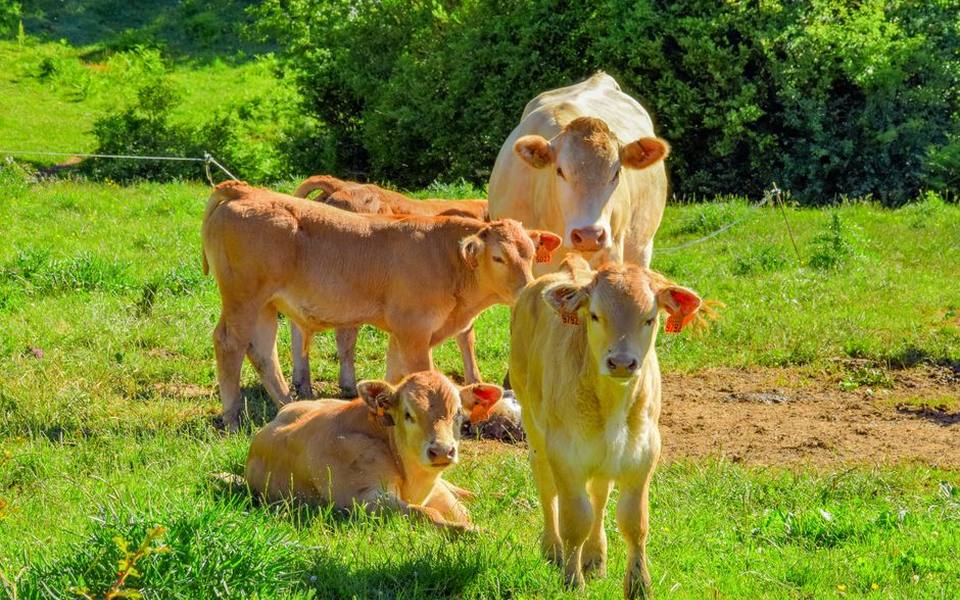
Miniature Highland cattle currently command premium prices due to widespread social media popularity. Typical prices for weaned mini Highland calves range from three thousand to eight thousand dollars, with rare colors, polled genetics, or exceptionally small verified bloodlines occasionally climbing even higher. Beware of sellers advertising ultra-cheap highland calves online; advance-deposit scams and mislabeled commercial dairy crossbreds are prevalent across digital classified boards.
Beyond purchase fees, realistic buyers must calculate transportation, paddock retrofitting, and preventative veterinary setups into their initial budget. Standard horse trailers often have chest bars and escape doors that sit too high for secure miniature transport, necessitating enclosed stock trailers with lower dividing gates. Factor in annual costs for quality hay, bedding, farrier visits, and routine vaccinations to understand the full financial scope before signing a bill of sale.
Sourcing Ethically and Conducting Pre-Purchase Checks
Finding healthy stock begins with visiting the breeder's facility in person whenever possible. Observe the general cleanliness of the property, the body condition of the herd, and how the animals interact with human handlers. Avoid operations where animals appear skittish, kept in dark stalls without turnout, or display untreated respiratory issues, runny eyes, or severely overgrown hooves. Ethical breeders welcome questions regarding pedigree, parentage heights, and vaccination histories.
Always request a formal pre-purchase veterinary examination before transferring funds. A veterinarian will check heart function, palpate joints, inspect teeth for severe malocclusions, and evaluate the animal's eyes for recurrent uveitis or cataracts. For miniature cattle, request testing for common herd diseases like Johne's disease and bovine viral diarrhea, which can devastate a small herd and contaminate pasture soils indefinitely.
Ensure all legal paperwork is completed prior to loading the animal for transport. In most states, moving livestock across county or state lines requires an official Certificate of Veterinary Inspection and negative Coggins blood tests for equines. Having a clear bill of sale documenting the animal's microchip, tattoo, or unique markings protects your investment and ensures a transparent transaction from farm to trailer.
Published 2026-09-20 · reviewed with each rebuild, last September 2026.
Find boarding stables near you
The directory lists 16,945 boarding stables by state and city — pick your state or use the “Near me” button in the header.
More guides
-
 Money
MoneyUnderstanding Monthly Horse Boarding Expenses and Stable Fees
-
 Owning
Understanding Friesian Horse Ownership: Traits, Costs, and Daily Care
-
 Owning
Understanding Riding Disciplines, Essential Tack, and the True Costs of Horse Ownership
-
 Money
MoneyUnderstanding the Costs of Getting Started in the Saddle
-
 Buying
Understanding Initial Horse Purchase Prices by Breed, Size, and Training
-
 Service
The Career Path of a Farrier: Education, Training, and Timeline
-
Owning
Choosing Between Alfalfa and Orchard Grass Hay for Horses
-
 Money
MoneyEssential Horse Ownership Expenses: Leasing, Insurance, and Maintenance
-
 Owning
Complete Guide to Cattle Breeds: Dairy vs Beef Cow Selection and Care
-
 Buying
Horse Buying Guide: Breed Selection, Market Prices, and Classifieds
-
 Owning
Small Farm Livestock Breeding: Goats, Sheep, Pigs, and Poultry
-
 Owning
The Complete Guide to Horse Boarding, Stables, and Facilities
-
 Owning
Rubber Stall Mats and Horse Stall Flooring: A Complete Guide
-
 Buying
Guide to Horse Breeds, Breeders, and Equine Artificial Insemination
-
 Buying
Equestrian Riding Boots Buyer's Guide: Western and English Footwear
-
 Owning
Equine Health Care: Colic Signs, Deworming Charts, and Joint Supplements
-
 Owning
Complete Guide to Equine Fly Control: Sprays, Repellents, and Fly Sheets
-
 Safety
Equine Riding Helmets: Sizing, Safety Standards, and Selection Guide
-
 Service
Beach Horseback Riding and Trail Riding Tours Guide
-
 Service
Equine Training Fundamentals: Groundwork, Lunging Techniques, and Equestrian Vaulting
-
 Service
Equine-Assisted Therapy and Psychotherapy: A Practical Guide to Methods, Benefits, and Programs
-
 Buying
A Complete Guide to Buying a Horse: Breeds, Equine Sales, and Insurance
-
 Owning
Complete Guide to Horse Hoof Care, Farrier Services, and Hoof Boots
-
 Owning
A Complete Guide to Horse Grooming, Sheath Cleaning, Massage, and Routine Wellness
-
 Owning
Horse Barn Setup, Stall Infrastructure, Arenas, and Facility Equipment
-
 Buying
Beef and Dairy Cattle Breeds: Buyer's Guide, Traits, and Livestock Care
-
 Owning
Homestead Livestock Guide: Raising Sheep, Goats, Pigs, and Poultry
-
 Service
Equine Dentistry Guide: Floating Teeth, Routine Care, and Choosing a Practitioner
-
 Owning
Equine Saddles and Tack Care: Selection, Fit, Cleaning, and Room Setup
-
 Owning
Horse Blankets and Sheet Guide: Fit, Turnout Types, and Fly Protection
-
 Safety
Equestrian Riding Apparel and Gear: Helmets, Boots, and Show Attire
-
 Owning
Equestrian Gift Guide: Practical and Thoughtful Presents for Horse Lovers and Riders
-
 Service
Horse Transportation Guide: Hauling Services, Trailer Rentals, and Layover Stables
-
 Owning
Designing and Managing a Boarding Stable: Facility Planning, Barn Construction, and Daily Operations
-
 Owning
Horse Health Care, Fly Control, and Preventative Vet Schedules
-
 Service
Beginner Equestrian Camps and Riding Programs: How to Choose the Right Barn
-
 Safety
A Complete Guide to Western Riding Helmets, Barn Footwear, Halters, and Hoof Gear
-
 Service
Guided Horseback Riding Tours & Vacation Stables Guide
-
 Buying
Buying and Selling Horses: Sales Auctions & Breed Marketplaces