Navigating Online Classifieds and Private Horse Sales
Finding the right mount starts with understanding how modern horse sales operate across public platforms and private networks. Prospective buyers commonly browse digital horse classifieds, private barn noticeboards, and social media sale groups. While searching through listings for horses for sale, it is easy to get overwhelmed by the sheer volume of advertisements, varying terminologies, and wide price discrepancies. Knowing how to filter ads based on your actual riding ability and intended discipline saves significant time and prevents costly mismatches.
When browsing listings where an owner has listed a horse for sell, pay close attention to the descriptive language used by the seller. Phrases like 'green,' 'needs an experienced hand,' or 'selling due to no fault of his own' often carry subtle meanings regarding temperament and training gaps. Many regional barns and boarding stables maintain private networks or direct bulletin boards connecting local owners with prospective buyers, offering an alternative to anonymous classified portals where history might be vague.
Connecting with established barns often provides a clearer picture of an animal's daily routine and true temperament than a standalone online listing. Many prospective buyers find success by browsing established equestrian facilities with horses for sale, where horses can be seen in their regular environment alongside trainers who understand their habits. These settings typically allow for more structured viewings, access to arena equipment, and a transparent look at how the animal interacts with other horses and handlers.
Evaluating American Quarter Horses for Versatility and Value
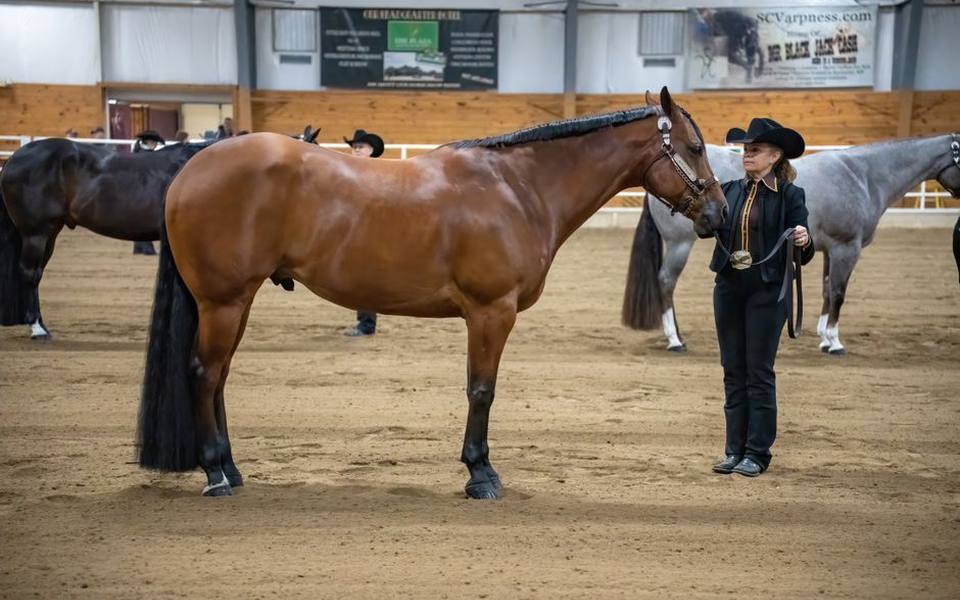
The American Quarter Horse remains the most popular breed across North America, prized for its calm disposition, muscular build, and incredible adaptability. If you are examining quarter horses for sale, you will quickly notice an expansive price spectrum that reflects lineage, training level, and athletic discipline. Working ranch horses, reining prospects, and finished trail mounts each carry distinct baseline values depending on bloodlines, foundation breeding, and formal competition records.
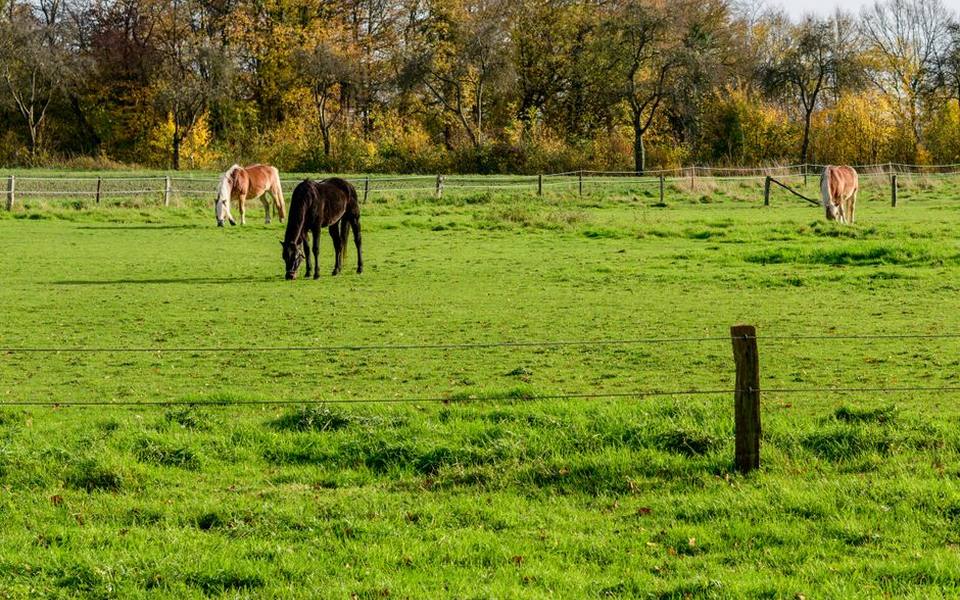
A standard family trail mount or entry-level stock horse typically commands a moderate price point, often ranging between four thousand and ten thousand dollars, depending on age, soundness, and training. Conversely, a registered quarter horse for sale with proven cutting bloodlines, competitive reining championships, or top-tier barrel racing times can easily climb into significant five-figure valuations. Buyers should focus less on bloodline prestige and more on whether the animal’s training foundation matches their personal goals.
Conformation plays a decisive role when assessing any stock horse. Look for balanced proportions, clean legs free of substantial windpuffs or bone changes, and a strong, sloping shoulder that promotes comfortable gaits. Quarter horses are historically prone to specific genetic conditions such as HYPP or PSSM, so verifying genetic panel testing through breed registry papers is an essential part of evaluating any individual before making a financial commitment.
The Appeal and Realities of Buying a Friesian
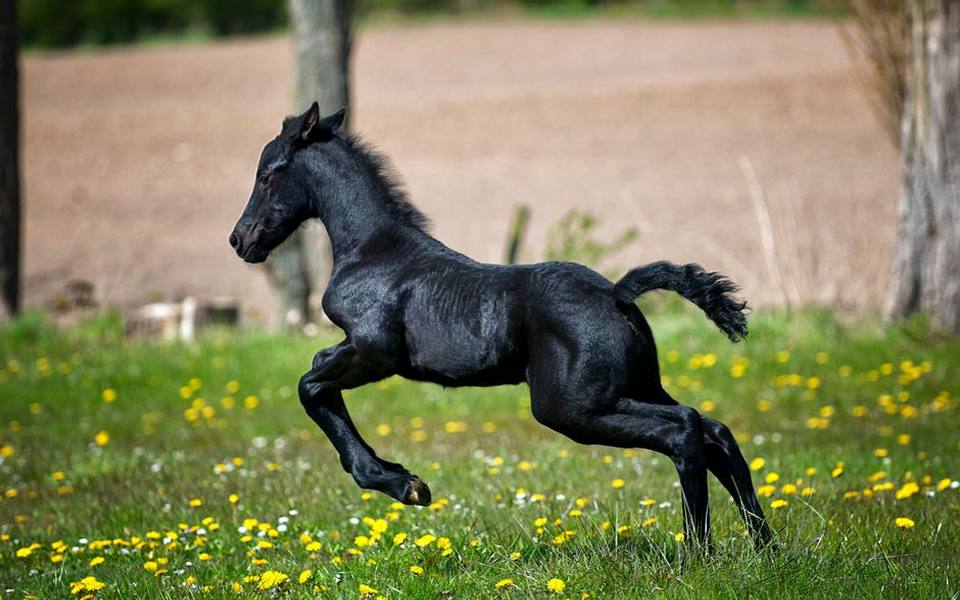
With their flowing manes, pronounced feathering, and dramatic high-stepping trot, Friesians capture substantial attention in the sport horse market. However, purchasing a Friesian involves distinct considerations regarding maintenance, athletic suitability, and long-term costs. Originally bred in the Netherlands as carriage and utility animals, modern Friesians excel in classic dressage, driving, and recreational pleasure riding, but they require consistent conditioning to support their heavy, upright frames.
A prospective buyer seeking a friesian stallion will encounter higher market barriers than those looking for mares or geldings. Stallions demand experienced handling, specialized turnout arrangements, and strict management to prevent behavioral issues, particularly around other horses. Intact breeding-quality stallions typically command premium prices, often starting well above fifteen thousand dollars and reaching substantially higher figures depending on Dutch registry studbook inspection scores, motherline status, and verified dressage training.
When evaluating a friesian stallion for sale or even a family-oriented gelding, pay careful attention to respiratory health, joint flexibility, and skin integrity around the lower legs. The dense feathering on Friesian fetlocks can trap moisture, making the breed susceptible to conditions such as pastern dermatitis or scratches if stalls and pastures are not kept clean and dry. In addition, their thick black coats and heavier body mass mean they require careful cooling strategies in hot, humid climates.
Draft Horses in Modern Equestrian Life: The Belgian Draft
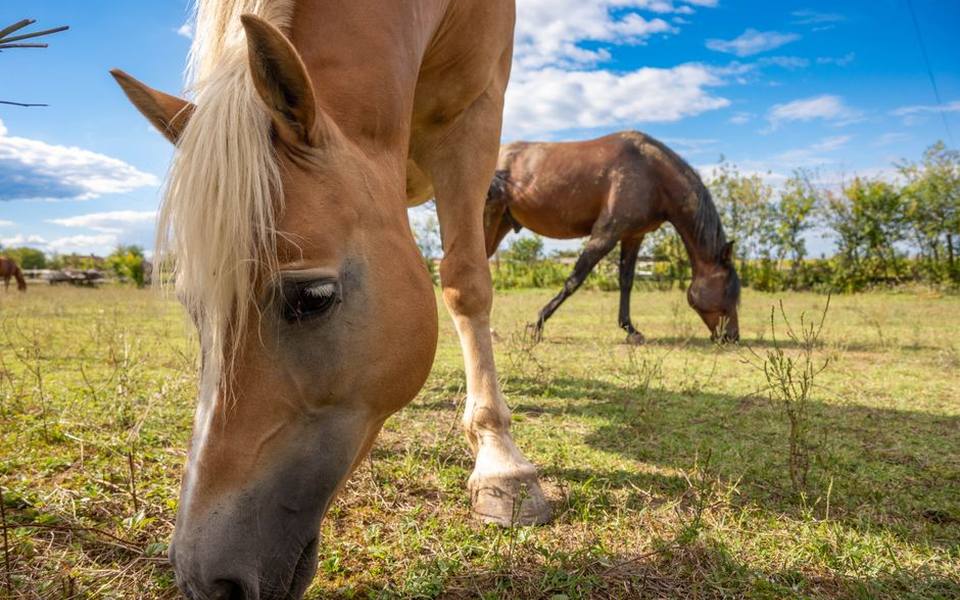
Belgian draft horses have transitioned from traditional agricultural workhorses into beloved companions for pleasure driving, trail riding, and therapeutic riding programs. Known for their chestnut or sorrel coloring, flaxen manes, and quiet dispositions, these heavy horses offer an exceptionally calm demeanor that appeals to riders seeking an unflappable partner. Their size alone, however, introduces unique management and ownership considerations that differ markedly from light saddle breeds.
A mature Belgian often weighs between eighteen hundred and over two thousand pounds, which impacts every facet of day-to-day care. Farrier services for draft stock are typically more expensive because working with such massive hooves demands specialized tools, large-scale horseshoes, and skilled handling. Trailer transport also requires reinforced flooring, extra width, and higher clearance than standard two-horse bumper-pull trailers provide, which prospective buyers must account for prior to purchase.
Feeding a draft horse requires careful nutritional balancing rather than simply offering immense piles of sweet feed. Because their metabolism is relatively efficient despite their physical size, excessive starches can trigger tying-up syndromes such as equine polysaccharide storage myopathy. High-quality forage combined with balanced mineral supplements typically forms the foundation of a healthy draft ration, keeping weight stable without placing undue strain on their heavy joints.
Working with Reputable Horse Breeders and Specialty Programs
Purchasing directly from established horse breeders offers transparency regarding an animal's early handling, maternal environment, and genetic history. A quality breeding program prioritizes conformational correctness and mental stability alongside breed standards, rather than simply producing foals for volume. When touring breeding farms, observe the cleanliness of the foaling stalls, the condition of the broodmares, and how young stock react to human presence and everyday handling.
Buyers interested in distinct color genetics often seek out specialized appaloosa breeders who understand both the visual appeal and physical realities of the breed. Appaloosas are celebrated for their mottled skin, striped hooves, visible sclera, and striking coat patterns like blankets and leopards. However, the leopard complex gene linked to their patterning is also associated with equine recurrent uveitis and congenital stationary night blindness, conditions that responsible breeders actively monitor and manage.
A legitimate breeding farm will readily share registration documentation, parentage verification via DNA, and vaccination records for every horse they offer. They should also provide a transparent sales contract specifying health guarantees, clear legal transfer of ownership papers, and any return policies. Asking for references from previous buyers who purchased yearlings or young prospects from the facility is standard practice and helps confirm the breeder's ongoing professional integrity.
Sifting Through Equine Listings to Avoid Costly Scams
Browsing broad digital marketplaces for equine horses for sale requires a healthy dose of skepticism to avoid fraudulent advertisements and deceptive sellers. High-demand breeds, trained family horses, and fancy show prospects are frequently used by online scammers who scrape photos and videos from legitimate sales barns. A price that seems dramatically lower than comparable market listings is almost always the first warning sign of an illegitimate or problematic offering.
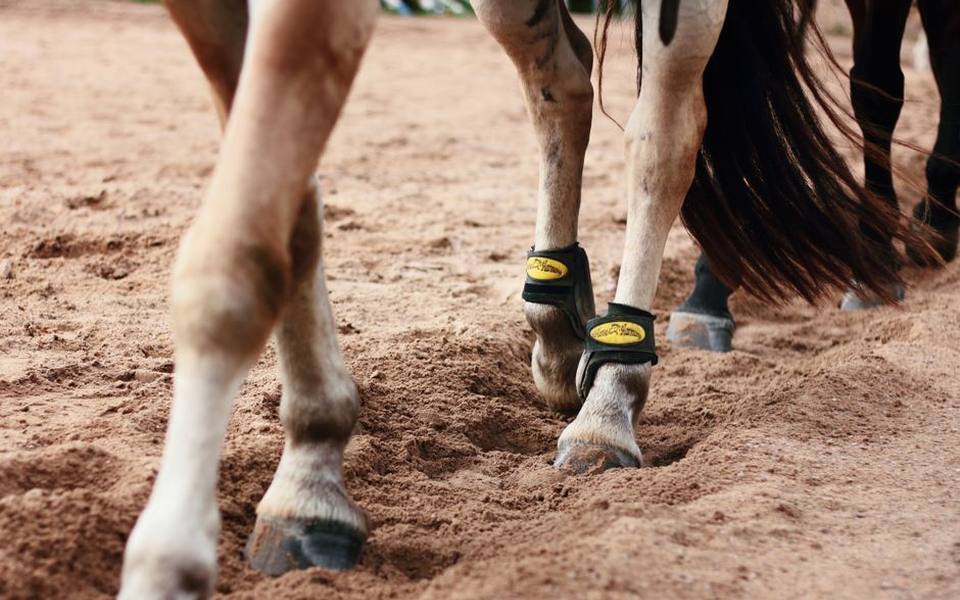
Before traveling to see an animal or sending any deposit money, ask the seller for an unedited, continuous video showing specific tasks. Request footage of the horse being caught in the paddock, tied, having all four hooves picked up, and being saddled cold without prior lunging. A video showing the horse walking and trotting in both directions on a loose rein gives essential insight into basic soundness and attitude before you invest time into an in-person visit.
Never send non-refundable deposits or payment through untraceable wire services to hold a horse you have not seen in person or evaluated through an independent third party. If distance prevents you from visiting the seller's farm directly, hiring an independent local equine professional or licensed trainer to inspect the animal on-site is a sensible precaution that often prevents devastating financial and emotional disappointments.
Planning for Post-Purchase Boarding and Barn Infrastructure
Securing a suitable boarding arrangement or setting up home acreage should always precede the actual purchase of any horse. Boarding stable costs vary widely across the country, typically ranging from a few hundred dollars monthly for basic outdoor herd environments to well over a thousand dollars for full-service show facilities. Deciding whether your mount requires full stall board or thrives in an open paddock depends on its individual breed, health needs, and training level.
Riders who enjoy casual hacking, leisure riding, and relaxed recreational turnout often look into local pasture board options, where horses live outside in herd groups with constant forage access and run-in shelter. This lifestyle supports healthy respiratory function and natural movement, making it particularly suitable for hardy stock breeds, retired mounts, or young horses that benefit from continuous socialization and varied terrain.
If you plan to ride year-round or require specific amenities such as wash racks, tack lockers, and grooming stalls, reviewing dedicated horse boarding facilities in your region is essential. Visiting barns ahead of time allows you to inspect fencing safety, evaluate forage quality, assess footing in exercise rings, and speak directly with the facility manager regarding vaccination rules and daily turnout routines.
Structuring the Pre-Purchase Examination and Routine Care Budgets
The pre-purchase examination, conducted by an independent veterinarian of the buyer's choosing, is the most crucial protective step in any horse transaction. The examining veterinarian works strictly on your behalf to document existing medical conditions, evaluate physical soundness, and identify potential issues that could affect the horse's future usability. An exam does not yield a simple pass or fail grade, but rather an objective assessment of overall risk.
A baseline clinical exam typically includes listening to heart and lung sounds, checking eyes and teeth, performing flexion tests on all four limbs, and observing the horse moving in straight lines and circles on hard and soft ground. Depending on the purchase price and intended use, buyers often elect to add digital radiographs of front feet, hocks, and stifles, as well as blood panels to screen for sedatives, pain relievers, or underlying metabolic dysfunction.
Budgeting for routine maintenance beyond the initial purchase price is critical for long-term ownership success. Every horse requires regular farrier visits every six to eight weeks, annual dental floating, routine vaccinations, strategic deworming based on fecal egg counts, and an emergency medical fund. Factoring these predictable operational costs into your initial buying budget prevents the strain of unexpected veterinary bills down the road.
The Value of Professional Training and Continued Instruction
One of the most common pitfalls in horse purchasing is buying a mount that does not match the rider's current technical skill level. Novice and intermediate riders frequently fall in love with young, athletic horses that require a steady, confident hand, leading to frustration and behavioral regression. Choosing an experienced, seasoned horse that has already encountered various environments almost always leads to a safer and more enjoyable partnership.
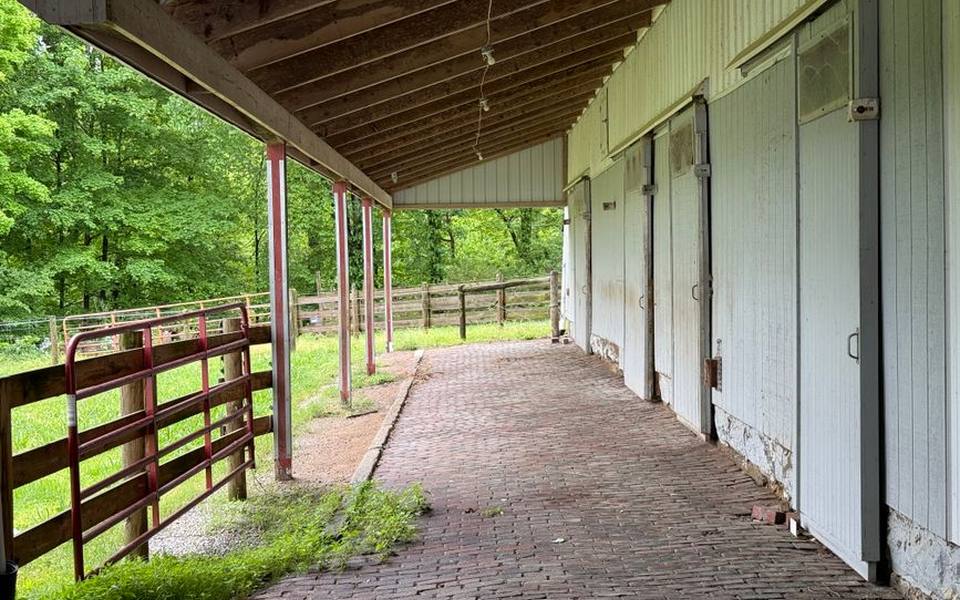
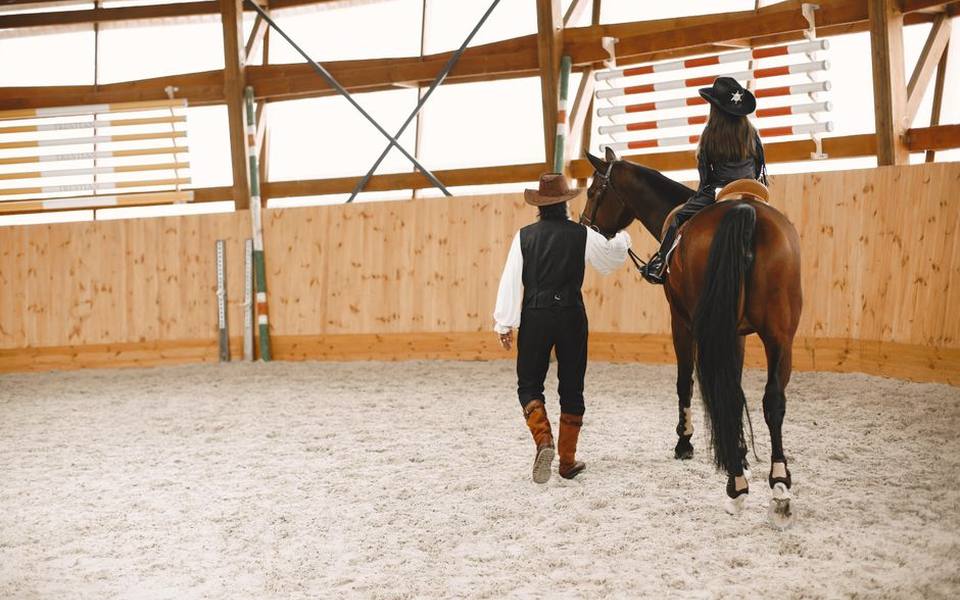
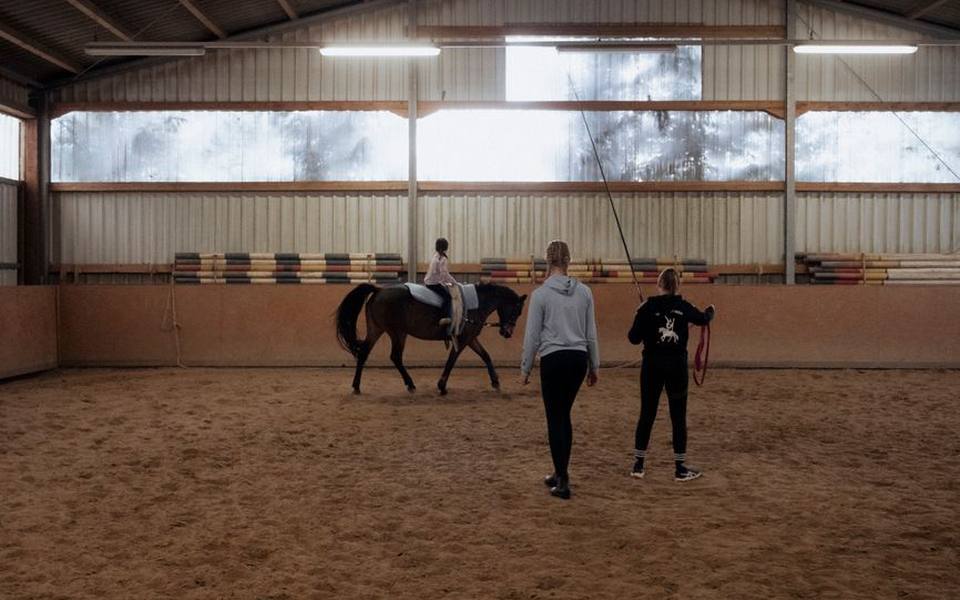
Even when buying an experienced mount, engaging with professional horse training programs provides valuable support during the transition period. A trainer can evaluate the horse under saddle, address subtle communication barriers between horse and rider, and help establish a consistent routine that keeps both parties confident. Many facilities offer package programs that combine regular schooling rides for the horse with private lessons for the owner.
Continuing your education through structured lessons ensures you develop balanced riding aids, clear communication, and correct timing from the start. Working closely with an experienced instructor helps you identify small habit changes before they escalate into persistent behavioral resistance. Over time, regular professional feedback pays significant dividends in rider confidence, animal welfare, and overall enjoyment of the sport.
Finalizing the Transaction, Legal Documents, and Transportation
Once a veterinary examination is complete and both parties agree on terms, finalizing the purchase requires formal written documentation. A detailed bill of sale protects both the buyer and seller by outlining the purchase price, the date of sale, the exact registered name and identification of the horse, and an explicit statement regarding whether the animal is sold as-is or subject to specific warranties.
Before transporting the horse to its new home, state regulations typically mandate specific health documentation. In most states, moving a horse across state lines or between boarding facilities requires a negative Coggins test showing the animal is free of equine infectious anemia, usually dated within the past six to twelve months. An official Certificate of Veterinary Inspection issued within thirty days of travel is also standard legal protocol for interstate equine transport.
Hauling should be arranged with experienced commercial haulers or completed using properly maintained personal towing rigs equipped with functional trailer brakes, safe flooring mats, and adequate ventilation. Providing deep bedding, securing clean hay nets, and planning regular rest stops allow the horse to lower its head, clear respiratory passages, and arrive at its new barn relaxed and ready to settle into its new routine.
Published 2026-09-20 · reviewed with each rebuild, last September 2026.
Find boarding stables near you
The directory lists 16,945 boarding stables by state and city — pick your state or use the “Near me” button in the header.
More guides
-
 Money
MoneyUnderstanding Monthly Horse Boarding Expenses and Stable Fees
-
 Owning
Understanding Friesian Horse Ownership: Traits, Costs, and Daily Care
-
 Owning
Understanding Riding Disciplines, Essential Tack, and the True Costs of Horse Ownership
-
 Money
MoneyUnderstanding the Costs of Getting Started in the Saddle
-
 Buying
Understanding Initial Horse Purchase Prices by Breed, Size, and Training
-
 Service
The Career Path of a Farrier: Education, Training, and Timeline
-
Owning
Choosing Between Alfalfa and Orchard Grass Hay for Horses
-
 Money
MoneyEssential Horse Ownership Expenses: Leasing, Insurance, and Maintenance
-
 Owning
Complete Guide to Cattle Breeds: Dairy vs Beef Cow Selection and Care
-
 Owning
Small Farm Livestock Breeding: Goats, Sheep, Pigs, and Poultry
-
 Buying
Miniature Livestock Guide: Mini Cattle, Ponies, and Pocket Equines
-
 Owning
The Complete Guide to Horse Boarding, Stables, and Facilities
-
 Owning
Rubber Stall Mats and Horse Stall Flooring: A Complete Guide
-
 Buying
Guide to Horse Breeds, Breeders, and Equine Artificial Insemination
-
 Buying
Equestrian Riding Boots Buyer's Guide: Western and English Footwear
-
 Owning
Equine Health Care: Colic Signs, Deworming Charts, and Joint Supplements
-
 Owning
Complete Guide to Equine Fly Control: Sprays, Repellents, and Fly Sheets
-
 Safety
Equine Riding Helmets: Sizing, Safety Standards, and Selection Guide
-
 Service
Beach Horseback Riding and Trail Riding Tours Guide
-
 Service
Equine Training Fundamentals: Groundwork, Lunging Techniques, and Equestrian Vaulting
-
 Service
Equine-Assisted Therapy and Psychotherapy: A Practical Guide to Methods, Benefits, and Programs
-
 Buying
A Complete Guide to Buying a Horse: Breeds, Equine Sales, and Insurance
-
 Owning
Complete Guide to Horse Hoof Care, Farrier Services, and Hoof Boots
-
 Owning
A Complete Guide to Horse Grooming, Sheath Cleaning, Massage, and Routine Wellness
-
 Owning
Horse Barn Setup, Stall Infrastructure, Arenas, and Facility Equipment
-
 Buying
Beef and Dairy Cattle Breeds: Buyer's Guide, Traits, and Livestock Care
-
 Owning
Homestead Livestock Guide: Raising Sheep, Goats, Pigs, and Poultry
-
 Service
Equine Dentistry Guide: Floating Teeth, Routine Care, and Choosing a Practitioner
-
 Owning
Equine Saddles and Tack Care: Selection, Fit, Cleaning, and Room Setup
-
 Owning
Horse Blankets and Sheet Guide: Fit, Turnout Types, and Fly Protection
-
 Safety
Equestrian Riding Apparel and Gear: Helmets, Boots, and Show Attire
-
 Owning
Equestrian Gift Guide: Practical and Thoughtful Presents for Horse Lovers and Riders
-
 Service
Horse Transportation Guide: Hauling Services, Trailer Rentals, and Layover Stables
-
 Owning
Designing and Managing a Boarding Stable: Facility Planning, Barn Construction, and Daily Operations
-
 Owning
Horse Health Care, Fly Control, and Preventative Vet Schedules
-
 Service
Beginner Equestrian Camps and Riding Programs: How to Choose the Right Barn
-
 Safety
A Complete Guide to Western Riding Helmets, Barn Footwear, Halters, and Hoof Gear
-
 Service
Guided Horseback Riding Tours & Vacation Stables Guide
-
 Buying
Buying and Selling Horses: Sales Auctions & Breed Marketplaces